Phoenix moss
Fissidens fontanus
Also known as Fissidens, US Fissidens, Octodiceras fontanum
FreshwaterMossRhizome division
Care at a glance
- Light
- Medium light
- CO2
- CO₂ beneficial
- Temperature
- 68–82°F
- 20–28°C
- Max height
- 1.2 in
- 3 cm
- Growth rate
- Slow
- Placement
- Epiphyte
- Type
- Moss
- pH
- 6.0–7.5
- Hardness
- 2–15 dGH
- Spread
- 3.9 in (10 cm)
- Nutrient uptake
- Water column
- Growth region
- Submersed
- Difficulty
- Medium
- Family
- Fissidentaceae
- Origin
- North America (widespread in the United States), submersed on wood and rock in rivers, streams, and ponds
Overview
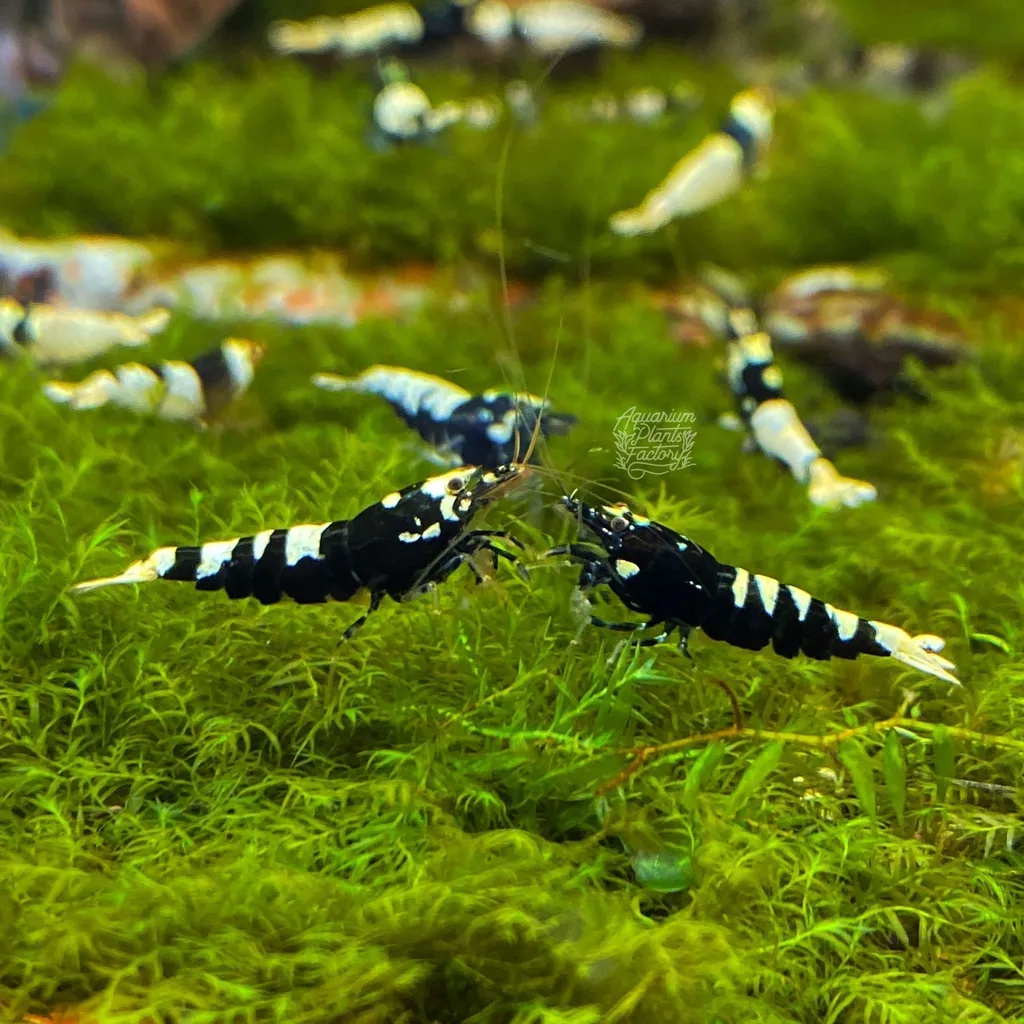
A slow but rewarding carpet and accent moss with a fine, feathery look. Tie or glue thin pieces onto wood or stone, since thick wads trap debris and brown out underneath; it grips well once established. It is more light- and CO2-responsive than easier mosses, so medium light with added CO2 gives compact, well-defined fronds, while low-tech tanks grow it loosely and even more slowly. Expect a few months before a tied piece spreads into real coverage.
In the wild
A genuinely aquatic moss native to North America and widespread across the United States, where it grows submersed on submerged wood, rock, and other surfaces in rivers, streams, and ponds. Unlike many aquarium mosses, it lives its whole life underwater rather than as a bog plant. It forms low, dense mats of overlapping feathery fronds.
Good to know
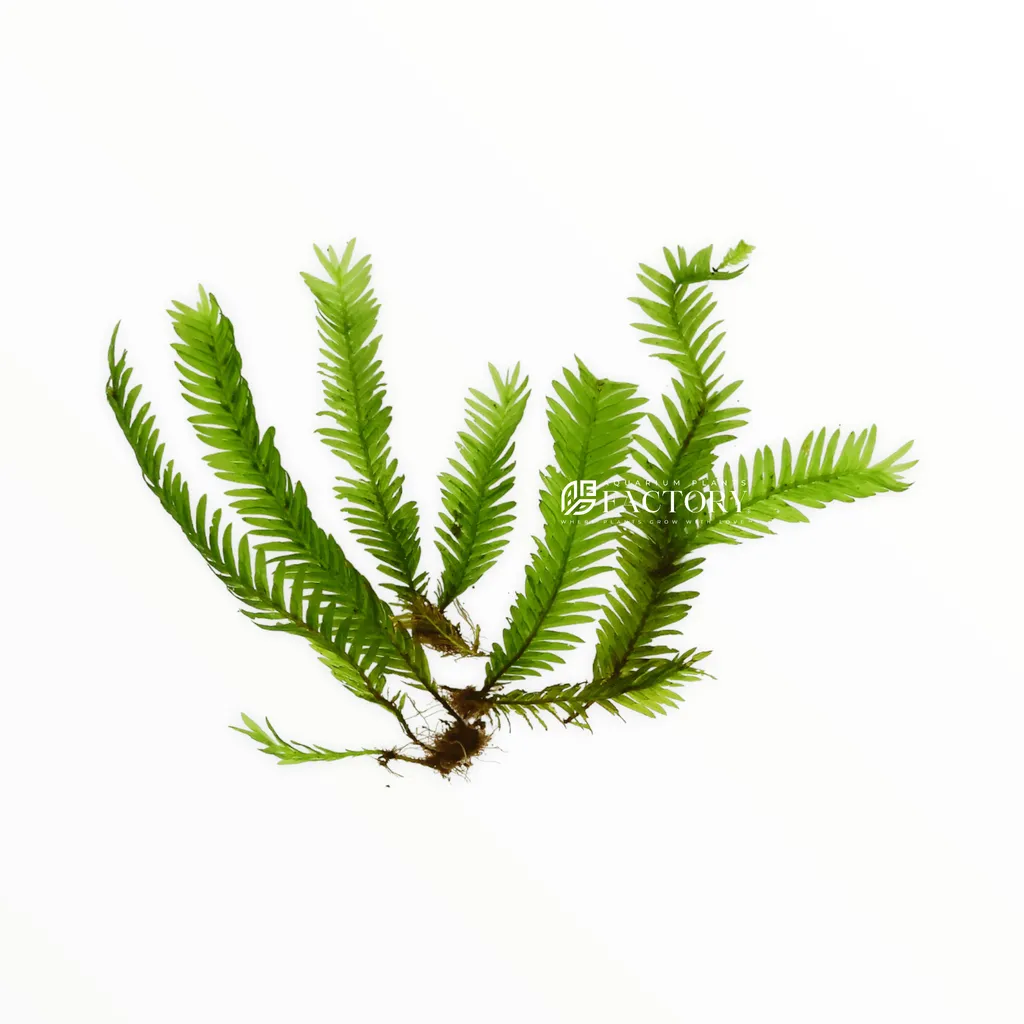
Fissidens fontanus is a true moss in the family Fissidentaceae and was historically also placed in the genus Octodiceras. Its leaves have an unusual structure with a sheathing base that wraps the stem, giving the distinctive flat, two-ranked, fern-like frond. It is one of relatively few mosses adapted to permanent submersion.
Did you know
Did you know phoenix moss is one of the few aquarium mosses native to the United States rather than tropical Asia? It was a fairly late arrival to the hobby and is still sometimes sold as 'US Fissidens' to distinguish it from imported Asian Fissidens types.
Related plants
 Low lightEpiphyte1.6 in (4 cm)
Fissidens nobilis
Low light · Epiphyte
- Medium lightEpiphyte0.6 in (1.5 cm)
Mini fissidens
Fissidens sp. 'Mini'
Medium light · Epiphyte
 Medium lightEpiphyte1.2 in (3 cm)
Mini pellia
Riccardia chamedryfolia
Medium light · Epiphyte
 Low lightEpiphyte1.2 in (3 cm)
Nano moss
Amblystegium serpens
Low light · Epiphyte
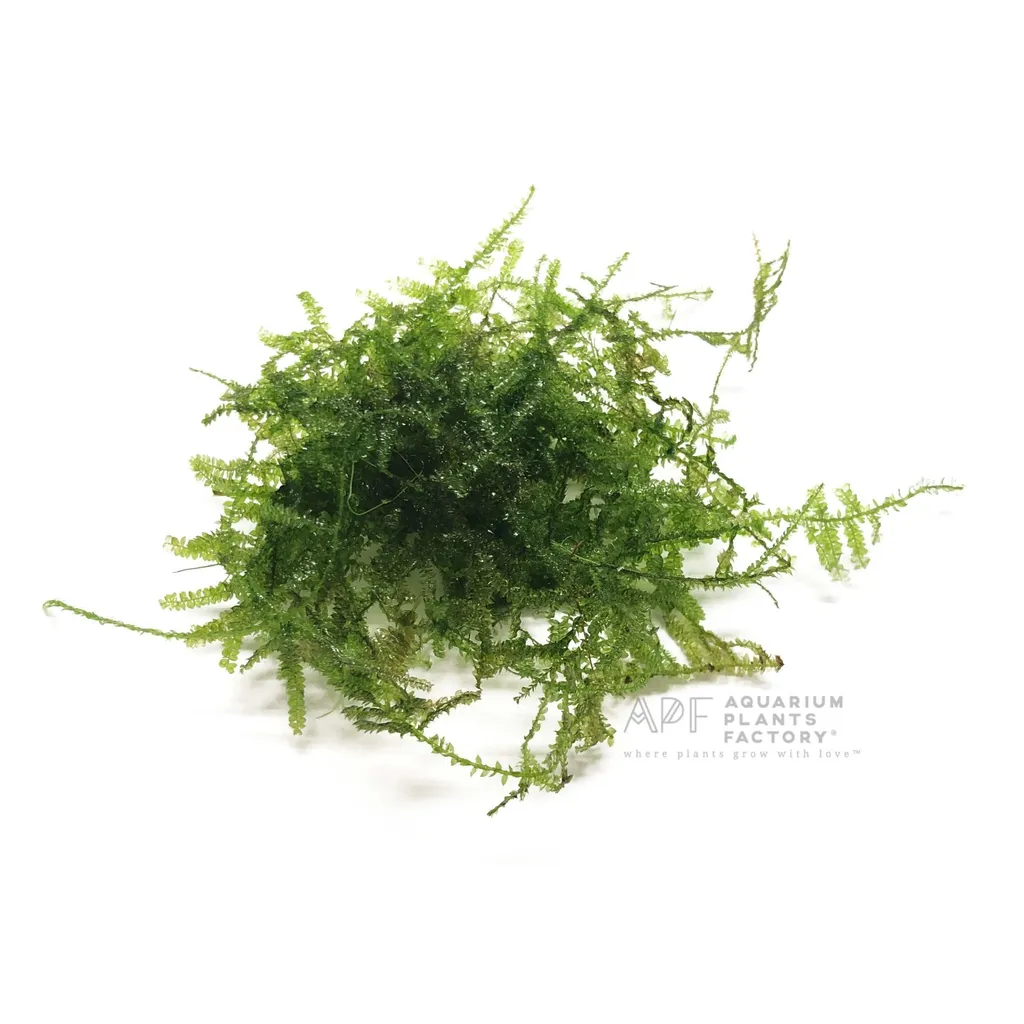 Low lightEpiphyte2 in (5 cm)
Christmas moss
Vesicularia montagnei
Low light · Epiphyte
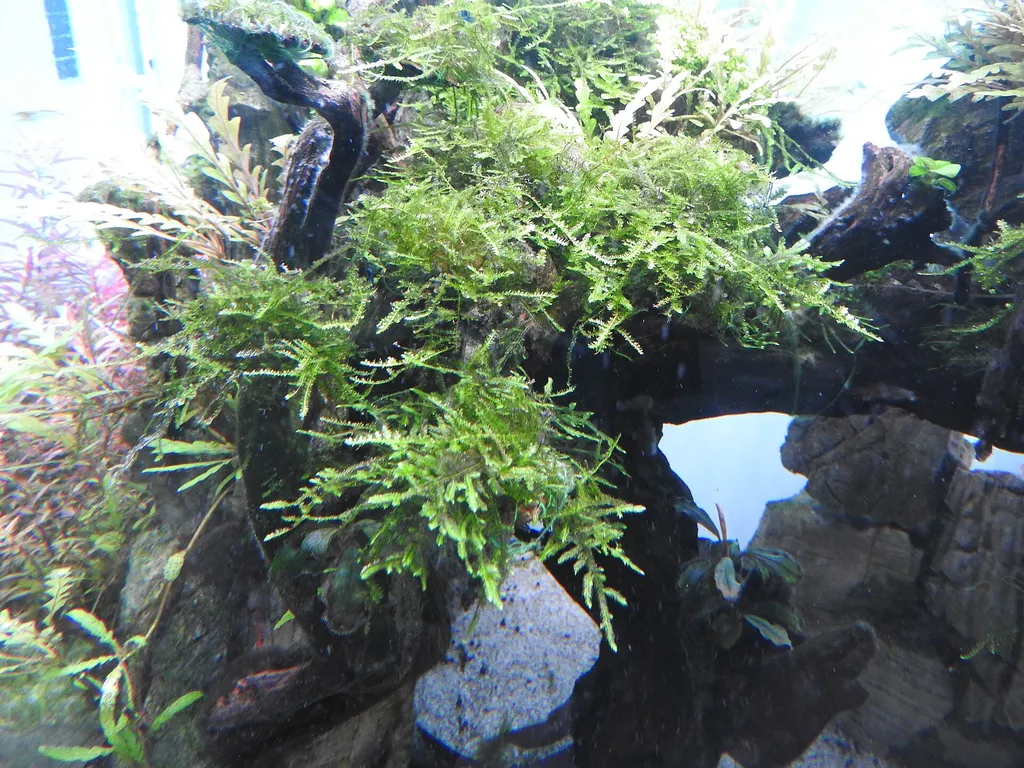 Low lightEpiphyte2 in (5 cm)
Peacock moss
Taxiphyllum sp. 'Peacock'
Low light · Epiphyte