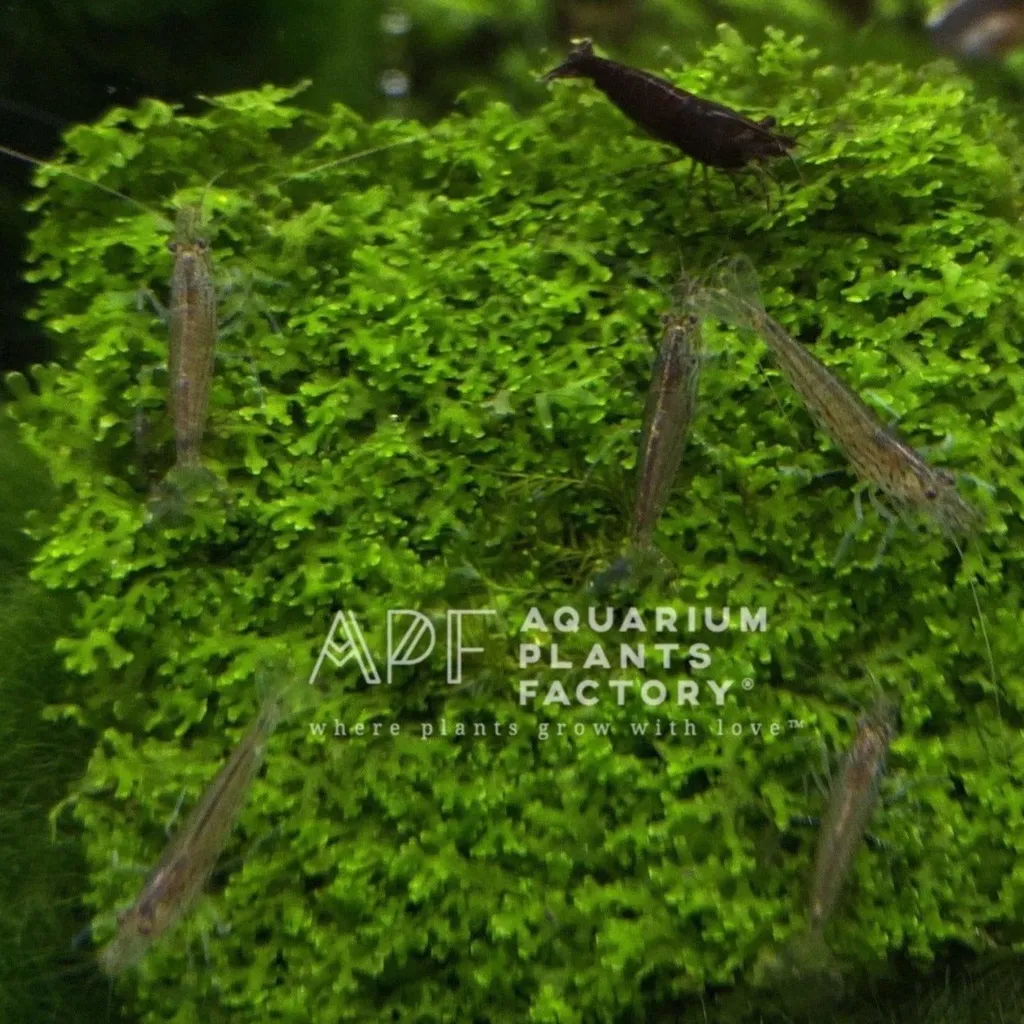
Mini pellia
Riccardia chamedryfolia
Also known as Coral pellia, Coral moss, Riccardia sp., Mini coral moss, Riccardia graeffei, Riccardia sp. graeffei
FreshwaterMossRhizome division
Care at a glance
- Light
- Medium light
- CO2
- CO₂ beneficial
- Temperature
- 64–79°F
- 18–26°C
- Max height
- 1.2 in
- 3 cm
- Growth rate
- Slow
- Placement
- Epiphyte
- Type
- Moss
- pH
- 5.0–7.5
- Hardness
- 0–10 dGH
- Spread
- 3.9 in (10 cm)
- Nutrient uptake
- Water column
- Growth region
- Submersed
- Difficulty
- Medium
- Family
- Aneuraceae
- Origin
- Cosmopolitan; occurs on damp ground, rocks, and streambanks across much of the temperate and subtropical world
Overview
A slow, demanding little carpet-builder prized for its fine coral texture. It will not anchor on its own quickly, so tie or glue thin layers onto rock or wood and give it time; thick clumps rot from the inside because water cannot reach the middle. Medium light keeps it compact, and added CO2 with steady fertilizing noticeably improves density and speed. Patience is the main requirement, since it can take months to fill in.
In the wild
A small, creeping thalloid liverwort with a cosmopolitan range, found growing on wet soil, rock, and streambanks across temperate and subtropical regions. It is naturally a damp-ground species rather than a fully aquatic one, but it adapts well to permanent submersion. Underwater it forms dense, flat cushions of forking, coral-like branches.
Good to know
Riccardia chamedryfolia is a true liverwort in the family Aneuraceae, not a moss, even though the hobby groups it with mosses. Its body is a flattened, repeatedly branching thallus with no distinct stems or leaves, which gives the tight, coral-like texture. It is an extremely variable species across its wide range.
Did you know
Did you know mini pellia has no roots or leaves whatsoever? The entire 'coral' is one continuous flattened thallus, so every branch you see is the plant's whole body splitting and forking rather than separate stems and foliage.
Related plants
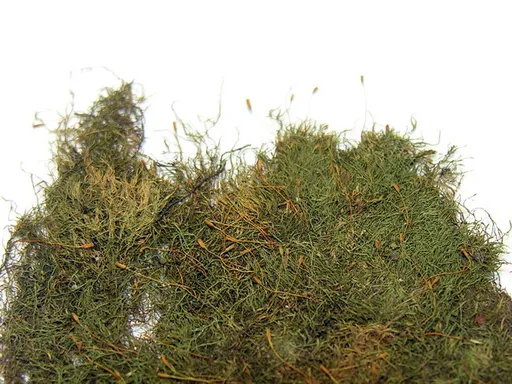 Low lightEpiphyte1.2 in (3 cm)
Nano moss
Amblystegium serpens
Low light · Epiphyte
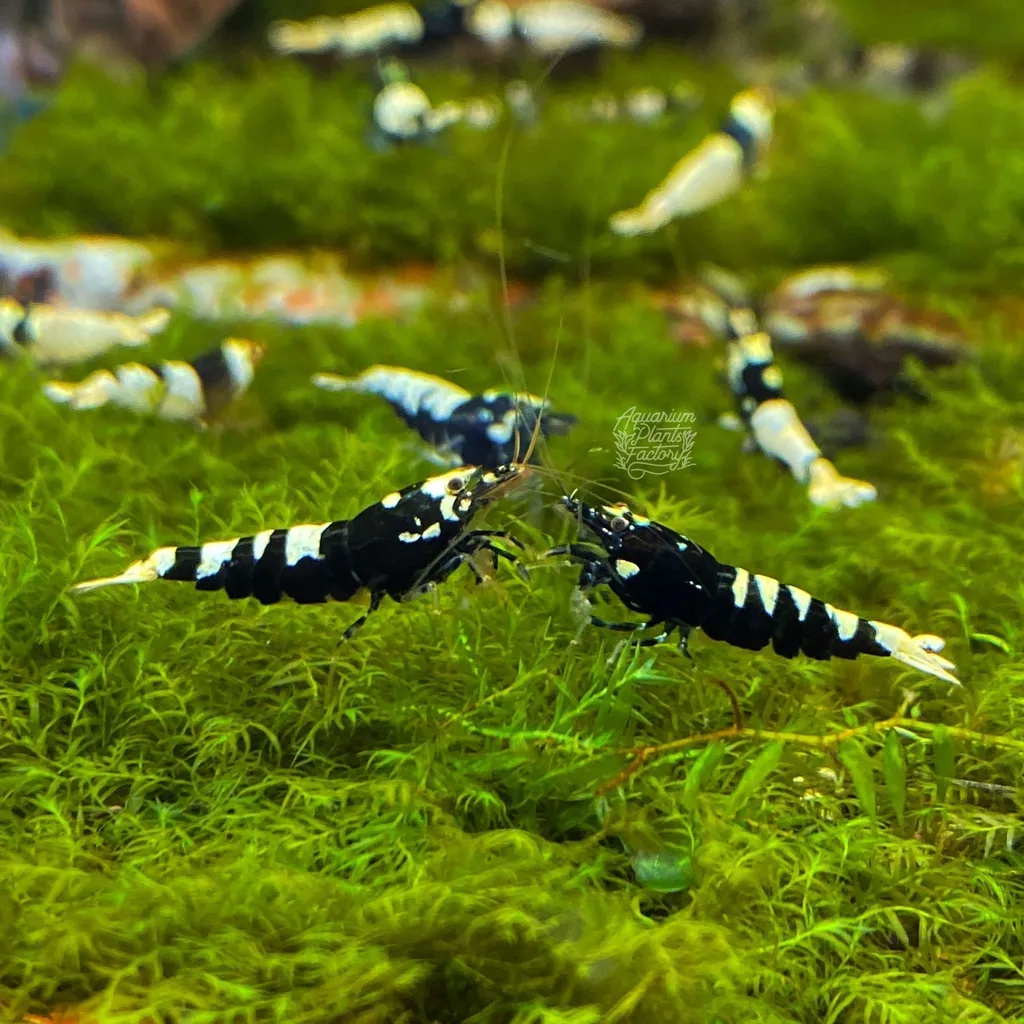 Medium lightEpiphyte1.2 in (3 cm)
Phoenix moss
Fissidens fontanus
Medium light · Epiphyte
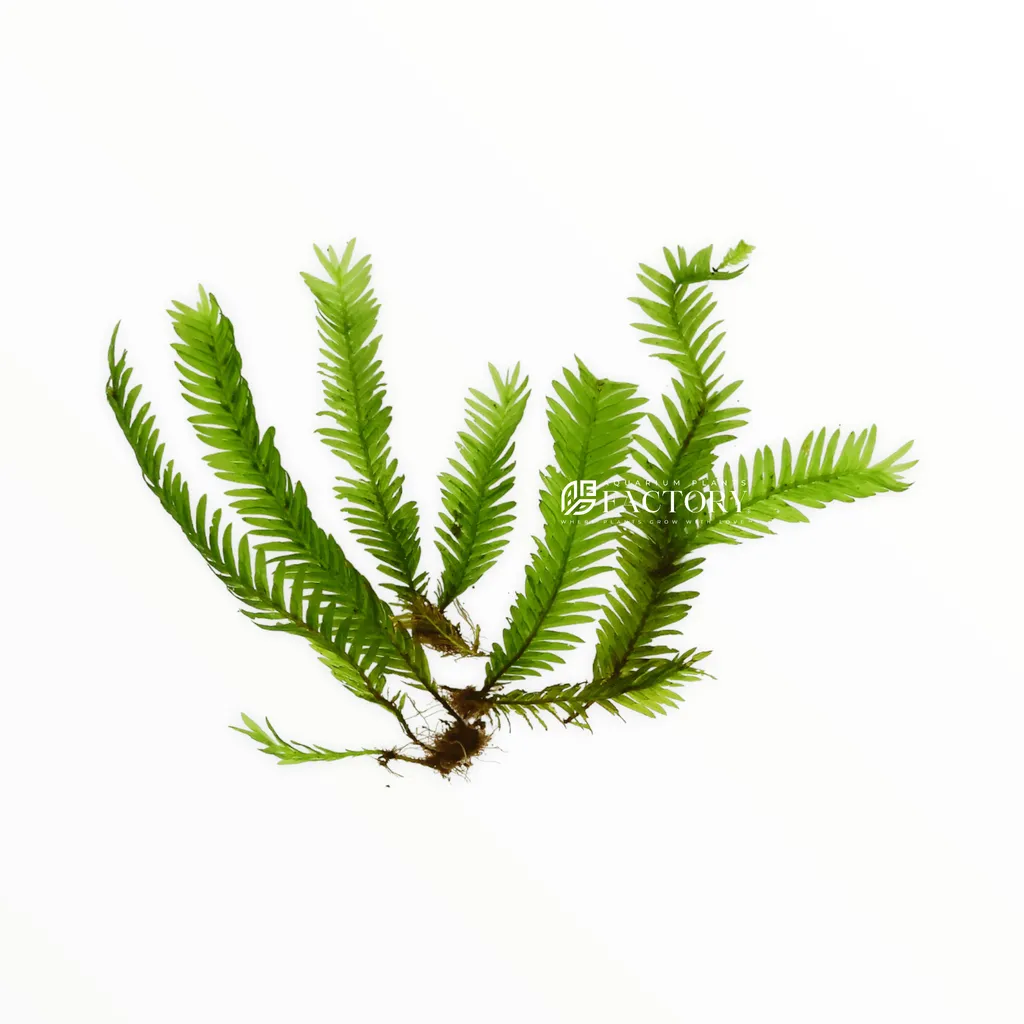 Low lightEpiphyte1.6 in (4 cm)
Fissidens nobilis
Low light · Epiphyte
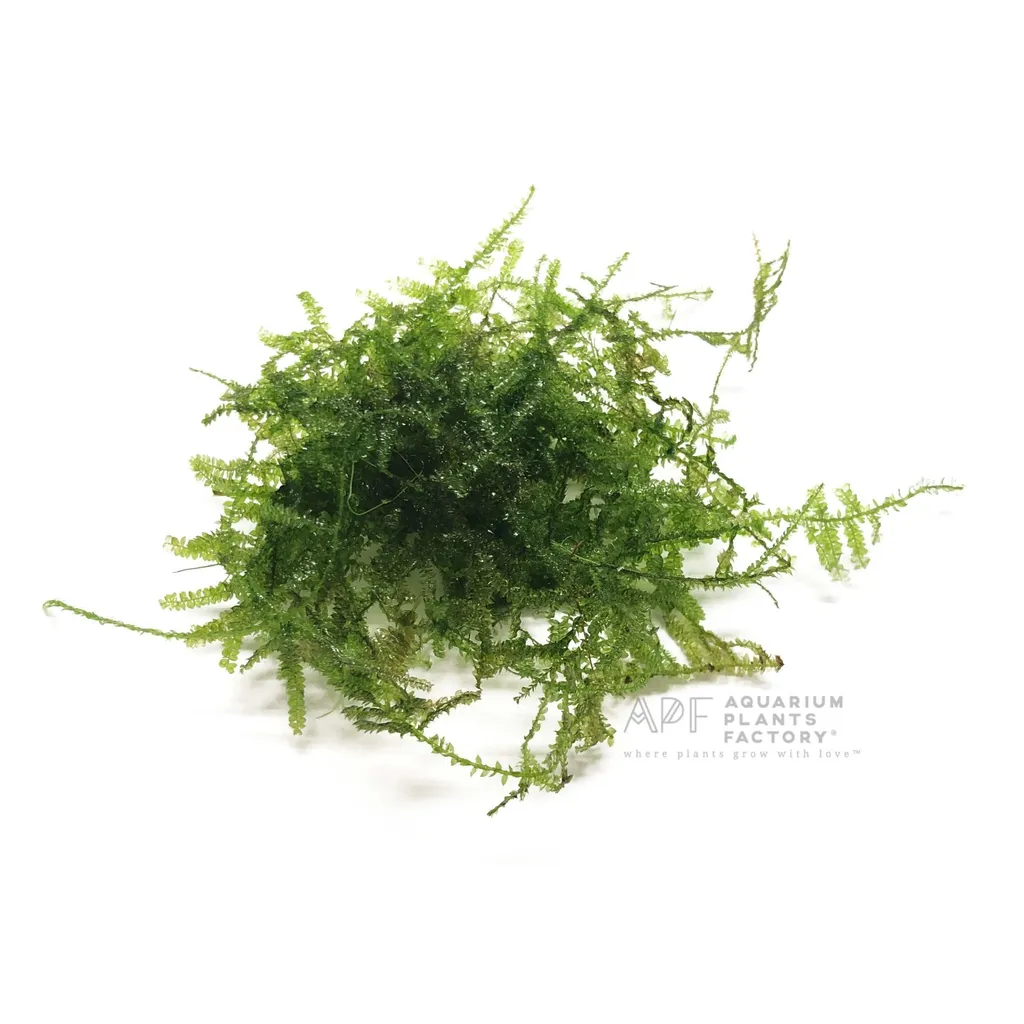 Low lightEpiphyte2 in (5 cm)
Christmas moss
Vesicularia montagnei
Low light · Epiphyte
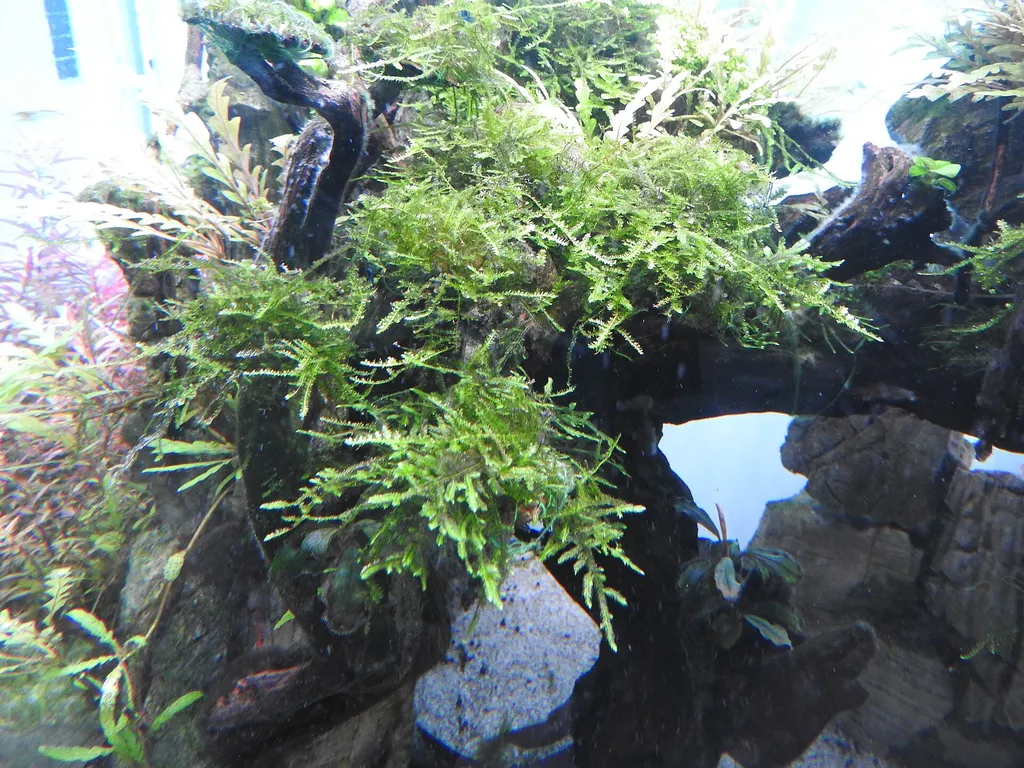 Low lightEpiphyte2 in (5 cm)
Peacock moss
Taxiphyllum sp. 'Peacock'
Low light · Epiphyte
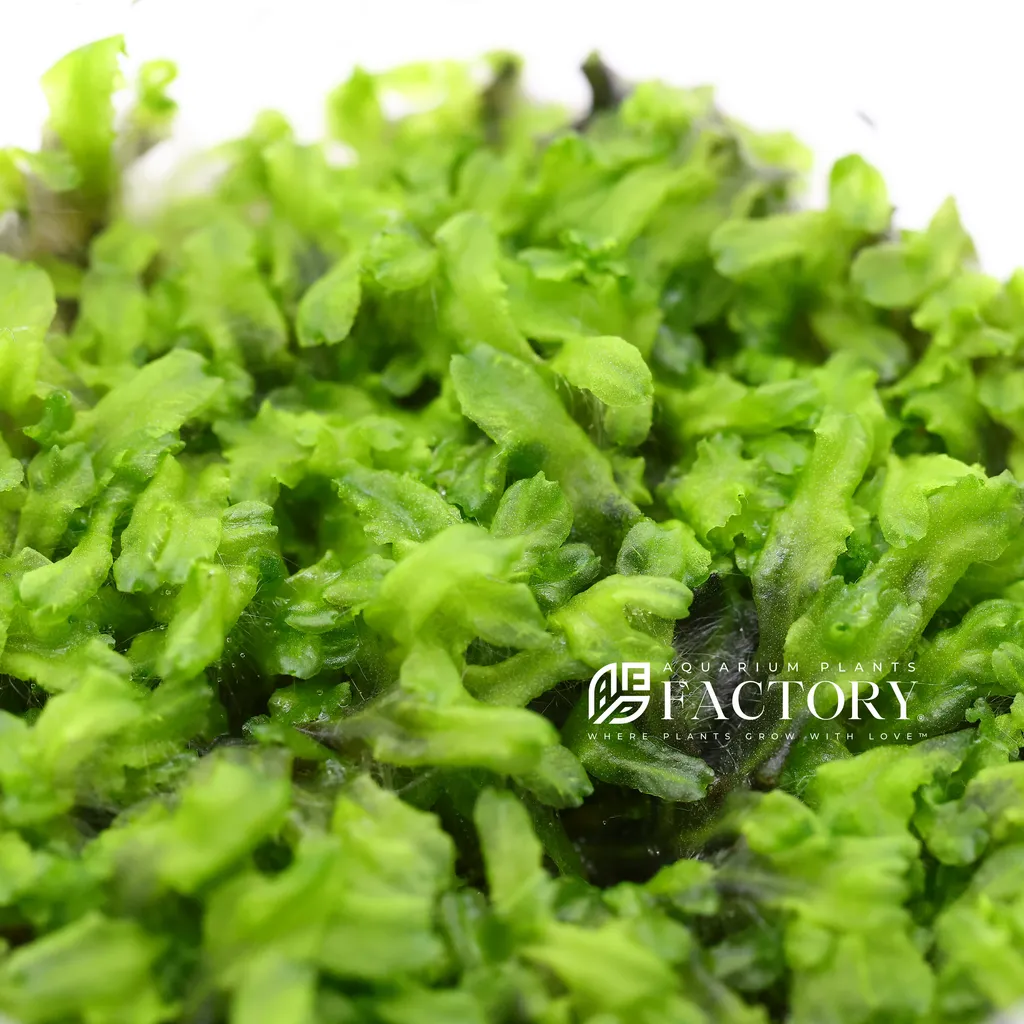 Low lightEpiphyte2 in (5 cm)
Pellia
Monosolenium tenerum
Low light · Epiphyte