Callicostella prabaktiana
Also known as Callicostella papillata var. prabaktiana, Hookeria prabaktiana
FreshwaterMossDivisionFragmentation
Care at a glance
- Light
- Low light
- CO2
- CO₂ beneficial
- Temperature
- 68–79°F
- 20–26°C
- Max height
- 1.2 in
- 3 cm
- Growth rate
- Slow
- Placement
- Epiphyte
- Type
- Moss
- pH
- 5.0–7.5
- Spread
- 3.9 in (10 cm)
- Nutrient uptake
- Water column
- Growth region
- Submersed or emersed
- Difficulty
- Easy
- Family
- Pilotrichaceae
- Origin
- Tropical Southeast Asia to New Guinea, with records from Queensland and the western Pacific
Overview
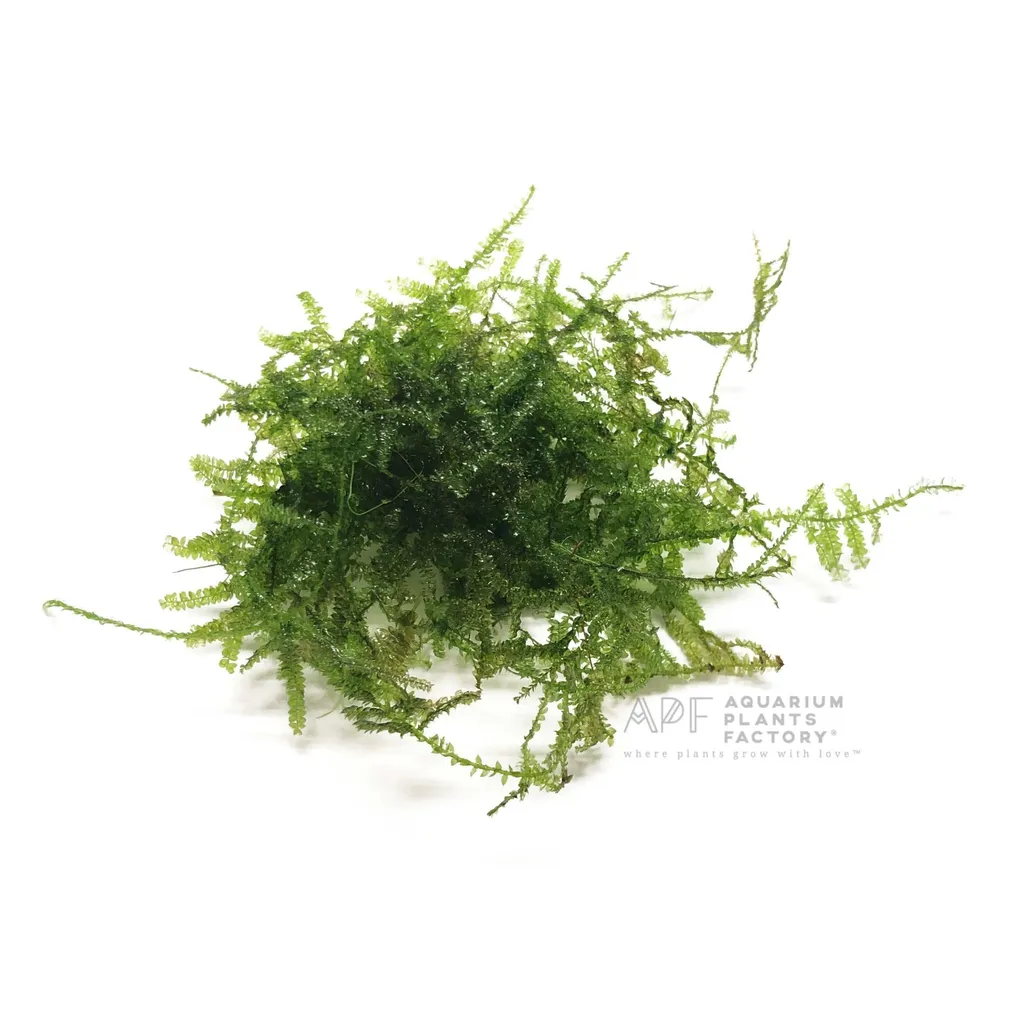
Callicostella prabaktiana is a moss that grows attached to wood and stone instead of the substrate. It is easy to keep, and its small size suits nano tanks.
Did you know
Callicostella prabaktiana reached Germany mixed into a Thai import of 'Worm Moss', a leafy liverwort. Heiko Muth of Göttingen identified it using a 1991 Smithsonian revision of Malayan mosses.
Caring for Callicostella prabaktiana
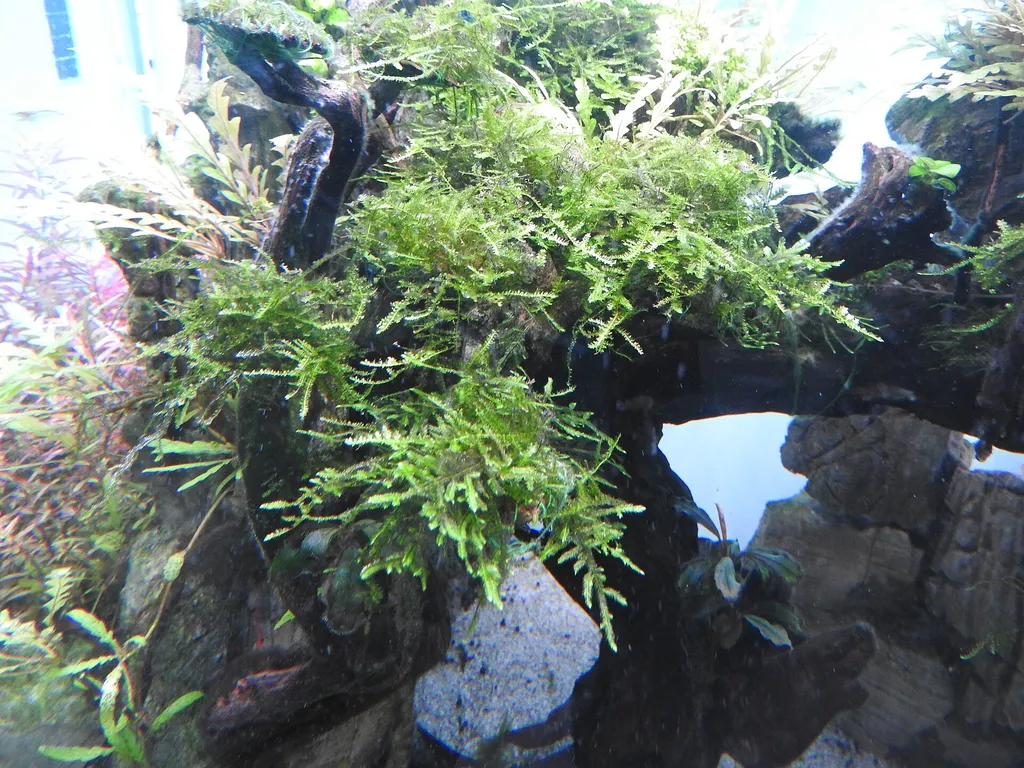
Tie small pieces of Callicostella prabaktiana to wood or stone with fishing line. The rhizoids soon grip the surface tightly. Loose shoots hang down like weeping moss, so the plant builds a flowing mat over the hardscape.
Low light works, while ADA's dealers suggest medium light and steady CO2. Injected CO2 is optional but speeds it up. It feeds from the water, so a liquid fertilizer suits it better than root tabs. Keep it at 68 to 79°F (20 to 26°C) and a pH of 5 to 7.5.
Growth underwater is very slow, and it stays about 1.2 in (3 cm) tall. Split the mat or cut off shoots to start new patches. It also grows emersed in a humid paludarium.
Good to know
Callicostella prabaktiana is a creeping moss in the family Pilotrichaceae. It was described from a specimen collected on Mount Prabakti in Java. GBIF and WFO treat it as Callicostella papillata var. prabaktiana, while Flowgrow and the trade keep the species name. It has smooth leaf cells and less toothed leaf tips than typical C. papillata. A thick double midrib runs almost to the tip of each tongue-shaped leaf, which tells it apart from Vesicularia mosses.
In the wild
Callicostella prabaktiana grows on rocks, logs and soil along shaded streams and rivers in lowland forest. Its range runs from Thailand and Vietnam through Peninsular Malaysia, Java, Borneo and the Philippines to New Guinea. Most Malaysian collections come from 50 to 400 m, with two from about 1,500 m. It also grows on rocks that are flooded from time to time.
Common questions
Does Callicostella prabaktiana need to be planted in the substrate?
No. Callicostella prabaktiana grows on rock or wood rather than in the substrate. Tie it on with cotton thread or fishing line, or use gel superglue, until it anchors itself.
Does Callicostella prabaktiana need CO2?
No, but it helps. Callicostella prabaktiana can grow without injected CO2, and added CO2 makes it grow faster.
How much light does Callicostella prabaktiana need?
Callicostella prabaktiana is a low-light plant, and the light that comes with a standard tank kit is enough for it.
How do you propagate Callicostella prabaktiana?
Callicostella prabaktiana propagates by division and fragmentation. Pull a clump apart into smaller pieces and tie each one down. Pieces that break off keep growing, so pulling a clump apart spreads it.
How tall does Callicostella prabaktiana grow?
Callicostella prabaktiana grows to about 1.2 in (3 cm) tall. It grows slowly.
Related plants
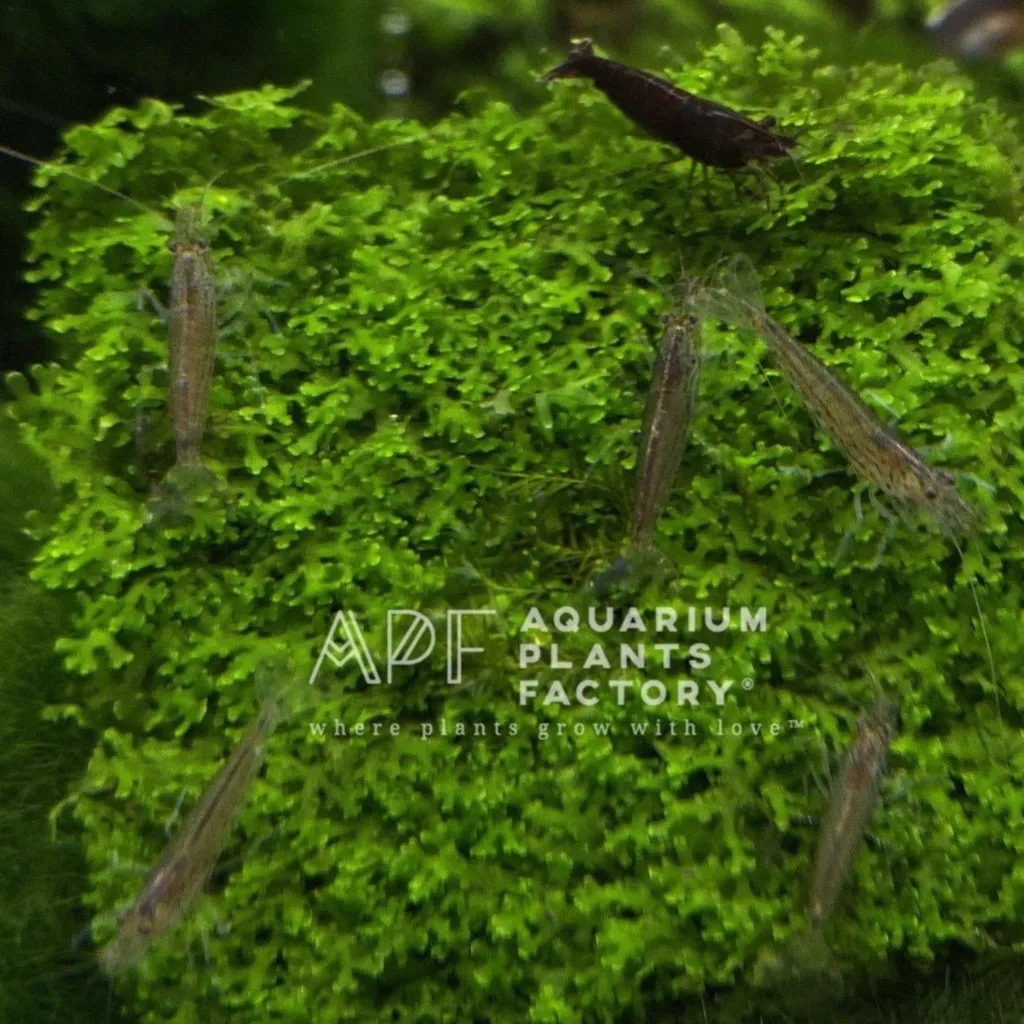 Medium lightEpiphyte1.2 in (3 cm)
Mini pellia
Riccardia chamedryfolia
Medium light · Epiphyte
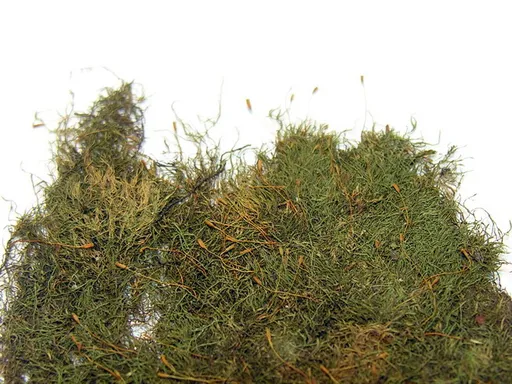 Low lightEpiphyte1.2 in (3 cm)
Nano moss
Amblystegium serpens
Low light · Epiphyte
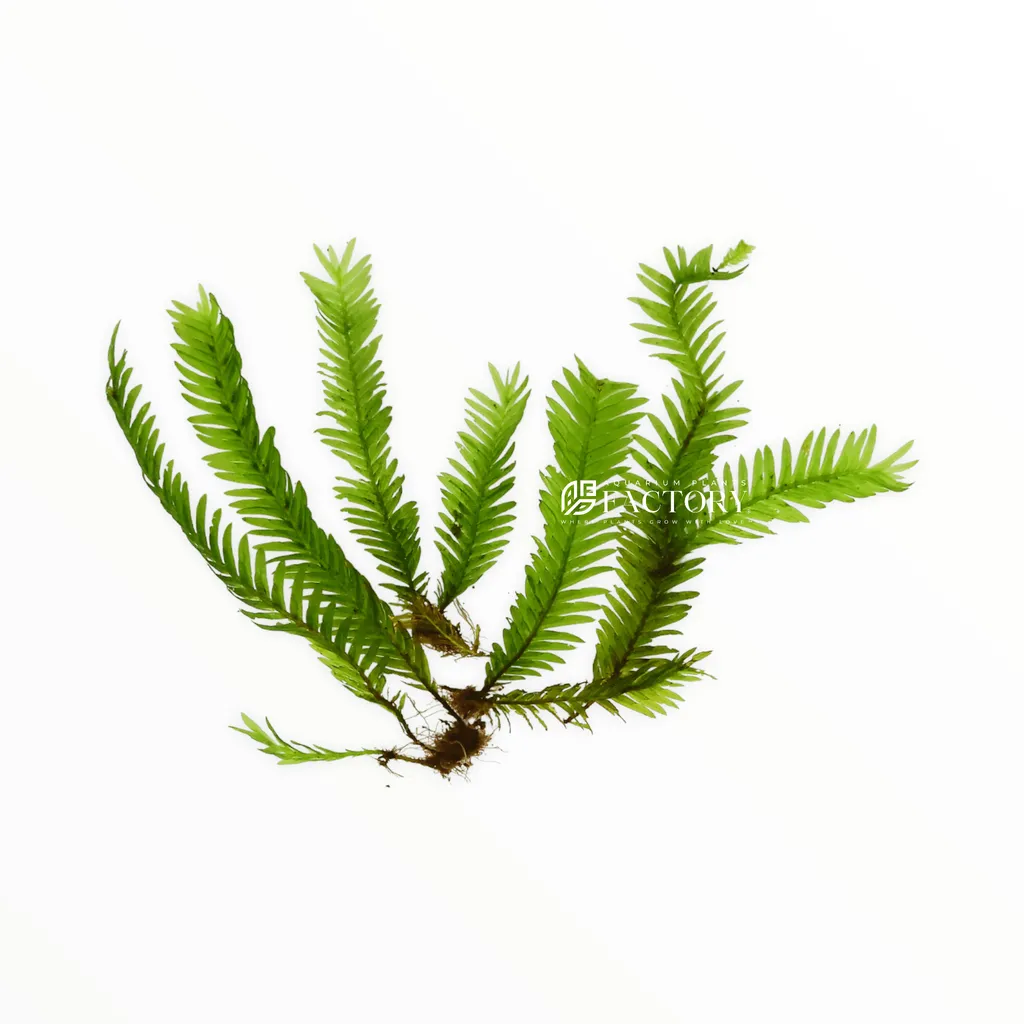 Low lightEpiphyte1.6 in (4 cm)
Fissidens nobilis
Low light · Epiphyte
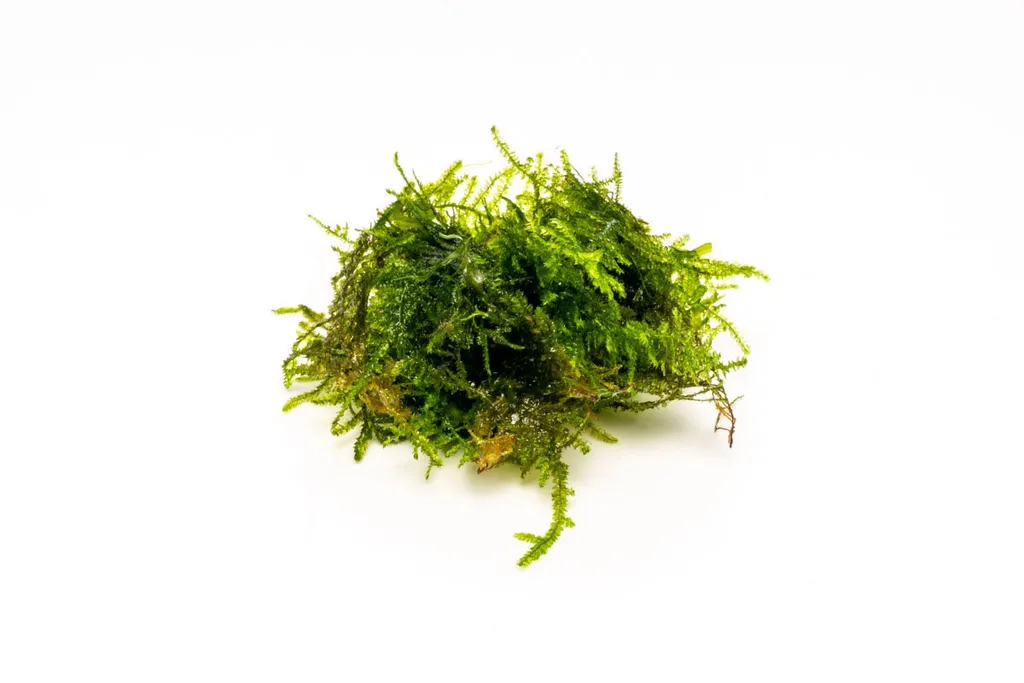 Low lightEpiphyte2 in (5 cm)
Anchor moss
Vesicularia sp. 'Anchor'
Low light · Epiphyte
 Low lightEpiphyte2 in (5 cm)
Christmas moss
Vesicularia montagnei
Low light · Epiphyte
 Low lightEpiphyte2 in (5 cm)
Peacock moss
Taxiphyllum sp. 'Peacock'
Low light · Epiphyte