Cryptocoryne dewitii
Also known as Crypt dewitii
FreshwaterRosetteRunners
Care at a glance
- Light
- Low light
- CO2
- CO₂ beneficial
- Temperature
- 72–81°F
- 22–27°C
- Max height
- 5.9 in
- 15 cm
- Growth rate
- Slow
- Placement
- Midground
- Type
- Rosette
- pH
- 6.0–7.5
- Spread
- 5.9 in (15 cm)
- Nutrient uptake
- Root + water column
- Growth region
- Submersed or emersed
- Difficulty
- Easy
- Family
- Araceae
- Origin
- Papua New Guinea (Western Province, one site near Kiunga on the Fly River)
Overview
Cryptocoryne dewitii gets by on little light. Stefan Reitel grew it at 22 to 27 C in soaked beech leaf mold and reverse osmosis water, and it flowered after about six months. He found it easiest to grow semi-emersed. His plants made runners after about 11 months, and their blades reached 9 by 4 cm with only light puckering. Reitel knew of no aquarium trials by 2011, though the wild pH of 6.0 made him hopeful. Give it a rich, acidic soil in the midground, and avoid moving it once it roots, since crypts often melt when disturbed.
In the wild
Cryptocoryne dewitii is known from one marsh near Kiunga, on the middle Fly River in Papua New Guinea's Western Province. It grows beside peat swamps under sago palms, rooted in thick peat under a layer of fallen leaves, at about 70 m. Paul Katik collected it in 1971, and Takashige Idei found it again in July 2009.
Good to know
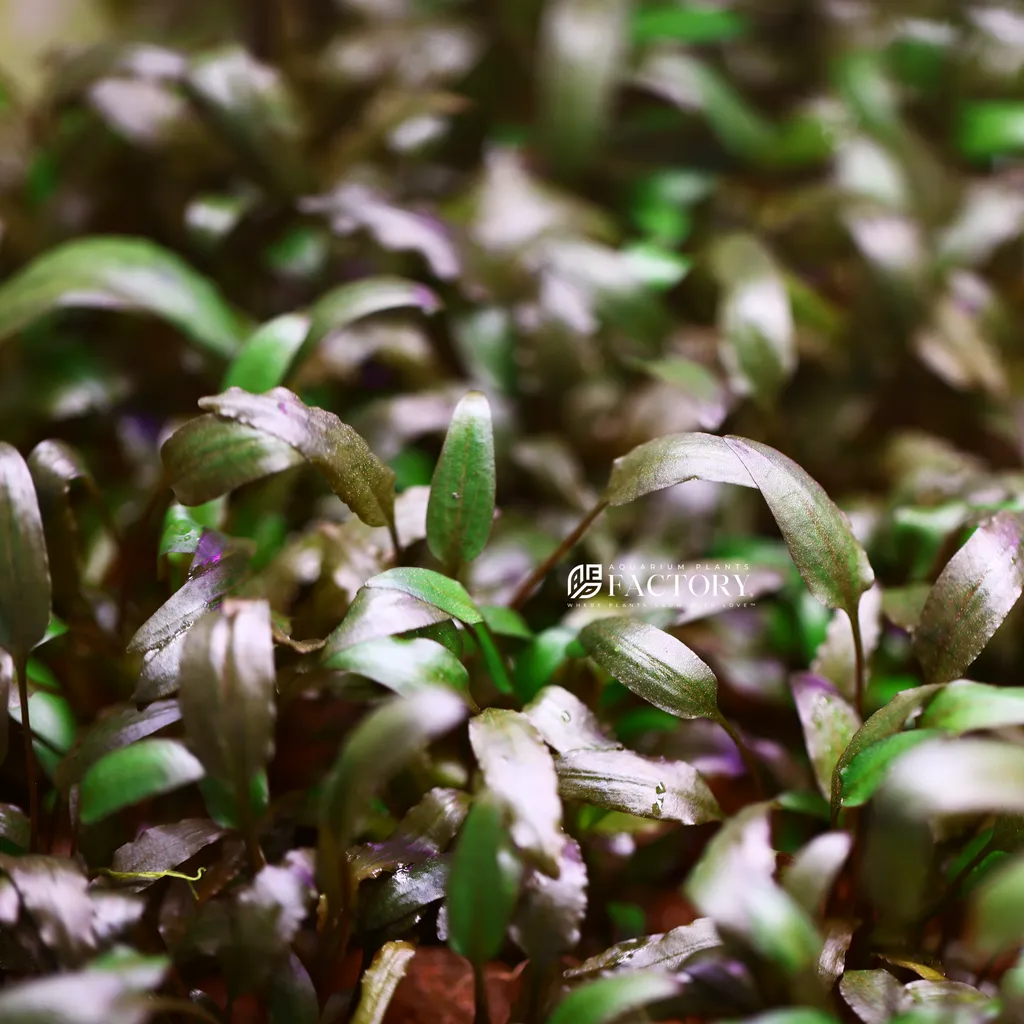
Cryptocoryne dewitii is an aroid (family Araceae) that Niels Jacobsen described in 1977 from three herbarium sheets. The name honors H. C. D. de Wit, who led Cryptocoryne research from the 1950s to the 1980s. Wild plants have green, puckered blades up to 9 by 5 cm, with an eared base and finely wavy edges. The upper part of the spathe limb is spirally twisted and often covered in small bumps.
Did you know
Cryptocoryne dewitii is rated Critically Endangered on the IUCN Red List, from a 2021 assessment. The assessment counts one known location and a falling population, and it lists housing and mining as threats.
Related plants
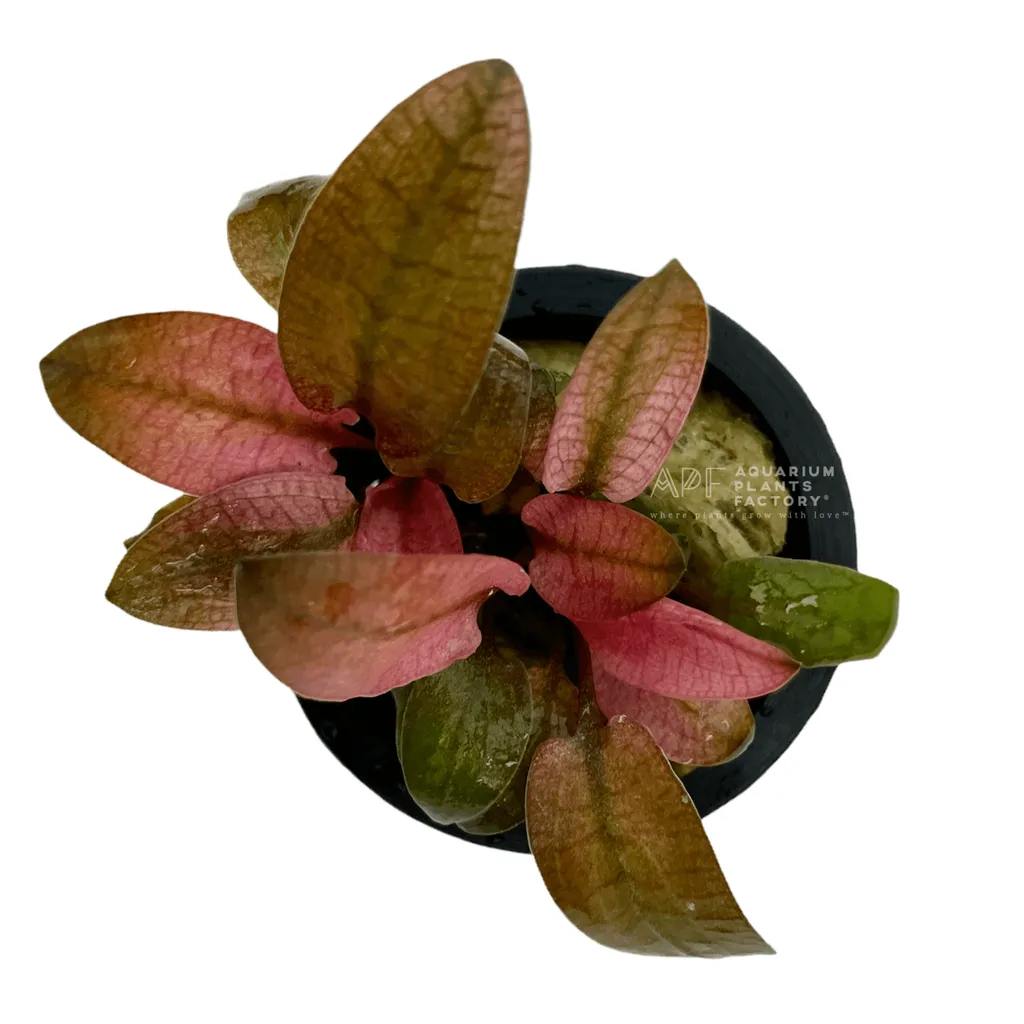 Low lightMidground5.9 in (15 cm)
Cryptocoryne Flamingo
Cryptocoryne wendtii 'Flamingo'
Low light · Midground
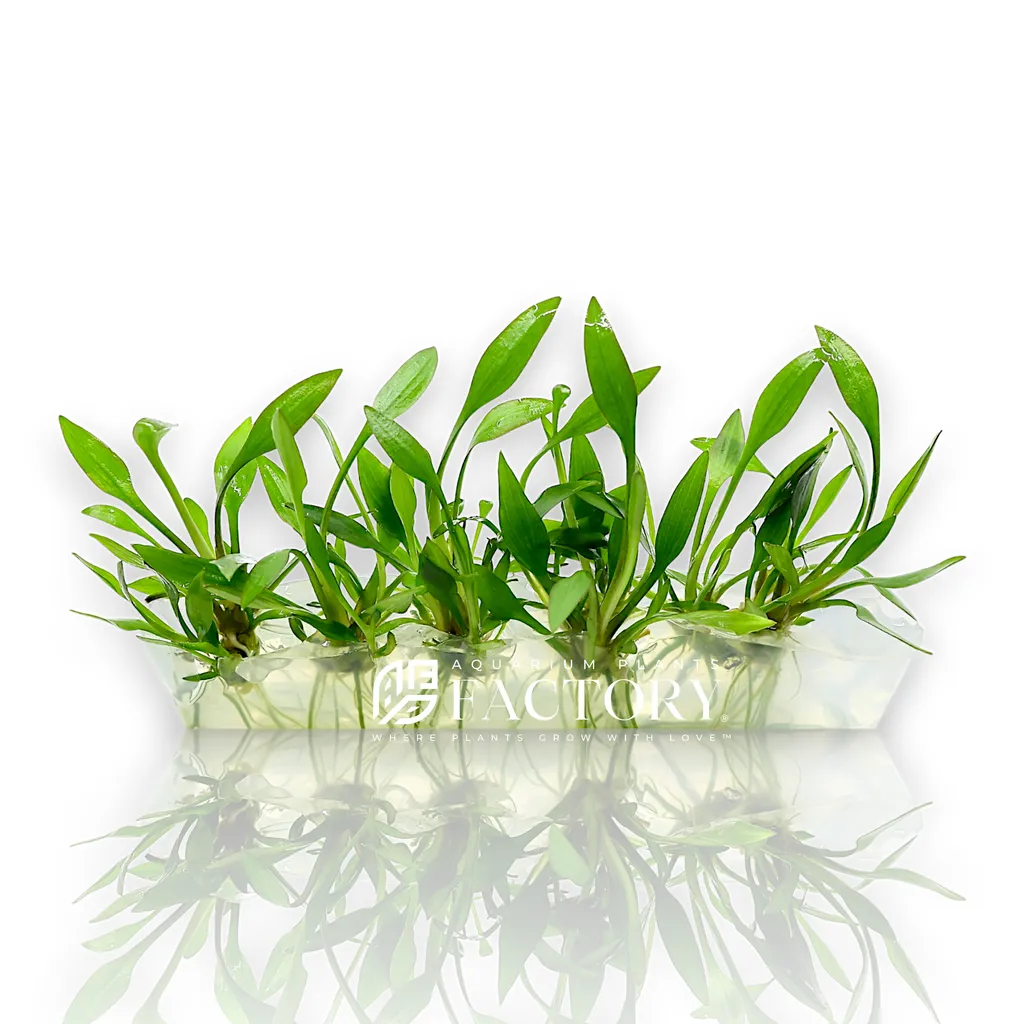 Low lightMidground5.9 in (15 cm)
Cryptocoryne walkeri Lutea
Cryptocoryne walkeri 'Lutea'
Low light · Midground
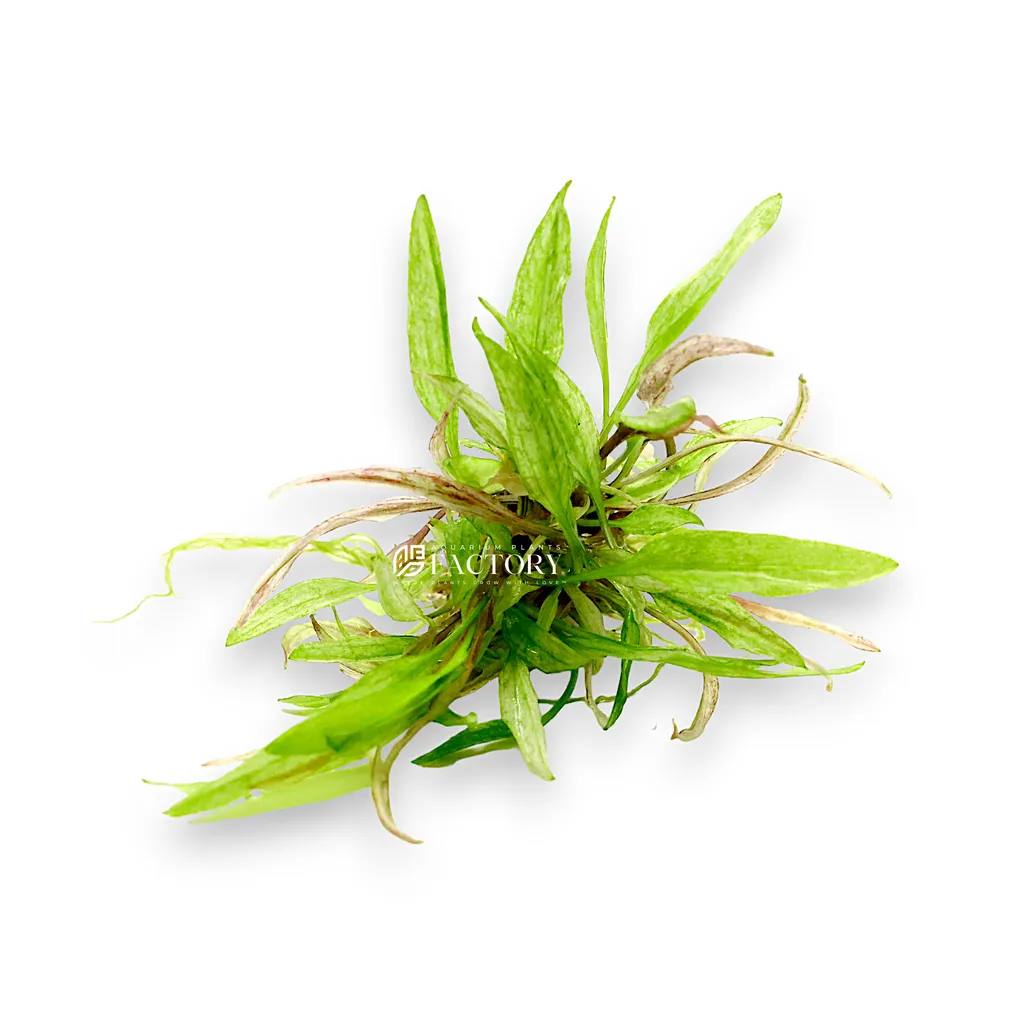 Low lightMidground5.9 in (15 cm)
Cryptocoryne wendtii Green Gecko
Cryptocoryne wendtii 'Green Gecko'
Low light · Midground
 Low lightMidground5.9 in (15 cm)
Cryptocoryne wendtii red
Cryptocoryne wendtii 'Red'
Low light · Midground
 Low lightMidground5.9 in (15 cm)
Cryptocoryne wendtii Tropica
Cryptocoryne wendtii 'Tropica'
Low light · Midground
- Low lightMidground5.9 in (15 cm)
Cryptocoryne keei
Low light · Midground