Sally Lightfoot crab
Percnon gibbesi
Also known as Nimble Spray Crab, Urchin Crab, Short Crab
SaltwaterCrab
Care at a glance
- Temperature
- 72–79°F
- 22–26°C
- pH
- 8.1–8.4
- Adult size
- 3.1 in
- 8 cm
- Minimum tank
- 30 gal
- 115 L
- Temperament
- Mostly peaceful
- Social behavior
- Solitary
- Tankmates
- With caution
- Swim level
- Bottom
- Diet
- Omnivore
- Difficulty
- Easy
- Breeding
- No record
- Rarity
- Common
- Reef safe
- Reef safe with caution
- Family
- Percnidae
- Origin
- Tropical Atlantic, from Florida and Bermuda south to Brazil, with a separate population along the eastern Pacific from California to Chile
Overview
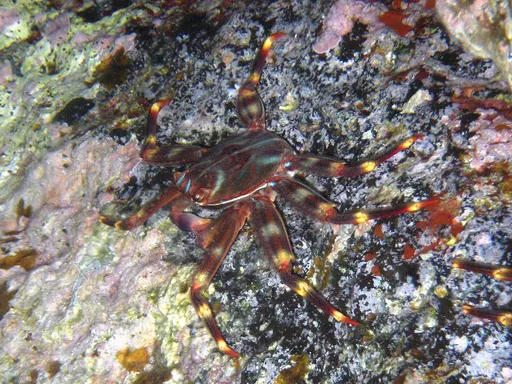
The Sally Lightfoot crab is a fast, active scavenger for the rockwork of a saltwater tank. It is easy to keep.
Did you know
The Sally Lightfoot crab is quick enough to dodge a hand reaching into the tank. It can scale glass or rockwork in a blink. That talent reflects its wild habit of skittering across wave-battered rocks, just out of reach of predators.
Caring for the Sally Lightfoot crab
Give a Sally Lightfoot crab at least 30 gal (115 L), with a large aquascape of rockwork and plenty of nooks to dart into. It is an accomplished climber and a determined escape artist, so a tight-fitting lid is essential.
Keep the water moving briskly, at 72 to 79°F (22 to 26°C) and a pH of 8.1 to 8.4. The crab spends its day darting over rock and glass, grazing algae and picking up detritus and leftover food. If the tank's algae growth cannot keep up with its appetite, feed dried seaweed and occasional meaty foods.
The Sally Lightfoot crab is mostly peaceful and solitary. Young crabs are almost entirely herbivorous and pose little risk to tank mates. As they mature they become more opportunistic, and they have been known to catch small, slow fish and pick off small or sleeping invertebrates. That habit gives it a reef safe with caution rating in a mixed reef.
Good to know
The Sally Lightfoot crab, Percnon gibbesi, is now placed in its own family, Percnidae. Molecular studies split it out after it had been grouped with the Grapsidae or Plagusiidae. Its flattened, disc-shaped carapace tops out around 3 cm across, but its long, spiny, spider-like legs reach well past that. The legs carry rows of small spines and yellow-ringed joints, and the body shows a mosaic of green, orange, red and blue markings.
In the wild
The Sally Lightfoot crab is native to the tropical Atlantic, from Florida and Bermuda south to Brazil. A separate population occurs along the eastern Pacific, from California to Chile. It lives among boulders, rubble and reef crevices in shallow water. Its fast, flat body is built for scurrying sideways across rock faces and squeezing into narrow cracks.
Common questions
What size tank does a Sally Lightfoot crab need?
A Sally Lightfoot crab needs at least 30 gal (115 L). It spends most of its time in the bottom.
What temperature and pH does a Sally Lightfoot crab need?
A Sally Lightfoot crab is comfortable at 72–79°F (22–26°C) with a pH of 8.1–8.4.
What does a Sally Lightfoot crab eat?
A Sally Lightfoot crab grazes algae and picks up detritus and leftover food. Feed it dried seaweed and occasional meaty foods if the tank's algae cannot keep up with its appetite.
How big does a Sally Lightfoot crab get?
An adult Sally Lightfoot crab reaches about 3.1 in (8 cm).
Related species
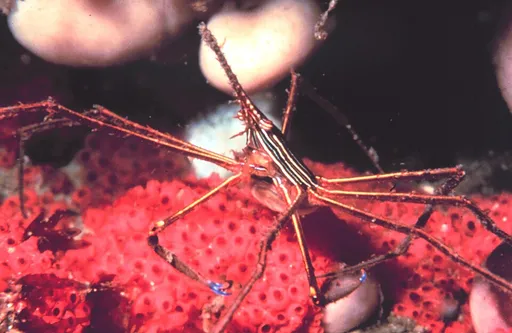 3.9 in (10 cm)30 gal (115 L)72–79°F (22–26°C)
Arrow crab
Stenorhynchus seticornis
3.9 in (10 cm) · 30 gal (115 L)
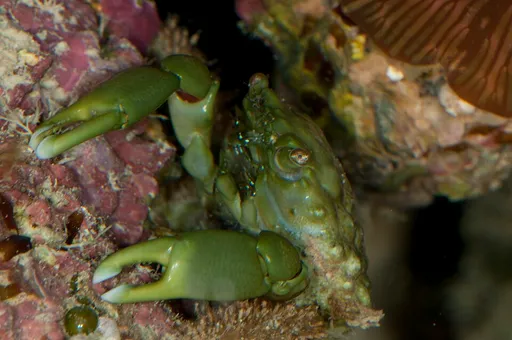 2.4 in (6 cm)11 gal (40 L)75–82°F (24–28°C)
Emerald crab
Mithraculus sculptus
2.4 in (6 cm) · 11 gal (40 L)
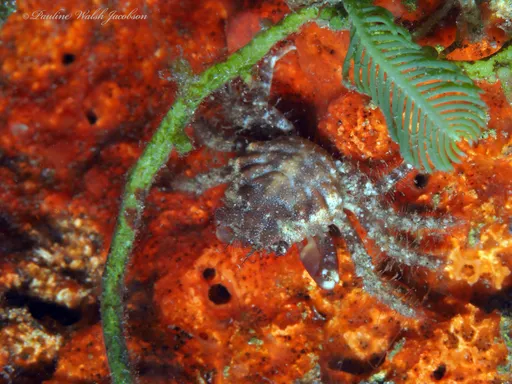 2 in (5 cm)11 gal (40 L)75–82°F (24–28°C)
Red mithrax crab
Mithraculus forceps
2 in (5 cm) · 11 gal (40 L)
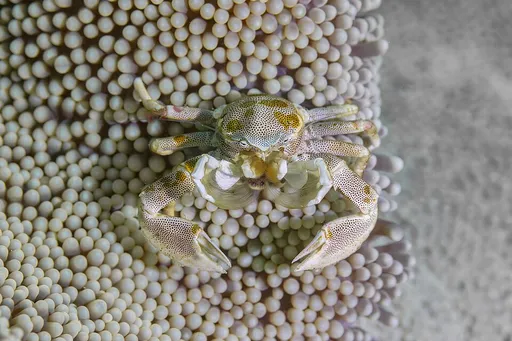 3 in (7.5 cm)11 gal (40 L)72–79°F (22–26°C)
Porcelain anemone crab
Neopetrolisthes maculatus
3 in (7.5 cm) · 11 gal (40 L)
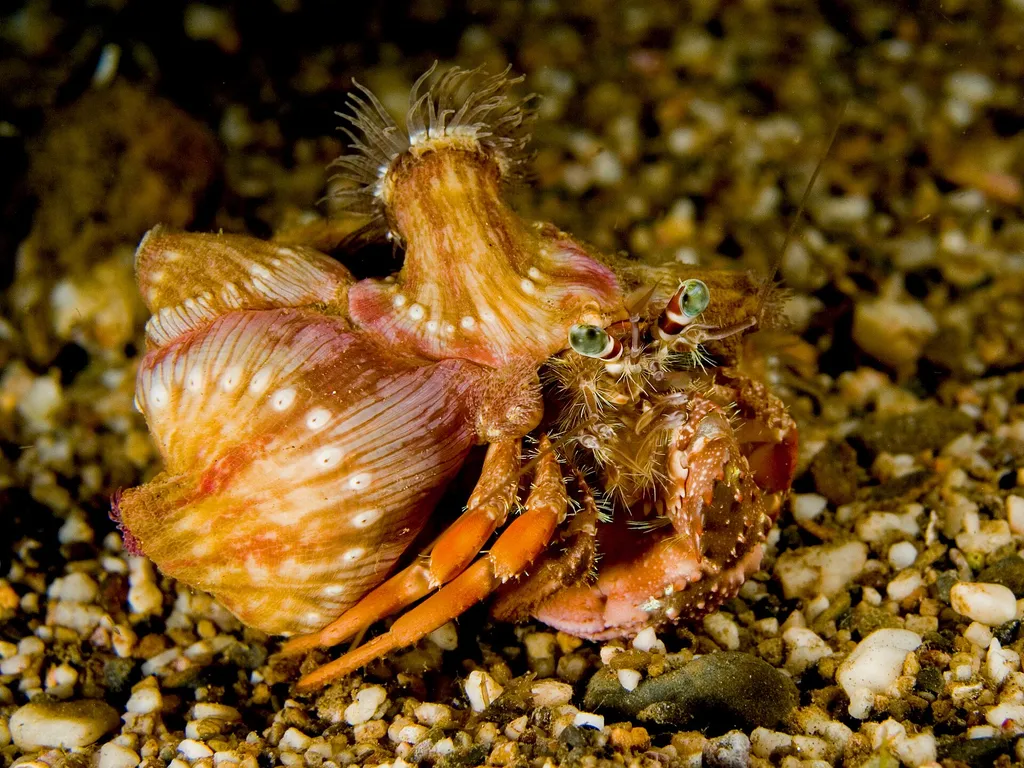 3.9 in (10 cm)40 gal (150 L)72–81°F (22–27°C)
Anemone hermit crab
Dardanus pedunculatus
3.9 in (10 cm) · 40 gal (150 L)
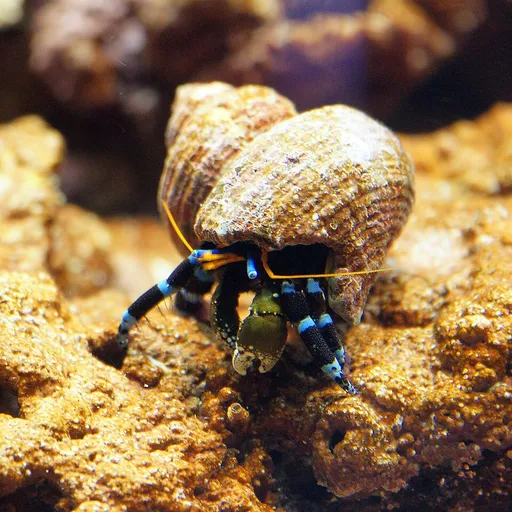 2 in (5 cm)20 gal (75 L)72–79°F (22–26°C)
Electric blue hermit crab
Calcinus elegans
2 in (5 cm) · 20 gal (75 L)