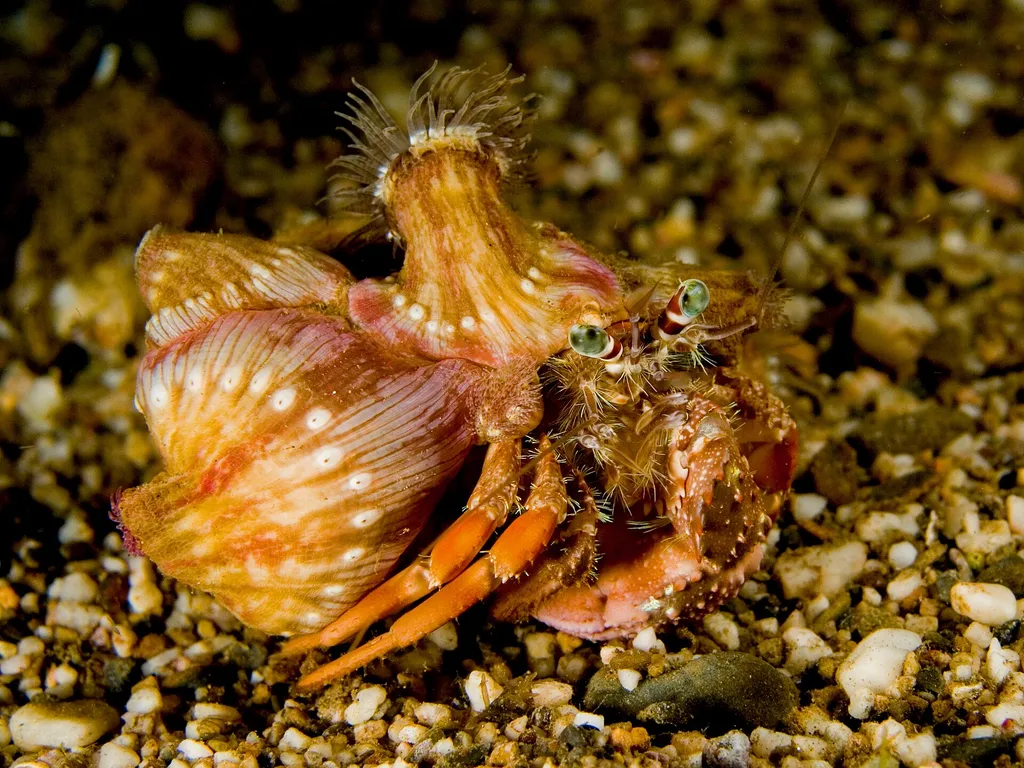
Anemone hermit crab
Dardanus pedunculatus
Also known as Hermit crab with anemone
SaltwaterCrab
Care at a glance
- Temperature
- 72–81°F
- 22–27°C
- pH
- 8.1–8.4
- Adult size
- 3.9 in
- 10 cm
- Minimum tank
- 40 gal
- 150 L
- Temperament
- Aggressive
- Social behavior
- Solitary
- Own kind
- One per tank
- Tankmates
- With caution
- Swim level
- Bottom
- Difficulty
- Easy
- Breeding
- No record
- Rarity
- Common
- Reef safe
- Not reef safe
- Family
- Diogenidae
- Origin
- Indo-Pacific, from East Africa and the Seychelles to Japan and Hawaii
Overview
An aggressive, active scavenger for a rough fish only or large predator tank, not a reef. It eats snails, small hermit crabs, tube worms, and any fish it can catch asleep on the sand, it knocks over frags and loose rock, and its anemones sting whatever they touch, so it gets a reef safe with caution verdict at best, though medium to large fish that stay off the bottom are fine company. Keep one per tank, since two will steal each other's anemones and fight over shells. Feed it meaty foods such as raw shrimp, clam, mussel, squid, and silversides two or three times a week, and remember the anemones need their own feeding of meaty bits to stay on the shell. Water at 22 to 27 C and pH 8.1 to 8.4 suits it.
In the wild
The anemone hermit crab lives on coral reefs, reef flats, and sandy lagoons across the Indo-Pacific, from East Africa and the Seychelles to Japan and Hawaii, from the intertidal down to about 95 m. It is a big, heavy hermit that drags a large snail shell, usually with one or more Calliactis anemones stuck to it. Give it a tank of 150 liters or more with a sand bed, stable rockwork it cannot topple, dim light, and a supply of large empty shells such as whelk and turban shells. Keep the water at 22 to 27 C, pH 8.1 to 8.4, and specific gravity 1.023 to 1.025.
Good to know
Dardanus pedunculatus is a left handed hermit crab in the family Diogenidae, described by Herbst in 1804 as Cancer pedunculatus. The body reaches about 10 cm, with a mottled tan and cream carapace, white eyestalks banded in red, and a left claw much larger than the right that it uses to seal the shell opening. Its trademark is the anemones it collects at night. It strokes and taps a Calliactis polypus until the anemone lets go of the rock, then sets it on its own shell, and when it moves to a bigger shell it moves the anemones too. The stinging tentacles put off octopus, its main predator, and the anemones get a ride and scraps from the crab's messy meals.
Did you know
The partnership has a hard edge. In a 2000 study at Shirahama, Japan, Imafuku and colleagues starved anemone hermit crabs and watched them pull their own Calliactis polypus anemones off the shell and eat them, and crabs kept in pairs also stripped anemones off their partner's shell. Feed the crab well and it protects its anemones; let it go hungry and they become its emergency rations.
Common questions
What size tank does an Anemone hermit crab need?
An Anemone hermit crab needs at least 40 gal (150 L). It spends most of its time in the bottom.
What temperature and pH does an Anemone hermit crab need?
An Anemone hermit crab is comfortable at 72–81°F (22–27°C) with a pH of 8.1–8.4.
How big does an Anemone hermit crab get?
An adult Anemone hermit crab reaches about 3.9 in (10 cm).
Related species
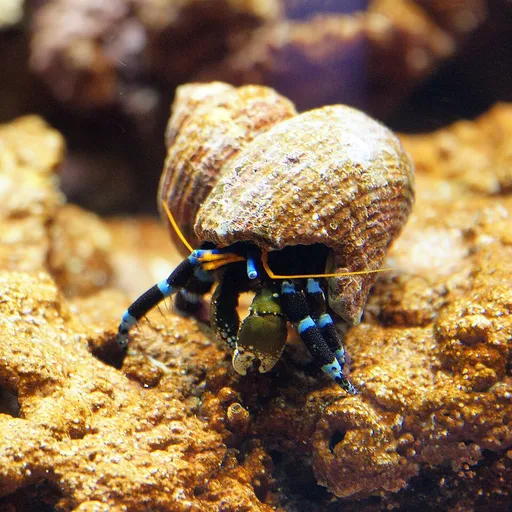 2 in (5 cm)20 gal (75 L)72–79°F (22–26°C)
Electric blue hermit crab
Calcinus elegans
2 in (5 cm) · 20 gal (75 L)
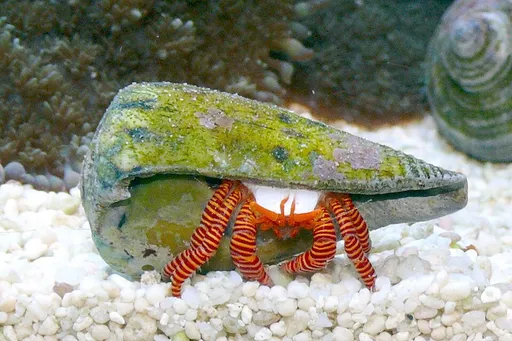 2 in (5 cm)20 gal (75 L)72–79°F (22–26°C)
Halloween hermit crab
Ciliopagurus strigatus
2 in (5 cm) · 20 gal (75 L)
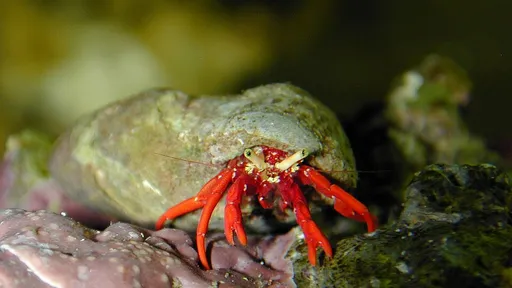 1.6 in (4 cm)11 gal (40 L)72–79°F (22–26°C)
Scarlet reef hermit crab
Paguristes cadenati
1.6 in (4 cm) · 11 gal (40 L)
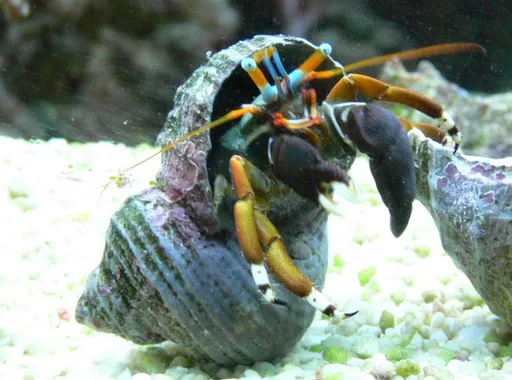 1.2 in (3 cm)20 gal (75 L)72–79°F (22–26°C)
Scarlet zebra hermit crab
Calcinus laevimanus
1.2 in (3 cm) · 20 gal (75 L)
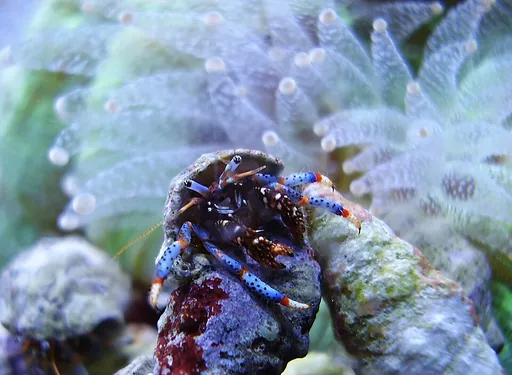 1 in (2.5 cm)11 gal (40 L)72–79°F (22–26°C)
Blue-leg hermit crab
Clibanarius tricolor
1 in (2.5 cm) · 11 gal (40 L)
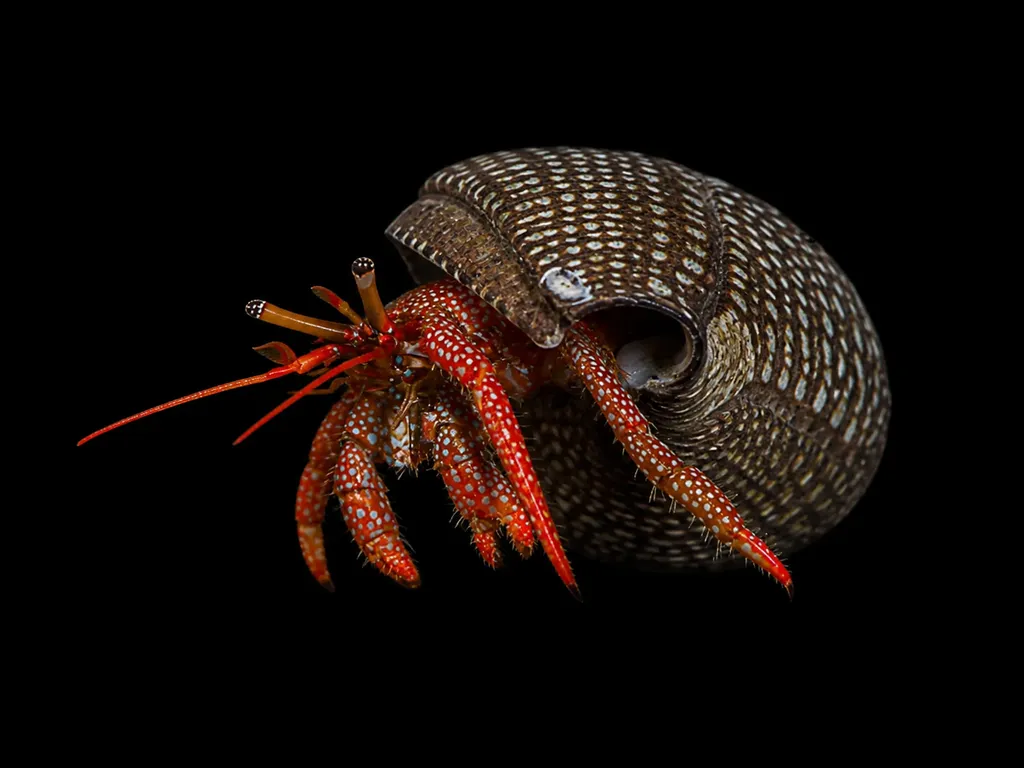 1 in (2.5 cm)11 gal (40 L)72–81°F (22–27°C)
Mexican red-leg hermit crab
Clibanarius digueti
1 in (2.5 cm) · 11 gal (40 L)