Porcelain anemone crab
Neopetrolisthes maculatus
Also known as Anemone Crab, Spotted Porcelain Crab, Dotted Anemone Crab
SaltwaterCrab
Care at a glance
- Temperature
- 72–79°F
- 22–26°C
- pH
- 8.1–8.4
- Adult size
- 3 in
- 7.5 cm
- Minimum tank
- 11 gal
- 40 L
- Temperament
- Peaceful
- Social behavior
- Solitary
- Swim level
- Bottom
- Difficulty
- Easy
- Breeding
- No record
- Rarity
- Common
- Reef safe
- Reef safe
- Family
- Porcellanidae
- Origin
- Indo-Pacific, from East Africa across to the central Pacific, north to southern Japan and south to Australia
Overview
A peaceful filter feeder that uses fan-like, bristled mouthparts to sweep plankton and fine particles out of the water column, an unusual feeding method for a crab. Home aquariums rarely carry enough drifting plankton to sustain it on their own, so it needs supplemental feedings of baby brine shrimp, fine frozen foods, or dissolved prepared foods released near its fans. It poses no threat to corals and is reef-safe, but it is territorial toward its own kind, so it is usually kept as a single bonded pair on one host anemone rather than in a crowd. Keep it paired with a suitable host anemone for the best results.
In the wild
Lives across the Indo-Pacific from East Africa to the central Pacific, north to southern Japan and south to Australia, always in close association with a host sea anemone on shallow reef. It shelters among the anemone's stinging tentacles, which keep most predators away, and rarely strays more than a body length from its host. In the aquarium it needs a suitable host anemone, such as a carpet or sand anemone, to feel secure; without one it has little defense against fish.
Good to know
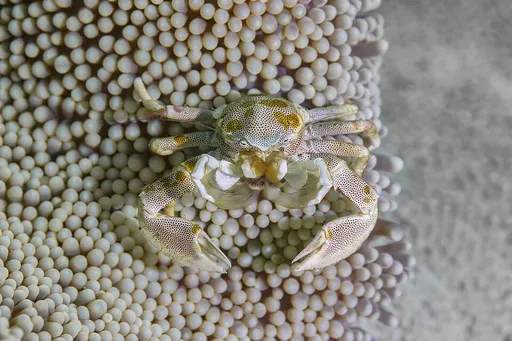
Neopetrolisthes maculatus is a porcelain crab in the family Porcellanidae, a group of anomurans more closely related to hermit crabs and squat lobsters than to true crabs. Its round, flattened, porcelain-white carapace is dotted with small orange to red spots, and its oversized claws are used purely for defense and territorial display rather than for feeding. Adults reach roughly 6 to 7.5 cm across including the legs, with the carapace itself closer to 2.5 cm.
Did you know
Watching it feed is the real draw: it waves its two feathery fan-arms through the current like a pair of nets, then folds them in and picks the catch clean with its mouthparts.
Symbiotic relationships
Shrimp and crabs that live in anemones
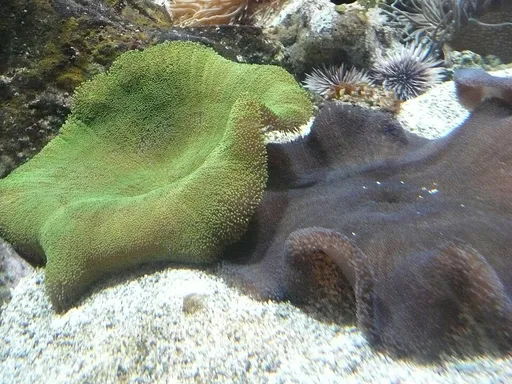
Several small crustaceans live where almost nothing else can: among the tentacles of an anemone. Sexy shrimp perch in the tentacles in a cluster, bobbing their tails in the display that named them. The white-spot anemone shrimp is near transparent apart from its spots and lives on carpet anemones. The porcelain anemone crab sits at the anemone's edge and filters plankton from the water with two fan-like arms. Pederson's cleaner shrimp lives in the Caribbean corkscrew anemone and cleans fish from there. In every case the anemone is a bodyguard: its sting keeps off the small fish that would eat the shrimp. The anemone gains little, and the white-spot shrimp will nibble its host's tentacles when it is hungry.
Give each of them its anemone. Sexy shrimp take a rock flower anemone, a bubble tip or a carpet. The white-spot shrimp and the porcelain crab want a carpet anemone or a long tentacle anemone, both of which need a mature tank at the tank size their profiles list. Pederson's shrimp wants a corkscrew anemone or a condy. Without a host they perch on a coral or hide in the rock and are picked off by any fish that eats shrimp, so they suit a peaceful nano reef. A clownfish will evict them from an anemone it has claimed.
Haddon's carpet anemone
Stichodactyla haddoni
Saltwater33.5 in (85 cm) · 53 gal (200 L)75–81°F (24–27°C)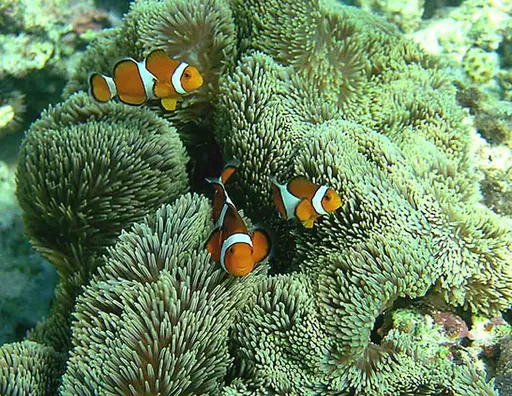
Gigantea carpet anemone
Stichodactyla gigantea
Saltwater19.7 in (50 cm) · 53 gal (200 L)75–81°F (24–27°C)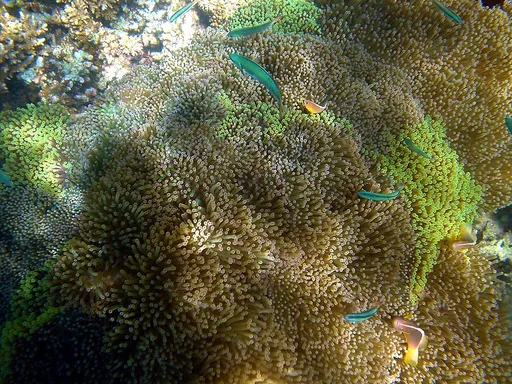
Mertens' carpet anemone
Stichodactyla mertensii
Saltwater35.4 in (90 cm) · 53 gal (200 L)75–81°F (24–27°C)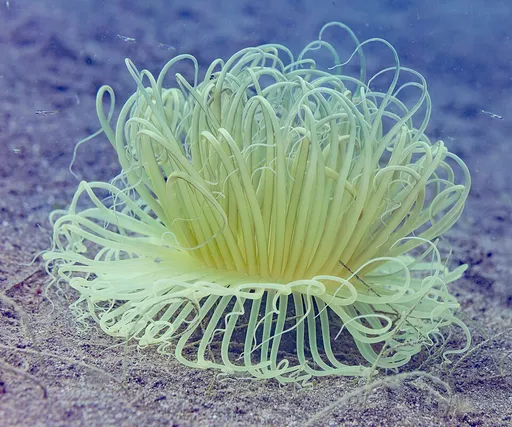
Long tentacle anemone
Macrodactyla doreensis
Saltwater15.7 in (40 cm) · 40 gal (150 L)75–81°F (24–27°C)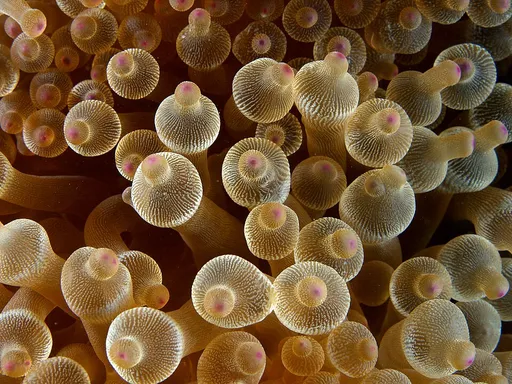
Bubble tip anemone
Entacmaea quadricolor
Saltwater11.8 in (30 cm) · 30 gal (115 L)75–81°F (24–27°C)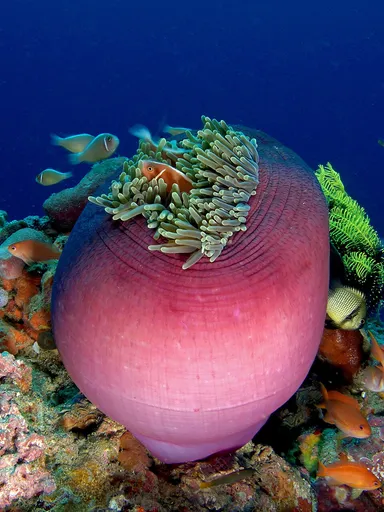
Magnificent anemone
Heteractis magnifica
Saltwater19.7 in (50 cm) · 53 gal (200 L)75–81°F (24–27°C)
Common questions
What size tank does a Porcelain anemone crab need?
A Porcelain anemone crab needs at least 11 gal (40 L). It spends most of its time in the bottom.
What temperature and pH does a Porcelain anemone crab need?
A Porcelain anemone crab is comfortable at 72–79°F (22–26°C) with a pH of 8.1–8.4.
How big does a Porcelain anemone crab get?
An adult Porcelain anemone crab reaches about 3 in (7.5 cm).
Related species
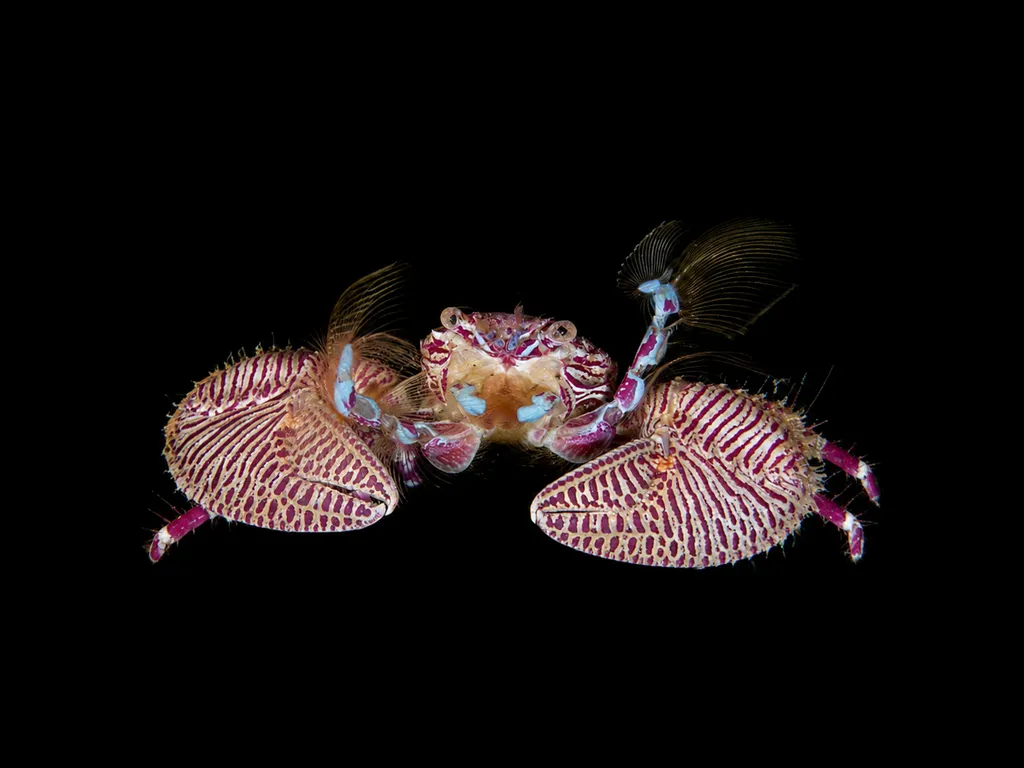 0.8 in (2 cm)11 gal (40 L)72–82°F (22–28°C)
Purple zebra porcelain crab
Petrolisthes bolivarensis
0.8 in (2 cm) · 11 gal (40 L)
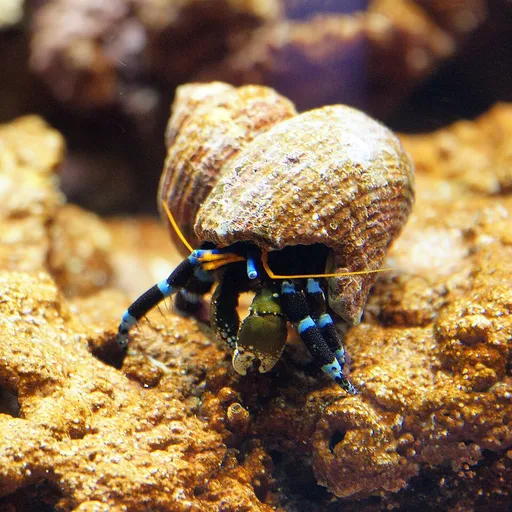 2 in (5 cm)20 gal (75 L)72–79°F (22–26°C)
Electric blue hermit crab
Calcinus elegans
2 in (5 cm) · 20 gal (75 L)
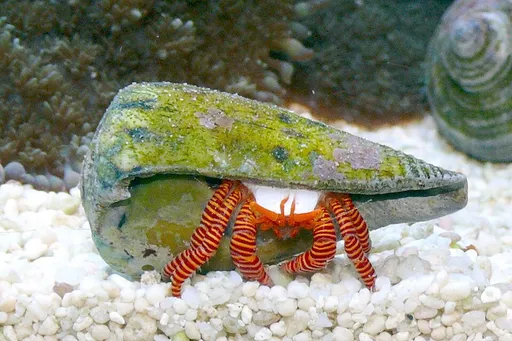 2 in (5 cm)20 gal (75 L)72–79°F (22–26°C)
Halloween hermit crab
Ciliopagurus strigatus
2 in (5 cm) · 20 gal (75 L)
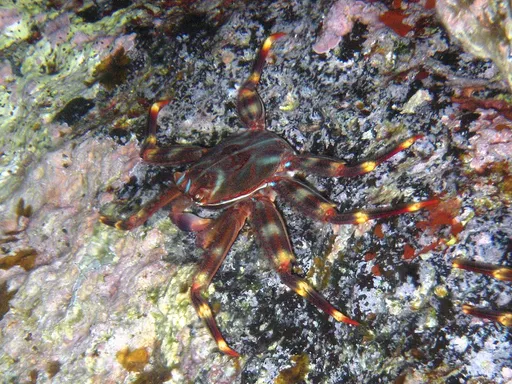 3.1 in (8 cm)30 gal (115 L)72–79°F (22–26°C)
Sally Lightfoot crab
Percnon gibbesi
3.1 in (8 cm) · 30 gal (115 L)
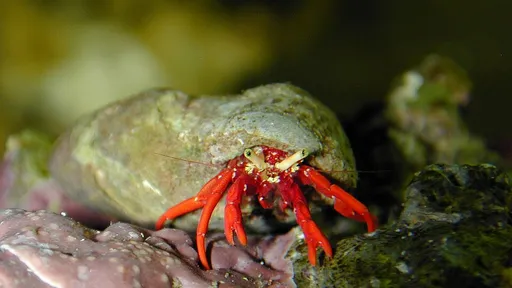 1.6 in (4 cm)11 gal (40 L)72–79°F (22–26°C)
Scarlet reef hermit crab
Paguristes cadenati
1.6 in (4 cm) · 11 gal (40 L)
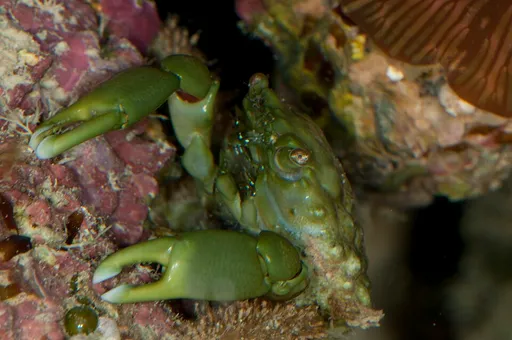 2.4 in (6 cm)11 gal (40 L)75–82°F (24–28°C)
Emerald crab
Mithraculus sculptus
2.4 in (6 cm) · 11 gal (40 L)