Marble shrimp
Saron marmoratus
Also known as Saron Shrimp, Common Marble Shrimp, Monkey Shrimp
SaltwaterShrimp
Care at a glance
- Temperature
- 75–81°F
- 24–27°C
- pH
- 8.1–8.4
- Adult size
- 2 in
- 5 cm
- Minimum tank
- 11 gal
- 40 L
- Temperament
- Peaceful
- Social behavior
- Solitary
- Tankmates
- With caution
- Swim level
- Bottom
- Diet
- Omnivore
- Difficulty
- Easy
- Breeding
- No record
- Rarity
- Common
- Reef safe
- Reef safe with caution
- Family
- Hippolytidae
- Origin
- Indo-Pacific (Red Sea to Hawaii)
Overview
The marble shrimp is a shy, nocturnal shrimp for the rockwork of a saltwater tank. It is easy to keep, but it is a risky choice for a coral reef.
Did you know
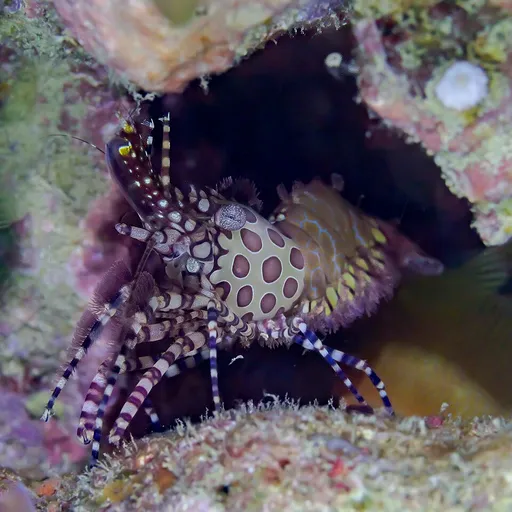
The marble shrimp's day to night color change is a real camouflage switch, not a trick of aquarium lighting. By day it is brown with green flecks, and after dark it turns deep red to blend into shadow while it forages.
Caring for the marble shrimp
Give a marble shrimp at least 11 gal (40 L), with rockwork full of dark hiding spots. It is nocturnal and shy at first, and it needs a dark hide to settle into. Once settled, it spends the day in the rock and wanders the tank after lights out.
Keep the water at 75 to 81°F (24 to 27°C) with a pH of 8.1 to 8.4. It is an opportunistic omnivore, so give it enough meaty food. A tank with pods to hunt at night also helps keep it fed.
Its rating is reef safe with caution, and many keepers find it closer to not reef safe. A hungry shrimp may pick at coral polyps, zoanthids and clam mantles if it decides they are food. It is a solitary shrimp, peaceful toward fish and usually left alone by tank mates. Females are the hairier sex, with denser setae than males.
Good to know
The marble shrimp belongs to the family Hippolytidae and also goes by Saron shrimp. It is named for its mottled, marbled coloring, which runs red, blue or brown depending on the individual. Hairy-looking tufts of setae along its back and legs give it the nickname monkey shrimp. It has a hunched body and long, spiny antennae.
In the wild
Marble shrimp range across the Indo-Pacific, from the Red Sea and East Africa to Australia and Hawaii. The range takes in the Persian Gulf, India and Southeast Asia, with occasional records from the Mediterranean. They live in coral rubble in lagoons and on reef flats, from the shallows down to about 37 m.
Common questions
What size tank does a marble shrimp need?
A marble shrimp needs at least 11 gal (40 L). It spends most of its time in the bottom.
What temperature and pH does a marble shrimp need?
A marble shrimp is comfortable at 75–81°F (24–27°C) with a pH of 8.1–8.4.
What does a marble shrimp eat?
A marble shrimp is an opportunistic omnivore that needs enough meaty food. It also hunts pods at night, and a hungry one may pick at coral polyps, zoanthids and clam mantles.
How big does a marble shrimp get?
An adult marble shrimp reaches about 2 in (5 cm).
How can you tell a male marble shrimp from a female?
Female marble shrimp have denser setae than males, so they look hairier.
Related species
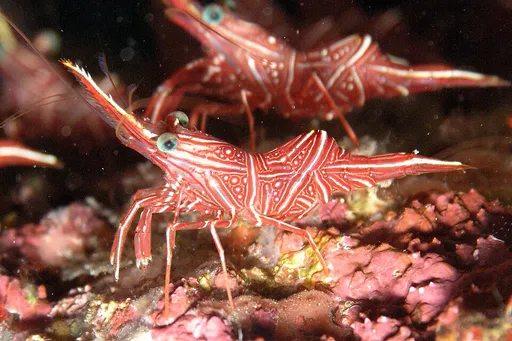 2 in (5 cm)16 gal (60 L)75–81°F (24–27°C)
Camel / dancing shrimp
Rhynchocinetes durbanensis
2 in (5 cm) · 16 gal (60 L)
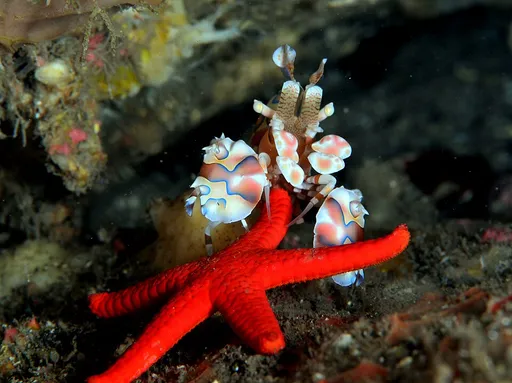 2 in (5 cm)11 gal (40 L)75–81°F (24–27°C)
Harlequin shrimp
Hymenocera picta
2 in (5 cm) · 11 gal (40 L)
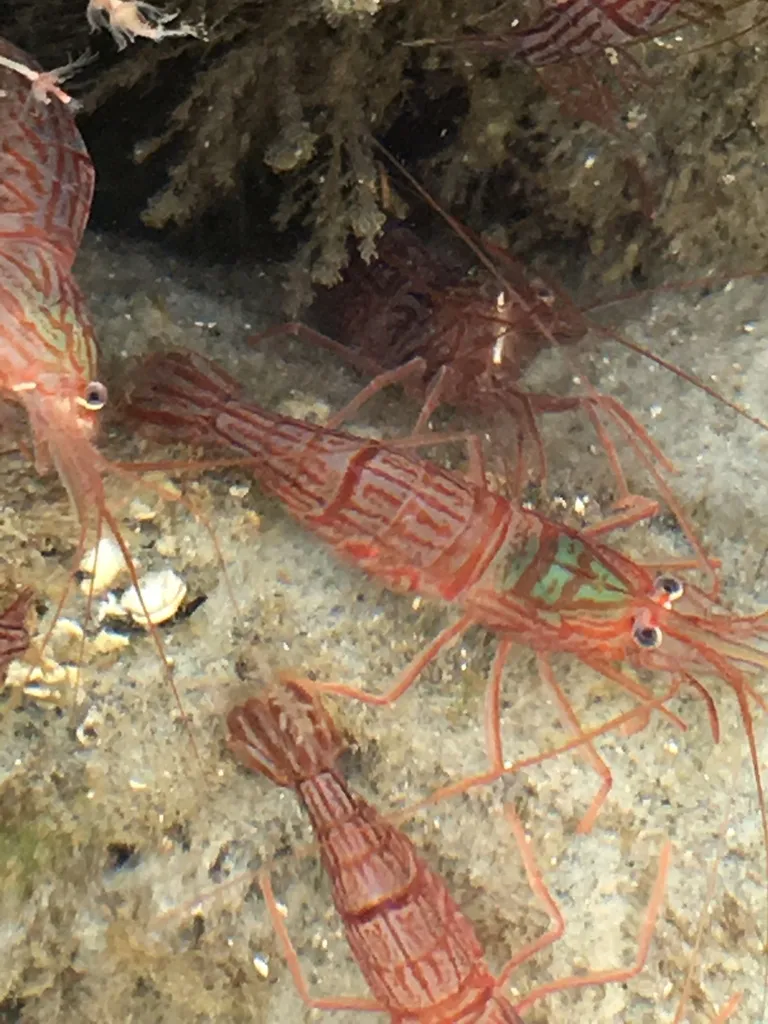 2 in (5 cm)11 gal (40 L)72–81°F (22–27°C)
Peppermint shrimp
Lysmata wurdemanni
2 in (5 cm) · 11 gal (40 L)
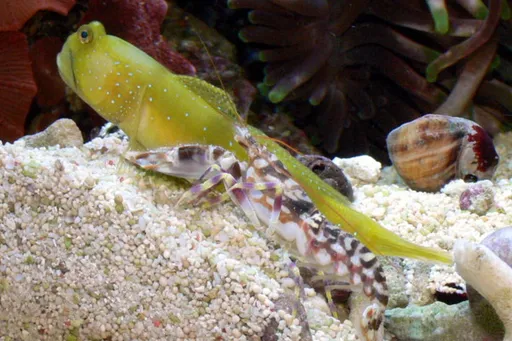 2 in (5 cm)11 gal (40 L)75–81°F (24–27°C)
Tiger pistol shrimp
Alpheus bellulus
2 in (5 cm) · 11 gal (40 L)
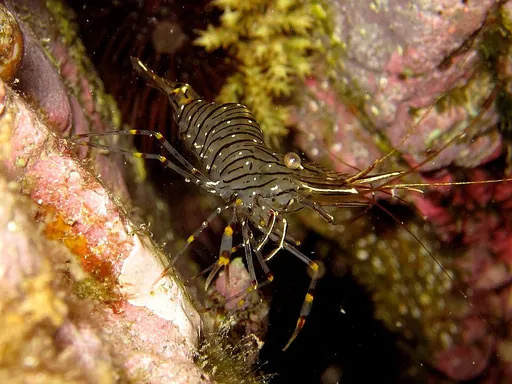 2.4 in (6 cm)11 gal (40 L)61–79°F (16–26°C)
Elegant rockpool shrimp
Palaemon elegans
2.4 in (6 cm) · 11 gal (40 L)
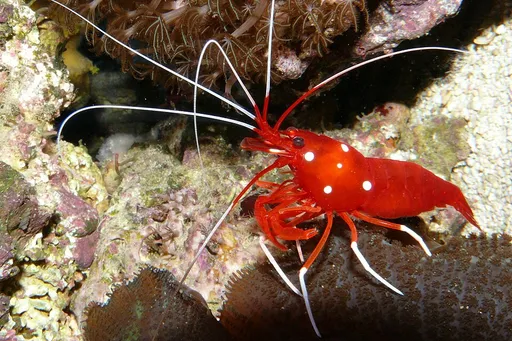 2.4 in (6 cm)20 gal (75 L)72–79°F (22–26°C)
Fire shrimp
Lysmata debelius
2.4 in (6 cm) · 20 gal (75 L)