Regal angelfish
Pygoplites diacanthus
Also known as Royal Angelfish, Royal Empress Angelfish
SaltwaterFish
Care at a glance
- Temperature
- 73–81°F
- 23–27°C
- pH
- 8.1–8.4
- Adult size
- 9.8 in
- 25 cm
- Minimum tank
- 124 gal
- 470 L
- Temperament
- Mostly peaceful
- Social behavior
- Solitary
- Own kind
- One male per tank
- Swim level
- Middle
- Difficulty
- Difficult
- Breeding
- Hard
- Rarity
- Common
- Reef safe
- Reef safe with caution
- Family
- Pomacanthidae
- Origin
- Indo-Pacific, from the Red Sea and East Africa to the Tuamotu Islands, north to the Ryukyu Islands, south to the Great Barrier Reef
Overview
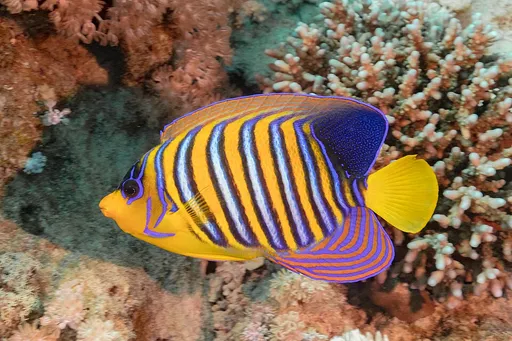
Regal angelfish are not especially aggressive, but they are notoriously hard to keep fed: wild adults often refuse standard aquarium foods and can starve before they adapt, so many keepers insist on watching one eat in the store before buying. Offer sponge-based angelfish preparations and live foods like mysis to start, in a large, mature tank with strong algae growth. Reef keepers should treat this one with caution: some individuals leave corals alone, but others nip at large-polyp stony corals, zoanthids, and clam mantles, so it is safer in a fish-only or FOWLR system than a prized reef.
In the wild
Regal angelfish have one of the widest ranges of any angelfish, spanning the Indo-Pacific from the Red Sea and East Africa to the Tuamotu Islands, living on lagoon and seaward reefs near caves from the surface to 48 meters or deeper. In the wild they graze almost exclusively on sponges and tunicates growing on the reef. A tank needs to be large and thoroughly mature, with established algae and sponge growth on the rock, since this species depends on food sources that take a long time to build up in a new aquarium.
Good to know
Pygoplites diacanthus is the only species in its genus. It grows to about 25 cm and can live 15 years or more, with an orange body wrapped in electric blue diagonal bands and a blue-ringed, eye-like marking on the soft dorsal fin. Unlike the large Pomacanthus angels, the juvenile pattern is close to the adult's, so there is no dramatic color change to track as it grows.
Did you know
A Bali-based angelfish hatchery produced the first captive-bred regal angelfish in 2019, and those tank-raised fish take pellets and frozen food right away, sidestepping the feeding standoffs that make wild-caught adults such a gamble.
Weekly picks
Tank mates
Regal angelfish is a mostly peaceful, solitary species that keeps to the middle. Keep only one male per tank. These picks share a community profile with it, are safe together in both directions, and overlap on water type, temperature and pH.
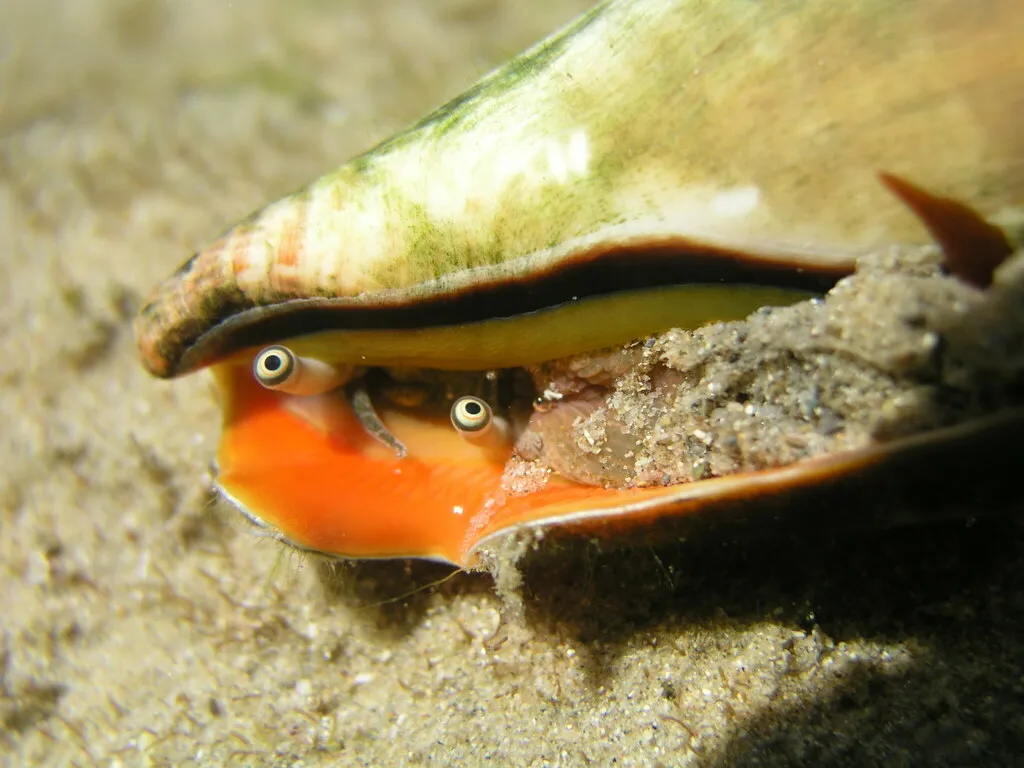
Tiger / strawberry conch
Conomurex luhuanus
Saltwater2.8 in (7 cm) · 20 gal (75 L)75–81°F (24–27°C)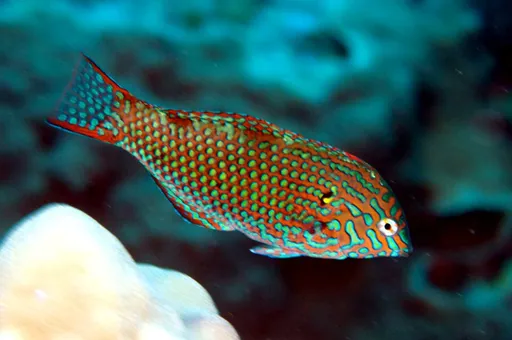
Leopard wrasse
Macropharyngodon meleagris
Saltwater5.9 in (15 cm) · 90 gal (340 L)72–79°F (22–26°C)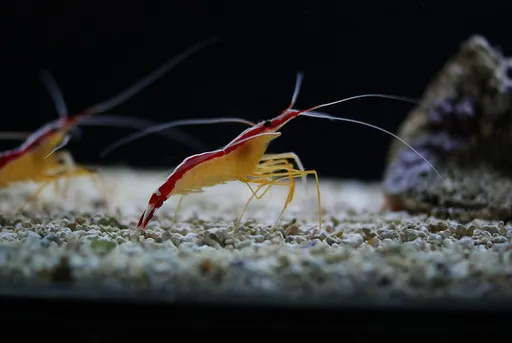
Skunk cleaner shrimp
Lysmata amboinensis
Saltwater2.4 in (6 cm) · 20 gal (75 L)73–81°F (23–27°C)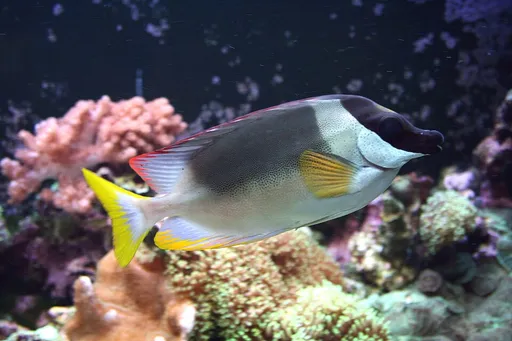
Magnificent foxface
Siganus magnificus
Saltwater9.1 in (23 cm) · 124 gal (470 L)75–81°F (24–27°C)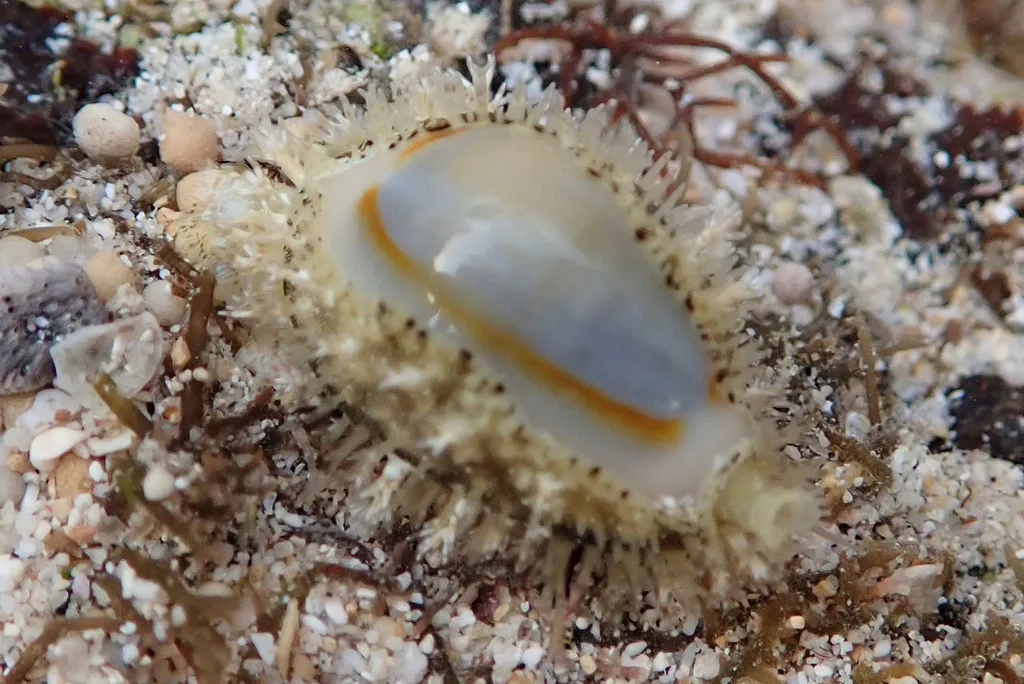
Ring cowrie
Monetaria annulus
Saltwater1.2 in (3 cm) · 20 gal (75 L)75–81°F (24–27°C)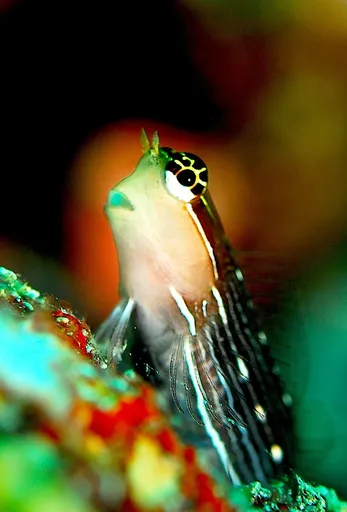
Pictus blenny
Ecsenius pictus
Saltwater2 in (5 cm) · 20 gal (75 L)73–81°F (23–27°C)
Common questions
What size tank does a Regal angelfish need?
A Regal angelfish needs at least 124 gal (470 L). It spends most of its time in the middle.
What temperature and pH does a Regal angelfish need?
A Regal angelfish is comfortable at 73–81°F (23–27°C) with a pH of 8.1–8.4.
How big does a Regal angelfish get?
An adult Regal angelfish reaches about 9.8 in (25 cm).
Related species
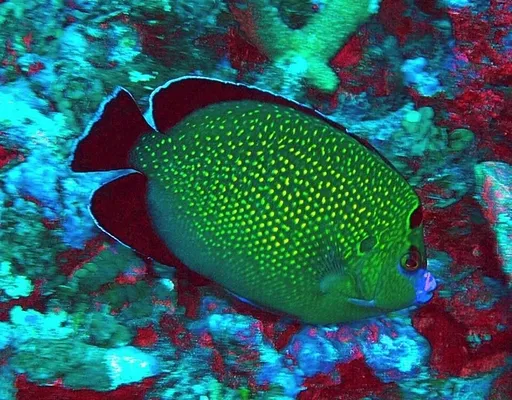
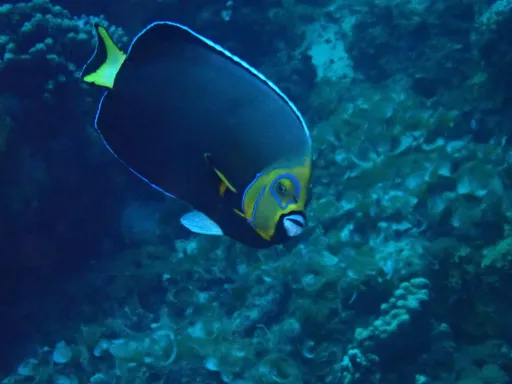 9.8 in (25 cm)198 gal (750 L)72–79°F (22–26°C)
Conspicuous angelfish
Chaetodontoplus conspicillatus
9.8 in (25 cm) · 198 gal (750 L)
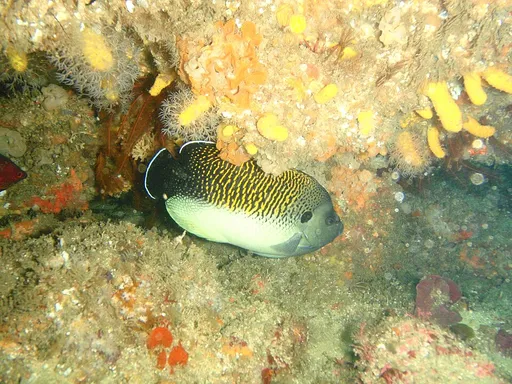
 9.8 in (25 cm)125 gal (475 L)73–81°F (23–27°C)
Goldflake angelfish
Apolemichthys xanthopunctatus
9.8 in (25 cm) · 125 gal (475 L)
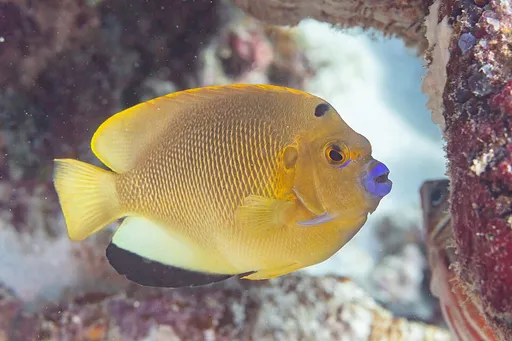
 9.8 in (25 cm)151 gal (570 L)72–79°F (22–26°C)
Tiger angelfish
Apolemichthys kingi
9.8 in (25 cm) · 151 gal (570 L)
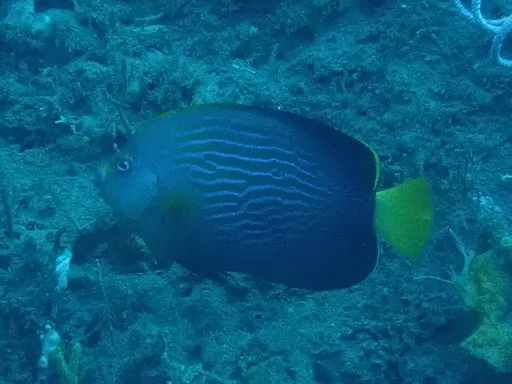
 10.2 in (26 cm)100 gal (380 L)73–81°F (23–27°C)
Flagfin angelfish
Apolemichthys trimaculatus
10.2 in (26 cm) · 100 gal (380 L)
 11 in (28 cm)251 gal (950 L)72–79°F (22–26°C)
Maze angelfish
Chaetodontoplus cephalareticulatus
11 in (28 cm) · 251 gal (950 L)
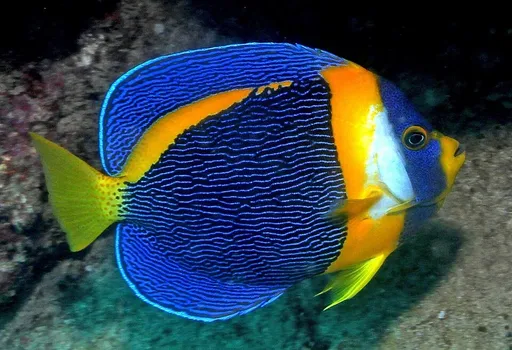 11 in (28 cm)180 gal (680 L)72–79°F (22–26°C)
Scribbled angelfish
Chaetodontoplus duboulayi
11 in (28 cm) · 180 gal (680 L)