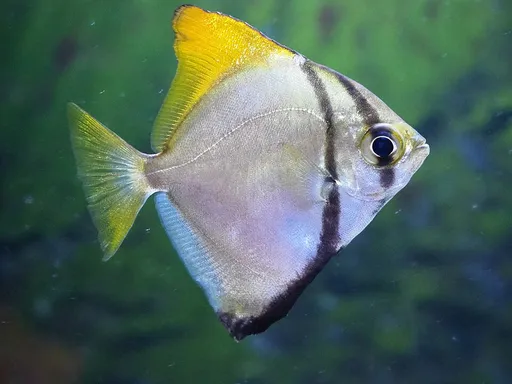
Silver mono
Monodactylus argenteus
Also known as Silver moony, Mono argentus, Fingerfish, Malayan angel
BrackishSaltwaterFish
Care at a glance
- Temperature
- 75–82°F
- 24–28°C
- pH
- 7.5–8.5
- Adult size
- 9.8 in
- 25 cm
- Minimum tank
- 106 gal
- 400 L
- Temperament
- Mostly peaceful
- Social behavior
- Schooling
- Swim level
- Middle
- Difficulty
- Difficult
- Breeding
- Hard
- Rarity
- Common
- Reef safe
- Not reef safe
- Family
- Monodactylidae
- Origin
- Indo-Pacific coastal waters, estuaries, and mangroves from East Africa to the western Pacific
Overview
Keep them in a shoal of at least five or six, since lone or paired monos turn skittish and nippy and a proper group settles them down. That group of large, active fish needs a big tank, on the order of 400 liters or more with a long footprint. They swim in the middle and upper water column and are mostly peaceful, but adults get pushy and will nip slower or smaller tankmates, so pair them only with robust brackish company like scats, archers, and larger brackish gobies. Hold the water alkaline and hard at a pH of 7.5 to 8.5 and 24 to 28 C, and raise salinity gradually as they grow rather than in sudden jumps. Feed them as omnivores with a mix of meaty frozen foods and plenty of greens, since a veg-poor diet causes problems over time.
In the wild
Silver monos live in coastal estuaries, harbours, and mangrove creeks across the Indo-Pacific, from East Africa to the western Pacific, where salinity rises and falls with the tide. This is the key to keeping them: the salt requirement climbs as the fish ages. Small juveniles do fine in low-end brackish around 1.005 to 1.010 specific gravity, but adults want high brackish to near-marine water, roughly 1.018 and up, so plan for a system that can hold marine-grade salinity down the line. Give them a large, open, well-filtered tank with alkaline, mineral-rich water at a pH of 7.5 to 8.5 and a temperature of 24 to 28 C. These are big, fast, deep-bodied swimmers, so length and volume matter more than decor.
Good to know
This is a deep, disc-shaped fish in the family Monodactylidae, reaching about 25 cm in captivity. It is euryhaline, meaning it handles a wide salinity range, but it does not stay in freshwater long-term the way the trade sometimes implies. Spawning is pelagic in the wild and effectively does not happen in home aquaria, so nearly all fish are wild-caught estuarine juveniles.
Did you know
They are one of the classic estuary fish that walks the line between fresh, brackish, and marine over a single lifetime. Shops often sell tiny juveniles sitting in nearly fresh water, which makes them look like an easy community fish, but keeping one to adulthood means slowly turning a freshwater tank into what is essentially a marine one.
Weekly picks
Tank mates
Silver mono is a mostly peaceful, schooling species that keeps to the middle. These picks share a community profile with it, are safe together in both directions, and overlap on water type, temperature and pH.
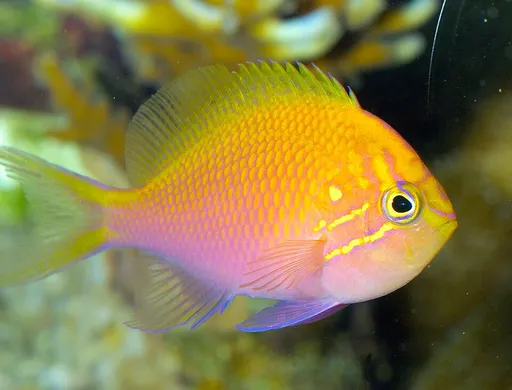
Sunburst anthias
Serranocirrhitus latus
Saltwater5.1 in (13 cm) · 70 gal (265 L)72–81°F (22–27°C)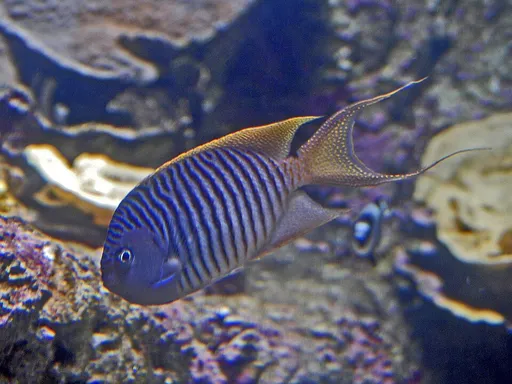
Swallowtail angelfish
Genicanthus melanospilos
Saltwater7.1 in (18 cm) · 106 gal (400 L)72–79°F (22–26°C)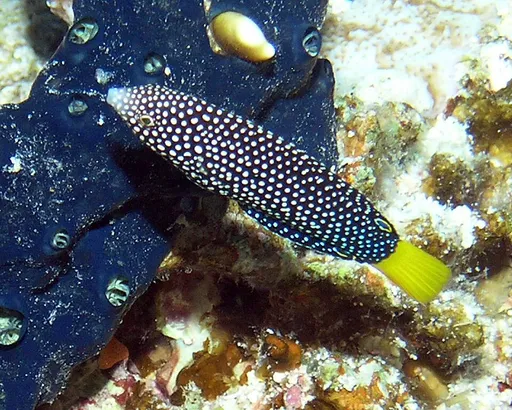
Yellowtail tamarin wrasse
Anampses meleagrides
Saltwater8.7 in (22 cm) · 90 gal (340 L)73–81°F (23–27°C)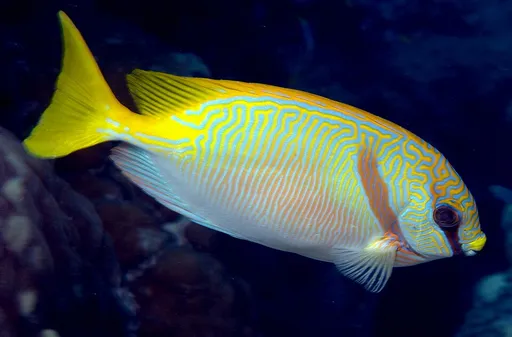
Barred rabbitfish
Siganus doliatus
Saltwater9.8 in (25 cm) · 106 gal (400 L)75–81°F (24–27°C)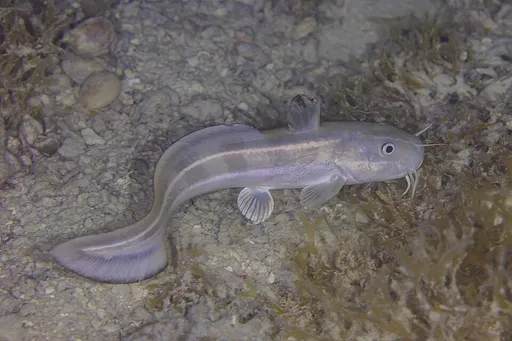
Striped eel catfish
Plotosus lineatus
Saltwater12.6 in (32 cm) · 106 gal (400 L)75–82°F (24–28°C)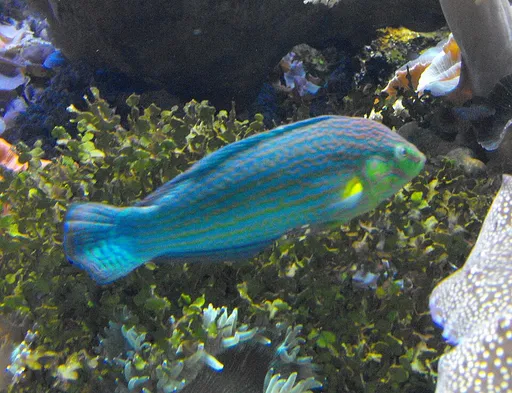
Melanurus wrasse
Halichoeres melanurus
Saltwater5.5 in (14 cm) · 100 gal (380 L)72–79°F (22–26°C)
Common questions
What size tank does a Silver mono need?
A Silver mono needs at least 106 gal (400 L). It spends most of its time in the middle.
What temperature and pH does a Silver mono need?
A Silver mono is comfortable at 75–82°F (24–28°C) with a pH of 7.5–8.5.
How big does a Silver mono get?
An adult Silver mono reaches about 9.8 in (25 cm).
Does a Silver mono need a group?
Yes. A Silver mono is a schooling species and should be kept in a group, not singly.
Related species
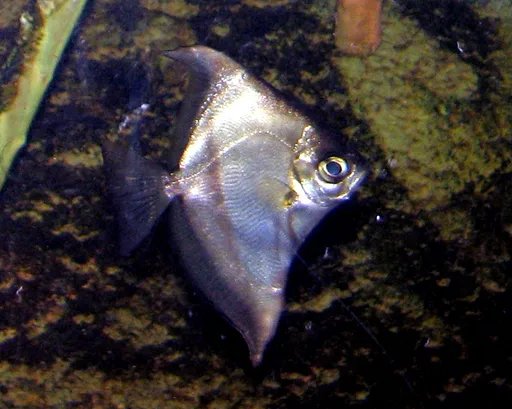 7.9 in (20 cm)119 gal (450 L)75–82°F (24–28°C)
Sebae mono
Monodactylus sebae
7.9 in (20 cm) · 119 gal (450 L)
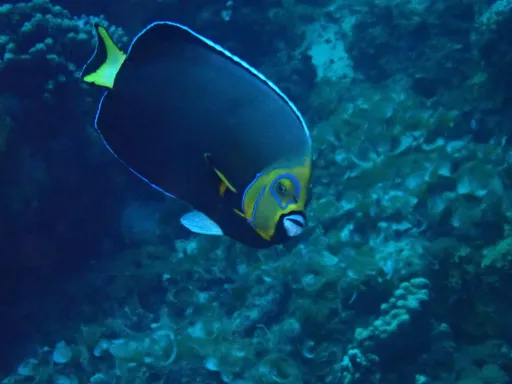 9.8 in (25 cm)198 gal (750 L)72–79°F (22–26°C)
Conspicuous angelfish
Chaetodontoplus conspicillatus
9.8 in (25 cm) · 198 gal (750 L)
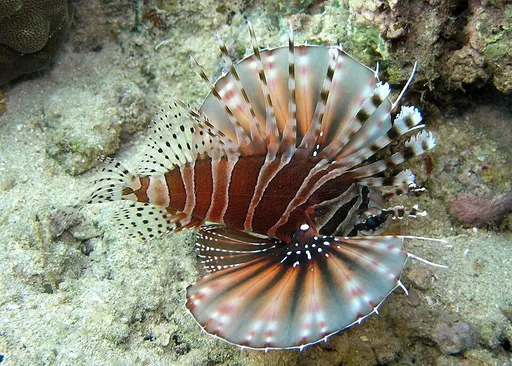 9.8 in (25 cm)60 gal (227 L)72–79°F (22–26°C)
Dwarf zebra lionfish
Dendrochirus zebra
9.8 in (25 cm) · 60 gal (227 L)
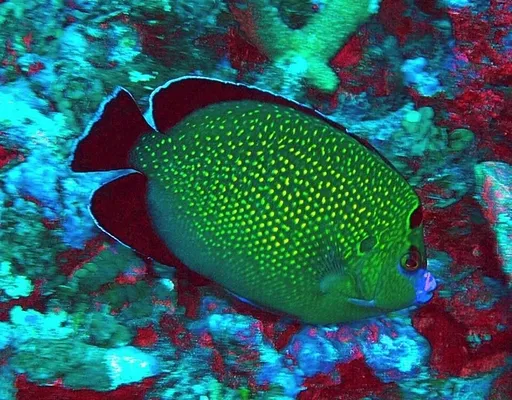 9.8 in (25 cm)125 gal (475 L)73–81°F (23–27°C)
Goldflake angelfish
Apolemichthys xanthopunctatus
9.8 in (25 cm) · 125 gal (475 L)
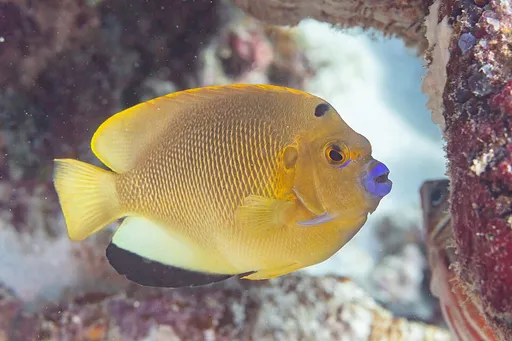 10.2 in (26 cm)100 gal (380 L)73–81°F (23–27°C)
Flagfin angelfish
Apolemichthys trimaculatus
10.2 in (26 cm) · 100 gal (380 L)
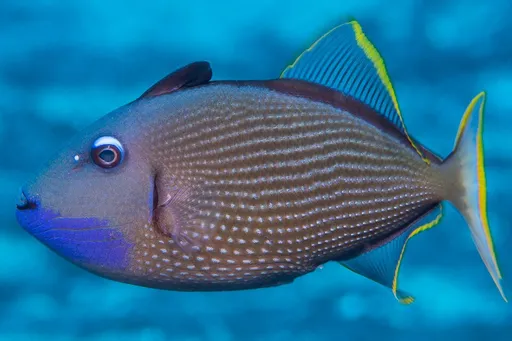 9.1 in (23 cm)125 gal (473 L)72–79°F (22–26°C)
Bluethroat triggerfish
Xanthichthys auromarginatus
9.1 in (23 cm) · 125 gal (473 L)