Sebae mono
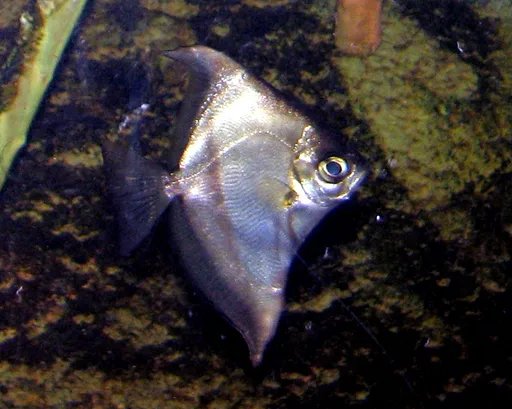
Monodactylus sebae
Also known as African moony, Sebae moony, Striped fingerfish
BrackishSaltwaterFish
Care at a glance
- Temperature
- 75–82°F
- 24–28°C
- pH
- 7.2–8.5
- Adult size
- 7.9 in
- 20 cm
- Minimum tank
- 119 gal
- 450 L
- Temperament
- Mostly peaceful
- Social behavior
- Schooling
- Swim level
- Middle
- Difficulty
- Difficult
- Breeding
- Hard
- Rarity
- Common
- Reef safe
- Not reef safe
- Family
- Monodactylidae
- Origin
- Coastal West Africa: estuaries and mangrove lagoons from the Canary Islands to Angola
Overview
Keep them in a group of at least five or six, because a proper shoal is what keeps these nervous fish calm; singles and pairs hide, lose color, and squabble. A group of tall, active fish needs a big tank, on the order of 450 liters or more with real height and a long footprint. They cruise the middle and upper water column and are mostly peaceful, though bigger fish get bossy and will harass small or slow tankmates, so keep them with hardy brackish species like scats, silver scats, and archers. Hold the water hard and alkaline at a pH of 7.2 to 8.5 and 24 to 28 C, and step the salinity up slowly as they mature. Feed a varied omnivore diet with meaty frozen foods and a solid share of greens.
In the wild
Sebae monos come from the estuaries, lagoons, and mangrove-lined coasts of West Africa, from the Canary Islands down to Angola, living in tidal water that swings from nearly fresh to fully marine. Like the silver mono, the salt requirement rises with age: juveniles tolerate low brackish, but adults do best in high brackish to marine conditions, so build toward a system that can reach marine salinity. This is a very tall, diamond-shaped fish, so it needs height as well as length. Give it a large tank with alkaline hard water at a pH of 7.2 to 8.5, a temperature of 24 to 28 C, strong filtration, and plenty of open swimming room.
Good to know
This is a taller-bodied cousin of the silver mono in the family Monodactylidae, more disc-like and often measured by height rather than length. Bodies reach roughly 20 to 25 cm and can stand nearly as tall as they are long, marked with bold vertical bars through the eye and body. It is euryhaline and pelagic-spawning, so it is not bred in aquaria and stock is wild-collected as juveniles.
Did you know
Its dramatic tall shape is why hobbyists sometimes buy a single juvenile as a novelty, not realizing it wants a group and a tank that ends up closer to a reef system in salinity. A well-grown school of adults with their high, banded silver bodies is one of the more striking sights in the brackish hobby.
Weekly picks
Tank mates
Sebae mono is a mostly peaceful, schooling species that keeps to the middle. These picks share a community profile with it, are safe together in both directions, and overlap on water type, temperature and pH.
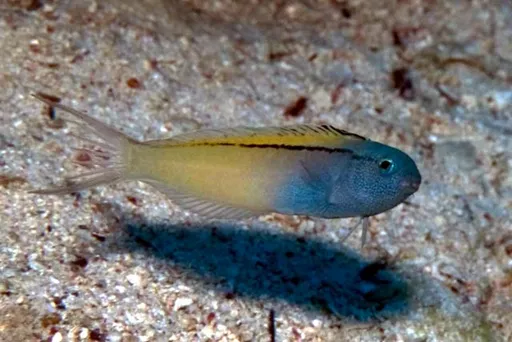
Blackline fang blenny
Meiacanthus nigrolineatus
Saltwater3.5 in (9 cm) · 20 gal (75 L)75–81°F (24–27°C)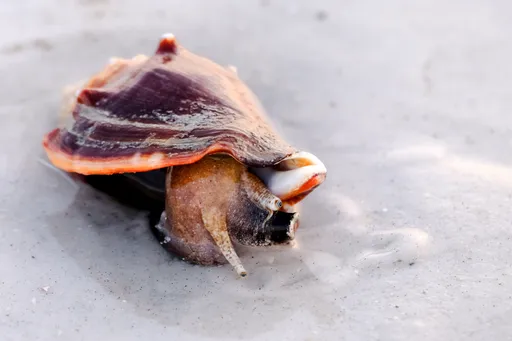
Fighting conch
Strombus alatus
Saltwater3.1 in (8 cm) · 20 gal (75 L)75–81°F (24–27°C)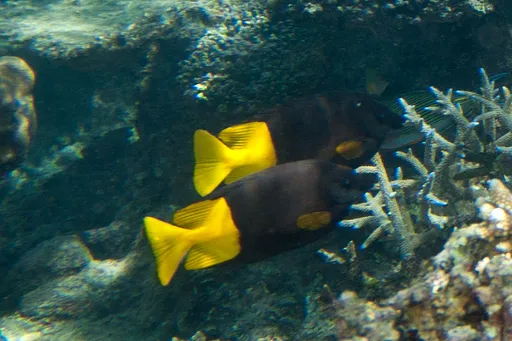
Bicolor foxface
Siganus uspi
Saltwater9.4 in (24 cm) · 124 gal (470 L)75–81°F (24–27°C)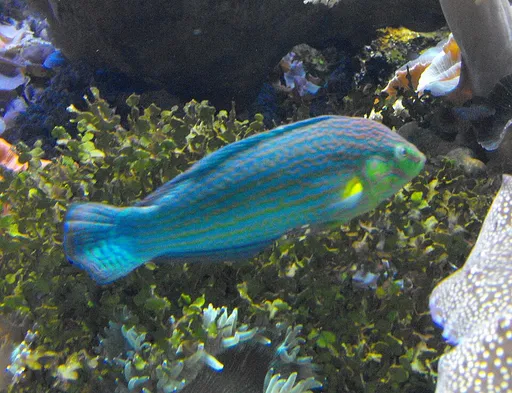
Melanurus wrasse
Halichoeres melanurus
Saltwater5.5 in (14 cm) · 100 gal (380 L)72–79°F (22–26°C)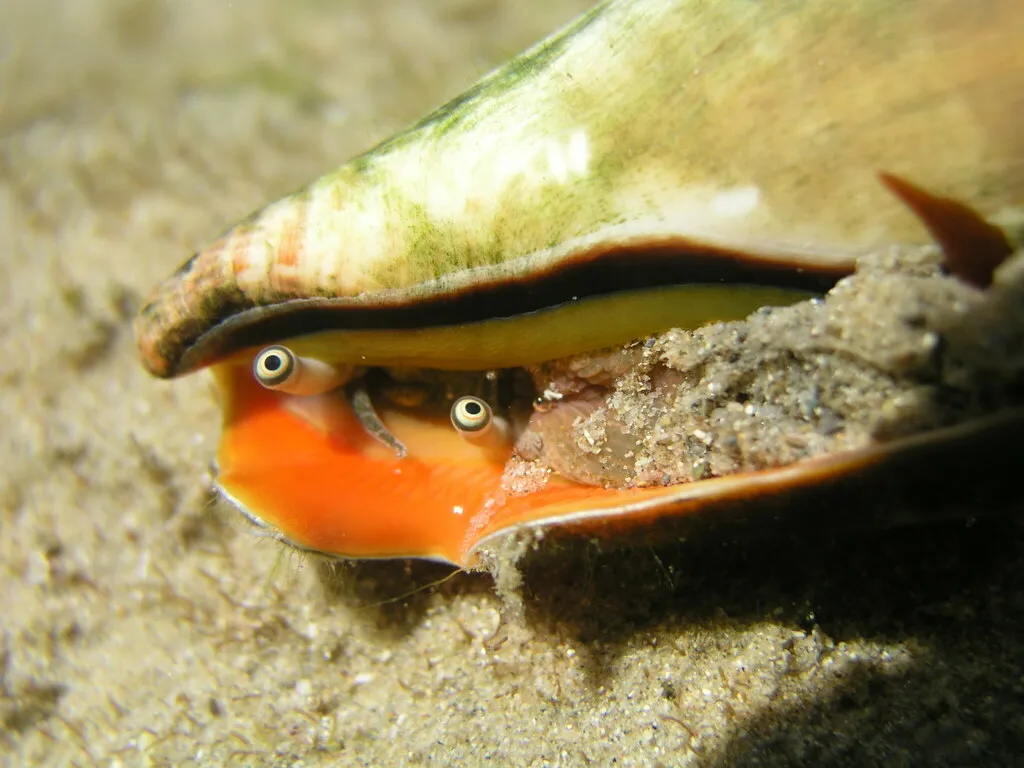
Tiger / strawberry conch
Conomurex luhuanus
Saltwater2.8 in (7 cm) · 20 gal (75 L)75–81°F (24–27°C)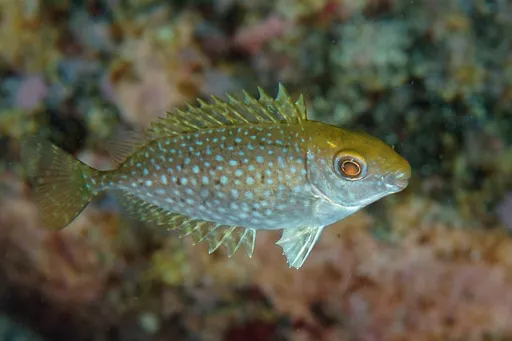
Dusky rabbitfish
Siganus fuscescens
Saltwater15.7 in (40 cm) · 120 gal (454 L)72–79°F (22–26°C)
Common questions
What size tank does a Sebae mono need?
A Sebae mono needs at least 119 gal (450 L). It spends most of its time in the middle.
What temperature and pH does a Sebae mono need?
A Sebae mono is comfortable at 75–82°F (24–28°C) with a pH of 7.2–8.5.
How big does a Sebae mono get?
An adult Sebae mono reaches about 7.9 in (20 cm).
Does a Sebae mono need a group?
Yes. A Sebae mono is a schooling species and should be kept in a group, not singly.
Related species
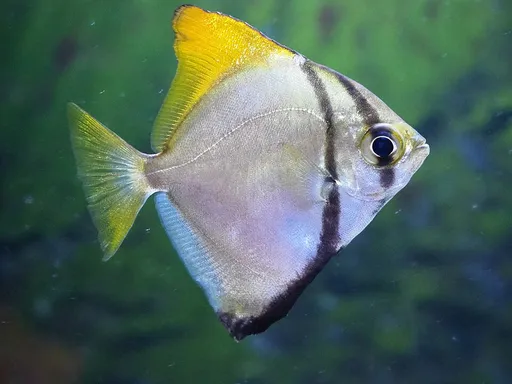 9.8 in (25 cm)106 gal (400 L)75–82°F (24–28°C)
Silver mono
Monodactylus argenteus
9.8 in (25 cm) · 106 gal (400 L)
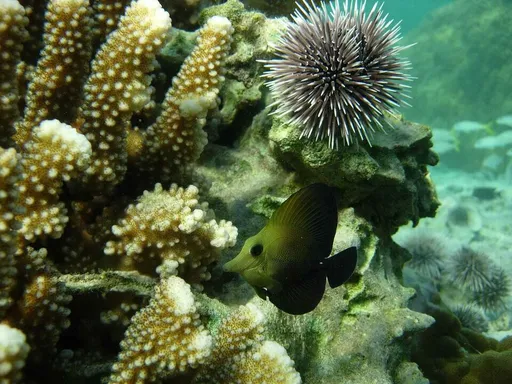 8.3 in (21 cm)119 gal (450 L)75–81°F (24–27°C)
Black tang
Zebrasoma rostratum
8.3 in (21 cm) · 119 gal (450 L)
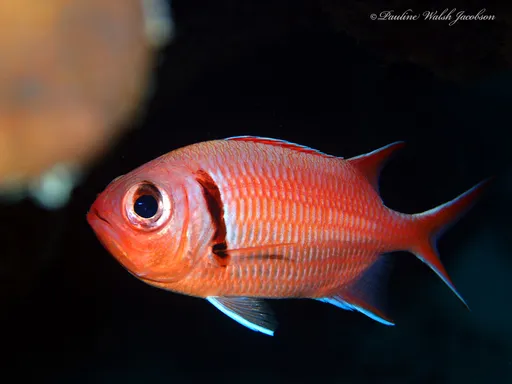 8.7 in (22 cm)79 gal (300 L)73–81°F (23–27°C)
Blackbar soldierfish
Myripristis jacobus
8.7 in (22 cm) · 79 gal (300 L)
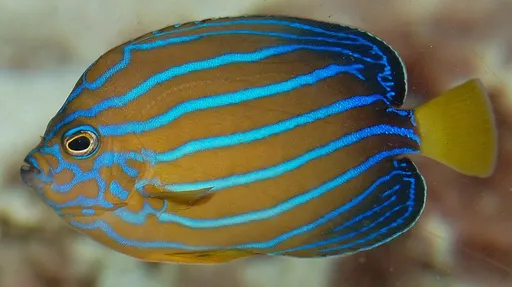 8.7 in (22 cm)185 gal (700 L)72–79°F (22–26°C)
Blueline angelfish
Chaetodontoplus septentrionalis
8.7 in (22 cm) · 185 gal (700 L)
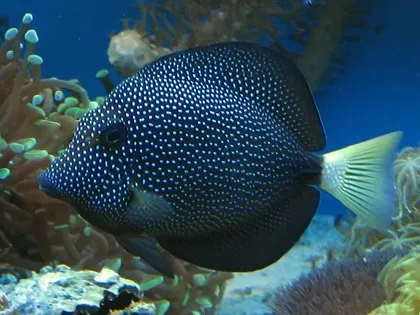 8.7 in (22 cm)151 gal (570 L)75–81°F (24–27°C)
Gem tang
Zebrasoma gemmatum
8.7 in (22 cm) · 151 gal (570 L)
 8.7 in (22 cm)151 gal (570 L)72–79°F (22–26°C)
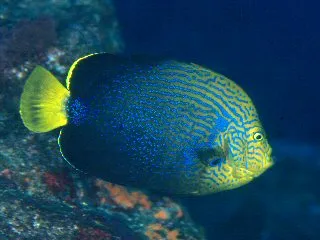
Labyrinth angelfish
Chaetodontoplus chrysocephalus
8.7 in (22 cm) · 151 gal (570 L)