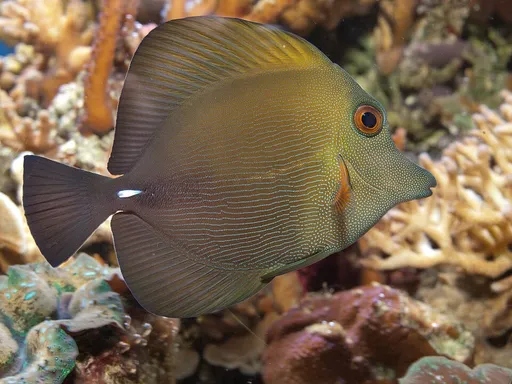
Scopas tang
Zebrasoma scopas
Also known as Brown Tang, Twotone Tang, Brush-tail Tang
SaltwaterFish
Care at a glance
- Temperature
- 75–82°F
- 24–28°C
- pH
- 8.1–8.4
- Adult size
- 7.9 in
- 20 cm
- Minimum tank
- 90 gal
- 340 L
- Temperament
- Mostly peaceful
- Social behavior
- Solitary
- Own kind
- One per tank
- Swim level
- Middle
- Difficulty
- Easy
- Breeding
- No record
- Rarity
- Common
- Reef safe
- Reef safe
- Family
- Acanthuridae
- Origin
- Indo-Pacific
Overview
One of the more forgiving tangs and a good choice for a first tang, but its dull color is misleading: it will harass same-genus tangs like yellow and purple tangs just as hard as they harass each other, so keep only one Zebrasoma per tank unless the system is very large. Reef safe with corals when well fed, though a hungry specimen may start nipping LPS and soft corals, so keep dried algae available.
In the wild
Widespread across the Indo-Pacific, grazing algae on coral-rich and rocky reefs from shallow lagoons out to reef faces. Its muted brown to olive body blends into the reef as it browses filamentous algae all day. In the tank it wants open swimming space, brisk flow and algae-covered rock to pick at between feedings.
Good to know
Zebrasoma scopas is closely related to the yellow tang and shares its disc-shaped body and long snout, differing mainly in its brown coloration and a brush-like patch of bristles near the tail base that gives it the name scopas, meaning broom. Like all surgeonfish it carries paired caudal spines used in territorial fights.
Did you know
Despite looking plain brown, it is essentially the yellow tang's near-twin in shape and behavior, and the two will fight if housed together as if competing for the same job on the reef.
Weekly picks
Tank mates
Scopas tang is a mostly peaceful, solitary species that keeps to the middle. Keep one per tank of its own kind. These picks share a community profile with it, are safe together in both directions, and overlap on water type, temperature and pH.
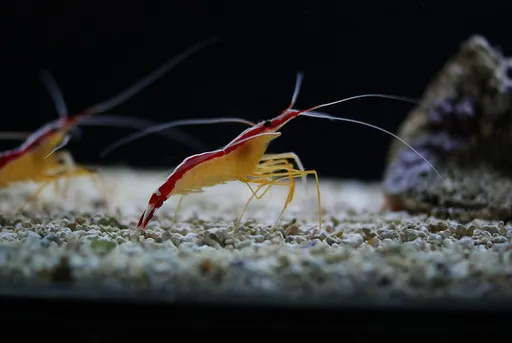
Skunk cleaner shrimp
Lysmata amboinensis
Saltwater2.4 in (6 cm) · 20 gal (75 L)73–81°F (23–27°C)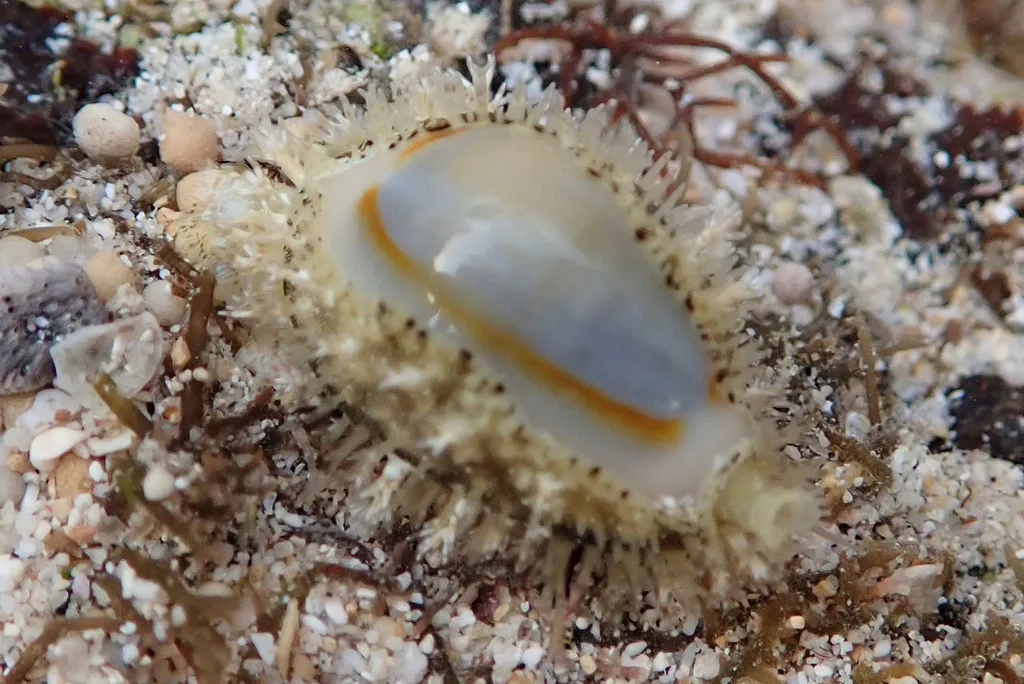
Ring cowrie
Monetaria annulus
Saltwater1.2 in (3 cm) · 20 gal (75 L)75–81°F (24–27°C)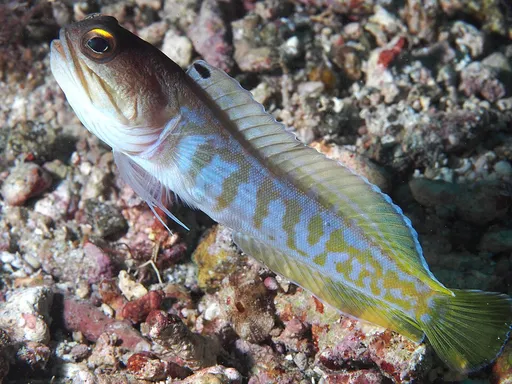
Gold-specs jawfish
Opistognathus randalli
Saltwater3.9 in (10 cm) · 30 gal (115 L)73–81°F (23–27°C)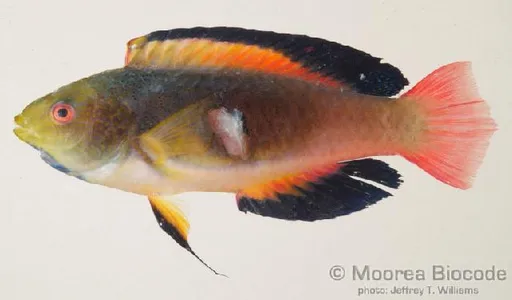
Scott's fairy wrasse
Cirrhilabrus scottorum
Saltwater5.1 in (13 cm) · 90 gal (340 L)73–81°F (23–27°C)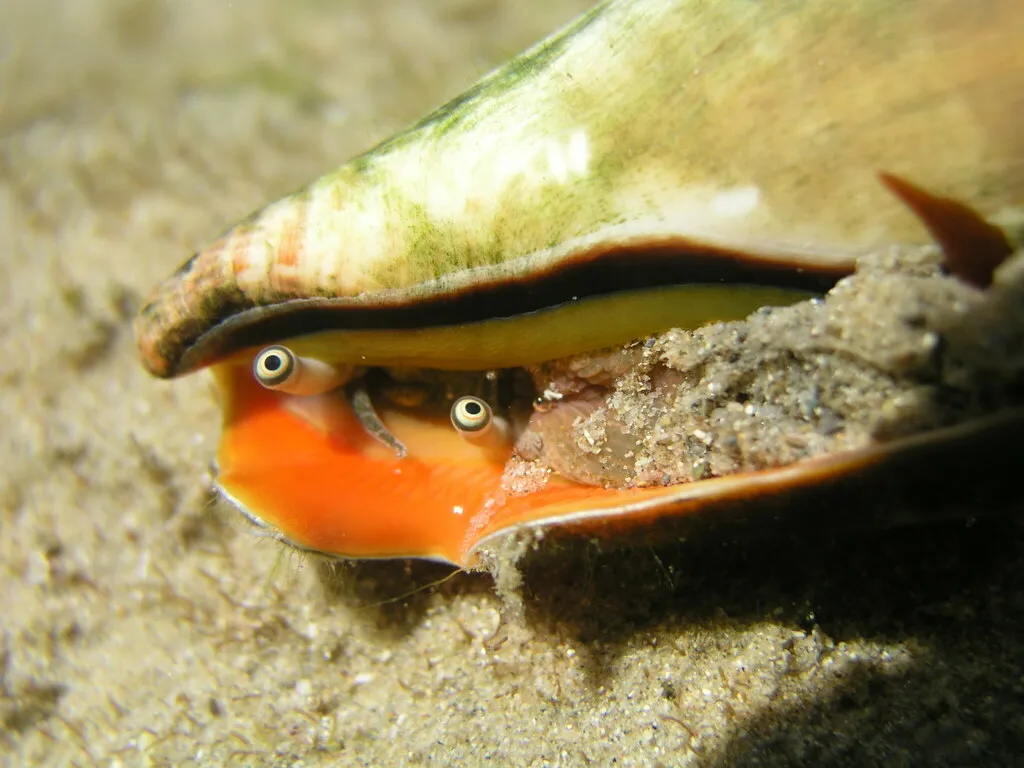
Tiger / strawberry conch
Conomurex luhuanus
Saltwater2.8 in (7 cm) · 20 gal (75 L)75–81°F (24–27°C)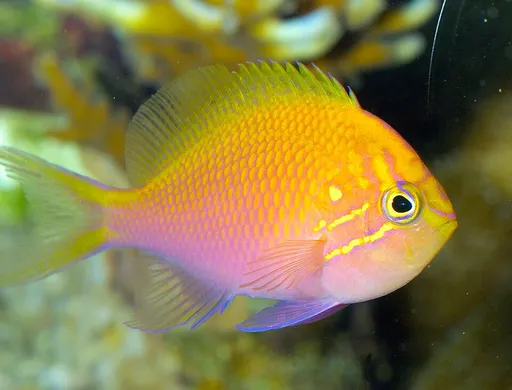
Sunburst anthias
Serranocirrhitus latus
Saltwater5.1 in (13 cm) · 70 gal (265 L)72–81°F (22–27°C)
Common questions
What size tank does a Scopas tang need?
A Scopas tang needs at least 90 gal (340 L). It spends most of its time in the middle.
What temperature and pH does a Scopas tang need?
A Scopas tang is comfortable at 75–82°F (24–28°C) with a pH of 8.1–8.4.
How big does a Scopas tang get?
An adult Scopas tang reaches about 7.9 in (20 cm).
Related species
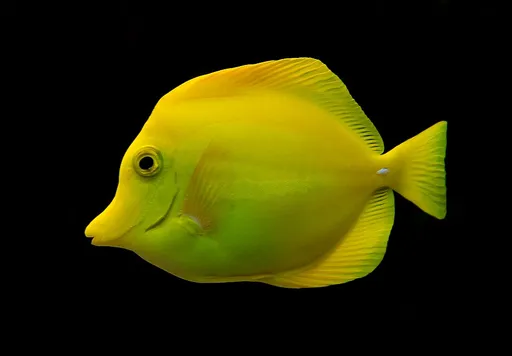 7.9 in (20 cm)100 gal (380 L)72–79°F (22–26°C)
Yellow tang
Zebrasoma flavescens
7.9 in (20 cm) · 100 gal (380 L)
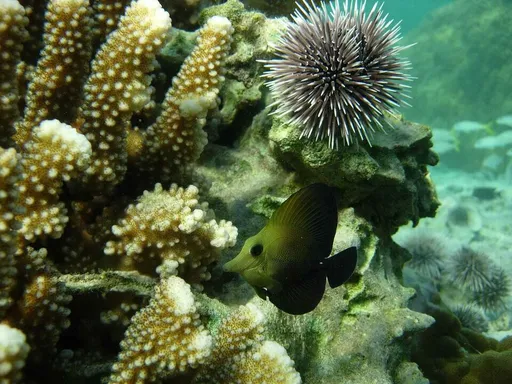 8.3 in (21 cm)119 gal (450 L)75–81°F (24–27°C)
Black tang
Zebrasoma rostratum
8.3 in (21 cm) · 119 gal (450 L)
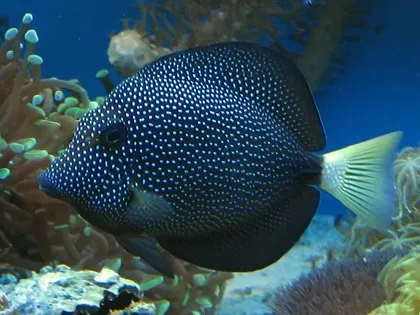 8.7 in (22 cm)151 gal (570 L)75–81°F (24–27°C)
Gem tang
Zebrasoma gemmatum
8.7 in (22 cm) · 151 gal (570 L)
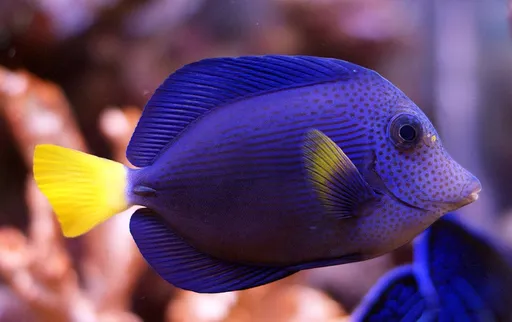 9.8 in (25 cm)106 gal (400 L)75–82°F (24–28°C)
Purple tang
Zebrasoma xanthurum
9.8 in (25 cm) · 106 gal (400 L)
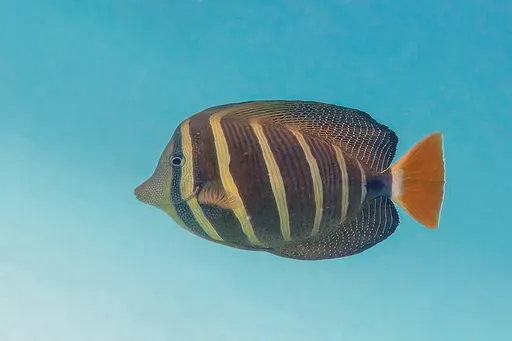 11.8 in (30 cm)145 gal (550 L)75–82°F (24–28°C)
Sailfin tang
Zebrasoma veliferum
11.8 in (30 cm) · 145 gal (550 L)
 15.7 in (40 cm)180 gal (680 L)75–82°F (24–28°C)
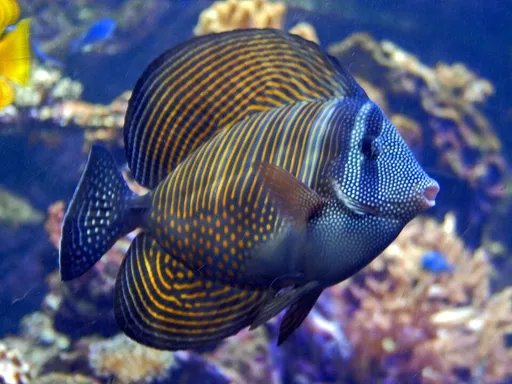
Red Sea sailfin tang
Zebrasoma desjardinii
15.7 in (40 cm) · 180 gal (680 L)