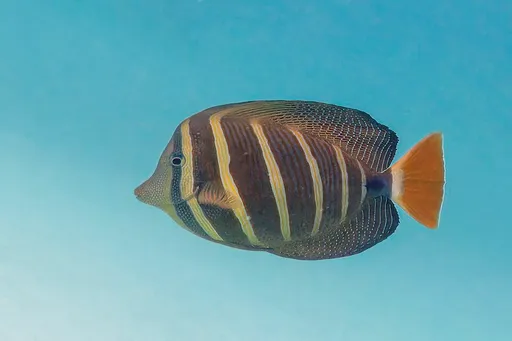
Sailfin tang
Zebrasoma veliferum
Also known as Pacific Sailfin Tang, Eastern Sailfin Tang
SaltwaterFish
Care at a glance
- Temperature
- 75–82°F
- 24–28°C
- pH
- 8.1–8.4
- Adult size
- 11.8 in
- 30 cm
- Minimum tank
- 145 gal
- 550 L
- Temperament
- Mostly peaceful
- Social behavior
- Solitary
- Swim level
- Middle
- Diet
- Herbivore
- Difficulty
- Medium
- Breeding
- No record
- Rarity
- Common
- Reef safe
- Reef safe
- Family
- Acanthuridae
- Origin
- Western Pacific
Overview
The sailfin tang is a hardy algae grazer from the western Pacific for a big reef tank. It needs a keeper with a little experience to do well.
Did you know
When a sailfin tang flares its huge sail fins, it can nearly double its apparent size. It uses the bluff both to intimidate rivals and to startle would-be predators on the reef.
Caring for the sailfin tang
The sailfin tang grows large and swims hard, so give it at least 145 gal (550 L). It is a vigorous, near-constant swimmer that needs a long tank with wide open swimming lanes and plenty of grazing surface.
Keep the water at 75 to 82°F (24 to 28°C) with a pH of 8.1 to 8.4. It is an algae grazer, so add algae on a clip every day. It is reef safe, and its only reef risk is occasional nipping of coral polyps while grazing. That is uncommon in a well-fed fish.
The sailfin tang is somewhat less aggressive than the purple tang. It will still defend a territory against other tangs and similarly shaped fish, so keep one per tank.
Good to know
Zebrasoma veliferum is named for its enormous, sail-like dorsal and anal fins, since veliferum means sail-bearing. Raised, the fins make its profile nearly circular and far larger than its body. It is one of the largest Zebrasoma species. Juveniles are boldly barred in yellow and dark brown before the adult pattern develops.
In the wild
Sailfin tangs live on shallow, algae-rich reefs and lagoons in the western Pacific. They graze filamentous and larger algae over rock and rubble.
Weekly picks
Tank mates
The sailfin tang is a mostly peaceful, solitary species that keeps to the middle. These picks share a community profile with it, are safe together in both directions, and overlap on water type, temperature and pH.
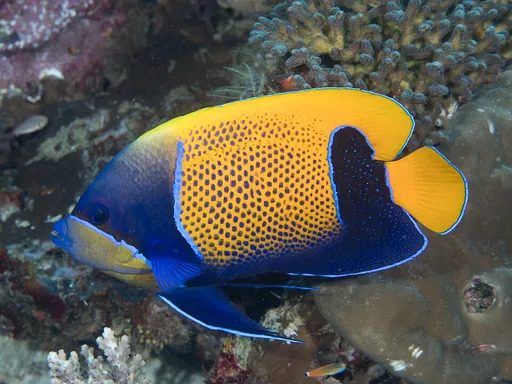
Majestic angelfish
Pomacanthus navarchus
Saltwater11.8 in (30 cm) · 145 gal (550 L)73–81°F (23–27°C)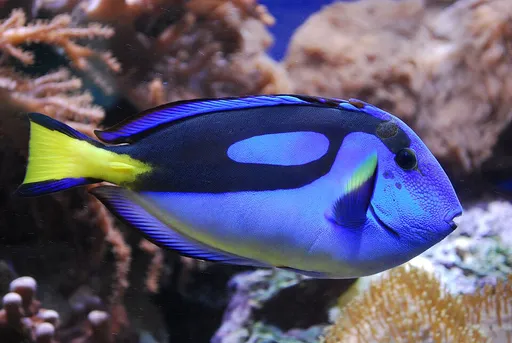
Blue hippo tang
Paracanthurus hepatus
Saltwater11.8 in (30 cm) · 180 gal (680 L)73–81°F (23–27°C)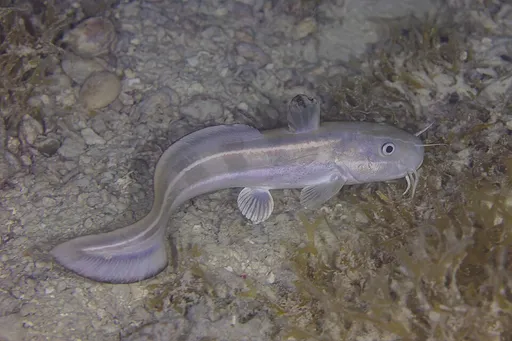
Striped eel catfish
Plotosus lineatus
Saltwater12.6 in (32 cm) · 106 gal (400 L)75–82°F (24–28°C)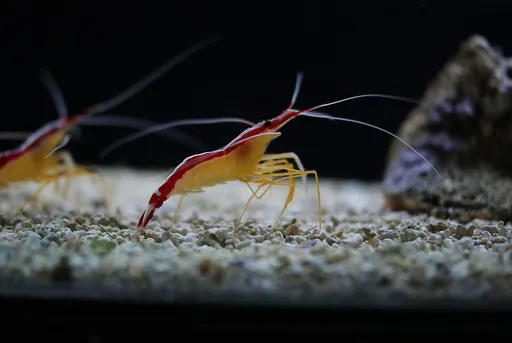
Skunk cleaner shrimp
Lysmata amboinensis
Saltwater2.4 in (6 cm) · 20 gal (75 L)73–81°F (23–27°C)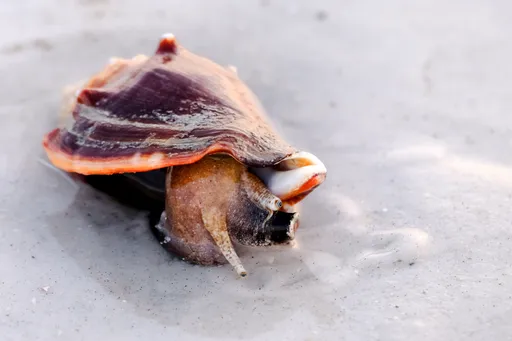
Fighting conch
Strombus alatus
Saltwater3.1 in (8 cm) · 20 gal (75 L)75–81°F (24–27°C)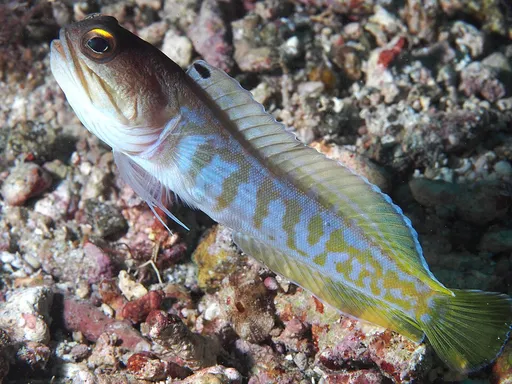
Gold-specs jawfish
Opistognathus randalli
Saltwater3.9 in (10 cm) · 30 gal (115 L)73–81°F (23–27°C)
Common questions
What size tank does a sailfin tang need?
A sailfin tang needs at least 145 gal (550 L). It spends most of its time in the middle.
What temperature and pH does a sailfin tang need?
A sailfin tang is comfortable at 75–82°F (24–28°C) with a pH of 8.1–8.4.
What does a sailfin tang eat?
A sailfin tang grazes algae, so add algae on a clip every day.
How big does a sailfin tang get?
An adult sailfin tang reaches about 11.8 in (30 cm).
Related species
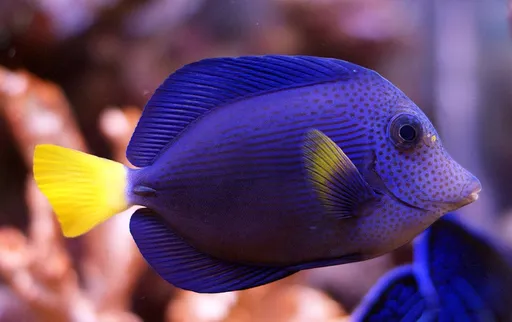 9.8 in (25 cm)106 gal (400 L)75–82°F (24–28°C)
Purple tang
Zebrasoma xanthurum
9.8 in (25 cm) · 106 gal (400 L)
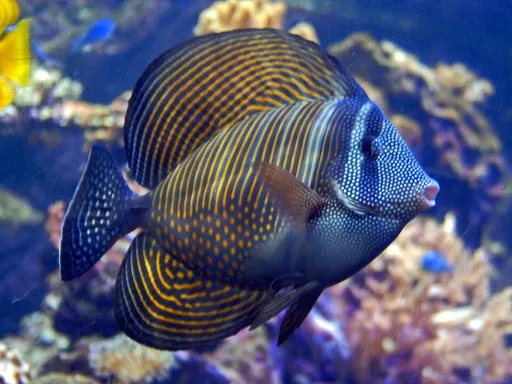 15.7 in (40 cm)180 gal (680 L)75–82°F (24–28°C)
Red Sea sailfin tang
Zebrasoma desjardinii
15.7 in (40 cm) · 180 gal (680 L)
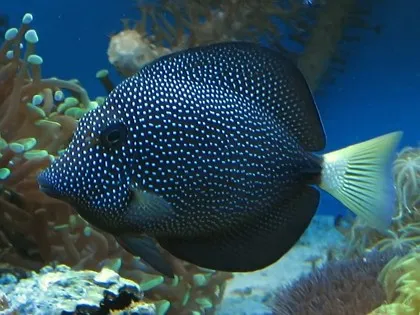 8.7 in (22 cm)151 gal (570 L)75–81°F (24–27°C)
Gem tang
Zebrasoma gemmatum
8.7 in (22 cm) · 151 gal (570 L)
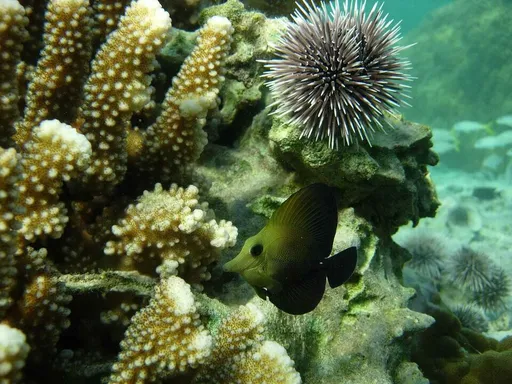 8.3 in (21 cm)119 gal (450 L)75–81°F (24–27°C)
Black tang
Zebrasoma rostratum
8.3 in (21 cm) · 119 gal (450 L)
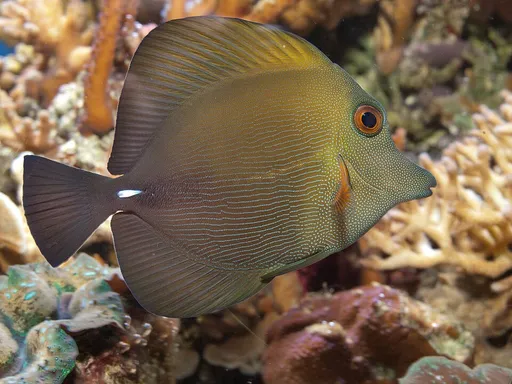 7.9 in (20 cm)90 gal (340 L)75–82°F (24–28°C)
Scopas tang
Zebrasoma scopas
7.9 in (20 cm) · 90 gal (340 L)
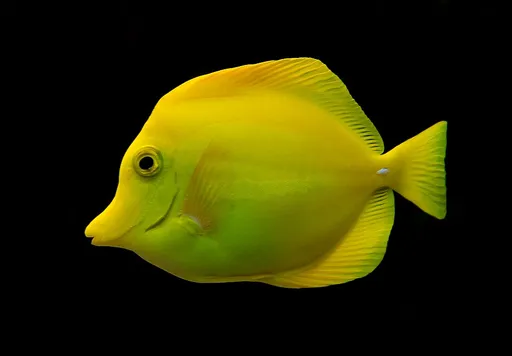 7.9 in (20 cm)100 gal (380 L)72–79°F (22–26°C)
Yellow tang
Zebrasoma flavescens
7.9 in (20 cm) · 100 gal (380 L)