Gem tang
Zebrasoma gemmatum
Also known as Gem Surgeonfish, Spotted Tang, Jewel Tang
SaltwaterFish
Care at a glance
- Temperature
- 75–81°F
- 24–27°C
- pH
- 8.1–8.4
- Adult size
- 8.7 in
- 22 cm
- Minimum tank
- 151 gal
- 570 L
- Temperament
- Mostly peaceful
- Social behavior
- Solitary
- Swim level
- Middle
- Diet
- Omnivore
- Difficulty
- Medium
- Breeding
- No record
- Rarity
- Rare
- Reef safe
- Reef safe
- Family
- Acanthuridae
- Origin
- Western Indian Ocean around Mauritius, Reunion, Madagascar and South Africa, on rocky and coral reefs.
Overview
The gem tang is a deep-bodied Zebrasoma and one of the most prized surgeonfish in the trade. It is a step up from the easiest reef fish.
Did you know
The gem tang's high cost comes from geography, since the reefs it lives on are remote and rough. It is not especially difficult to keep.
Caring for the gem tang
Give a gem tang at least 151 gal (570 L), with plenty of rock for grazing and open water for swimming. Keep the water at 75 to 81°F (24 to 27°C) with a pH of 8.1 to 8.4.
Feed dried seaweed, spirulina and marine algae every day, with some meaty foods. It is generally hardy once settled.
The gem tang is reef safe and works well in a mixed reef. It is territorial toward other tangs but calm with most other fish. House only one Zebrasoma per tank to avoid fighting.
Good to know
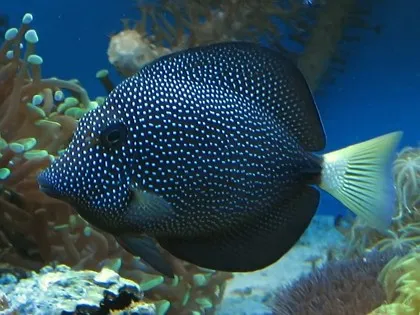
Zebrasoma gemmatum belongs to the surgeonfish family, Acanthuridae. Like other Zebrasoma, it has a tall dorsal and anal fin profile, and its black body is covered in white spots.
In the wild
Gem tangs come from rocky and coral reefs in the western Indian Ocean, around Mauritius, Reunion, Madagascar and South Africa. They live on the deeper reefs and graze algae from rock. They move in a slower, more deliberate way than the long unicornfish.
Weekly picks
Tank mates
The gem tang is a mostly peaceful, solitary species that keeps to the middle. These picks share a community profile with it, are safe together in both directions, and overlap on water type, temperature and pH.
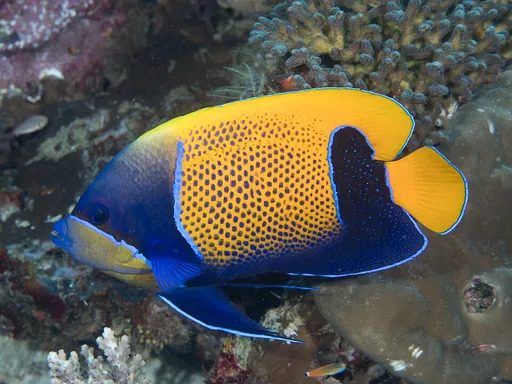
Majestic angelfish
Pomacanthus navarchus
Saltwater11.8 in (30 cm) · 145 gal (550 L)73–81°F (23–27°C)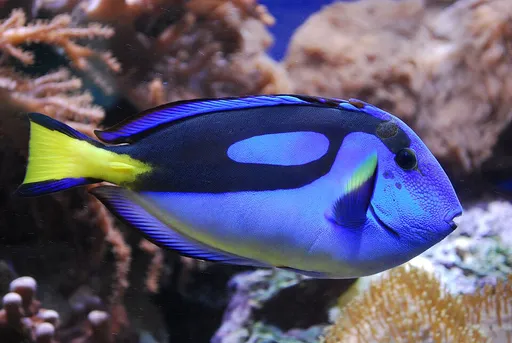
Blue hippo tang
Paracanthurus hepatus
Saltwater11.8 in (30 cm) · 180 gal (680 L)73–81°F (23–27°C)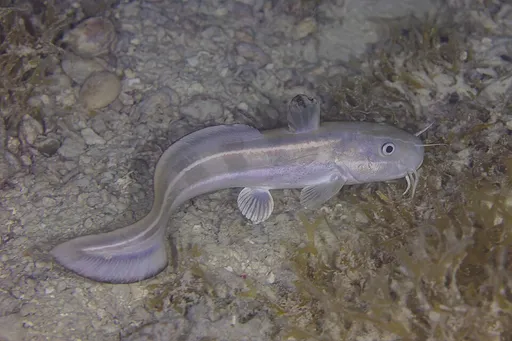
Striped eel catfish
Plotosus lineatus
Saltwater12.6 in (32 cm) · 106 gal (400 L)75–82°F (24–28°C)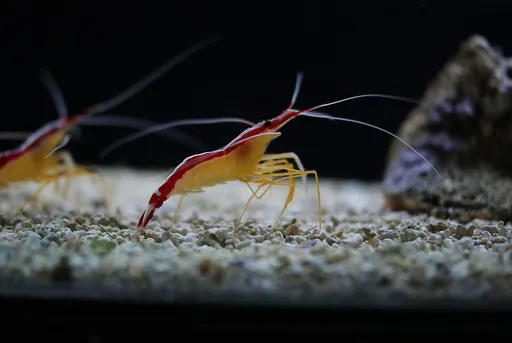
Skunk cleaner shrimp
Lysmata amboinensis
Saltwater2.4 in (6 cm) · 20 gal (75 L)73–81°F (23–27°C)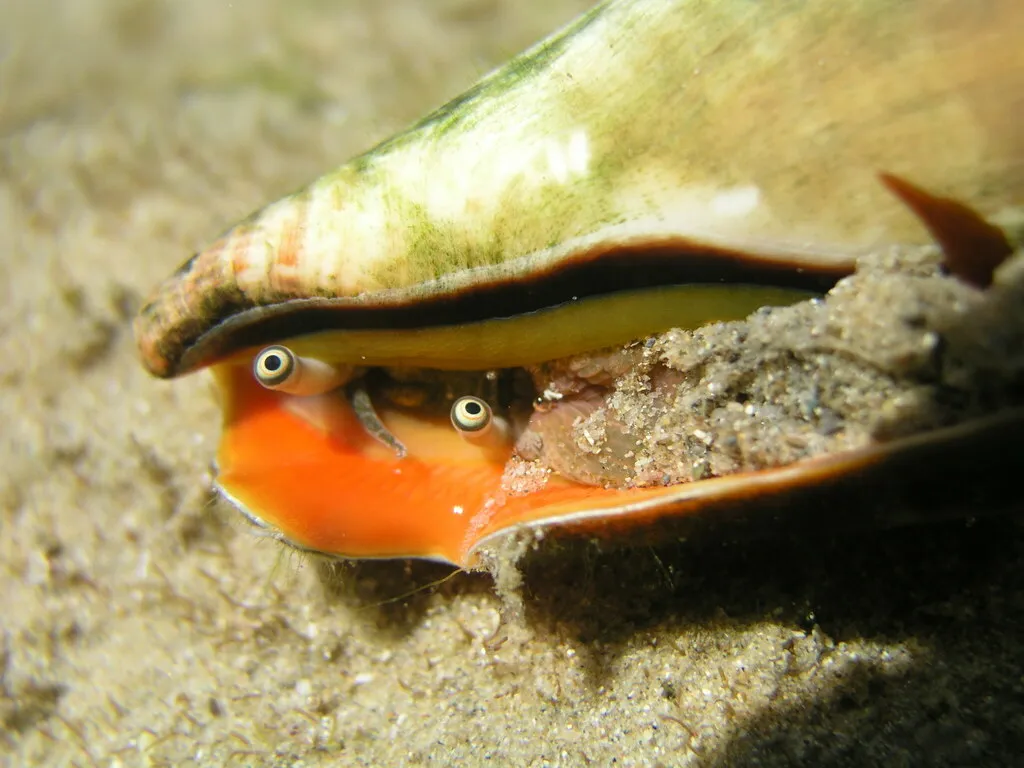
Tiger / strawberry conch
Conomurex luhuanus
Saltwater2.8 in (7 cm) · 20 gal (75 L)75–81°F (24–27°C)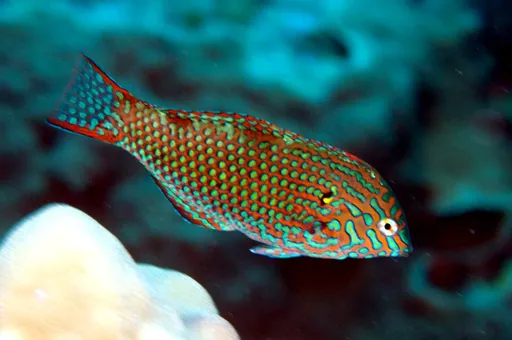
Leopard wrasse
Macropharyngodon meleagris
Saltwater5.9 in (15 cm) · 90 gal (340 L)72–79°F (22–26°C)
Common questions
What size tank does a gem tang need?
A gem tang needs at least 151 gal (570 L). It spends most of its time in the middle.
What temperature and pH does a gem tang need?
A gem tang is comfortable at 75–81°F (24–27°C) with a pH of 8.1–8.4.
What does a gem tang eat?
A gem tang eats dried seaweed, spirulina and marine algae every day, along with some meaty foods.
How big does a gem tang get?
An adult gem tang reaches about 8.7 in (22 cm).
Related species
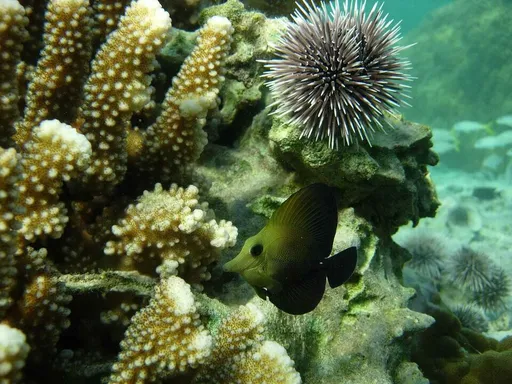 8.3 in (21 cm)119 gal (450 L)75–81°F (24–27°C)
Black tang
Zebrasoma rostratum
8.3 in (21 cm) · 119 gal (450 L)
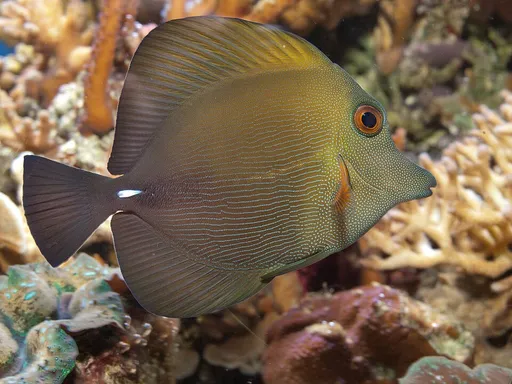 7.9 in (20 cm)90 gal (340 L)75–82°F (24–28°C)
Scopas tang
Zebrasoma scopas
7.9 in (20 cm) · 90 gal (340 L)
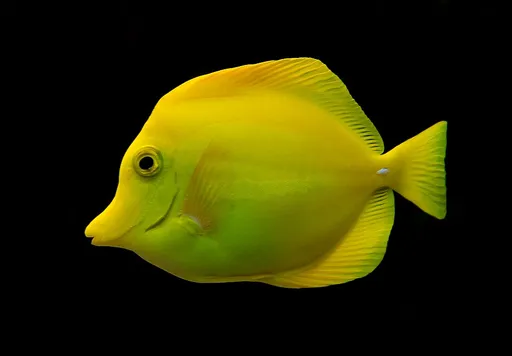 7.9 in (20 cm)100 gal (380 L)72–79°F (22–26°C)
Yellow tang
Zebrasoma flavescens
7.9 in (20 cm) · 100 gal (380 L)
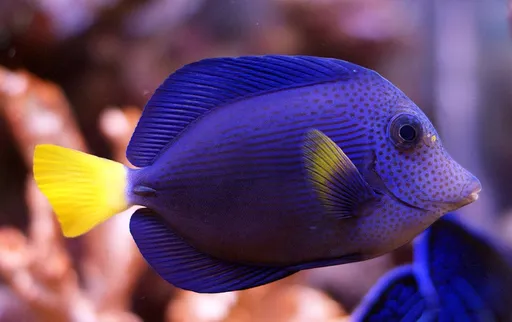 9.8 in (25 cm)106 gal (400 L)75–82°F (24–28°C)
Purple tang
Zebrasoma xanthurum
9.8 in (25 cm) · 106 gal (400 L)
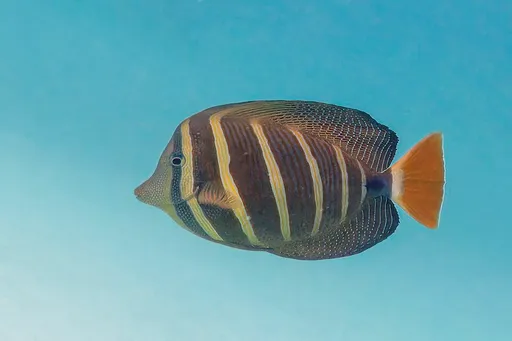 11.8 in (30 cm)145 gal (550 L)75–82°F (24–28°C)
Sailfin tang
Zebrasoma veliferum
11.8 in (30 cm) · 145 gal (550 L)
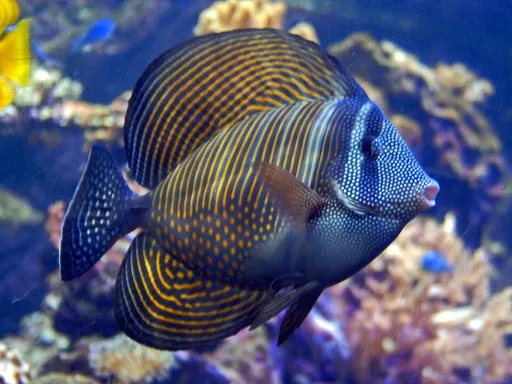 15.7 in (40 cm)180 gal (680 L)75–82°F (24–28°C)
Red Sea sailfin tang
Zebrasoma desjardinii
15.7 in (40 cm) · 180 gal (680 L)