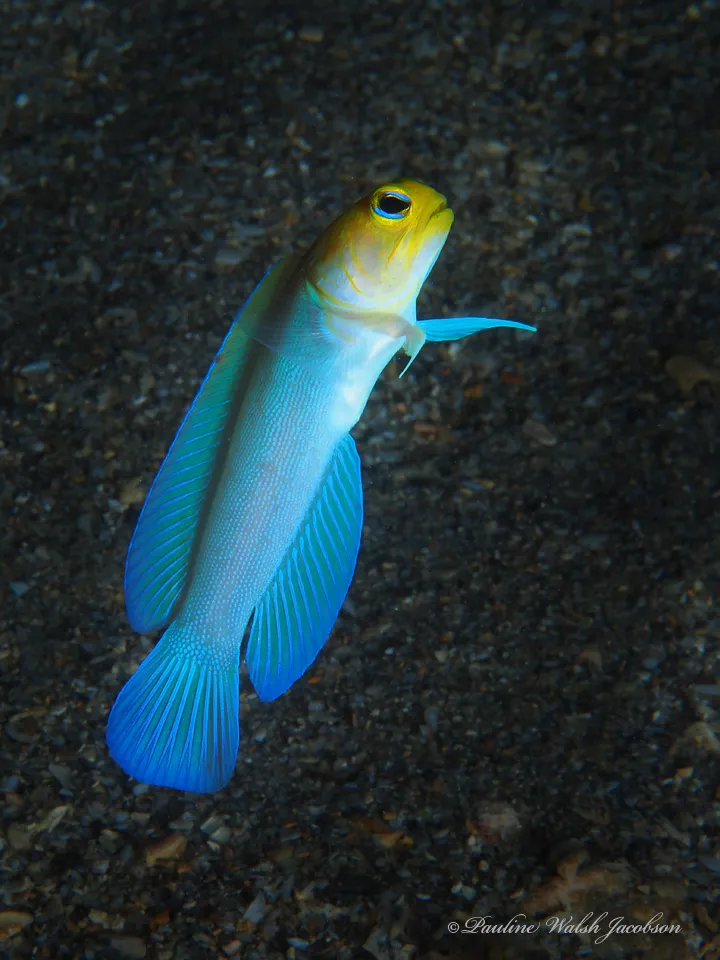
Pearly jawfish
Opistognathus aurifrons
Also known as Yellowhead Jawfish, Yellowheaded Jawfish, Gold Head Jawfish
SaltwaterFish
Care at a glance
- Temperature
- 73–81°F
- 23–27°C
- pH
- 8.1–8.4
- Adult size
- 3.9 in
- 10 cm
- Minimum tank
- 29 gal
- 110 L
- Temperament
- Peaceful
- Social behavior
- Social
- Swim level
- Bottom
- Difficulty
- Medium
- Breeding
- Medium
- Rarity
- Common
- Reef safe
- Reef safe
- Family
- Opistognathidae
- Origin
- Western Atlantic and Caribbean, from southern Florida and the Bahamas through the Caribbean to the northern coast of South America
Overview
A peaceful, engaging burrow-dweller that spends its life around a single tunnel and is safe with corals and inverts, so it is fully reef safe. It only bothers the reef by occasionally spitting sand onto nearby corals as it maintains its burrow. It is shy and does best with calm tankmates that will not outcompete it for food or intimidate it. Several can be kept together in a large tank with enough sand-bed footprint and spacing, so it behaves as a colonial, social species rather than a strict loner.
In the wild
Pearly jawfish live over open sand and rubble flats near reefs, where each fish digs and defends a vertical burrow lined with pebbles, shell, and coral rubble. They hover just above the burrow mouth to snatch drifting plankton and dive in tail-first at any threat. In captivity they need a deep sand bed of at least 10 to 15 cm mixed with rubble and small rock rubble so they can construct and reinforce a stable tunnel. A tight lid is essential because they jump, especially in the first weeks.
Good to know
Opistognathus aurifrons is a mouthbrooder: the male incubates the egg mass in his mouth until the larvae hatch, periodically rolling and aerating them. Its oversized jaws are used for excavating and moving substrate to build the burrow rather than for aggression. A pale pearly-blue body with a soft yellow head gives it its common names.
Did you know
The male broods the eggs in his mouth, going without eating while he tumbles the clutch to keep it oxygenated until the young hatch.
Weekly picks
Tank mates
Pearly jawfish is a peaceful, social species that keeps to the bottom. These picks share a community profile with it, are safe together in both directions, and overlap on water type, temperature and pH.
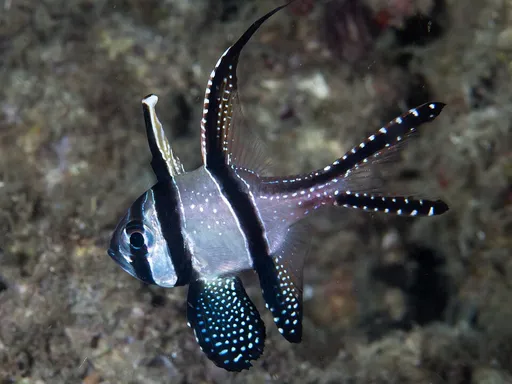
Banggai cardinalfish
Pterapogon kauderni
Saltwater3.1 in (8 cm) · 29 gal (110 L)73–82°F (23–28°C)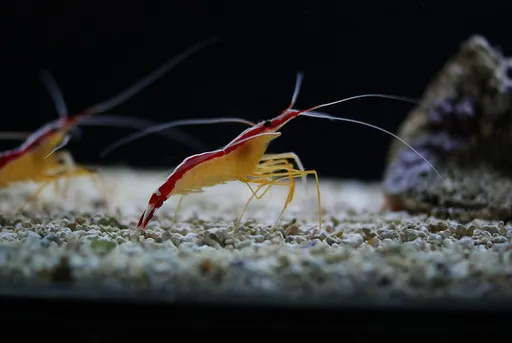
Skunk cleaner shrimp
Lysmata amboinensis
Saltwater2.4 in (6 cm) · 20 gal (75 L)73–81°F (23–27°C)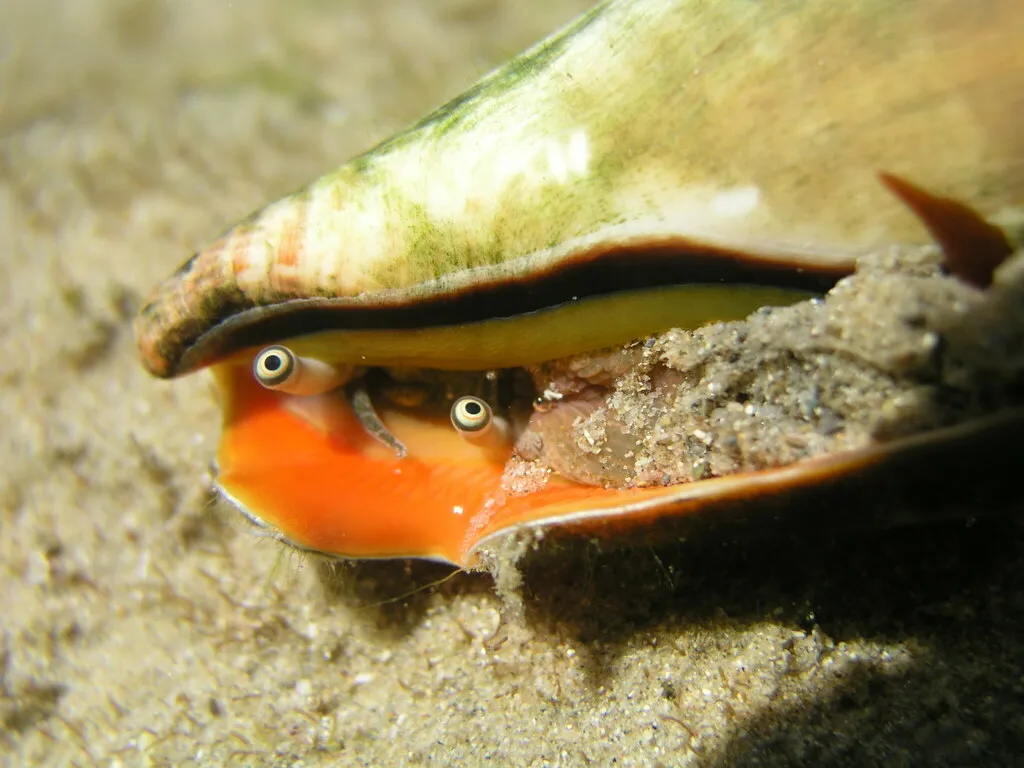
Tiger / strawberry conch
Conomurex luhuanus
Saltwater2.8 in (7 cm) · 20 gal (75 L)75–81°F (24–27°C)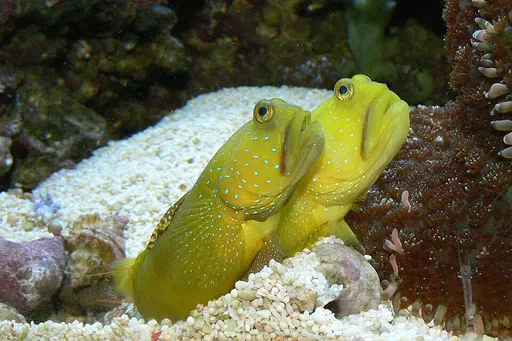
Yellow watchman goby
Cryptocentrus cinctus
Saltwater3.5 in (9 cm) · 20 gal (75 L)72–81°F (22–27°C)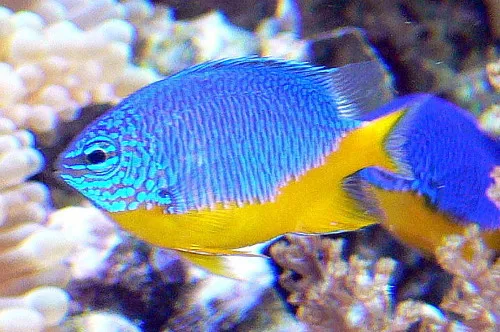
Azure damsel
Chrysiptera hemicyanea
Saltwater2.8 in (7 cm) · 29 gal (110 L)75–81°F (24–27°C)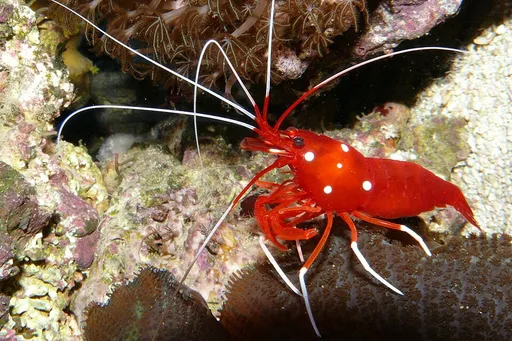
Fire shrimp
Lysmata debelius
Saltwater2.4 in (6 cm) · 20 gal (75 L)72–79°F (22–26°C)
Common questions
What size tank does a Pearly jawfish need?
A Pearly jawfish needs at least 29 gal (110 L). It spends most of its time in the bottom.
What temperature and pH does a Pearly jawfish need?
A Pearly jawfish is comfortable at 73–81°F (23–27°C) with a pH of 8.1–8.4.
How big does a Pearly jawfish get?
An adult Pearly jawfish reaches about 3.9 in (10 cm).
Related species
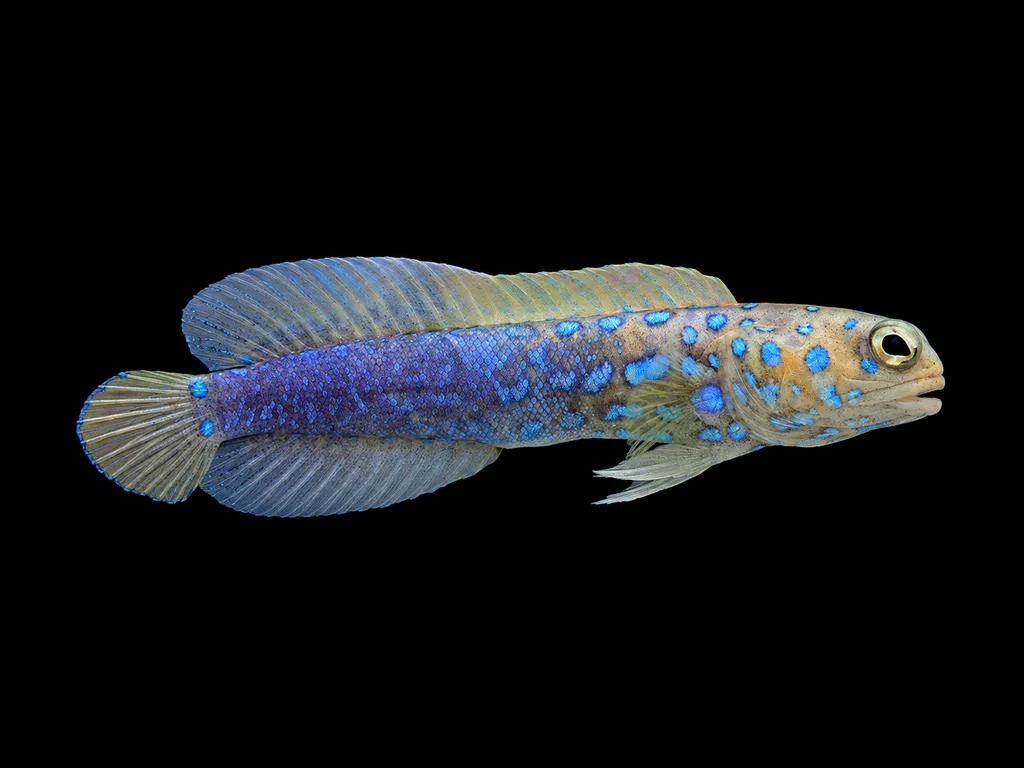 3.9 in (10 cm)30 gal (115 L)70–77°F (21–25°C)
Blue-spotted jawfish
Opistognathus rosenblatti
3.9 in (10 cm) · 30 gal (115 L)
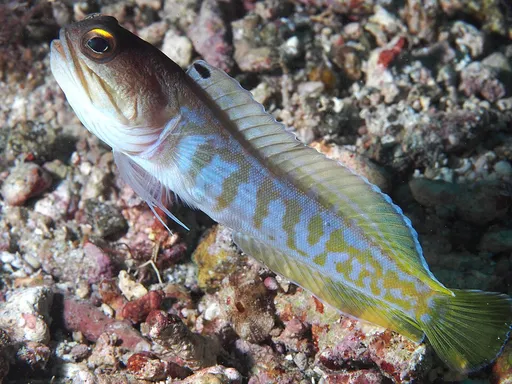 3.9 in (10 cm)30 gal (115 L)73–81°F (23–27°C)
Gold-specs jawfish
Opistognathus randalli
3.9 in (10 cm) · 30 gal (115 L)
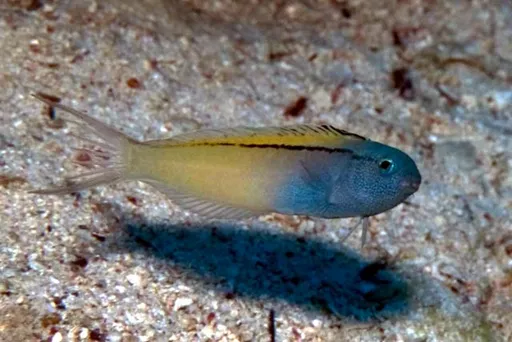 3.5 in (9 cm)20 gal (75 L)75–81°F (24–27°C)
Blackline fang blenny
Meiacanthus nigrolineatus
3.5 in (9 cm) · 20 gal (75 L)
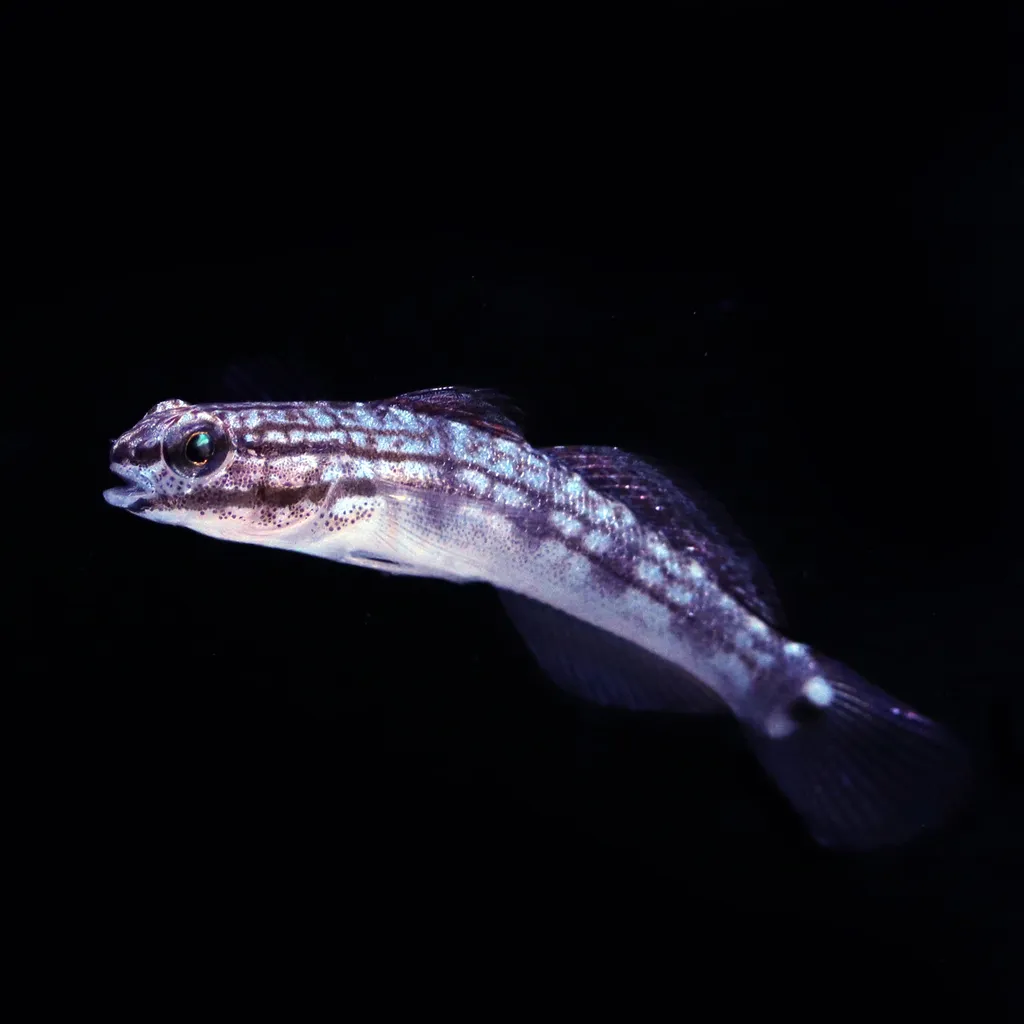 3.1 in (8 cm)20 gal (75 L)73–81°F (23–27°C)
Buan's sleeper goby
Amblygobius buanensis
3.1 in (8 cm) · 20 gal (75 L)
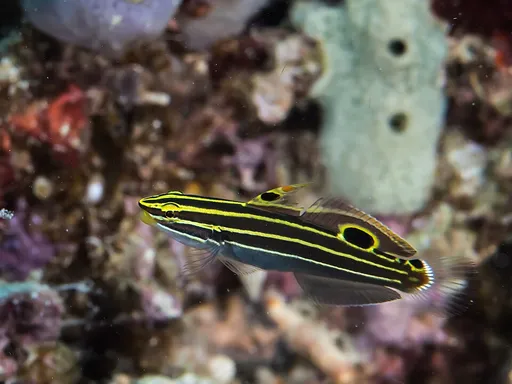 3.1 in (8 cm)20 gal (75 L)73–81°F (23–27°C)
Hector's goby
Koumansetta hectori
3.1 in (8 cm) · 20 gal (75 L)
 3.1 in (8 cm)20 gal (76 L)72–79°F (22–26°C)
Skilletfish
Gobiesox strumosus
3.1 in (8 cm) · 20 gal (76 L)