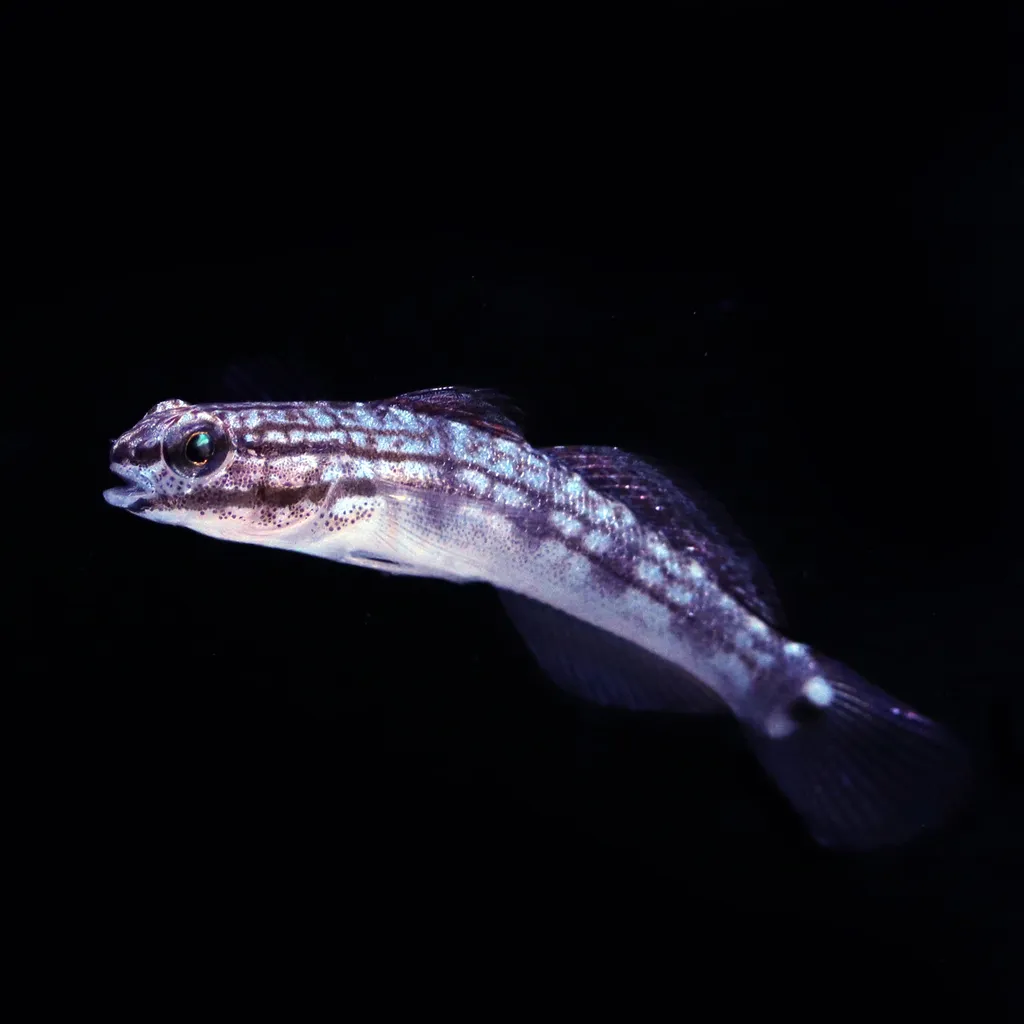
Blue-spotted jawfish
Opistognathus rosenblatti
Also known as Blue Dot Jawfish, Bluespot Jawfish, Blue Spot Jawfish
SaltwaterFish
Care at a glance
- Temperature
- 70–77°F
- 21–25°C
- pH
- 8.1–8.4
- Adult size
- 3.9 in
- 10 cm
- Minimum tank
- 30 gal
- 115 L
- Temperament
- Peaceful
- Social behavior
- Social
- Tankmates
- With caution
- Swim level
- Bottom
- Difficulty
- Medium
- Breeding
- Hard
- Rarity
- Rare
- Reef safe
- Reef safe
- Family
- Opistognathidae
- Origin
- Endemic to the Gulf of California, also called the Sea of Cortez, in cooler sandy bays at depths of about 9 to 27 m.
Overview
It needs a 115 litre or larger tank with a sand and rubble bed at least 8 cm deep for burrowing, plus a very tight lid because it jumps. Keep the temperature on the cool side, around 21 to 25 C, with pH 8.1 to 8.4, and use a chiller if the room runs warm. It is reef safe and peaceful, though males spar over burrows, so give each fish space. Feed mysis, enriched brine, and other small meaty foods.
In the wild
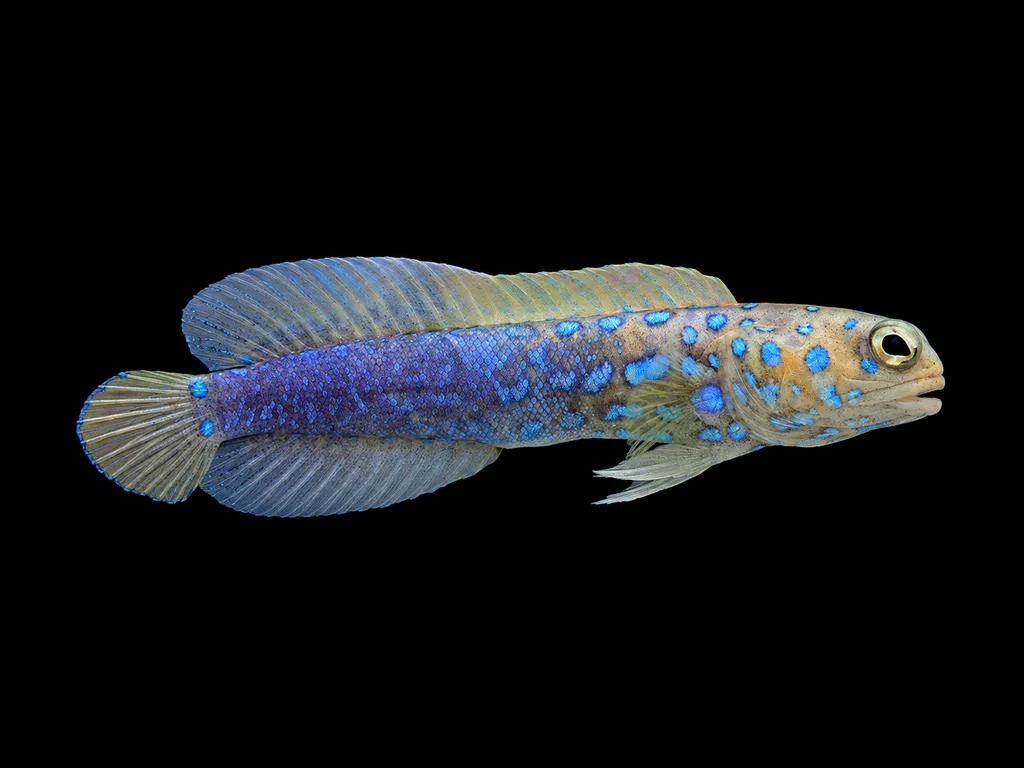
The blue-spotted jawfish digs a vertical burrow in sand and rubble and hovers just above the entrance, dropping back tail first when startled. It has a tan body covered in electric blue spots. It comes from the cooler waters of the Sea of Cortez, so it needs lower temperatures than most reef fish. It lives in loose colonies where burrows are spaced across the sand.
Good to know
Opistognathus rosenblatti is a jawfish in the family Opistognathidae. Jawfish are mouthbrooders, and the male holds the egg mass in his mouth until the young hatch. This species is collected only seasonally, which keeps it scarce and pricey.
Did you know
Keeping it too warm shortens its life, so it is one of the few popular marine fish that genuinely prefers a cooler tank.
Common questions
What size tank does a Blue-spotted jawfish need?
A Blue-spotted jawfish needs at least 30 gal (115 L). It spends most of its time in the bottom.
What temperature and pH does a Blue-spotted jawfish need?
A Blue-spotted jawfish is comfortable at 70–77°F (21–25°C) with a pH of 8.1–8.4.
How big does a Blue-spotted jawfish get?
An adult Blue-spotted jawfish reaches about 3.9 in (10 cm).
Related species
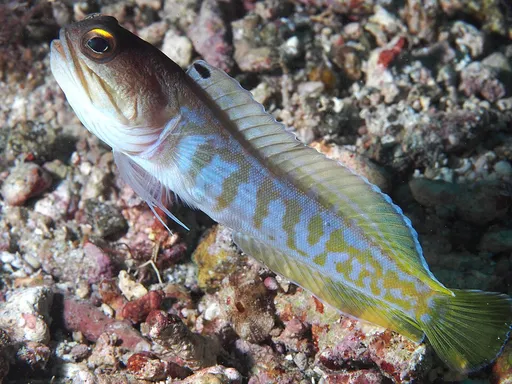 3.9 in (10 cm)30 gal (115 L)73–81°F (23–27°C)
Gold-specs jawfish
Opistognathus randalli
3.9 in (10 cm) · 30 gal (115 L)
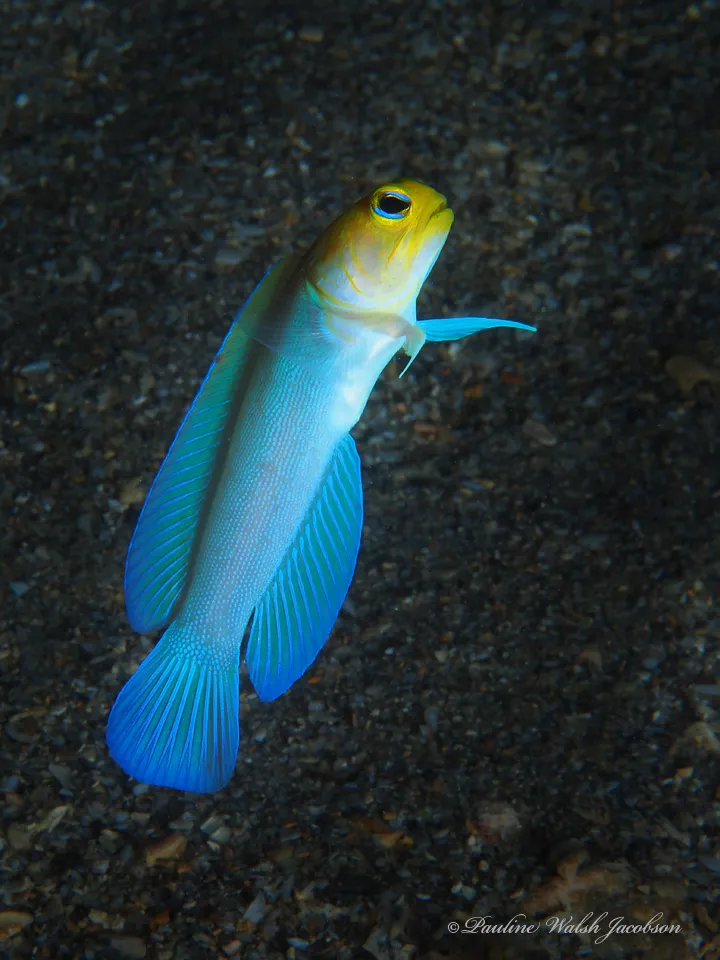 3.9 in (10 cm)29 gal (110 L)73–81°F (23–27°C)
Pearly jawfish
Opistognathus aurifrons
3.9 in (10 cm) · 29 gal (110 L)
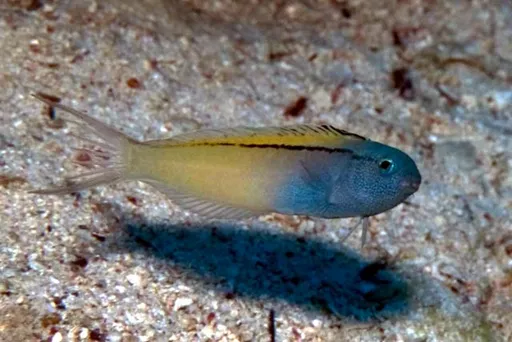 3.5 in (9 cm)20 gal (75 L)75–81°F (24–27°C)
Blackline fang blenny
Meiacanthus nigrolineatus
3.5 in (9 cm) · 20 gal (75 L)
 3.1 in (8 cm)20 gal (75 L)73–81°F (23–27°C)
Buan's sleeper goby
Amblygobius buanensis
3.1 in (8 cm) · 20 gal (75 L)
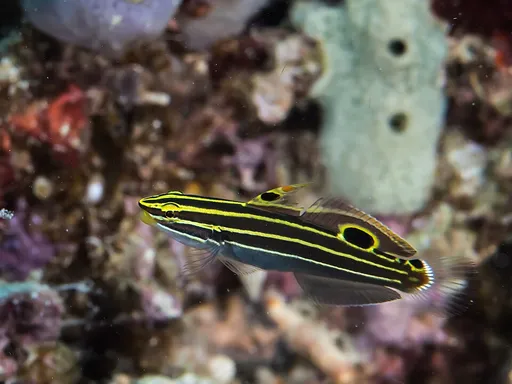 3.1 in (8 cm)20 gal (75 L)73–81°F (23–27°C)
Hector's goby
Koumansetta hectori
3.1 in (8 cm) · 20 gal (75 L)
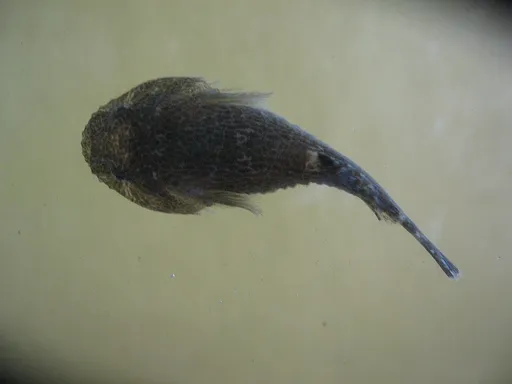 3.1 in (8 cm)20 gal (76 L)72–79°F (22–26°C)
Skilletfish
Gobiesox strumosus
3.1 in (8 cm) · 20 gal (76 L)