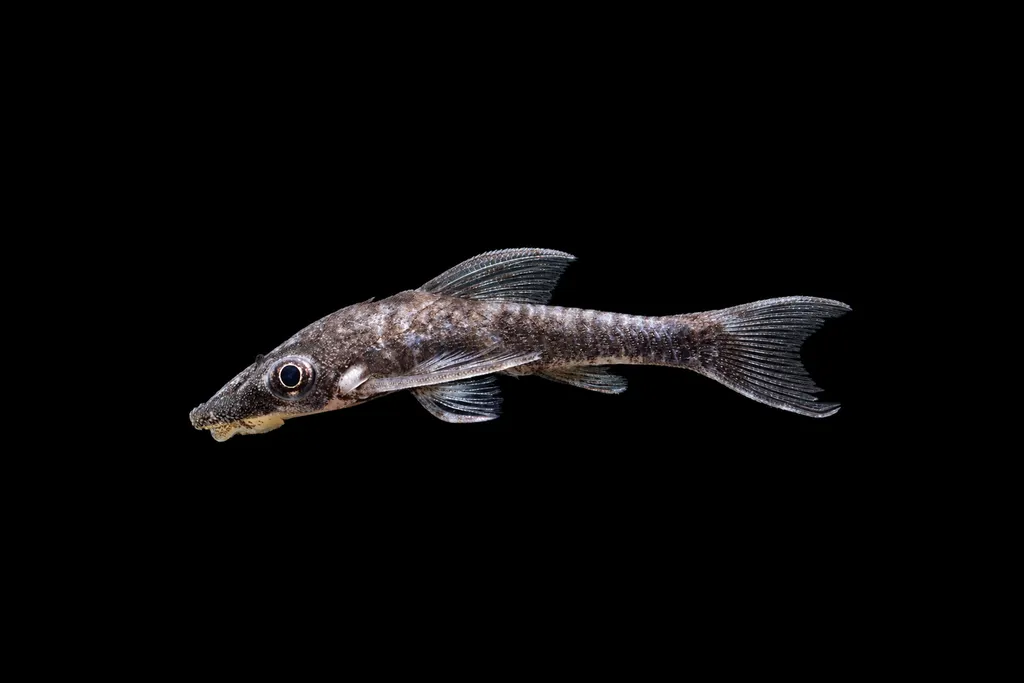
Vampire otocinclus
Nannoptopoma sternoptychum
Also known as Sternoptychum oto
FreshwaterFish
Care at a glance
- Temperature
- 75–82°F
- 24–28°C
- pH
- 6.0–7.5
- Adult size
- 1.6 in
- 4 cm
- Minimum tank
- 14 gal
- 54 L
- Temperament
- Peaceful
- Social behavior
- Social
- Swim level
- Bottom
- Diet
- Herbivore
- Difficulty
- Medium
- Breeding
- Medium
- Rarity
- Rare
- Family
- Loricariidae
- Origin
- Upper Amazon channels
Overview
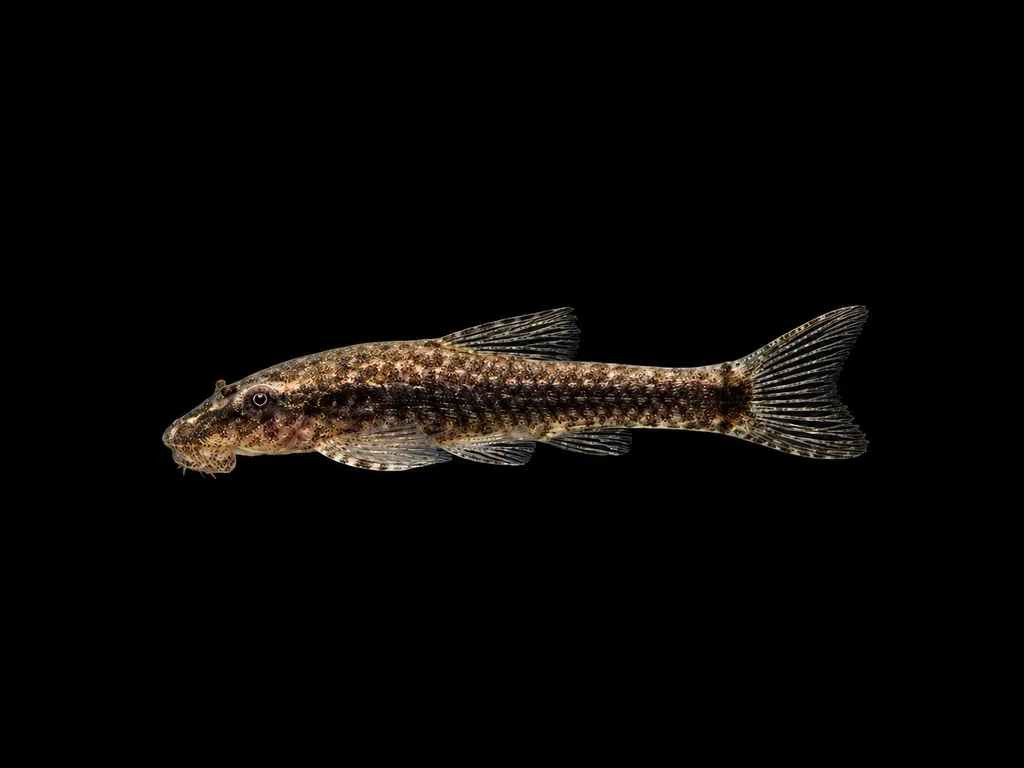
The vampire otocinclus is a tiny, peaceful algae grazer for a mature community tank. Its dramatic name is only a trade label, since it eats biofilm, not blood or fish. It is a step up in care from a beginner fish.
Did you know
For all the menace in its name, nothing about the vampire otocinclus bites. The trade simply found that a pale little catfish sells better when it is called a vampire.
Caring for the vampire otocinclus
Give a group of vampire otocinclus a tank of at least 14 gal (54 L). Use a mature, gently filtered tank with plenty of driftwood, leaves and broad-leaved plants for them to work over. Because they feed on natural biofilm, an established, algae-friendly tank suits them far better than a spotless new one.
Keep the water calm and clean, soft to neutral, at 75 to 82°F (24 to 28°C) and a pH of 6.0 to 7.5. Besides the biofilm, top up with algae wafers, blanched vegetables and the occasional frozen morsel.
The vampire otocinclus is a social fish, and a group of six or more is bold and active. It spends its time on wood, rock, leaves and glass, rasping at the film that grows there. It is peaceful and suits a quiet community of small, gentle fish.
Breeding is of moderate difficulty and depends on a well-fed, settled group. Small loricariids like this one lay a few eggs at a time, in caves or on open surfaces.
Good to know
Nannoptopoma sternoptychum is a member of the armored catfish family, Loricariidae, and a true dwarf. Like the true otocinclus, it grazes with a sucker mouth and does no harm to plants or fish.
In the wild
The vampire otocinclus lives in the margins and channels of the upper Amazon and nearby river systems. It clings to submerged wood and roots there and grazes the surfaces.
Weekly picks
Tank mates
The vampire otocinclus is a peaceful, social species that keeps to the bottom. These picks share a community profile with it, are safe together in both directions, and overlap on water type, temperature and pH.
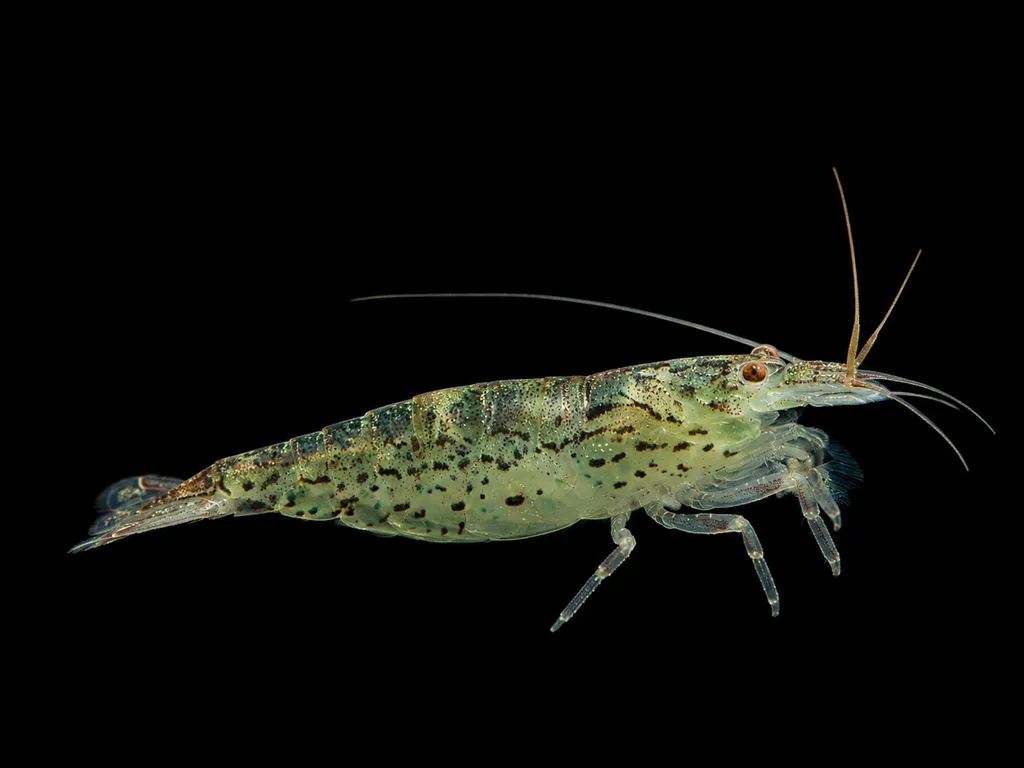
Green lace shrimp
Atyoida pilipes
Freshwater2.8 in (7 cm) · 14 gal (54 L)73–82°F (23–28°C)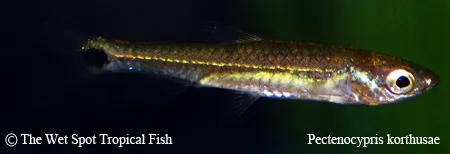
Korthaus rasbora
Pectenocypris korthausae
Freshwater1.7 in (4.2 cm) · 14 gal (54 L)73–82°F (23–28°C)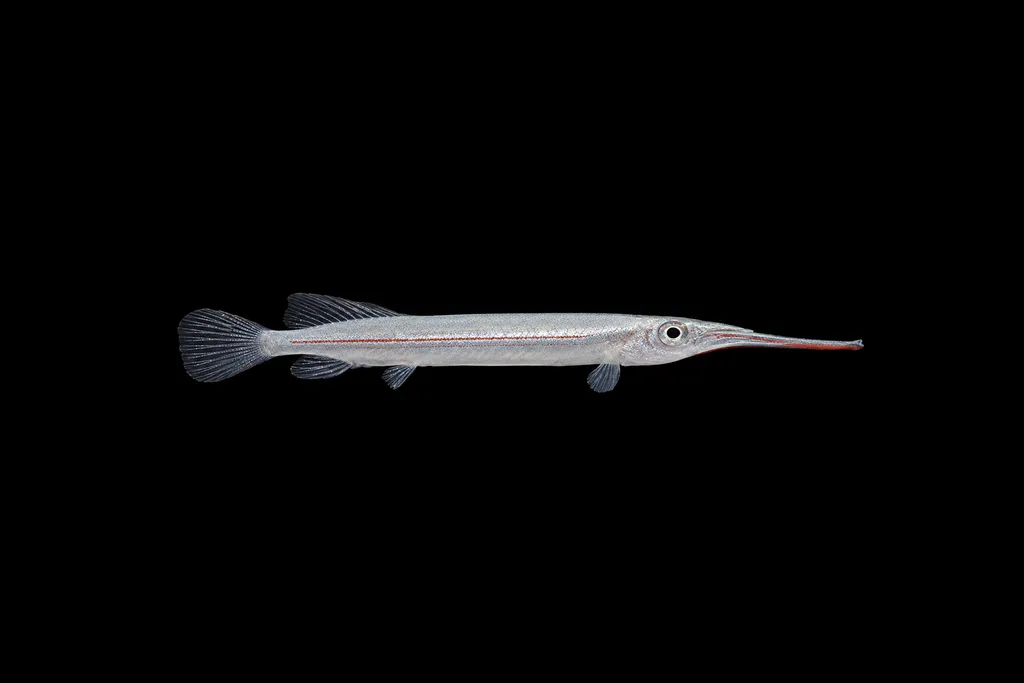
Fire halfbeak
Hemirhamphodon kapuasensis
Freshwater2.4 in (6 cm) · 14 gal (54 L)73–81°F (23–27°C)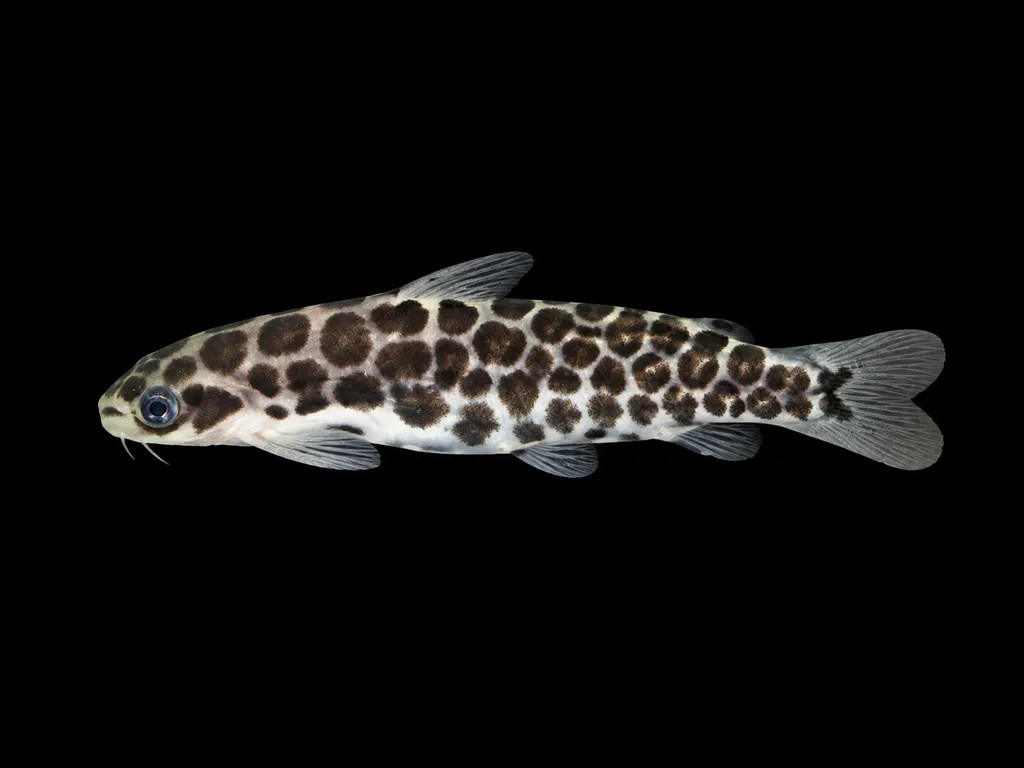
Honeycomb tatia
Duringlanis altae
Freshwater1.6 in (4 cm) · 14 gal (54 L)73–82°F (23–28°C)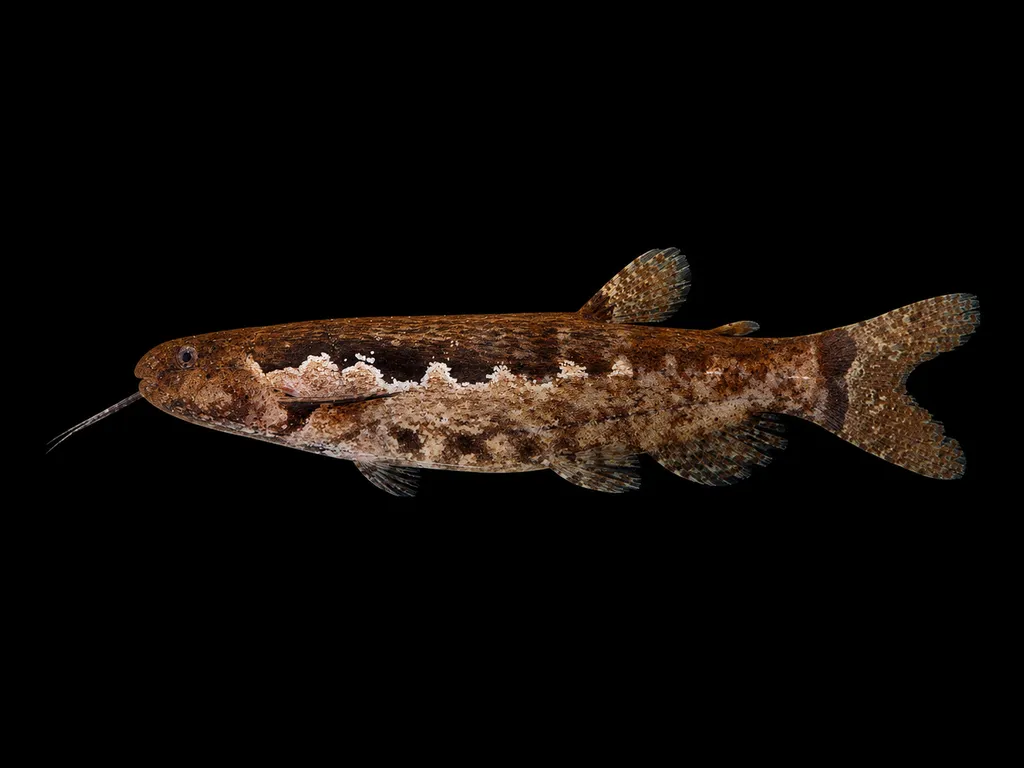
Marbled helogenes
Helogenes marmoratus
Freshwater3.1 in (8 cm) · 14 gal (54 L)73–82°F (23–28°C)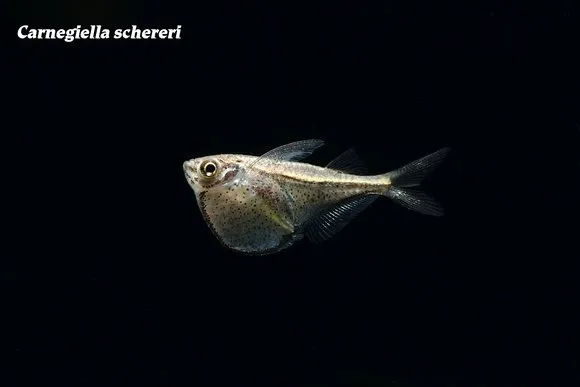
Scherer's hatchetfish
Carnegiella schereri
Freshwater1 in (2.6 cm) · 14 gal (54 L)73–82°F (23–28°C)
Common questions
What size tank does a vampire otocinclus need?
A vampire otocinclus needs at least 14 gal (54 L). It spends most of its time in the bottom.
What temperature and pH does a vampire otocinclus need?
A vampire otocinclus is comfortable at 75–82°F (24–28°C) with a pH of 6.0–7.5.
What does a vampire otocinclus eat?
A vampire otocinclus grazes the biofilm that grows in a mature tank. Top it up with algae wafers, blanched vegetables and the occasional frozen morsel.
How big does a vampire otocinclus get?
An adult vampire otocinclus reaches about 1.6 in (4 cm).
How does a vampire otocinclus breed?
Vampire otocinclus breed best in a well-fed, settled group, and breeding them is of moderate difficulty. Small loricariids like them lay a few eggs at a time, in caves or on open surfaces.
Related species
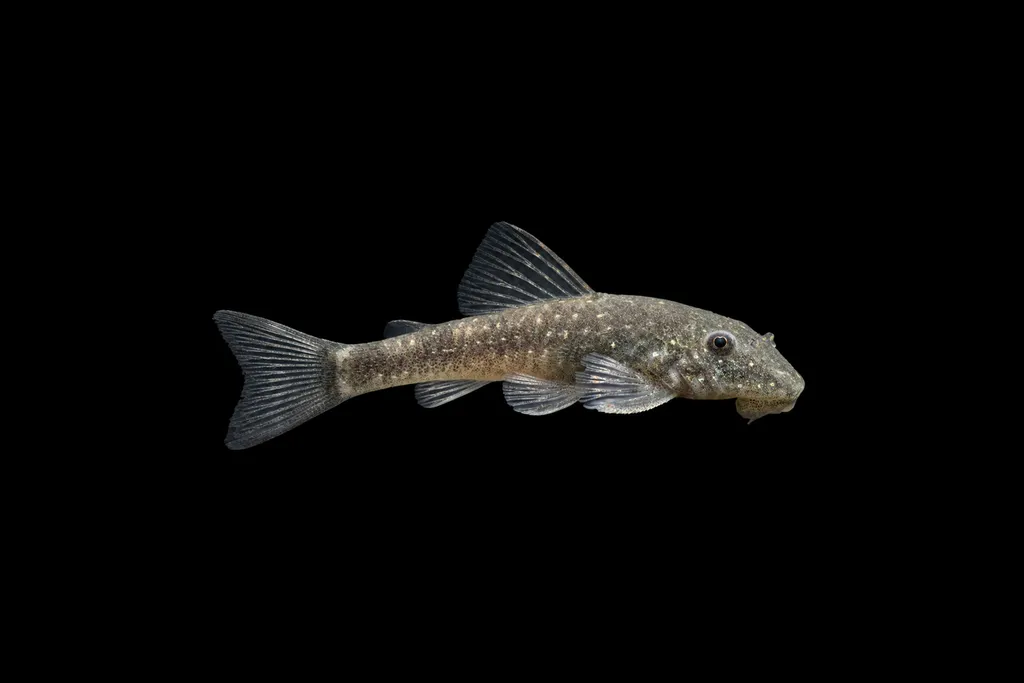 1.6 in (4 cm)14 gal (54 L)72–81°F (22–27°C)
Bahia parotocinclus
Parotocinclus bahiensis
1.6 in (4 cm) · 14 gal (54 L)
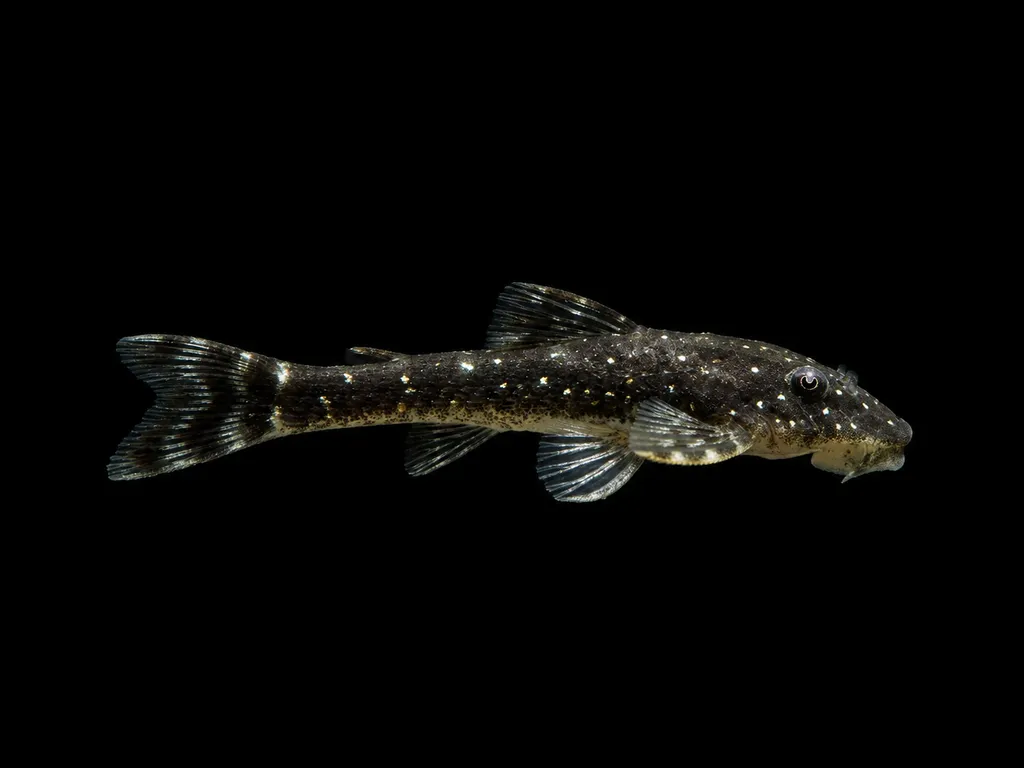 1.6 in (4 cm)14 gal (54 L)75–82°F (24–28°C)
Galaxy otocinclus
Parotocinclus haroldoi
1.6 in (4 cm) · 14 gal (54 L)
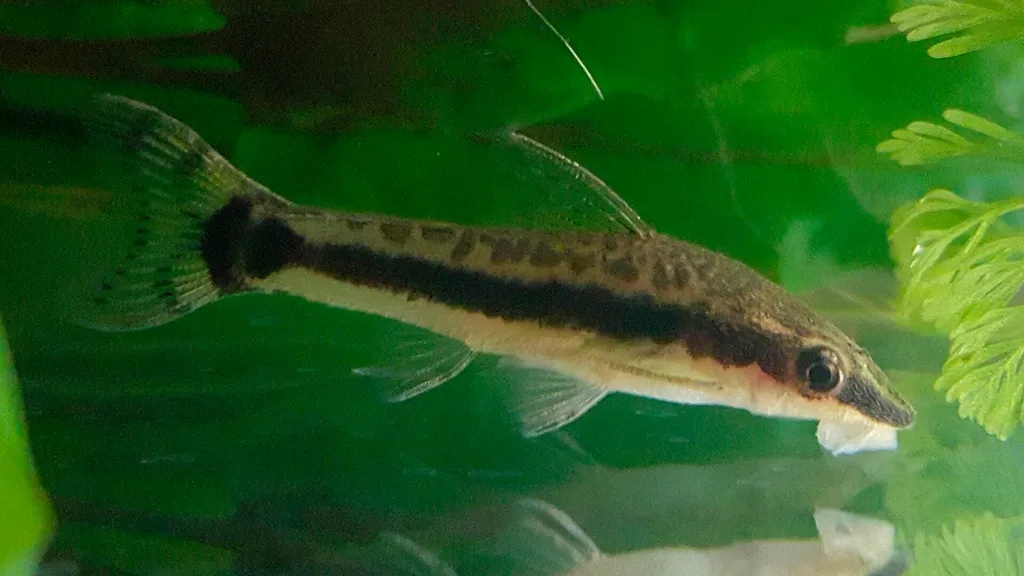 1.6 in (4 cm)14 gal (54 L)72–81°F (22–27°C)
Vestitus otocinclus
Otocinclus vestitus
1.6 in (4 cm) · 14 gal (54 L)
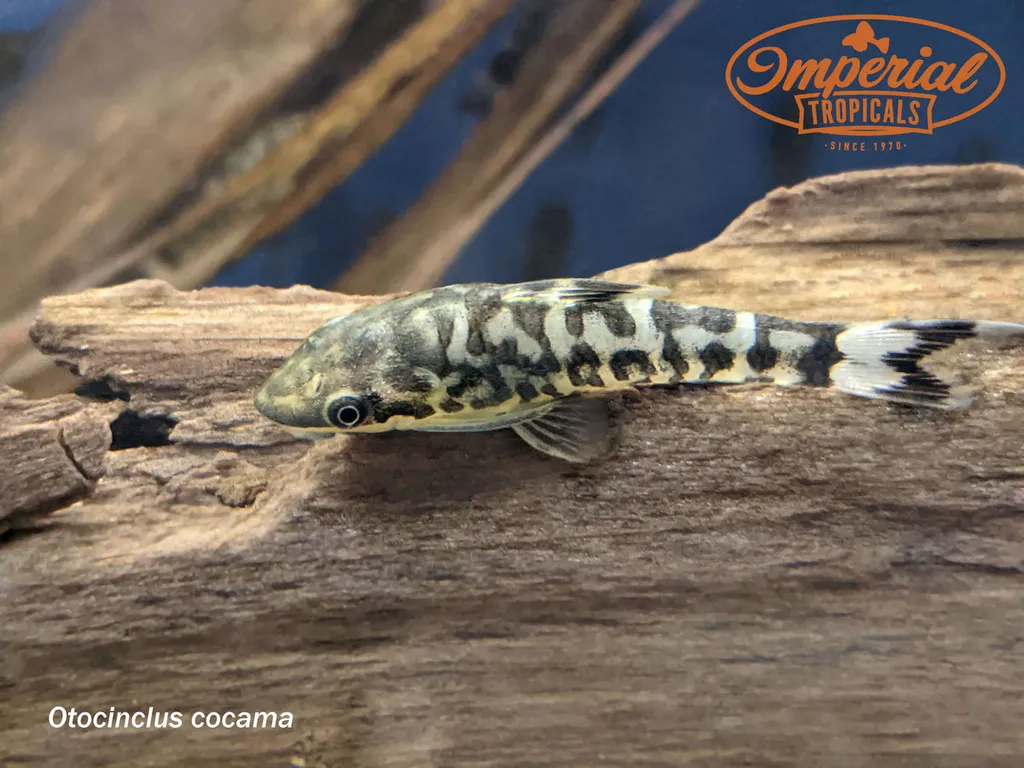 1.8 in (4.5 cm)11 gal (40 L)70–77°F (21–25°C)
Zebra dwarf sucker
Otocinclus cocama
1.8 in (4.5 cm) · 11 gal (40 L)
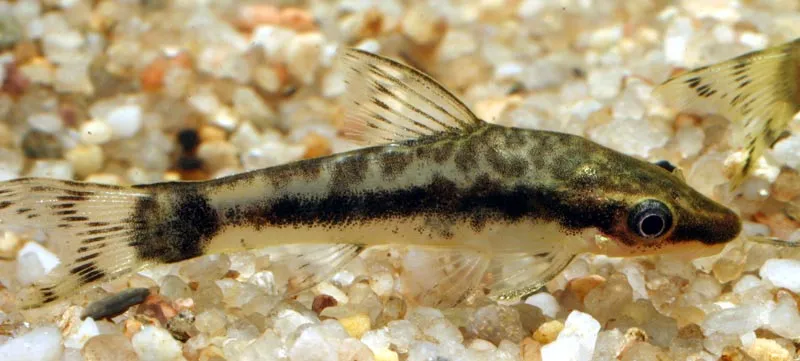 1.4 in (3.5 cm)11 gal (40 L)70–79°F (21–26°C)
Golden dwarf sucker
Otocinclus macrospilus
1.4 in (3.5 cm) · 11 gal (40 L)
 1.4 in (3.5 cm)14 gal (54 L)68–79°F (20–26°C)
Paraguay black otocinclus
Otothyropsis piribebuy
1.4 in (3.5 cm) · 14 gal (54 L)