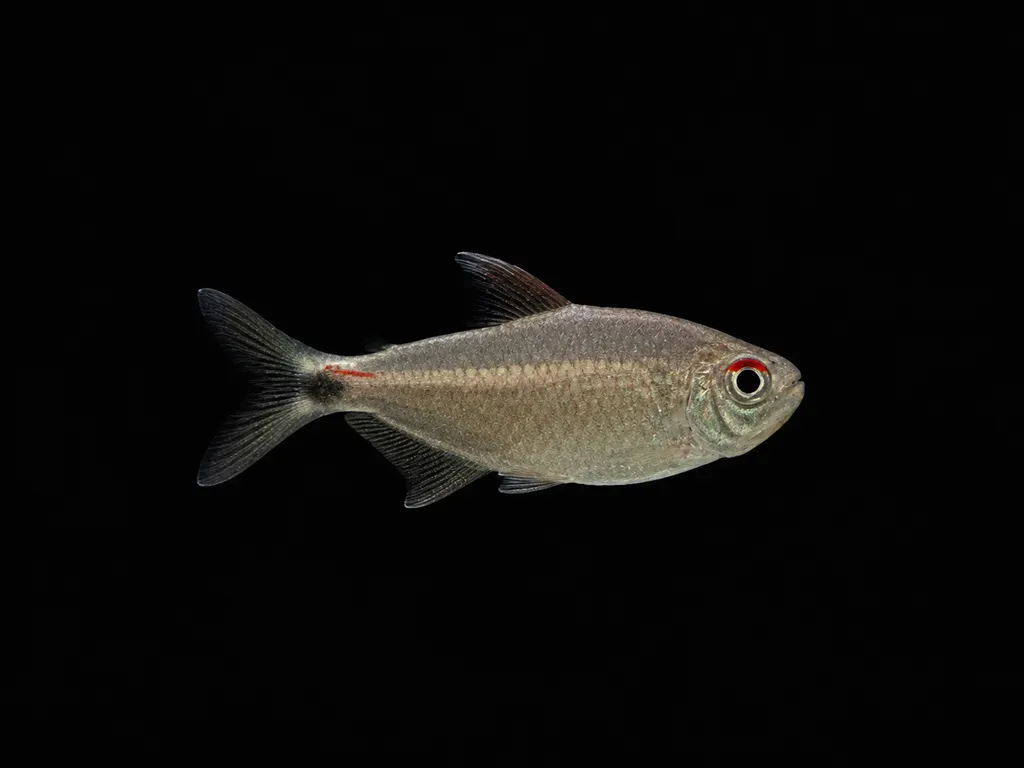
Bluntnose ceratobranchia
Ceratobranchia obtusirostris
Also known as Obtusirostris tetra, Blunt nose tetra
FreshwaterFish
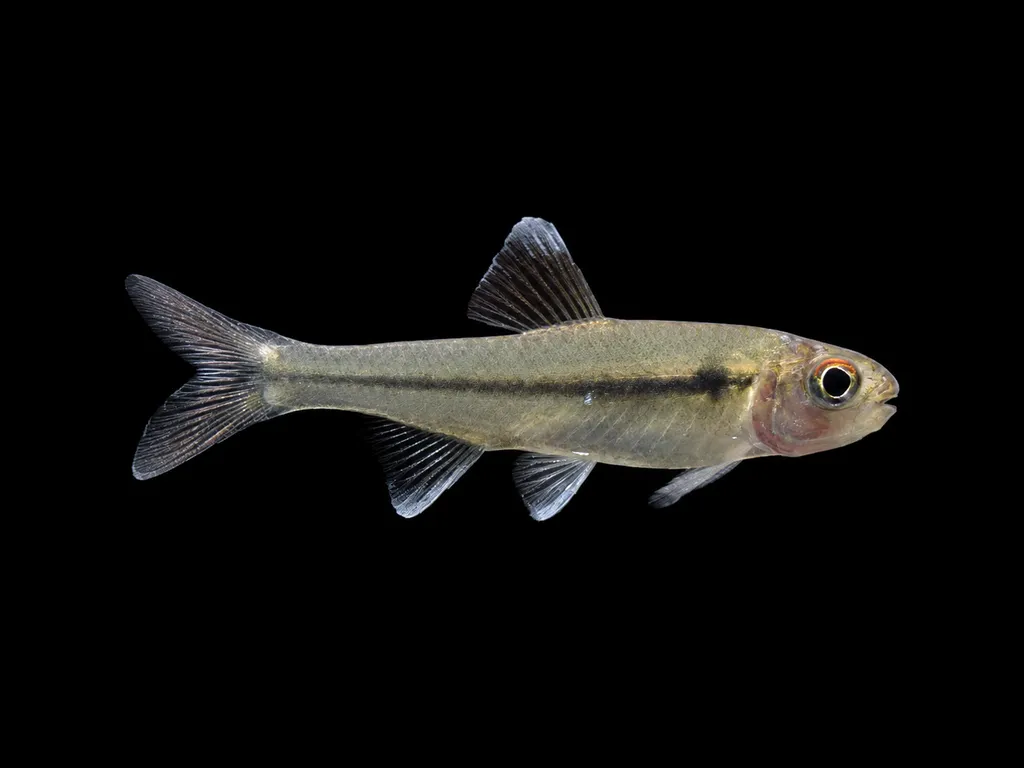
Care at a glance
- Temperature
- 72–81°F
- 22–27°C
- pH
- 5.5–7.0
- Adult size
- 2.4 in
- 6 cm
- Minimum tank
- 20 gal
- 75 L
- Temperament
- Peaceful
- Social behavior
- Schooling
- Swim level
- Middle
- Difficulty
- Medium
- Breeding
- Egg scatterer
- Rarity
- Rare
- Family
- Characidae
- Origin
- Andean foothill streams of Peru and Ecuador
Overview
The bluntnose ceratobranchia is an active, peaceful schooling fish for a river-style tank with steady current. It is a step up from the easiest fish.
Did you know
The bluntnose ceratobranchia lives high in the Andean foothills, in water that has only recently left the mountains. Those clear, cool streams run down to join the Amazon lowlands.
Caring for the bluntnose ceratobranchia
Keep the bluntnose ceratobranchia in a group of at least eight, in a roomy tank of 20 gal (75 L) or more. It swims in open midwater, so leave plenty of open swimming space. A firm sand and rock bottom with some driftwood suits it.
It likes a river-style setup, with brisk flow from the filter or a powerhead and plenty of dissolved oxygen. Keep the temperature toward the lower tetra range, 72 to 81°F (22 to 27°C), with a pH of 5.5 to 7.0. It is a hearty feeder, so offer quality flake and micro pellets. Add regular frozen or live foods such as daphnia, bloodworm and brine shrimp.
The bluntnose ceratobranchia is active and peaceful. Keep it with other robust but gentle midwater fish that enjoy moving water, such as other tetras and small barbs. Bottom fish like corydoras suit it too. Like related characins, it is an egg scatterer, but its breeding is not recorded in aquariums.
Good to know
Ceratobranchia obtusirostris was described by Eigenmann in 1914 and belongs to the characins, family Characidae. Its species name means blunt-snouted, for its rounded face. It is one of only about five small species in its genus, which spreads across the upper Amazon of Peru, Ecuador and Venezuela.
In the wild
The bluntnose ceratobranchia lives in cooler, fast, well-oxygenated foothill streams on the eastern slope of the Andes. These streams lie in Peru and Ecuador, and clear water runs over their sand and gravel.
Weekly picks
Tank mates
The bluntnose ceratobranchia is a peaceful, schooling species that keeps to the middle. These picks share a community profile with it, are safe together in both directions, and overlap on water type, temperature and pH.
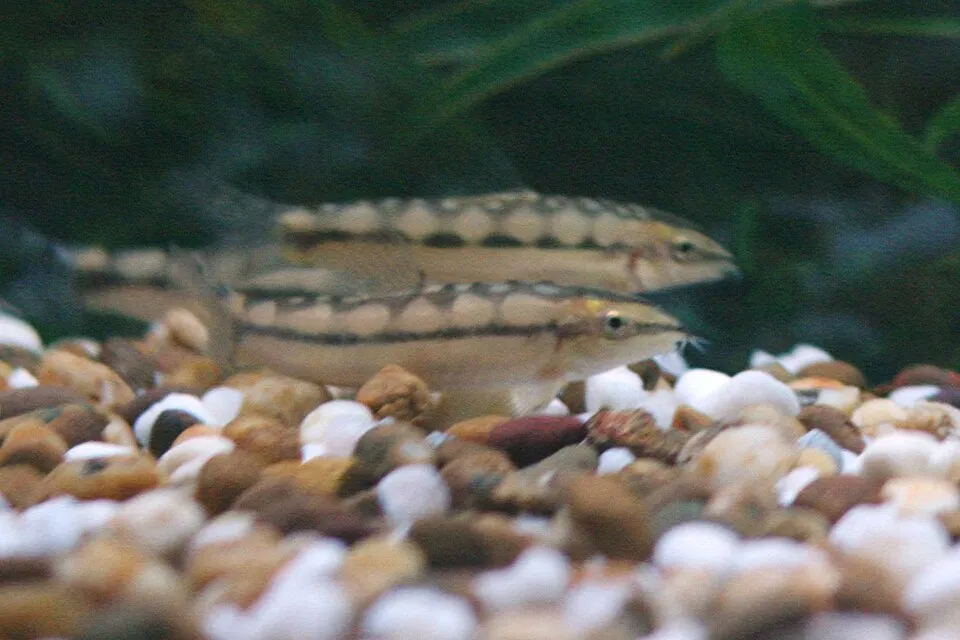
Dwarf botia
Ambastaia sidthimunki
Freshwater2.4 in (6 cm) · 20 gal (75 L)68–86°F (20–30°C)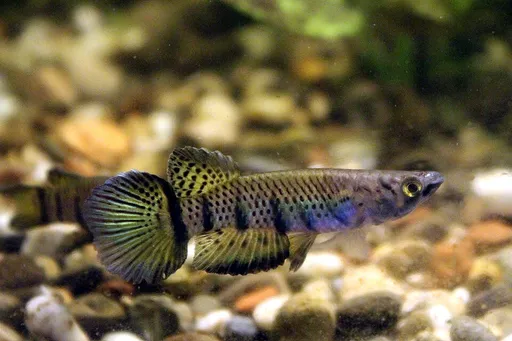
Six-barred panchax
Epiplatys sexfasciatus
Freshwater3.9 in (10 cm) · 20 gal (75 L)72–81°F (22–27°C)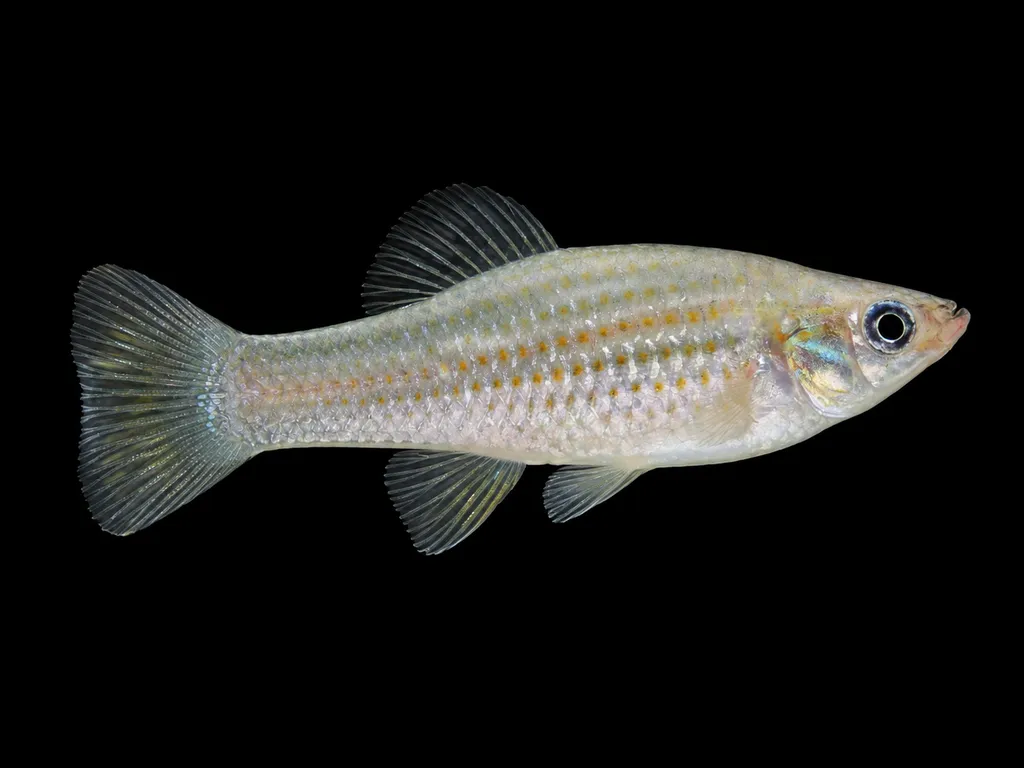
Amazon molly
Poecilia formosa
Freshwater3.5 in (9 cm) · 20 gal (75 L)68–82°F (20–28°C)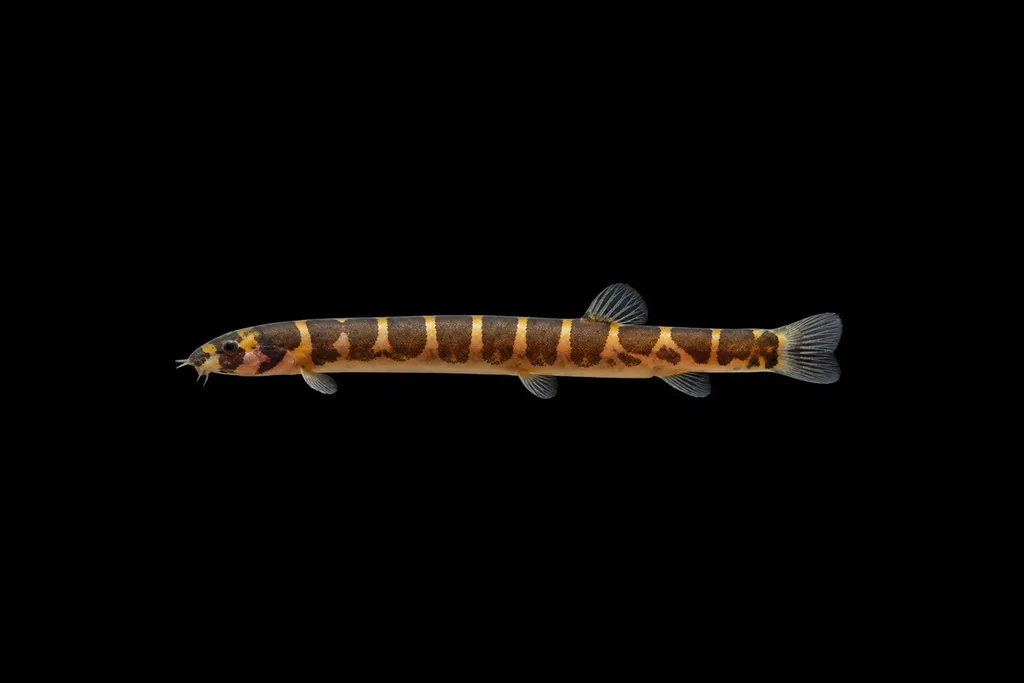
Borneo kuhli loach
Pangio borneensis
Freshwater2.5 in (6.3 cm) · 20 gal (75 L)72–81°F (22–27°C)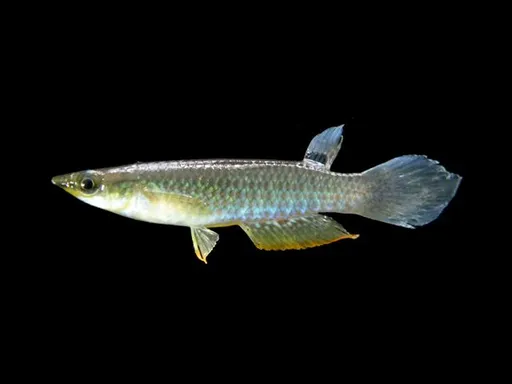
Blue panchax
Aplocheilus panchax
Freshwater3.5 in (9 cm) · 20 gal (75 L)72–82°F (22–28°C)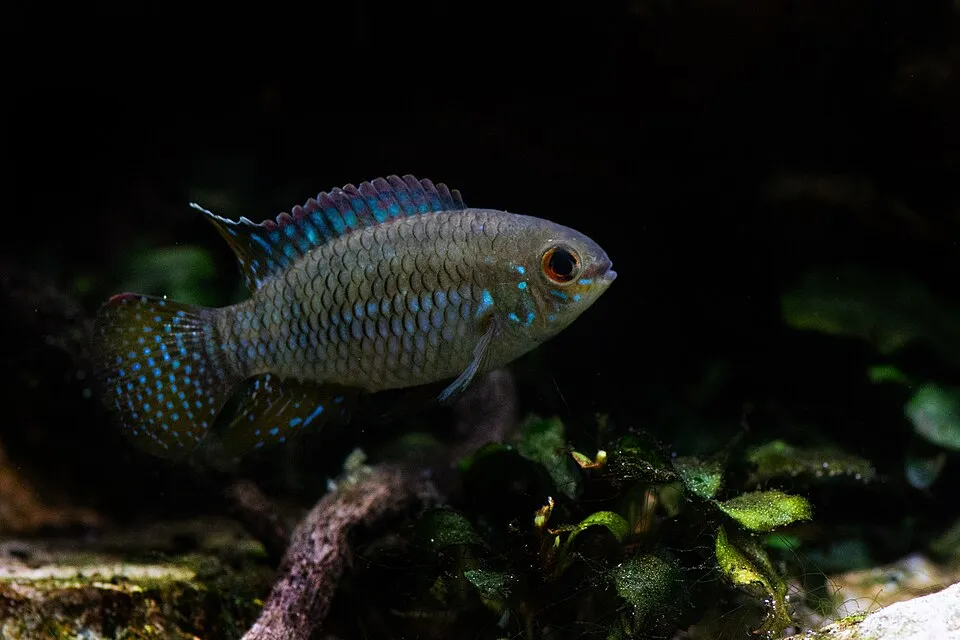
Dwarf flag cichlid
Laetacara curviceps
Freshwater2.2 in (5.5 cm) · 20 gal (75 L)68–82°F (20–28°C)
Common questions
What size tank does a bluntnose ceratobranchia need?
A bluntnose ceratobranchia needs at least 20 gal (75 L). It spends most of its time in the middle.
What temperature and pH does a bluntnose ceratobranchia need?
A bluntnose ceratobranchia is comfortable at 72–81°F (22–27°C) with a pH of 5.5–7.0.
What does a bluntnose ceratobranchia eat?
A bluntnose ceratobranchia is a hearty feeder that takes quality flake and micro pellets. It also eats regular frozen or live foods such as daphnia, bloodworm and brine shrimp.
How big does a bluntnose ceratobranchia get?
An adult bluntnose ceratobranchia reaches about 2.4 in (6 cm).
Does a bluntnose ceratobranchia need a group?
Yes. A bluntnose ceratobranchia is a schooling species and should be kept in a group, not singly.
How does a bluntnose ceratobranchia breed?
The bluntnose ceratobranchia is an egg scatterer, like related characins. Its breeding has not been recorded in aquariums.
Related species
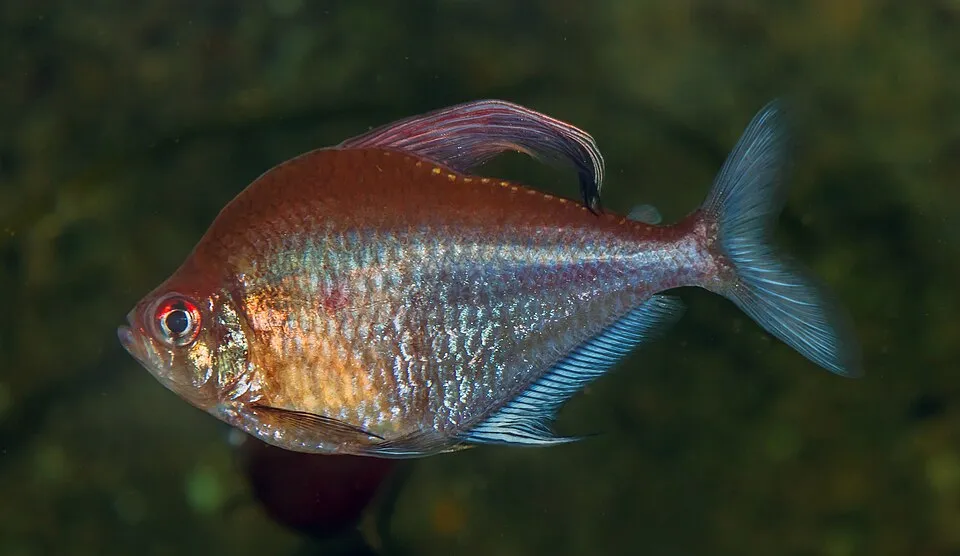 2.4 in (6 cm)20 gal (75 L)70–81°F (21–27°C)
Bleeding heart tetra
Hyphessobrycon erythrostigma
2.4 in (6 cm) · 20 gal (75 L)
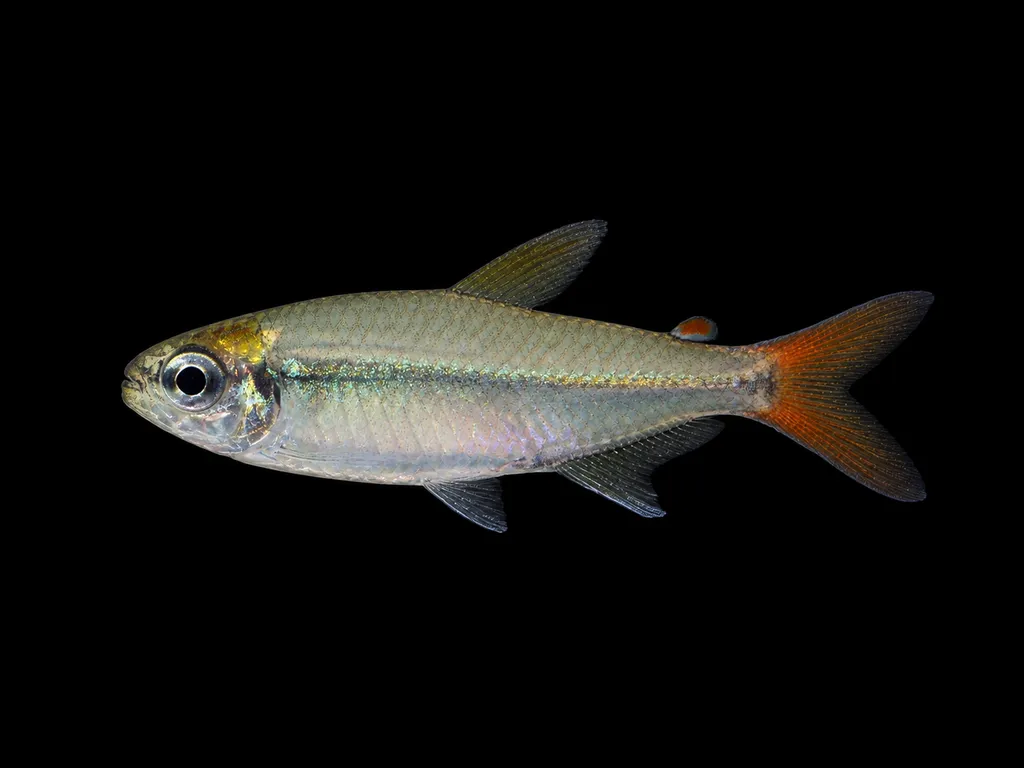 2.4 in (6 cm)20 gal (75 L)73–82°F (23–28°C)
Cope's tetra
Moenkhausia copei
2.4 in (6 cm) · 20 gal (75 L)
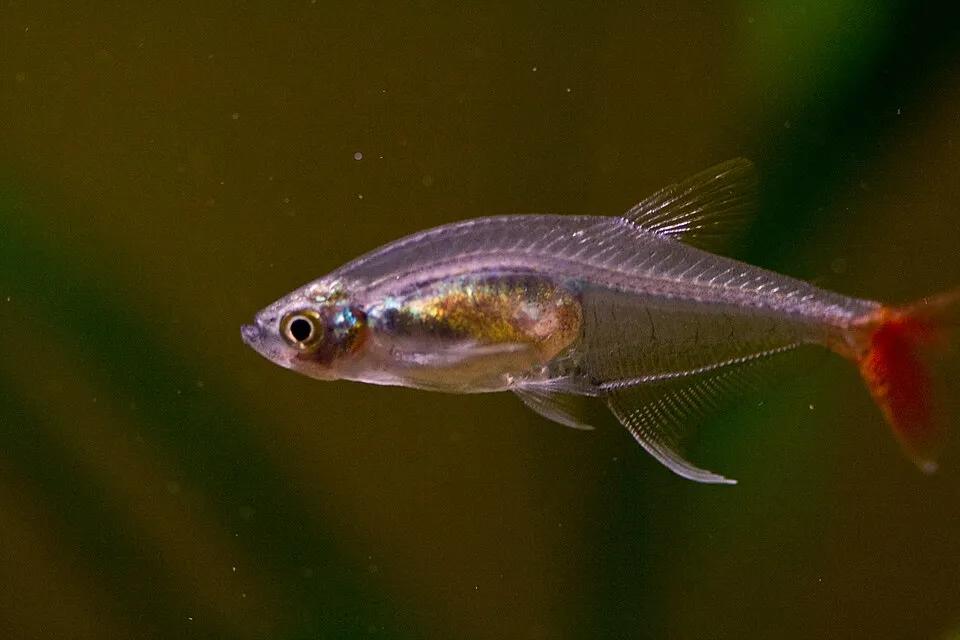 2.4 in (6 cm)20 gal (75 L)73–81°F (23–27°C)
Glass bloodfin tetra
Prionobrama filigera
2.4 in (6 cm) · 20 gal (75 L)
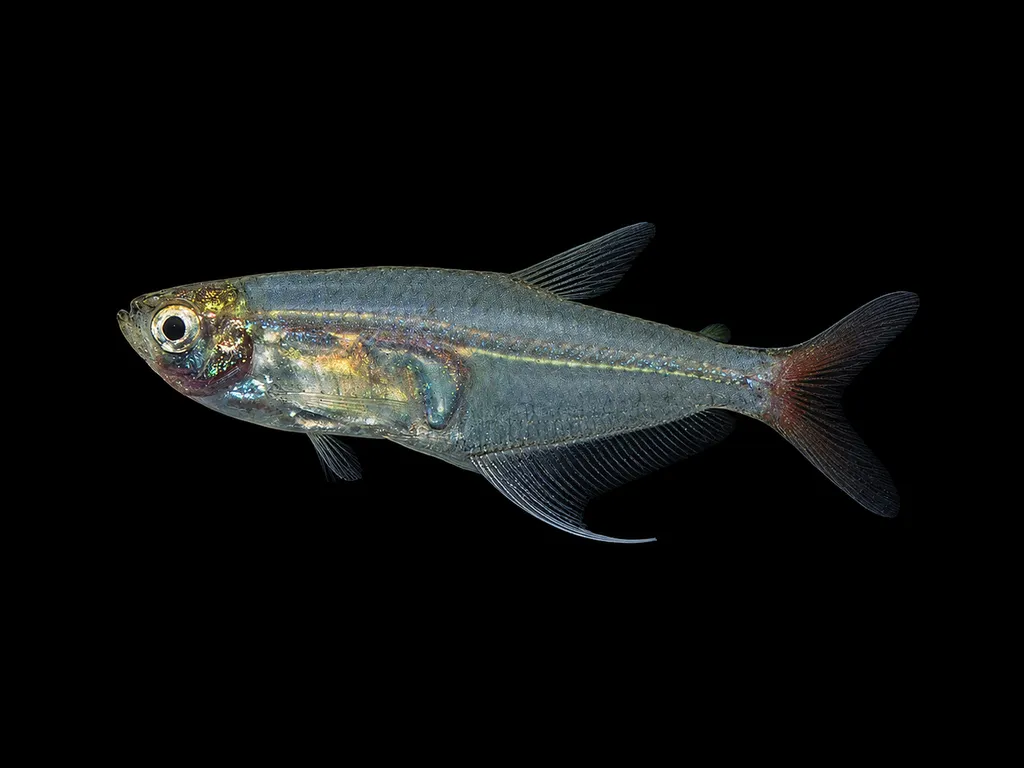 2.4 in (6 cm)20 gal (75 L)68–81°F (20–27°C)
Paraguay glass tetra
Prionobrama paraguayensis
2.4 in (6 cm) · 20 gal (75 L)
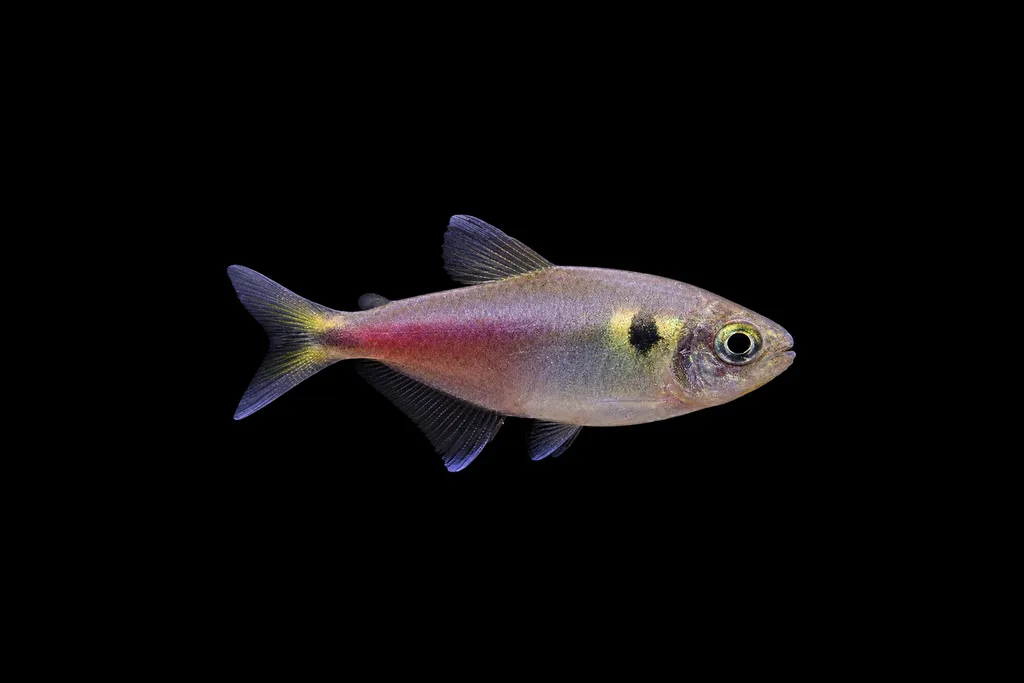 2.4 in (6 cm)21 gal (80 L)72–81°F (22–27°C)
Pastel lily tetra
Psalidodon xavante
2.4 in (6 cm) · 21 gal (80 L)
 2.4 in (6 cm)20 gal (75 L)73–82°F (23–28°C)
Preto tetra
Moenkhausia pretoensis
2.4 in (6 cm) · 20 gal (75 L)