Glass bloodfin tetra
Prionobrama filigera
Also known as Glass blood fin tetra
FreshwaterFish
Care at a glance
- Temperature
- 73–81°F
- 23–27°C
- pH
- 6.0–7.5
- Adult size
- 2.4 in
- 6 cm
- Minimum tank
- 20 gal
- 75 L
- Temperament
- Peaceful
- Social behavior
- Schooling
- Swim level
- Middle
- Difficulty
- Easy
- Breeding
- Egg scatterer · Hard
- Rarity
- Common
- Family
- Characidae
- Origin
- South America
Overview
The glass bloodfin tetra is a peaceful, active schooler for a calm community tank, and it is simple to keep.
Caring for the glass bloodfin tetra
Keep glass bloodfin tetras in a school of six or more, in a tank of at least 20 gal (75 L). They are busy swimmers that hold to the middle and upper water, so leave some open midwater space. Plant the tank and keep the flow gentle.
Hold the water at 73 to 81°F (23 to 27°C), soft to neutral, with a pH of 6.0 to 7.5. Feed flake and micro pellets, with the odd frozen daphnia or mosquito larvae.
Glass bloodfin tetras are peaceful and active, and they mix fine with other small, gentle species. They scatter their eggs and give no parental care, and breeding them in a tank is difficult.
Good to know
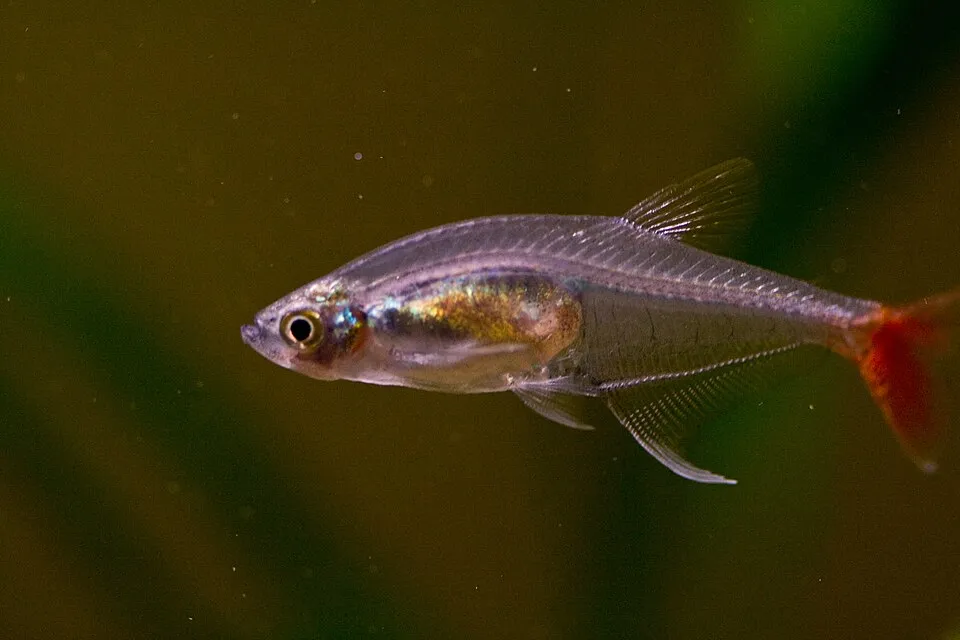
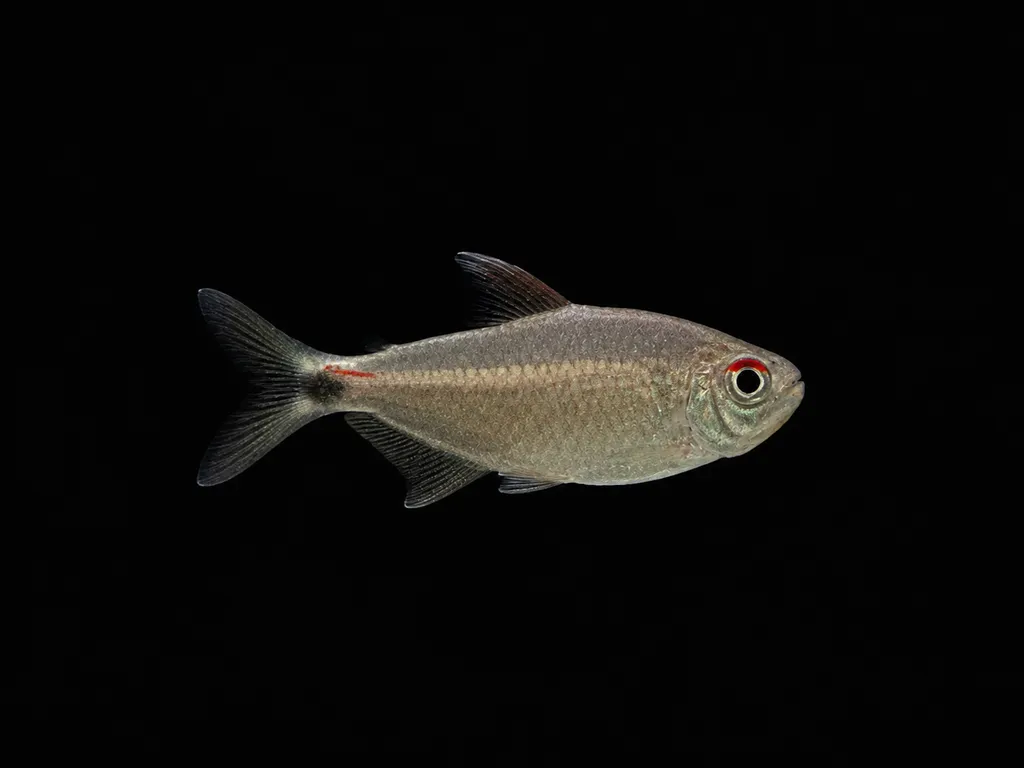
Prionobrama filigera is a characin in the family Characidae. You can see its internal structure through the largely transparent body, and the red tail fin gives it the bloodfin name. The species is listed as Least Concern, with stable wild populations.
In the wild
The glass bloodfin tetra lives in clear to lightly tannin-stained rivers of central South America, including the Paraguay, Parana and Guapore basins. These are slow to moderate waters with plenty of plants and a fine sand or mud bottom. There it eats small insects, crustaceans and zooplankton.
Weekly picks
Tank mates
The glass bloodfin tetra is a peaceful, schooling species that keeps to the middle. These picks share a community profile with it, are safe together in both directions, and overlap on water type, temperature and pH.
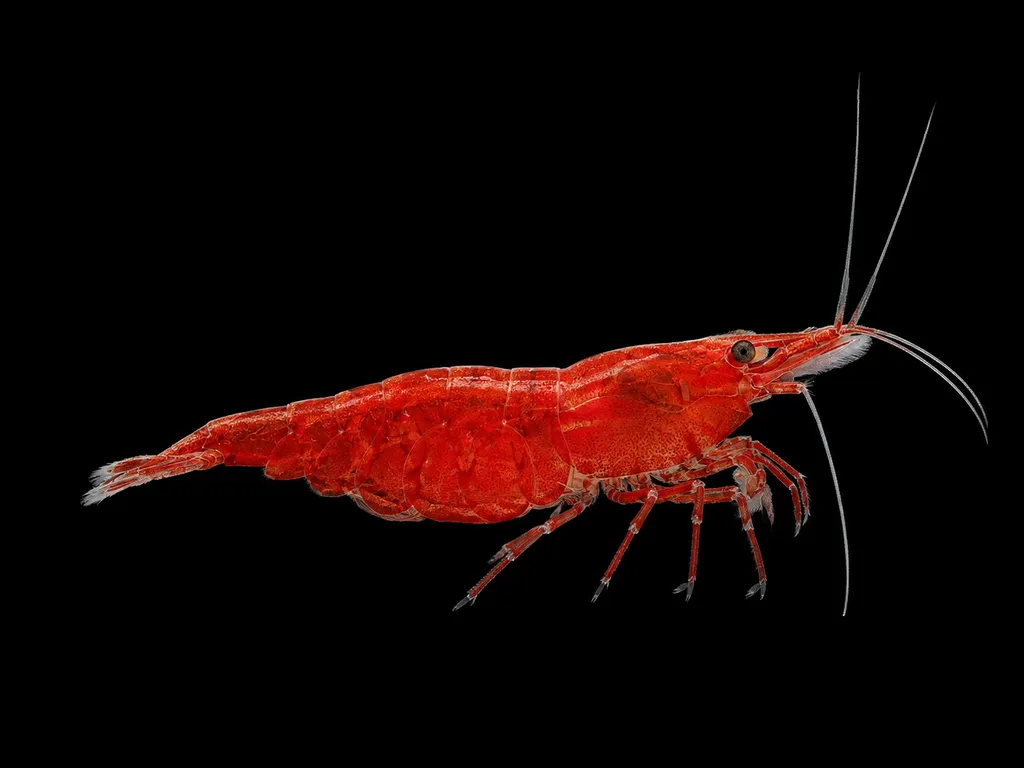
Neocaridina shrimp
Neocaridina davidi
Freshwater1.6 in (4 cm) · 5 gal (19 L)59–84°F (15–29°C)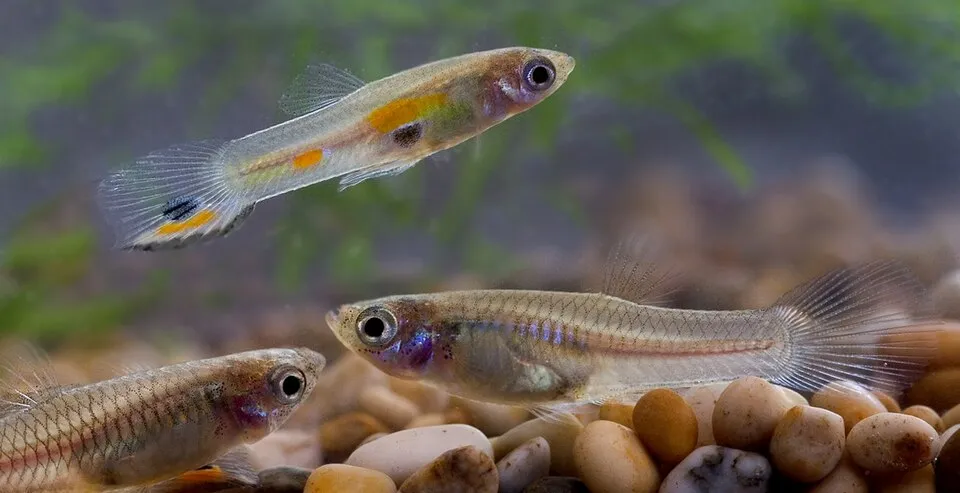
Guppy
Poecilia reticulata
FreshwaterBrackish2.4 in (6 cm) · 10 gal (38 L)64–82°F (18–28°C)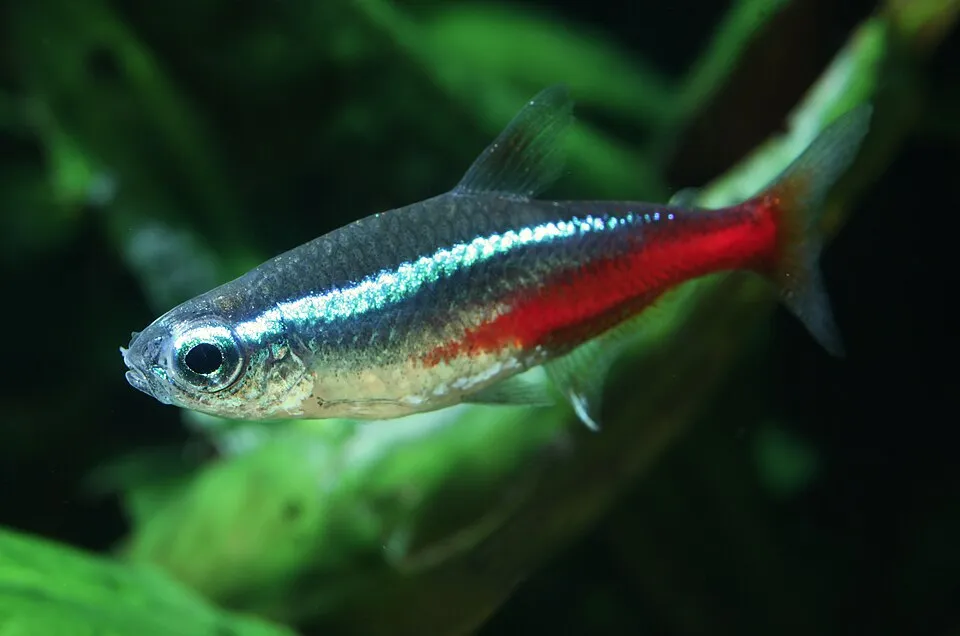
Neon tetra
Paracheirodon innesi
Freshwater1.5 in (3.8 cm) · 11 gal (40 L)70–77°F (21–25°C)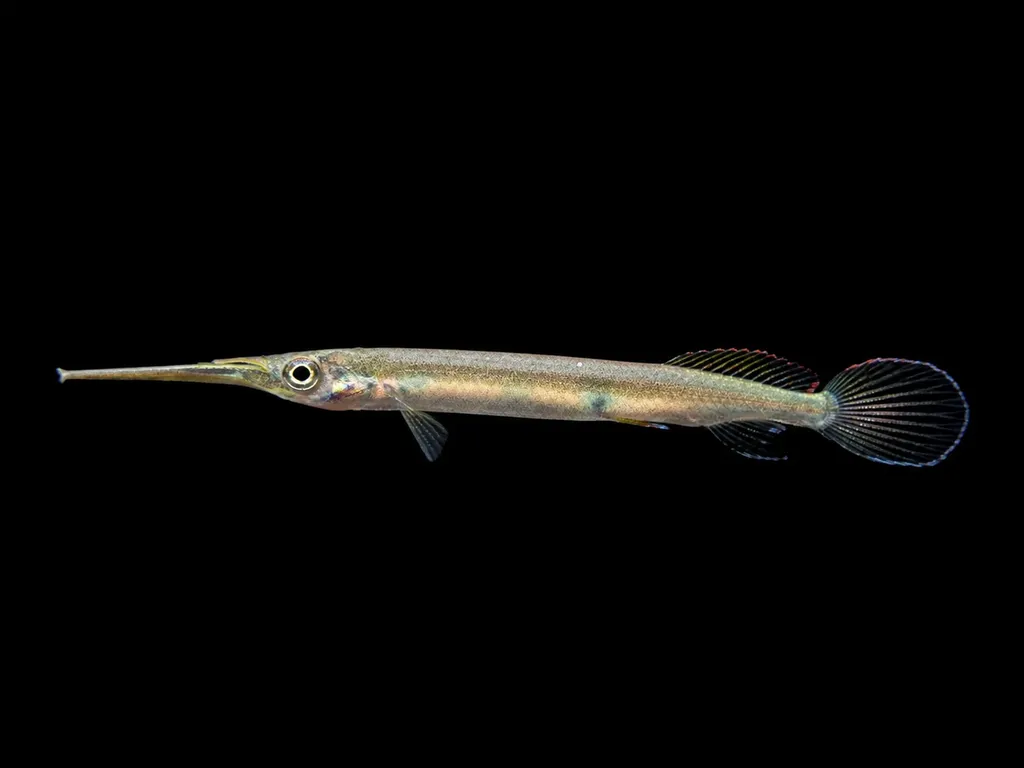
Kuekenthal's halfbeak
Hemirhamphodon kuekenthali
Freshwater3.3 in (8.5 cm) · 20 gal (75 L)73–81°F (23–27°C)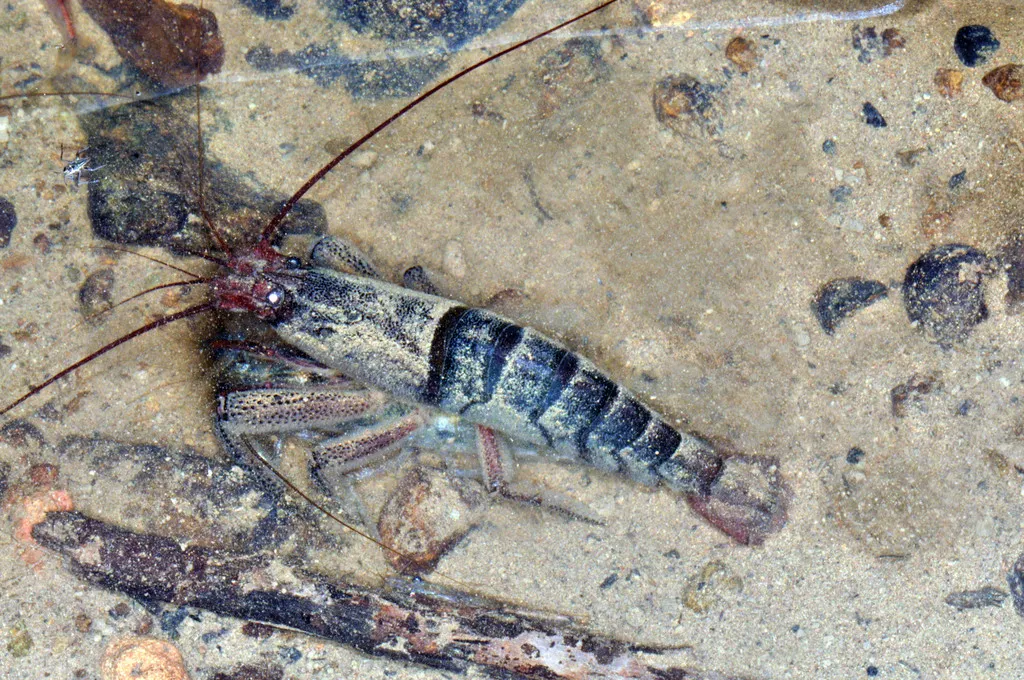
Marble wood shrimp
Atya scabra
Freshwater3.9 in (10 cm) · 20 gal (75 L)73–82°F (23–28°C)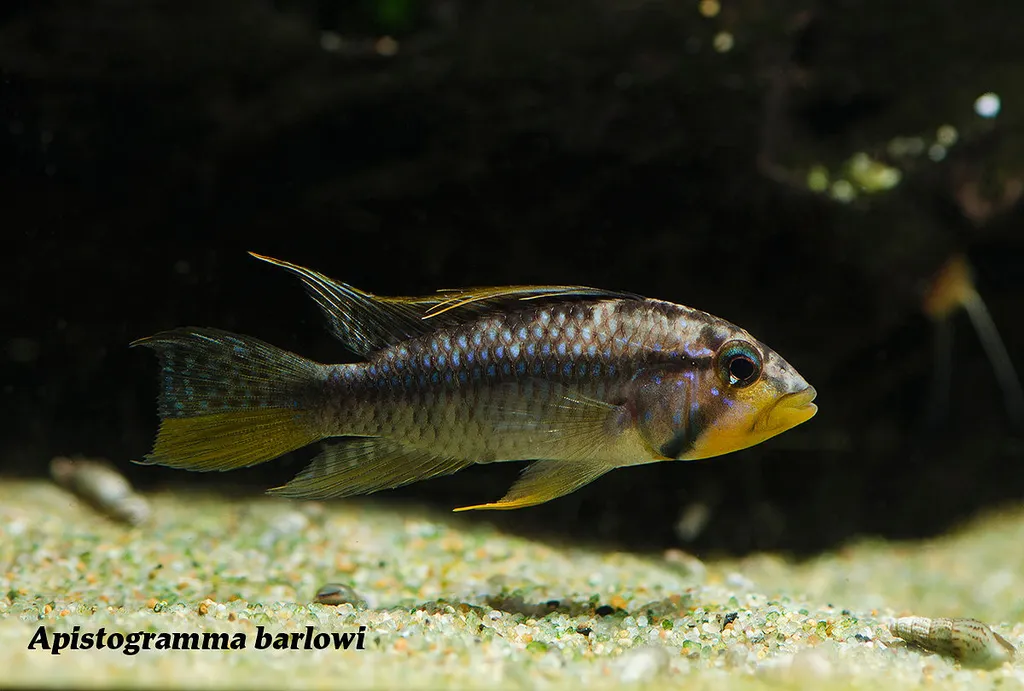
Barlow's dwarf cichlid
Apistogramma barlowi
Freshwater3.1 in (8 cm) · 20 gal (75 L)73–82°F (23–28°C)
Common questions
What size tank does a glass bloodfin tetra need?
A glass bloodfin tetra needs at least 20 gal (75 L). It spends most of its time in the middle.
What temperature and pH does a glass bloodfin tetra need?
A glass bloodfin tetra is comfortable at 73–81°F (23–27°C) with a pH of 6.0–7.5.
What does a glass bloodfin tetra eat?
A glass bloodfin tetra eats flake and micro pellets in the tank, with the odd frozen daphnia or mosquito larvae.
How big does a glass bloodfin tetra get?
An adult glass bloodfin tetra reaches about 2.4 in (6 cm).
Does a glass bloodfin tetra need a group?
Yes. A glass bloodfin tetra is a schooling species and should be kept in a group, not singly.
How does a glass bloodfin tetra breed?
Glass bloodfin tetras scatter their eggs and give no parental care. Breeding them in a tank is difficult.
Related species
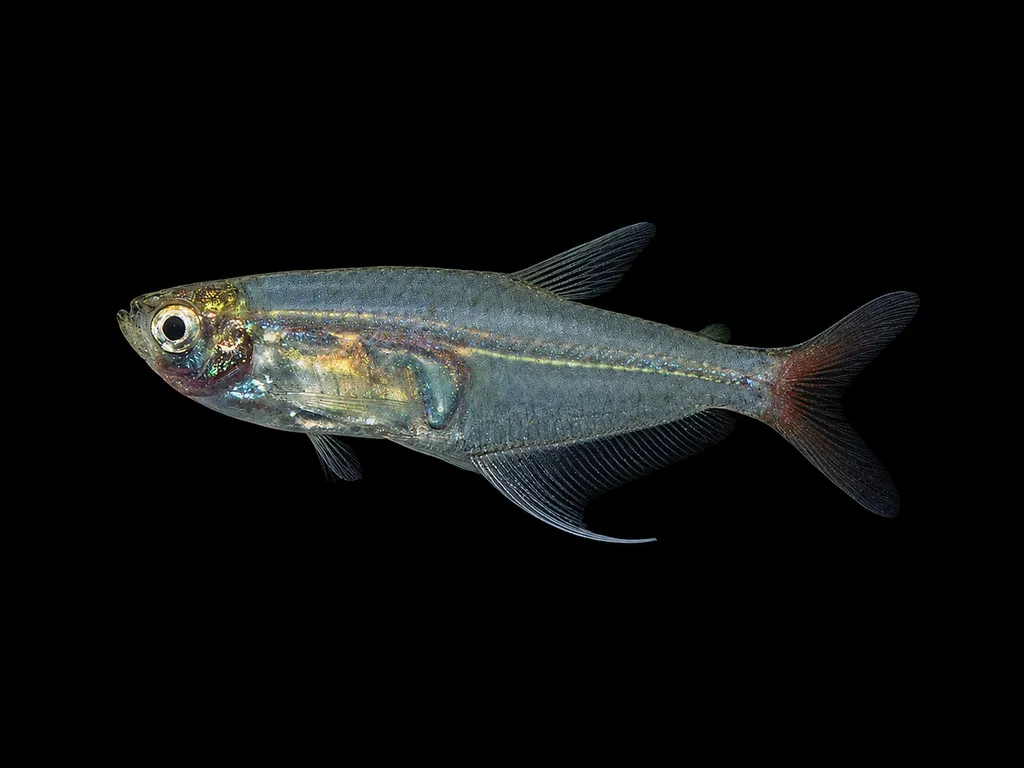 2.4 in (6 cm)20 gal (75 L)68–81°F (20–27°C)
Paraguay glass tetra
Prionobrama paraguayensis
2.4 in (6 cm) · 20 gal (75 L)
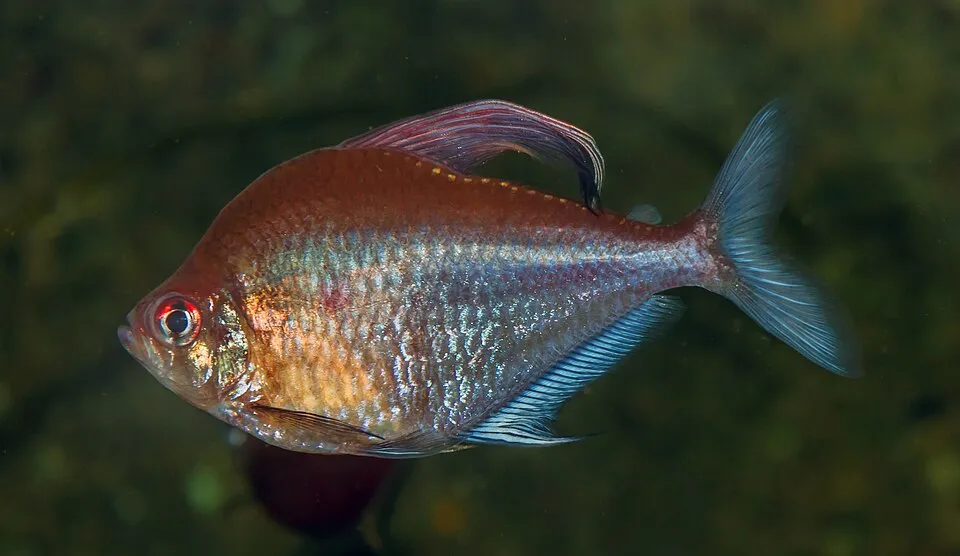 2.4 in (6 cm)20 gal (75 L)70–81°F (21–27°C)
Bleeding heart tetra
Hyphessobrycon erythrostigma
2.4 in (6 cm) · 20 gal (75 L)
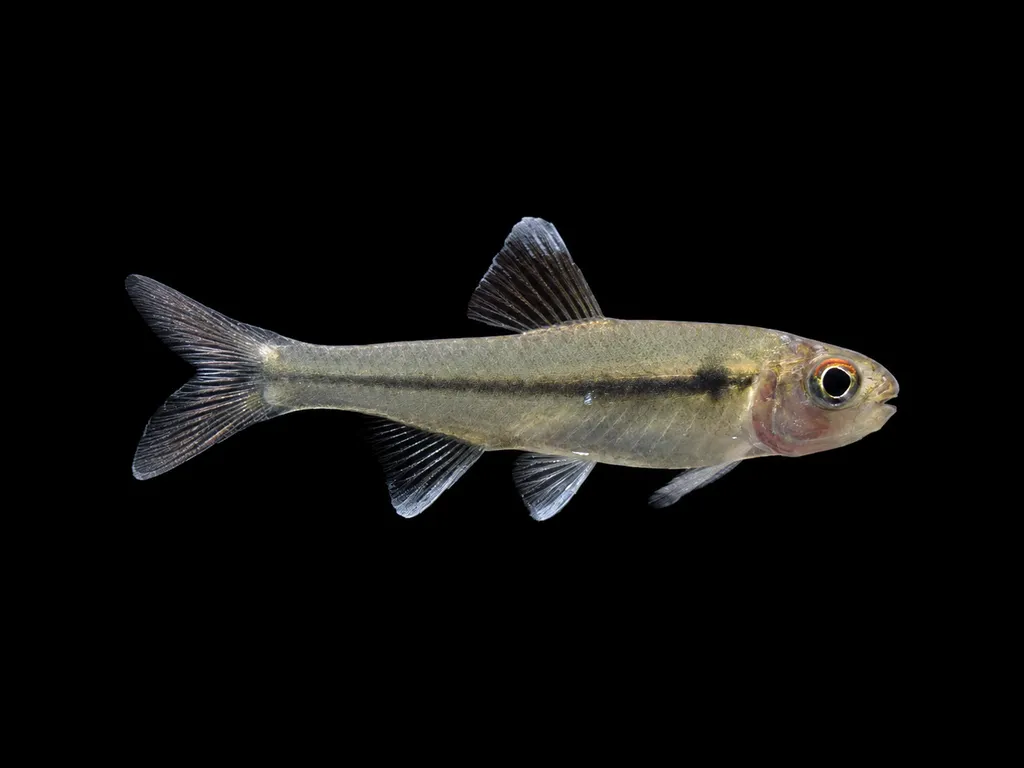 2.4 in (6 cm)20 gal (75 L)72–81°F (22–27°C)
Bluntnose ceratobranchia
Ceratobranchia obtusirostris
2.4 in (6 cm) · 20 gal (75 L)
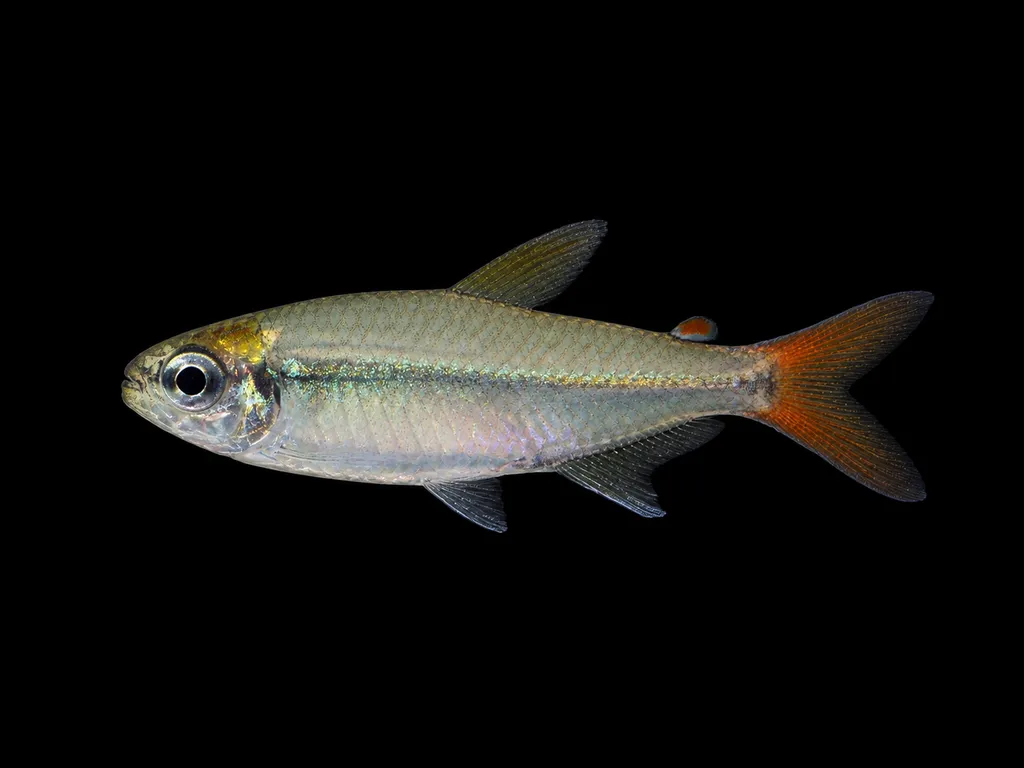 2.4 in (6 cm)20 gal (75 L)73–82°F (23–28°C)
Cope's tetra
Moenkhausia copei
2.4 in (6 cm) · 20 gal (75 L)
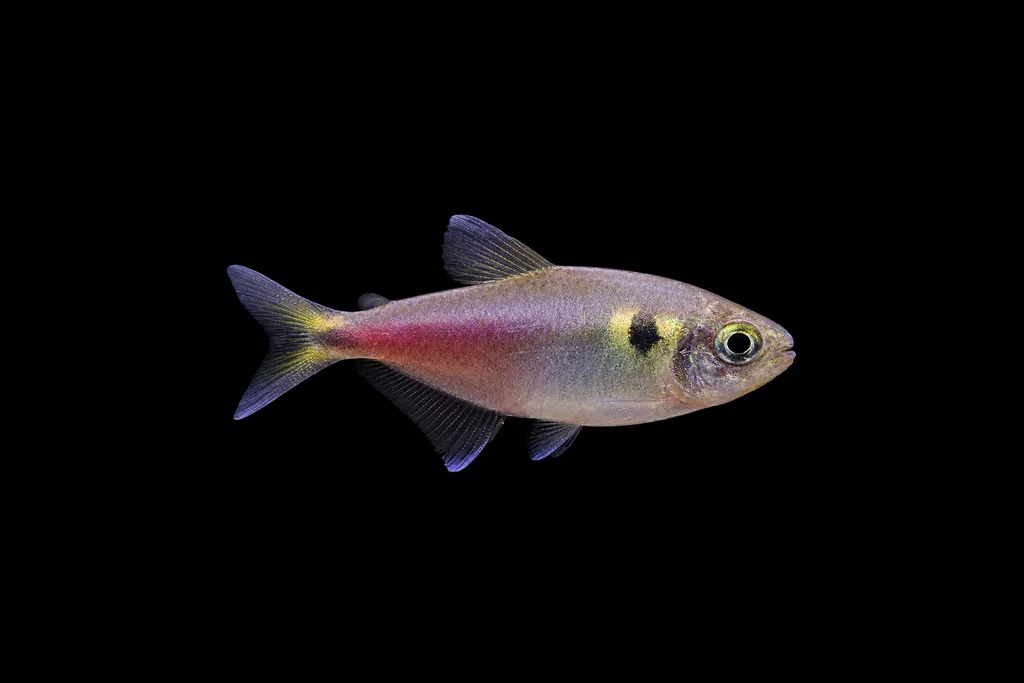 2.4 in (6 cm)21 gal (80 L)72–81°F (22–27°C)
Pastel lily tetra
Psalidodon xavante
2.4 in (6 cm) · 21 gal (80 L)
 2.4 in (6 cm)20 gal (75 L)73–82°F (23–28°C)
Preto tetra
Moenkhausia pretoensis
2.4 in (6 cm) · 20 gal (75 L)