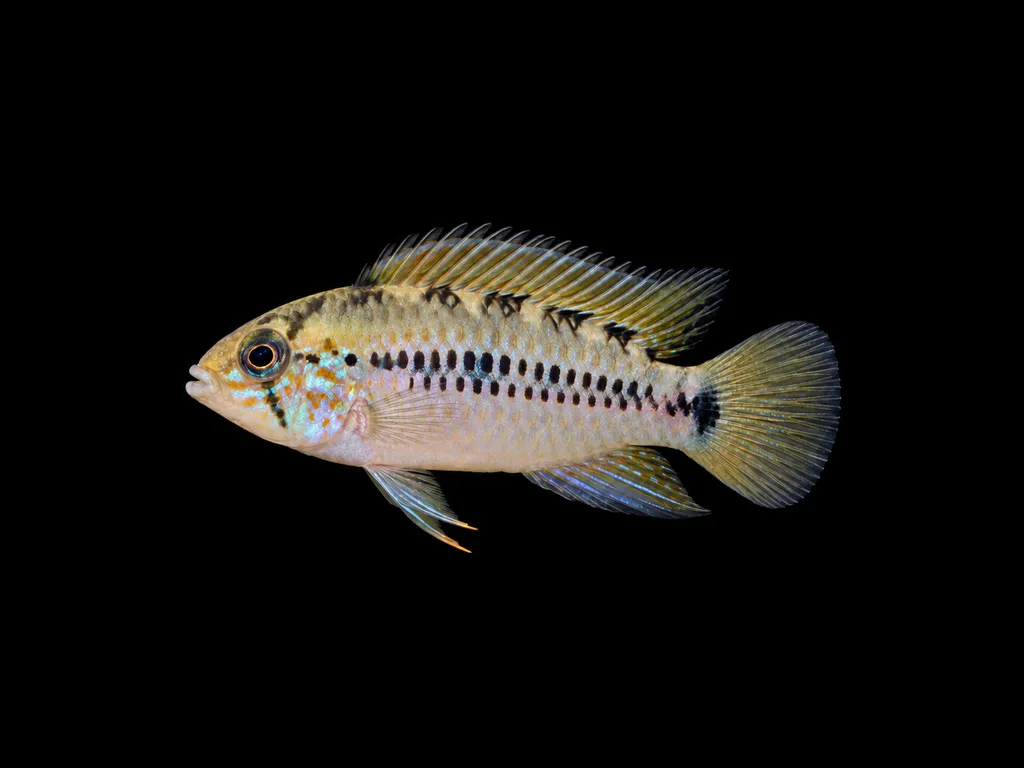
Barlow's dwarf cichlid
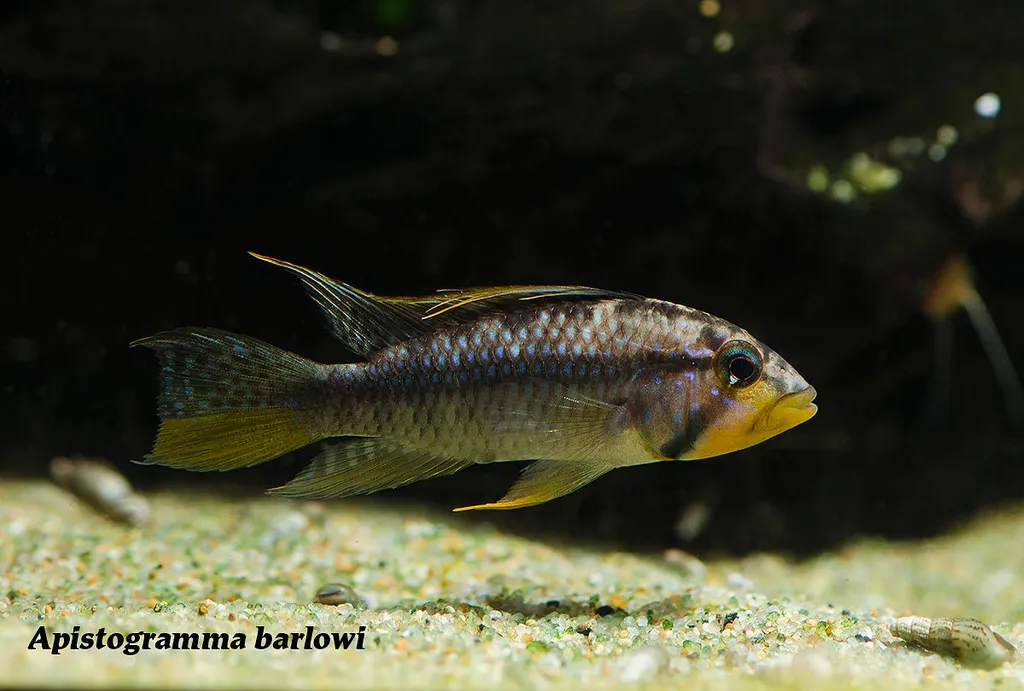
Apistogramma barlowi
Also known as Mouthbrooding apisto
FreshwaterFish
Care at a glance
- Temperature
- 73–82°F
- 23–28°C
- pH
- 4.5–6.5
- Adult size
- 3.1 in
- 8 cm
- Minimum tank
- 20 gal
- 75 L
- Temperament
- Mostly peaceful
- Social behavior
- Social
- Swim level
- Bottom
- Difficulty
- Medium
- Breeding
- Mouthbrooder · Medium
- Rarity
- Rare
- Family
- Cichlidae
- Origin
- Blackwater forest streams near Pebas, Loreto, Peru
Overview
Barlow's dwarf cichlid is a mostly peaceful apisto for the bottom of a quiet, soft-water tank. It is a step up from the easiest fish, best for a keeper with some experience.
Caring for the Barlow's dwarf cichlid
Keep a pair of Barlow's dwarf cichlids in at least 20 gal (75 L). Males are rough with unready females, so cover and sight breaks matter. Set up sand, botanicals, caves and dim light.
The water should be soft and acidic, at 73 to 82°F (23 to 28°C) with a pH of 4.5 to 6.5. It takes live, frozen and sinking dry foods.
In most populations the female picks up the eggs and carries the larvae in her mouth for up to two weeks. She needs quiet corners and no harassment during that time, which argues for a species tank or very gentle tank mates. The eggs only develop if the water stays soft and acidic. Breeding them is moderately difficult.
Good to know
Barlow's dwarf cichlid, Apistogramma barlowi, was described by Römer and Hahn in 2008 and named for the cichlid researcher George Barlow. It is one of the very few mouthbrooding Apistogramma, a behavior almost unheard of in a genus that otherwise glues eggs to cave ceilings. Males are stocky for a dwarf cichlid, and in good conditions they develop heavy heads and long fin extensions.
In the wild
Barlow's dwarf cichlid comes from shallow blackwater forest streams near Pebas in northern Peru. The water there is so soft it barely registers on a hardness test. It lives over leaf litter in slow current.
Weekly picks
Tank mates
The Barlow's dwarf cichlid is a mostly peaceful, social species that keeps to the bottom. These picks share a community profile with it, are safe together in both directions, and overlap on water type, temperature and pH.
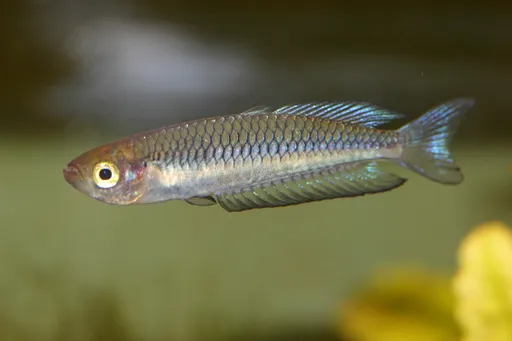
Ornate rainbowfish
Rhadinocentrus ornatus
Freshwater2.4 in (6 cm) · 20 gal (75 L)64–82°F (18–28°C)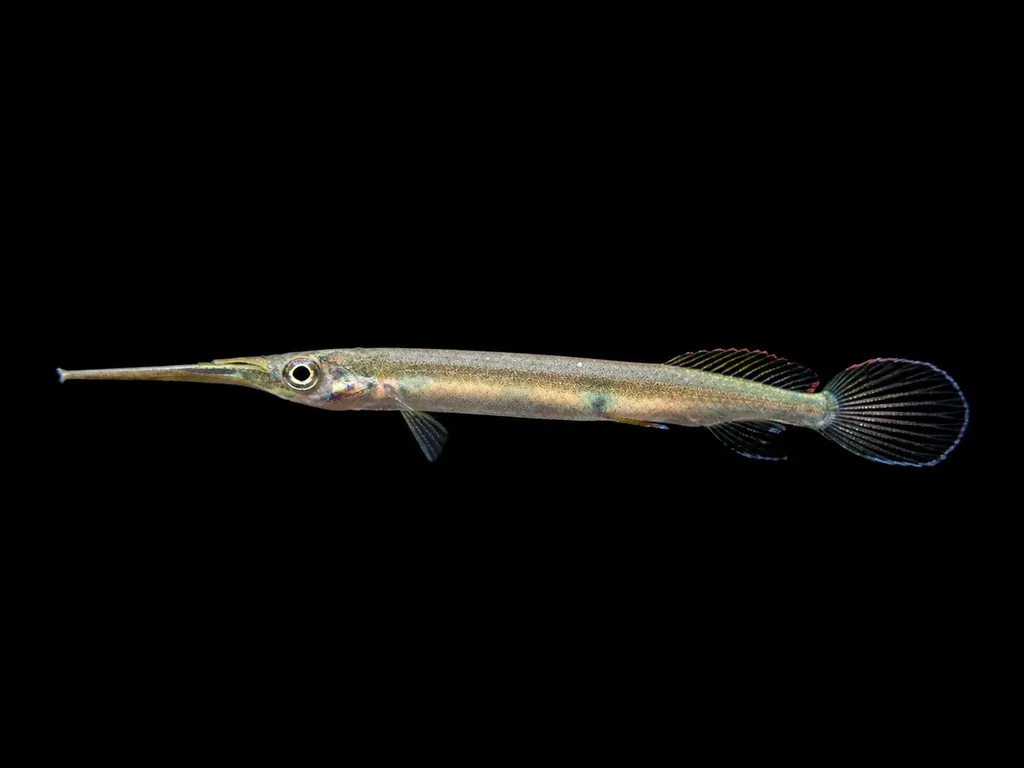
Kuekenthal's halfbeak
Hemirhamphodon kuekenthali
Freshwater3.3 in (8.5 cm) · 20 gal (75 L)73–81°F (23–27°C)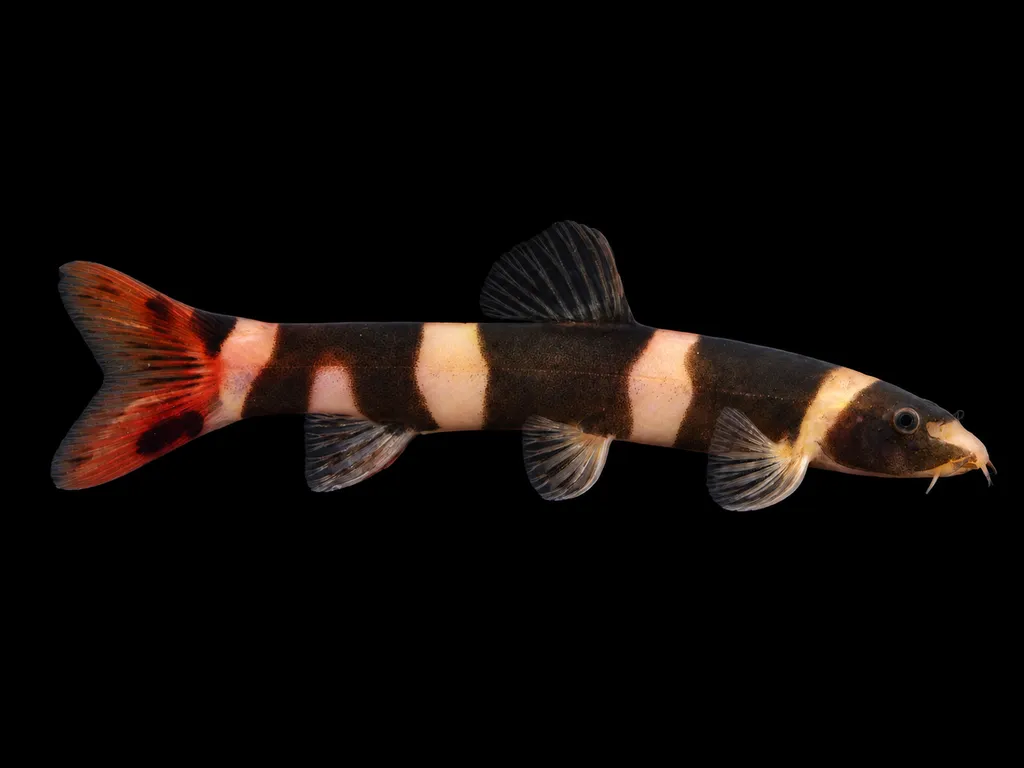
Barito loach
Kapuasia falaris
Freshwater2.6 in (6.5 cm) · 20 gal (75 L)73–81°F (23–27°C)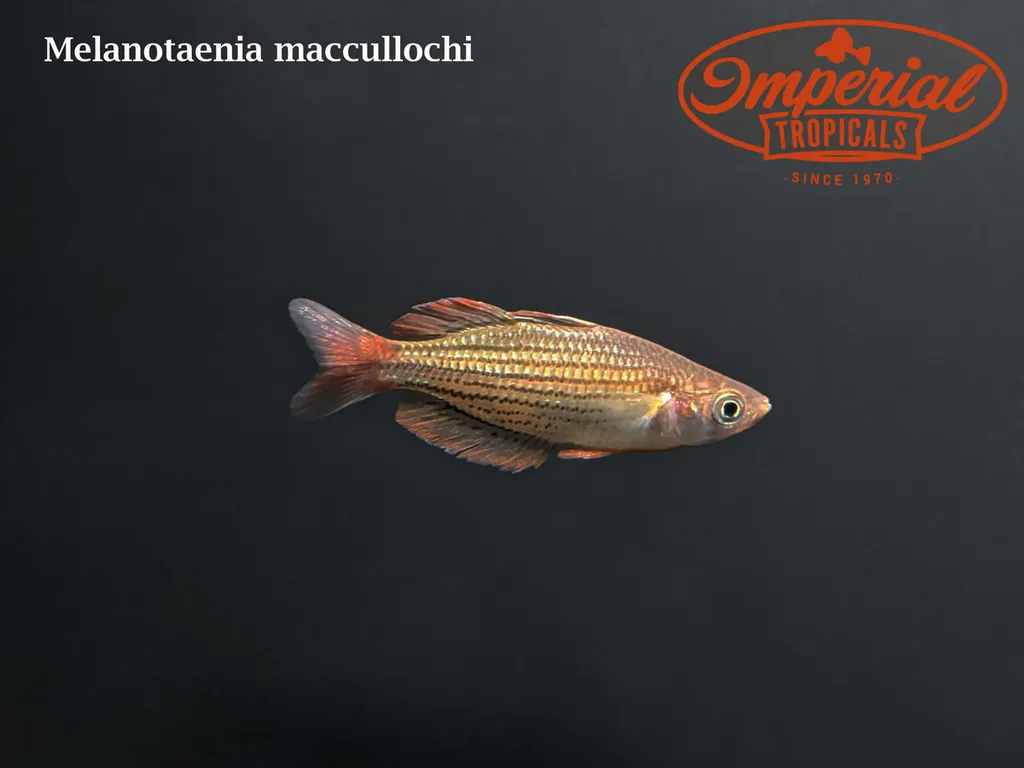
Dwarf rainbowfish
Melanotaenia maccullochi
Freshwater2.8 in (7 cm) · 20 gal (75 L)72–82°F (22–28°C)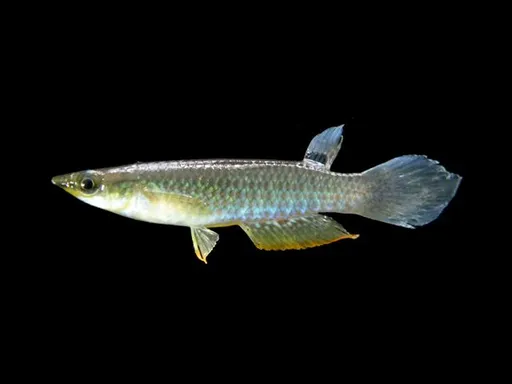
Blue panchax
Aplocheilus panchax
Freshwater3.5 in (9 cm) · 20 gal (75 L)72–82°F (22–28°C)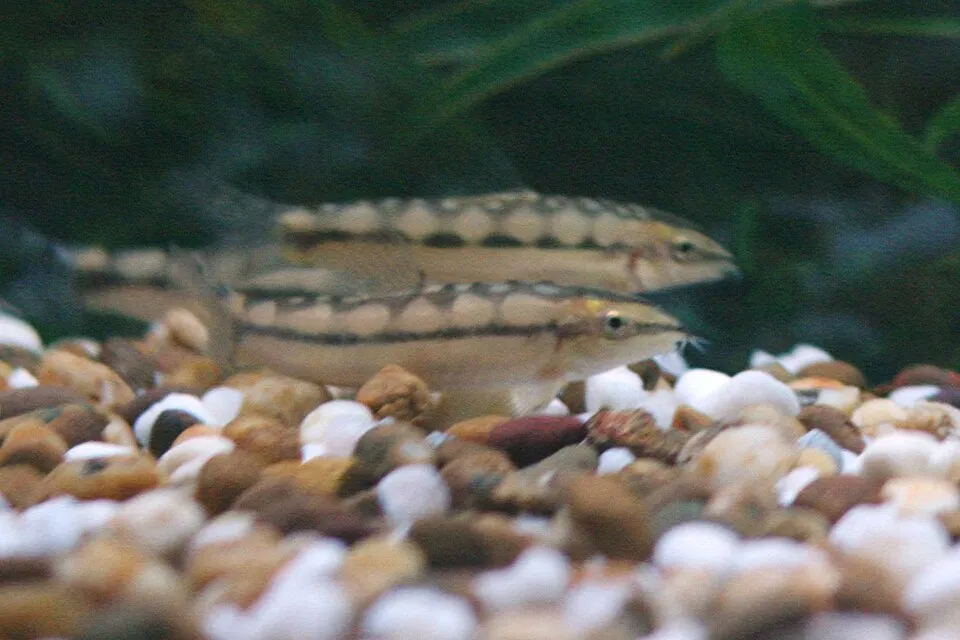
Dwarf botia
Ambastaia sidthimunki
Freshwater2.4 in (6 cm) · 20 gal (75 L)68–86°F (20–30°C)
Common questions
What size tank does a Barlow's dwarf cichlid need?
A Barlow's dwarf cichlid needs at least 20 gal (75 L). It spends most of its time in the bottom.
What temperature and pH does a Barlow's dwarf cichlid need?
A Barlow's dwarf cichlid is comfortable at 73–82°F (23–28°C) with a pH of 4.5–6.5.
What does a Barlow's dwarf cichlid eat?
A Barlow's dwarf cichlid takes live, frozen and sinking dry foods.
How big does a Barlow's dwarf cichlid get?
An adult Barlow's dwarf cichlid reaches about 3.1 in (8 cm).
How does a Barlow's dwarf cichlid breed?
Barlow's dwarf cichlid is a mouthbrooder. In most populations the female picks up the eggs and carries the larvae in her mouth for up to two weeks. The eggs only develop in soft, acidic water.
Related species
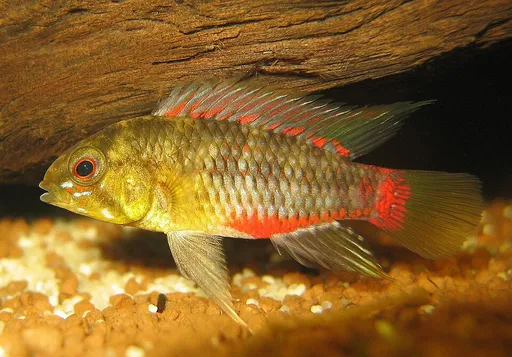 3.1 in (8 cm)20 gal (75 L)73–84°F (23–29°C)
Hongsloi dwarf cichlid
Apistogramma hongsloi
3.1 in (8 cm) · 20 gal (75 L)
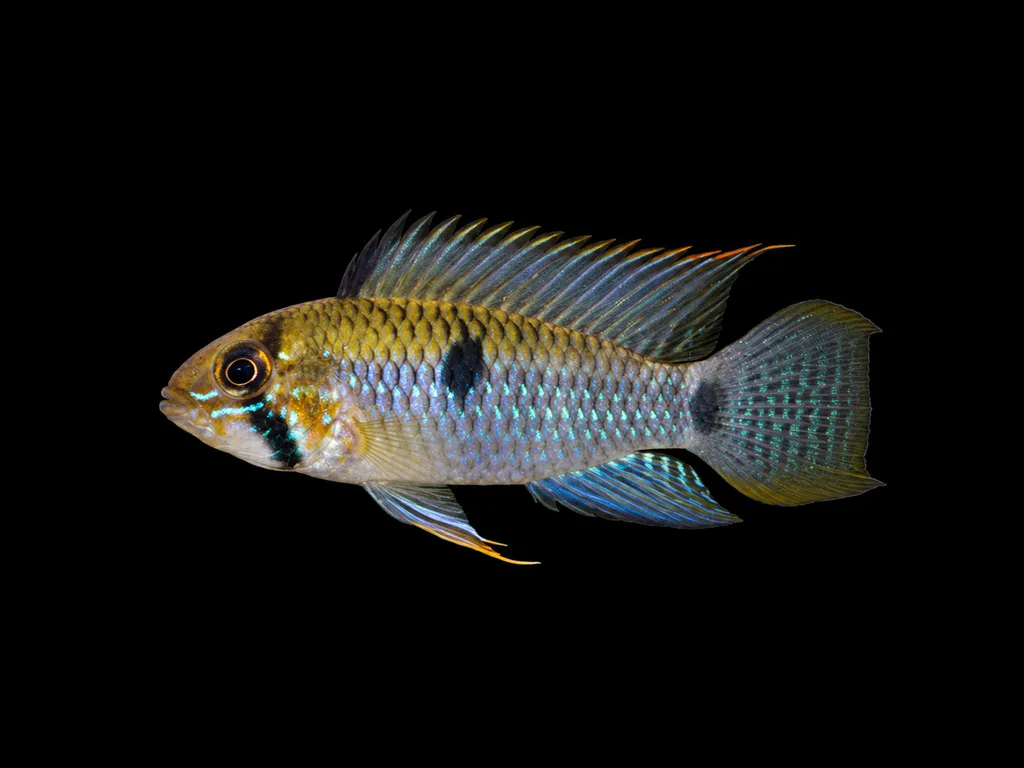 3.1 in (8 cm)20 gal (75 L)73–82°F (23–28°C)
Steindachner's dwarf cichlid
Apistogramma steindachneri
3.1 in (8 cm) · 20 gal (75 L)
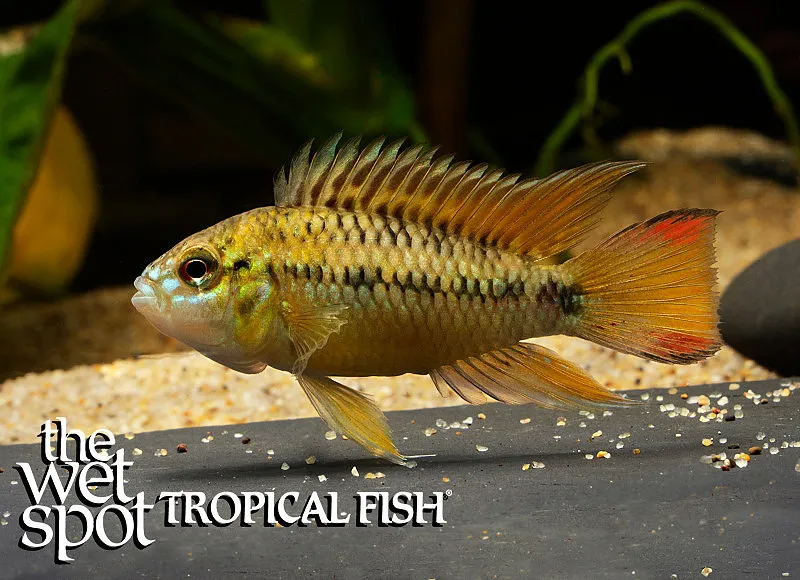 3 in (7.5 cm)20 gal (75 L)75–84°F (24–29°C)
Hoigne's dwarf cichlid
Apistogramma hoignei
3 in (7.5 cm) · 20 gal (75 L)
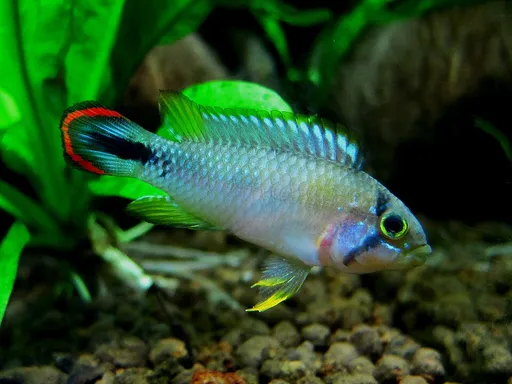 3 in (7.5 cm)20 gal (75 L)75–82°F (24–28°C)
Panduro apisto
Apistogramma panduro
3 in (7.5 cm) · 20 gal (75 L)
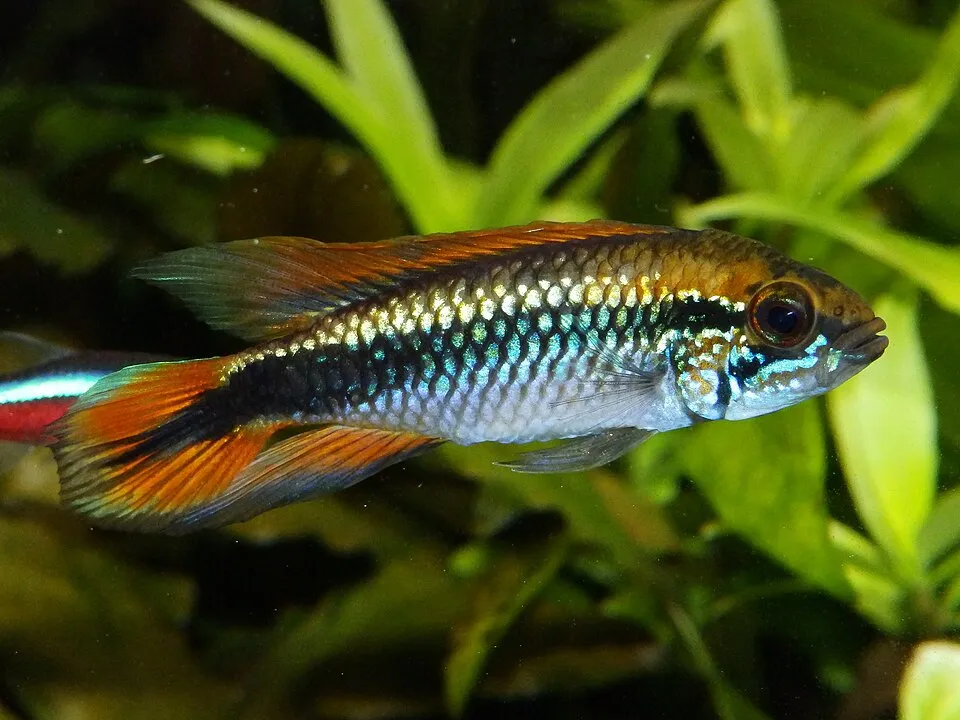 3.5 in (9 cm)20 gal (75 L)72–84°F (22–29°C)
Agassiz's dwarf cichlid
Apistogramma agassizii
3.5 in (9 cm) · 20 gal (75 L)
 2.8 in (7 cm)20 gal (75 L)73–82°F (23–28°C)
Alacrina dwarf cichlid
Apistogramma alacrina
2.8 in (7 cm) · 20 gal (75 L)