Panduro apisto
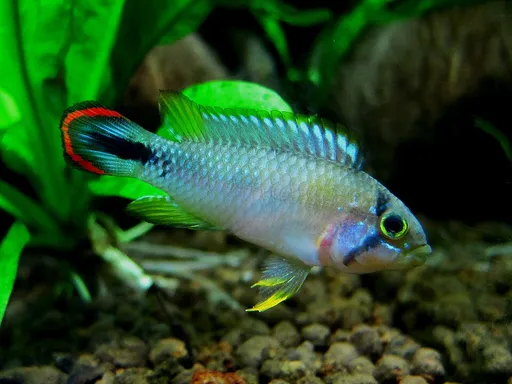
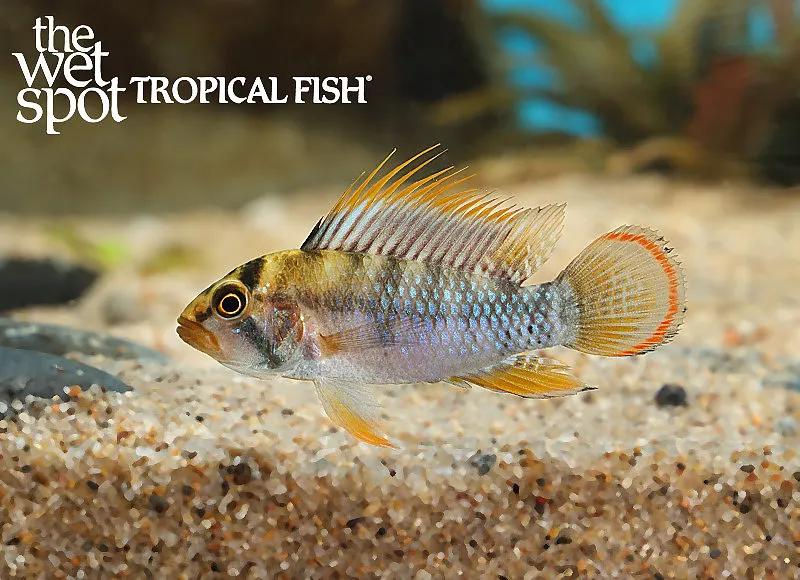
Apistogramma panduro
Also known as Apistogramma pandurini, Blue Panda Cichlid, Blue panda dwarf cichlid
FreshwaterFish
Care at a glance
- Temperature
- 75–82°F
- 24–28°C
- pH
- 5.0–6.5
- Adult size
- 3 in
- 7.5 cm
- Minimum tank
- 20 gal
- 75 L
- Temperament
- Mostly peaceful
- Social behavior
- Social
- Swim level
- Bottom
- Difficulty
- Medium
- Breeding
- Medium
- Rarity
- Common
- Family
- Cichlidae
- Origin
- Río Ucayali and Río Tahuayo drainages, Loreto Region, northern Peru
Overview
The simplest setup is a single bonded male and female pair on a tank footprint of at least 60 by 30 cm, in 75 liters or more. A 1 male to 2 or 3 female harem works but needs a noticeably larger tank. They are mostly peaceful bottom dwellers that pick along the sand, though a spawning female turns hyper-aggressive while guarding eggs and fry, and in smaller tanks you may need to pull the male out. Keep the water at 24 to 28 C, soft, and acidic from pH 5 to 6.5. Pair them with small, soft-water dither fish in the midwater and skip anything boisterous or hard-water loving. Feed small frozen and live foods like brine shrimp, daphnia, and bloodworms.
In the wild
Panduro apistos come from the Río Ucayali and Río Tahuayo drainages in the Loreto Region of northern Peru, where they live over soft sand in shaded, tannin-stained water full of leaf litter and submerged roots. To match that, give them a tank of at least 75 liters with a soft sand substrate they can sift, plenty of driftwood and roots forming caves, dried leaf litter for tannins, dim lighting, and low flow. Run the water warm, 24 to 28 C, soft, and acidic with a pH of 5 to 6.5. Captive-bred fish handle the upper end near 6.5 better than wild stock.
Good to know
This is a dwarf cichlid in the family Cichlidae, sometimes sold as the Blue Panda apisto. It is sexually dimorphic, with males reaching about 7.5 cm and females staying smaller at around 5.5 cm. It is a substrate and cave spawner, and the female does the guarding once eggs are laid. Most fish in the trade are commercially bred.
Did you know
The female runs the nursery. After she lays eggs in a cave or under cover, she takes over guarding duty and herds the fry around the tank, while the male patrols the wider territory. That split is why a female who is normally calm will suddenly chase a much larger tankmate, or even the father, away from her brood.
Weekly picks
Tank mates
Panduro apisto is a mostly peaceful, social species that keeps to the bottom. These picks share a community profile with it, are safe together in both directions, and overlap on water type, temperature and pH.
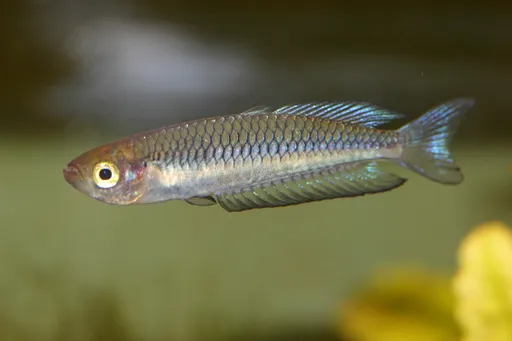
Ornate rainbowfish
Rhadinocentrus ornatus
Freshwater2.4 in (6 cm) · 20 gal (75 L)64–82°F (18–28°C)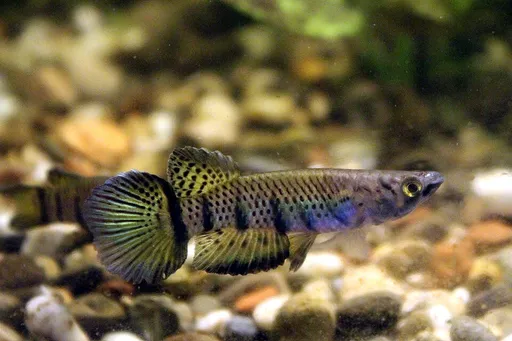
Six-barred panchax
Epiplatys sexfasciatus
Freshwater3.9 in (10 cm) · 20 gal (75 L)72–81°F (22–27°C)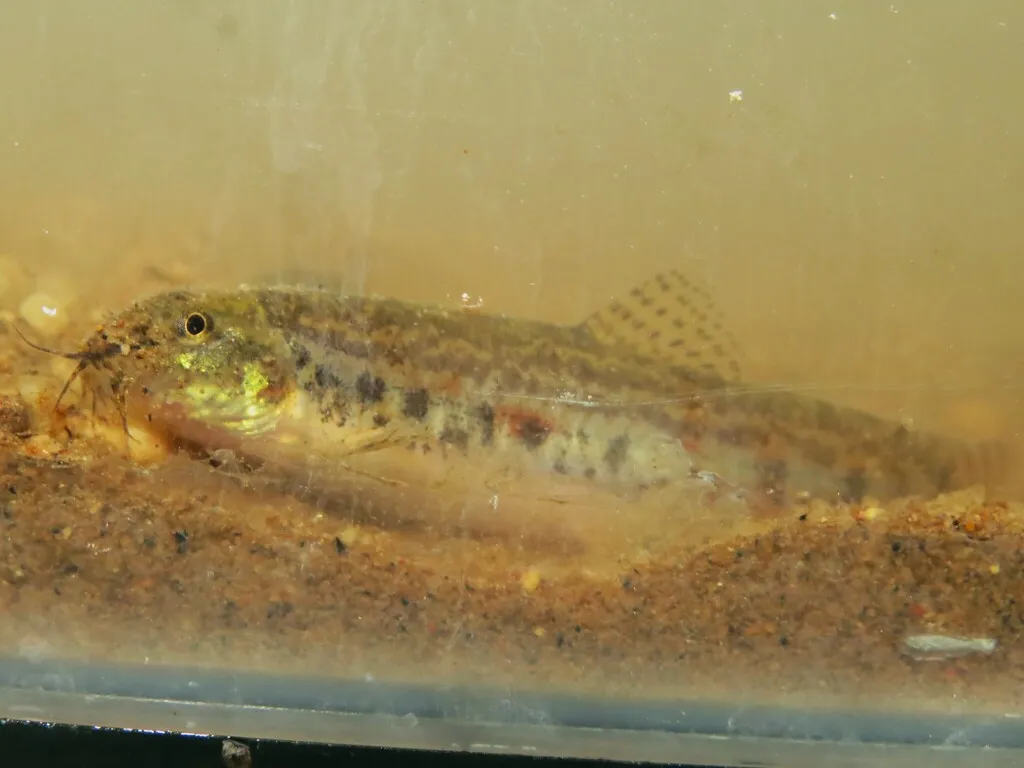
Common spiny loach
Lepidocephalichthys thermalis
Freshwater3.1 in (8 cm) · 20 gal (75 L)72–82°F (22–28°C)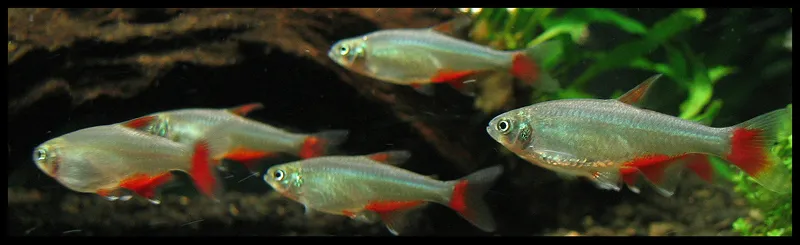
Bloodfin tetra
Aphyocharax anisitsi
Freshwater2.2 in (5.5 cm) · 20 gal (75 L)72–82°F (22–28°C)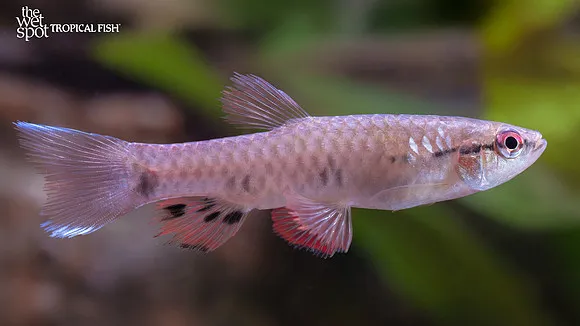
Spotted pyrrhulina
Pyrrhulina spilota
Freshwater2.8 in (7 cm) · 20 gal (75 L)73–81°F (23–27°C)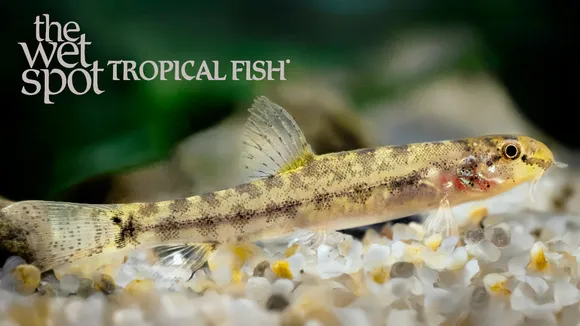
Forktail spiny loach
Lepidocephalichthys furcatus
Freshwater2.4 in (6 cm) · 20 gal (75 L)73–82°F (23–28°C)
Common questions
What size tank does a Panduro apisto need?
A Panduro apisto needs at least 20 gal (75 L). It spends most of its time in the bottom.
What temperature and pH does a Panduro apisto need?
A Panduro apisto is comfortable at 75–82°F (24–28°C) with a pH of 5.0–6.5.
How big does a Panduro apisto get?
An adult Panduro apisto reaches about 3 in (7.5 cm).
Related species
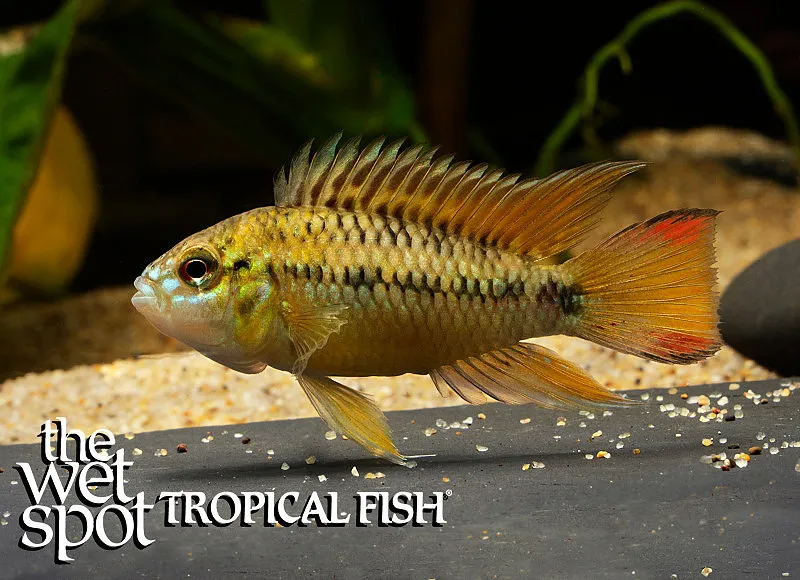 3 in (7.5 cm)20 gal (75 L)75–84°F (24–29°C)
Hoigne's dwarf cichlid
Apistogramma hoignei
3 in (7.5 cm) · 20 gal (75 L)
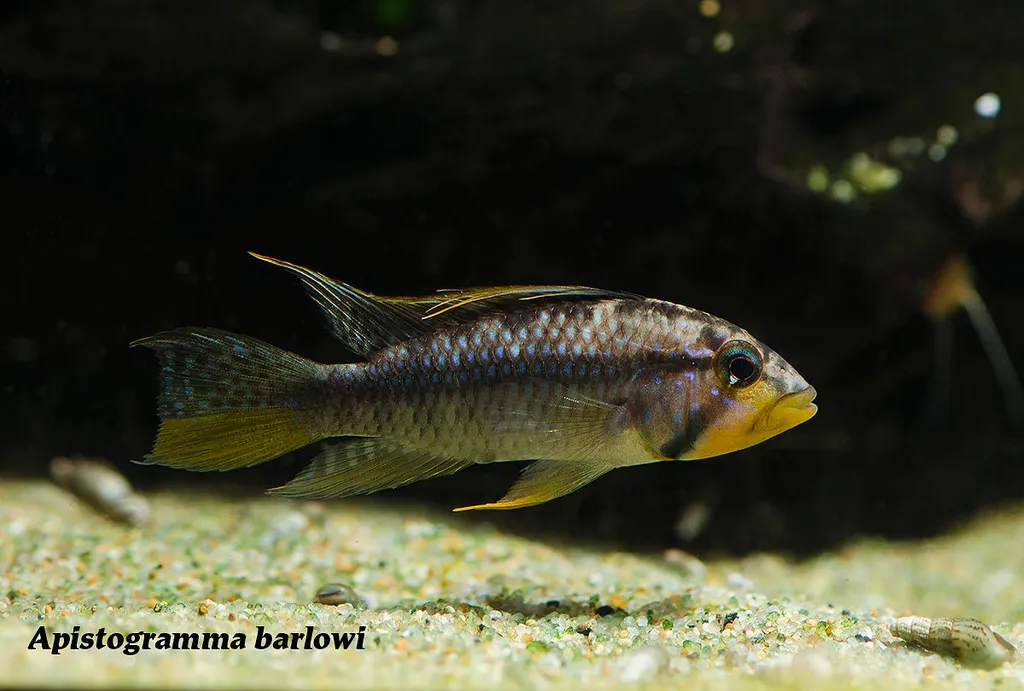 3.1 in (8 cm)20 gal (75 L)73–82°F (23–28°C)
Barlow's dwarf cichlid
Apistogramma barlowi
3.1 in (8 cm) · 20 gal (75 L)
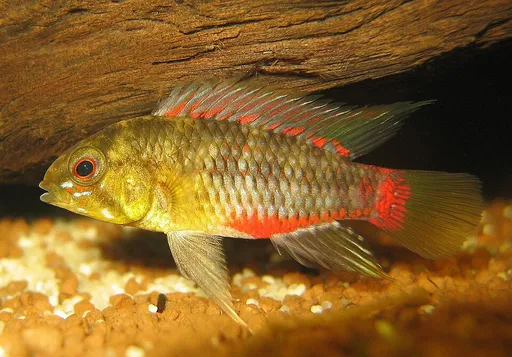 3.1 in (8 cm)20 gal (75 L)73–84°F (23–29°C)
Hongsloi dwarf cichlid
Apistogramma hongsloi
3.1 in (8 cm) · 20 gal (75 L)
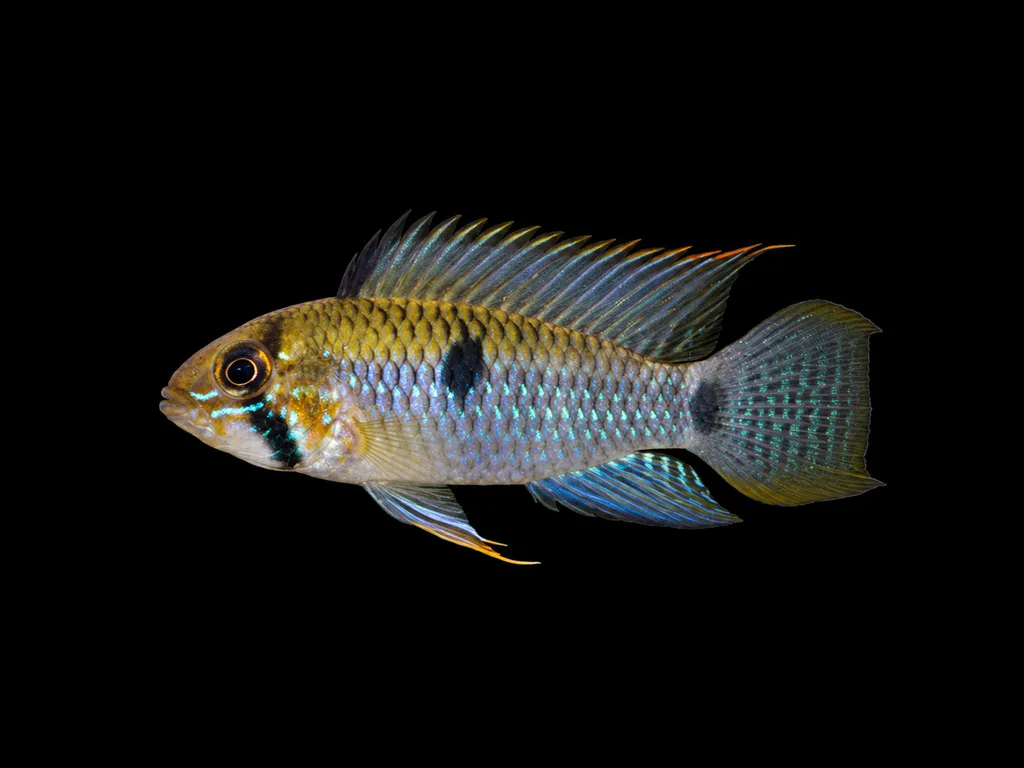 3.1 in (8 cm)20 gal (75 L)73–82°F (23–28°C)
Steindachner's dwarf cichlid
Apistogramma steindachneri
3.1 in (8 cm) · 20 gal (75 L)
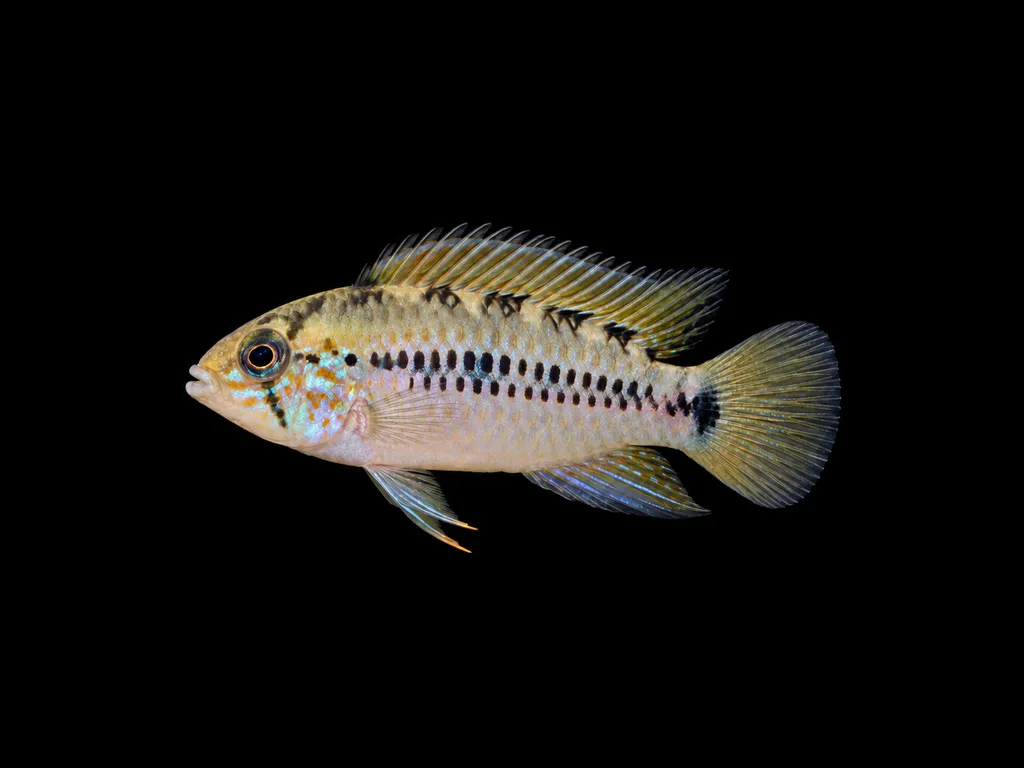 2.8 in (7 cm)20 gal (75 L)73–82°F (23–28°C)
Alacrina dwarf cichlid
Apistogramma alacrina
2.8 in (7 cm) · 20 gal (75 L)
 2.8 in (7 cm)20 gal (75 L)73–82°F (23–28°C)
Inca dwarf cichlid
Apistogramma baenschi
2.8 in (7 cm) · 20 gal (75 L)