Inca dwarf cichlid
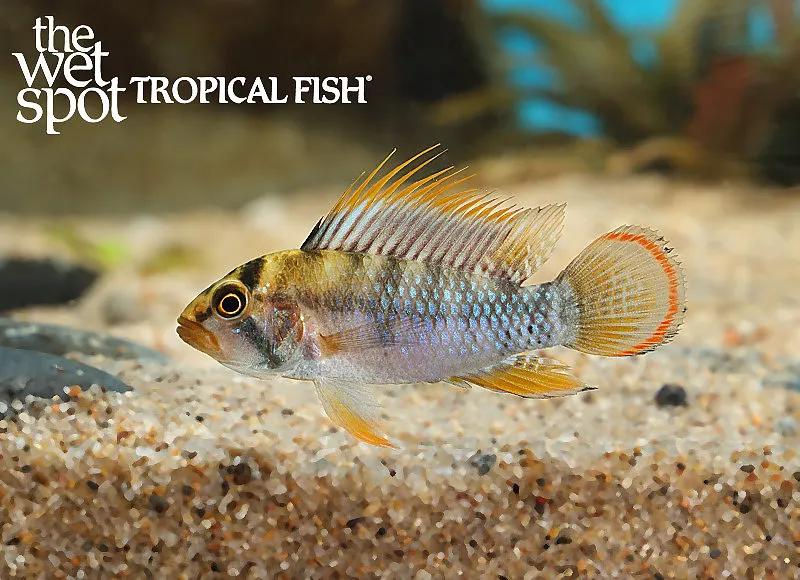
Apistogramma baenschi
Also known as Inca cichlid, Inka 50, A188, Baensch's dwarf cichlid
FreshwaterFish
Care at a glance
- Temperature
- 73–82°F
- 23–28°C
- pH
- 5.0–7.0
- Adult size
- 2.8 in
- 7 cm
- Minimum tank
- 20 gal
- 75 L
- Temperament
- Mostly peaceful
- Social behavior
- Solitary
- Swim level
- Bottom
- Difficulty
- Easy
- Breeding
- Easy
- Rarity
- Common
- Family
- Cichlidae
- Origin
- Small forest streams of the lower Rio Huallaga system in Peru, over fine white sand with heavy leaf litter and driftwood.
Overview
A single male with a female or two fits a 75 liter tank at 23 to 28 C and pH 5.0 to 7.0. Provide caves, wood, and dense planting for cover. Feed small live and frozen foods such as bloodworm, daphnia, and brine shrimp. It is mostly peaceful and only defensive when the female is guarding a cave.
In the wild
The Inca dwarf cichlid lives in small forest streams of the lower Rio Huallaga system in Peru. It occupies shallow water over fine white sand with heavy leaf litter and driftwood. Wild water is soft and acidic, but this species is unusually tolerant of harder tap water. A planted tank with caves and leaf litter suits it well.
Good to know
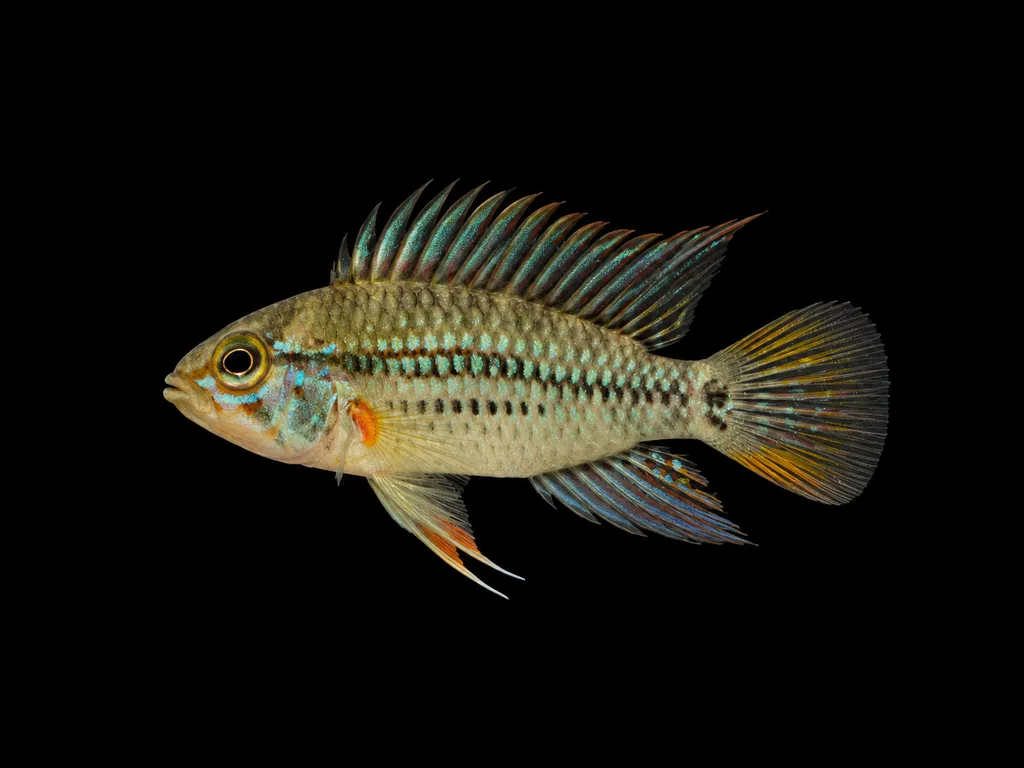
Apistogramma baenschi was described in 2004 and is widely known by the trade codes A188 and Inka 50. Males reach about 7 cm with extended dorsal rays and a red crescent on the tail, while females are smaller and yellow. It is one of the most adaptable and easily bred dwarf cichlids.
Did you know
It tolerates neutral, moderately hard water better than most dwarf cichlids, which makes it a good first apisto.
Weekly picks
Tank mates
Inca dwarf cichlid is a mostly peaceful, solitary species that keeps to the bottom. These picks share a community profile with it, are safe together in both directions, and overlap on water type, temperature and pH.
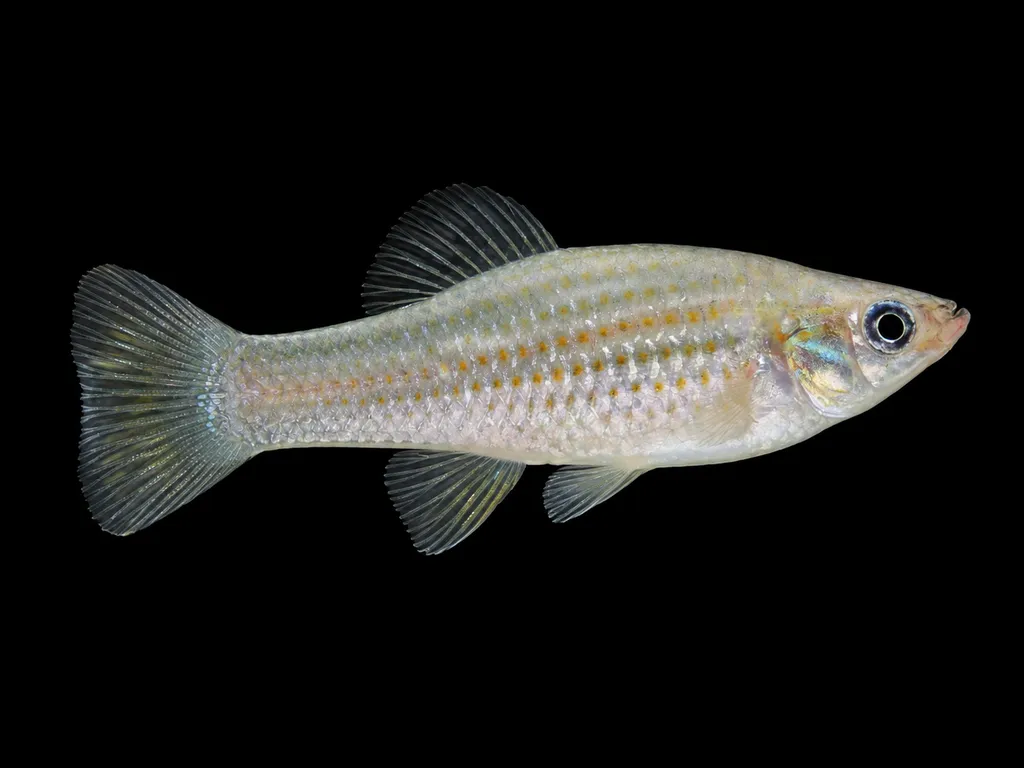
Amazon molly
Poecilia formosa
Freshwater3.5 in (9 cm) · 20 gal (75 L)68–82°F (20–28°C)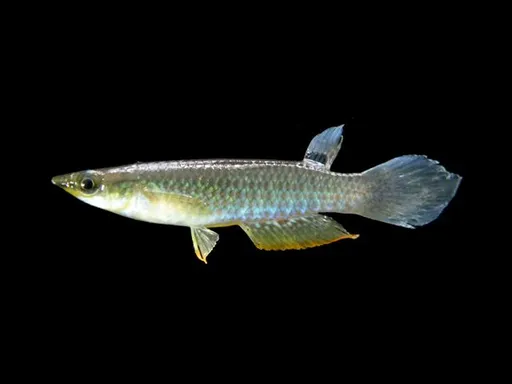
Blue panchax
Aplocheilus panchax
Freshwater3.5 in (9 cm) · 20 gal (75 L)72–82°F (22–28°C)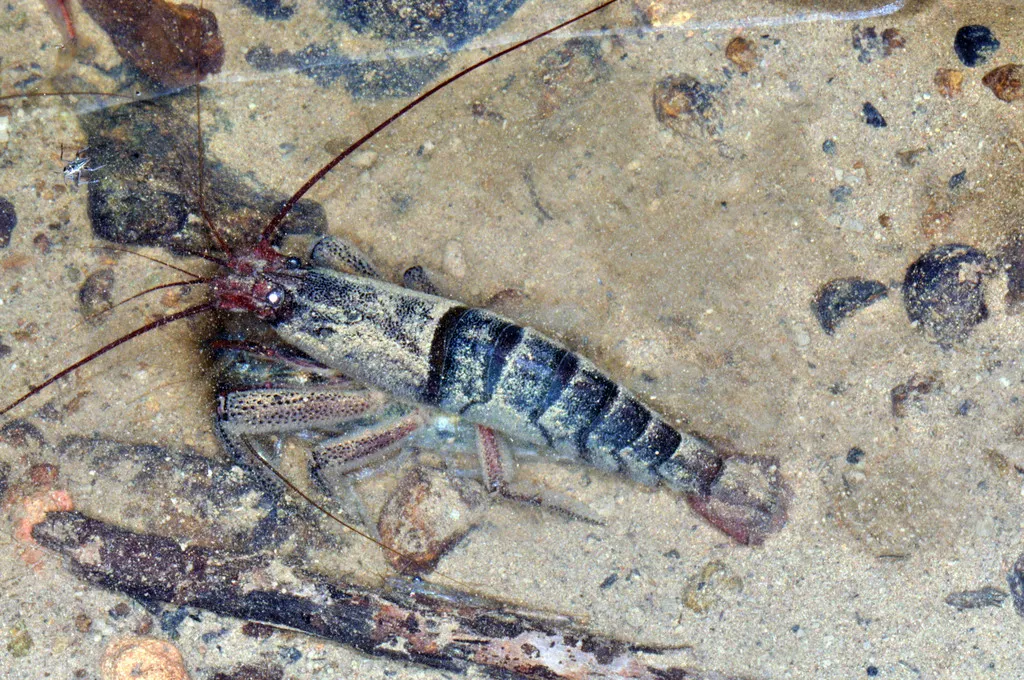
Marble wood shrimp
Atya scabra
Freshwater3.9 in (10 cm) · 20 gal (75 L)73–82°F (23–28°C)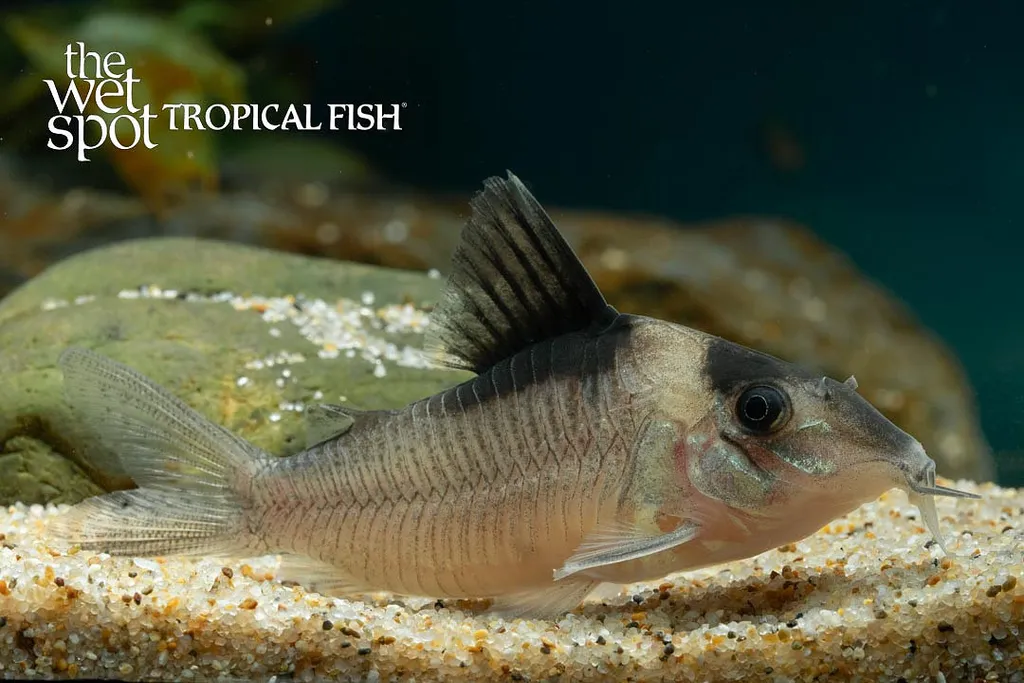
Amanda Jane's cory
Brochis amandajanea
Freshwater2.6 in (6.5 cm) · 20 gal (75 L)75–82°F (24–28°C)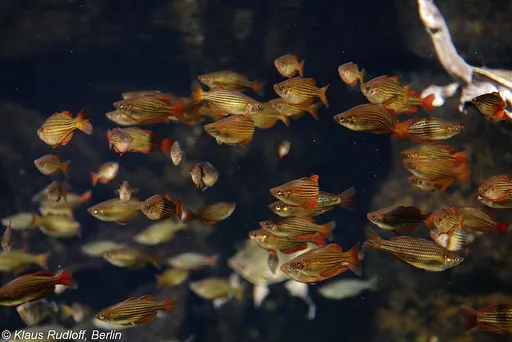
Dwarf rainbowfish
Melanotaenia maccullochi
Freshwater2.8 in (7 cm) · 20 gal (75 L)72–82°F (22–28°C)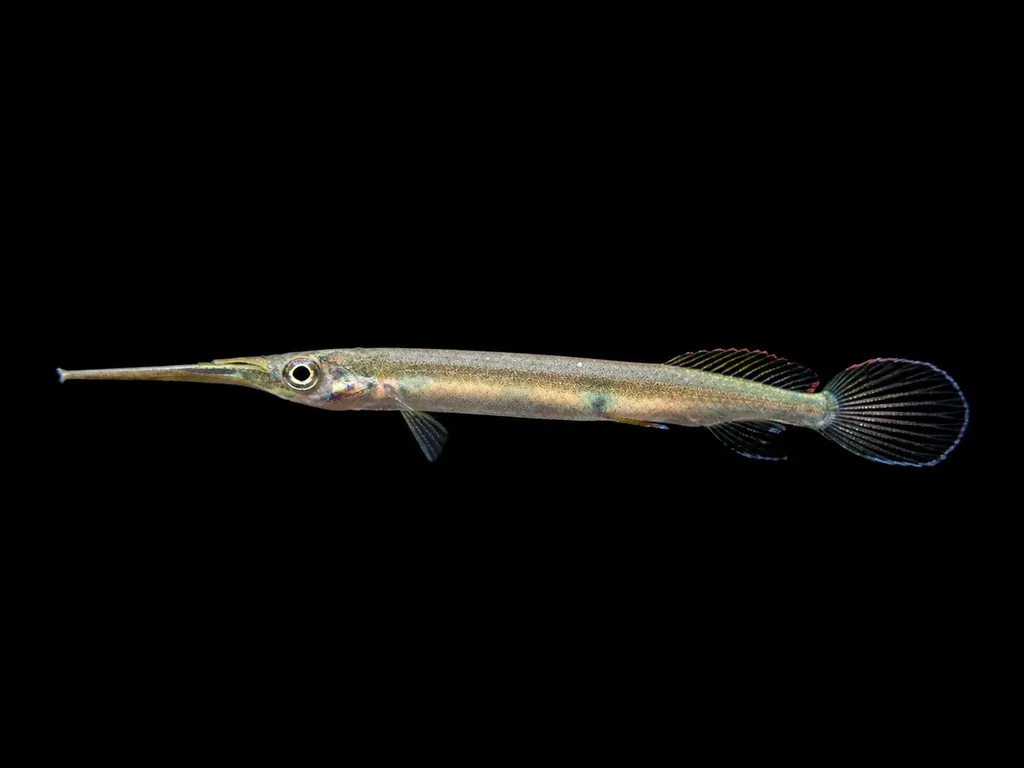
Kuekenthal's halfbeak
Hemirhamphodon kuekenthali
Freshwater3.3 in (8.5 cm) · 20 gal (75 L)73–81°F (23–27°C)
Common questions
What size tank does an Inca dwarf cichlid need?
An Inca dwarf cichlid needs at least 20 gal (75 L). It spends most of its time in the bottom.
What temperature and pH does an Inca dwarf cichlid need?
An Inca dwarf cichlid is comfortable at 73–82°F (23–28°C) with a pH of 5.0–7.0.
How big does an Inca dwarf cichlid get?
An adult Inca dwarf cichlid reaches about 2.8 in (7 cm).
Related species
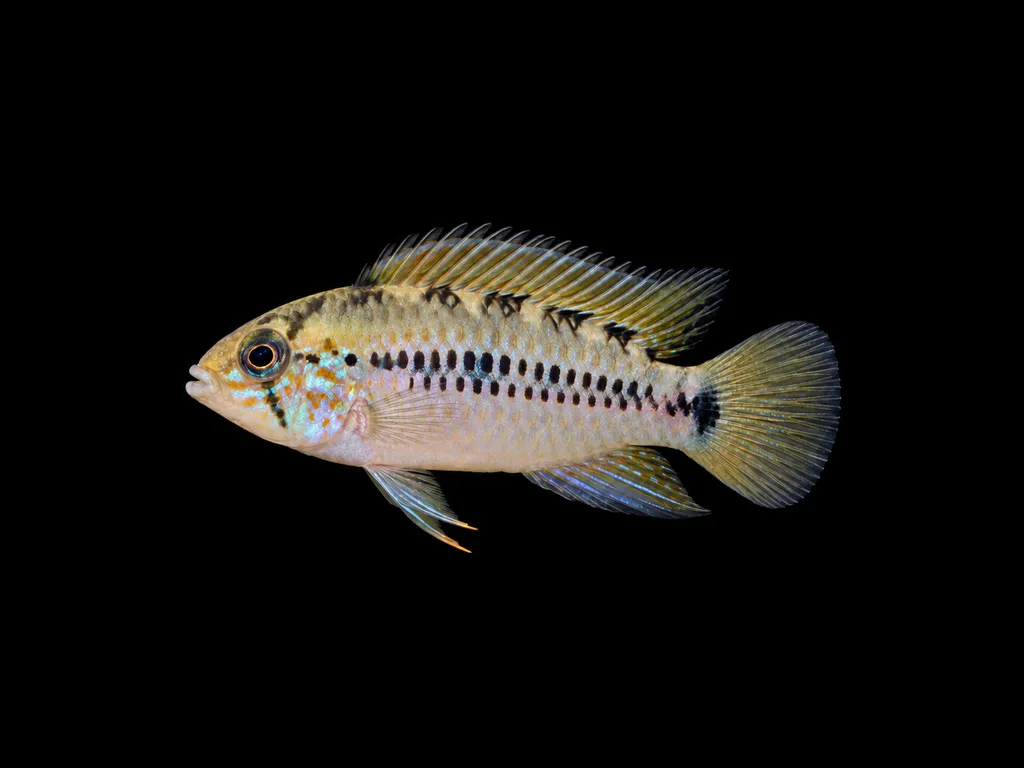 2.8 in (7 cm)20 gal (75 L)73–82°F (23–28°C)
Alacrina dwarf cichlid
Apistogramma alacrina
2.8 in (7 cm) · 20 gal (75 L)
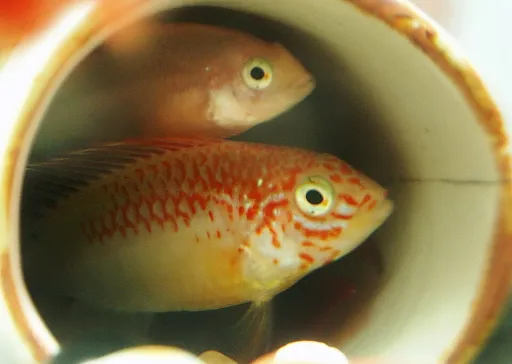 2.8 in (7 cm)20 gal (75 L)75–82°F (24–28°C)
Viejita dwarf cichlid
Apistogramma viejita
2.8 in (7 cm) · 20 gal (75 L)
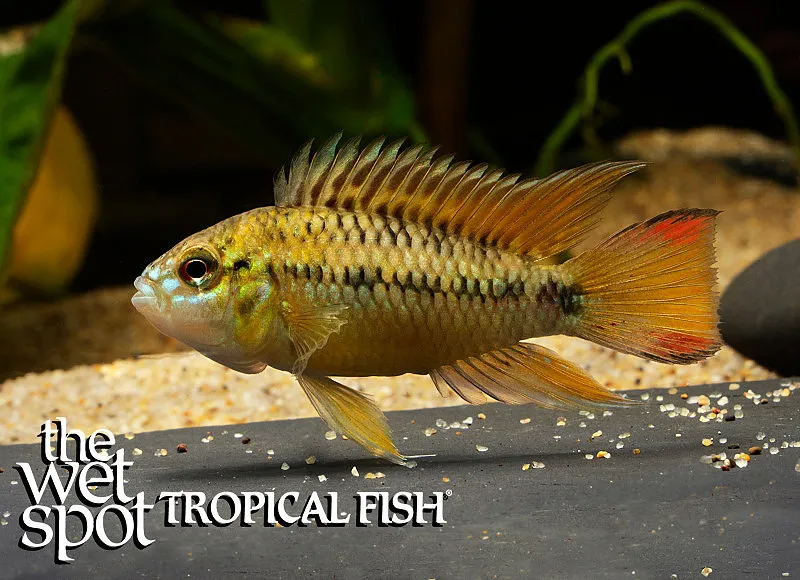 3 in (7.5 cm)20 gal (75 L)75–84°F (24–29°C)
Hoigne's dwarf cichlid
Apistogramma hoignei
3 in (7.5 cm) · 20 gal (75 L)
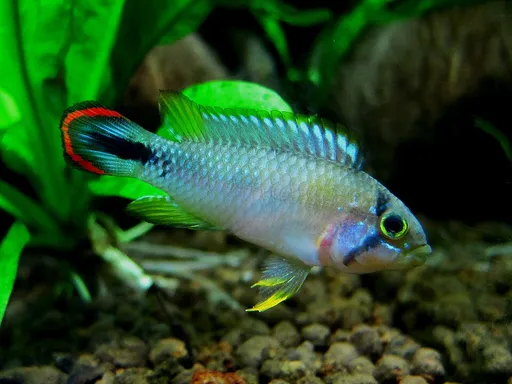 3 in (7.5 cm)20 gal (75 L)75–82°F (24–28°C)
Panduro apisto
Apistogramma panduro
3 in (7.5 cm) · 20 gal (75 L)
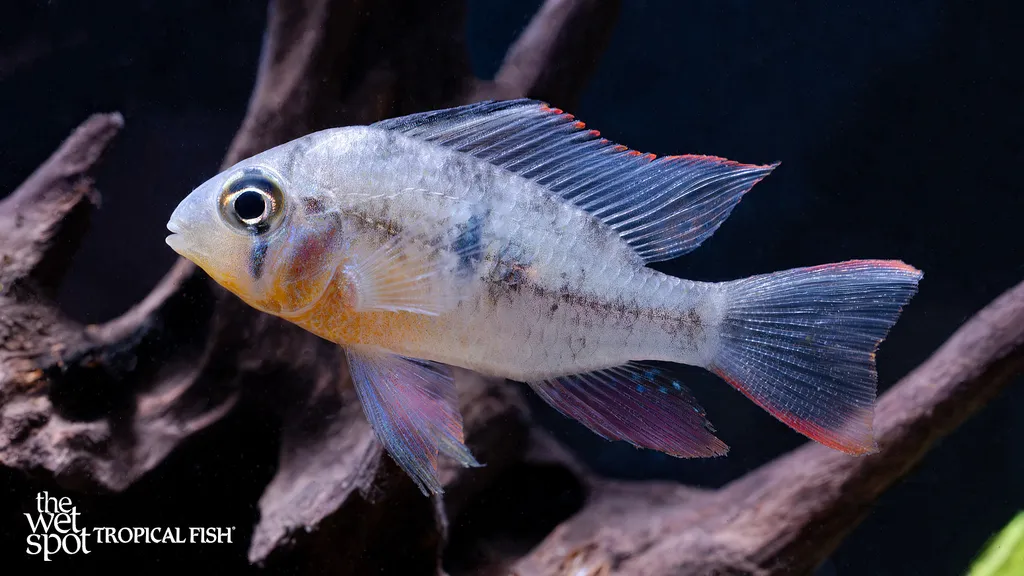 2.6 in (6.5 cm)16 gal (60 L)77–84°F (25–29°C)
Bigfin dwarf cichlid
Apistogramma megaptera
2.6 in (6.5 cm) · 16 gal (60 L)
 2.6 in (6.5 cm)20 gal (75 L)73–82°F (23–28°C)
Blue-cheek dwarf cichlid
Apistogramma eunotus
2.6 in (6.5 cm) · 20 gal (75 L)