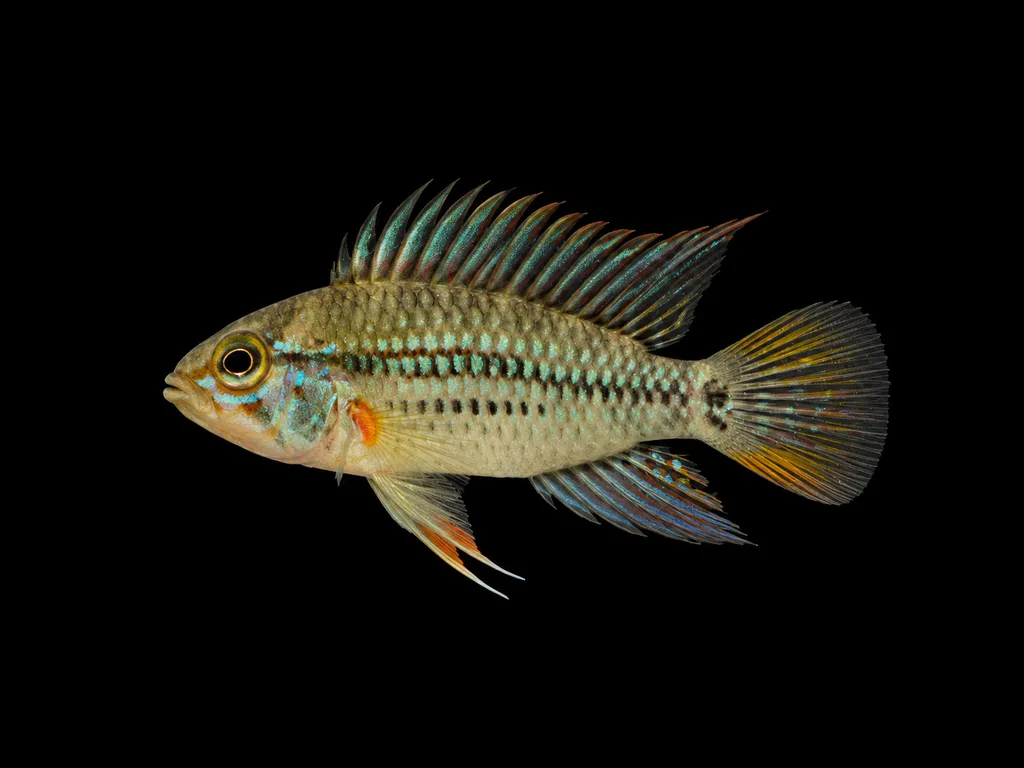
Viejita dwarf cichlid
Apistogramma viejita
Also known as Red edge apisto, Rotsaum
FreshwaterFish
Care at a glance
- Temperature
- 75–82°F
- 24–28°C
- pH
- 5.5–7.0
- Adult size
- 2.8 in
- 7 cm
- Minimum tank
- 20 gal
- 75 L
- Temperament
- Mostly peaceful
- Social behavior
- Solitary
- Own kind
- One male per tank
- Swim level
- Bottom
- Difficulty
- Medium
- Breeding
- Cave spawner · Medium
- Rarity
- Rare
- Family
- Cichlidae
- Origin
- Tributaries of the Rio Meta in the Orinoco drainage of Colombia, in shallow, slow, densely vegetated savannah waters.
Overview
The Viejita dwarf cichlid is a small, mostly peaceful apisto for a soft-water planted tank. Keeping it well takes a little experience.
Caring for the Viejita dwarf cichlid
Keep a single male Viejita dwarf cichlid with one or two females in 20 gal (75 L) or more. It is a small, harem-forming dwarf cichlid, and only one male belongs in a tank. Provide caves, leaf litter and dense planting so each fish can hold a territory.
Keep the water soft, at 75 to 82°F (24 to 28°C) with a pH of 5.5 to 7.0. Feed small live and frozen foods. The fish stay near the bottom.
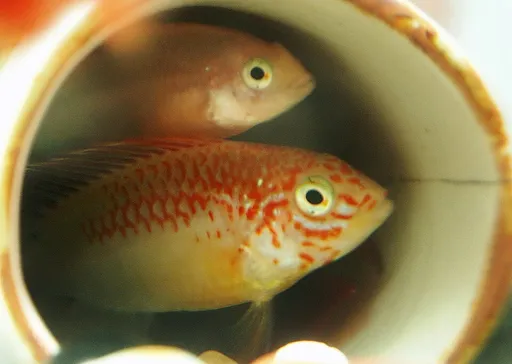
It is mostly peaceful and safe with community fish, and it turns defensive only around a female's breeding cave. Males show a red or orange edge along the dorsal fin. Each female breeds in a cave, and breeding is of medium difficulty.
Good to know
Kullander described the Viejita dwarf cichlid, Apistogramma viejita, in 1979. Its trade name Rotsaum comes from the colored edge on the male's dorsal fin, a mark that identifies the species.
In the wild
The Viejita dwarf cichlid comes from tributaries of the Rio Meta, in the Orinoco drainage of Colombia. It lives in shallow, slow, densely vegetated savannah waters with very low mineral content.
Weekly picks
Tank mates
The Viejita dwarf cichlid is a mostly peaceful, solitary species that keeps to the bottom. Keep only one male per tank. These picks share a community profile with it, are safe together in both directions, and overlap on water type, temperature and pH.
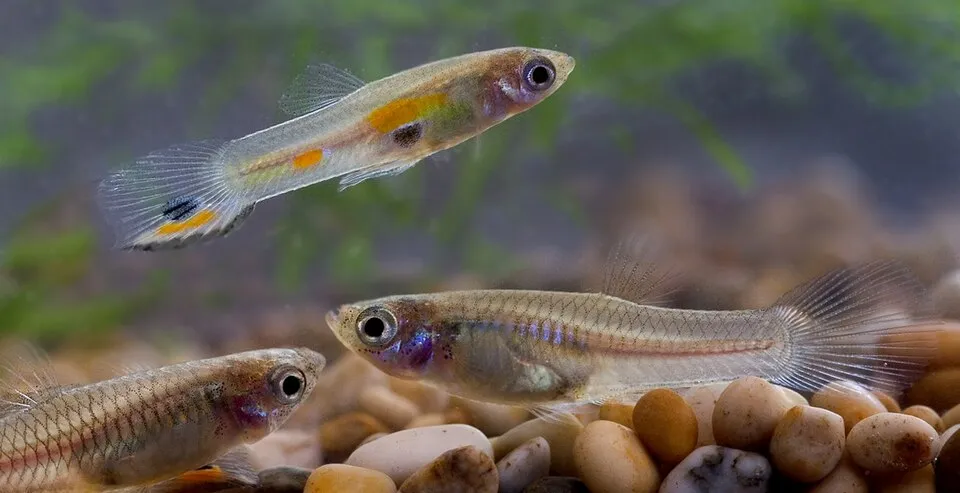
Guppy
Poecilia reticulata
FreshwaterBrackish2.4 in (6 cm) · 10 gal (38 L)64–82°F (18–28°C)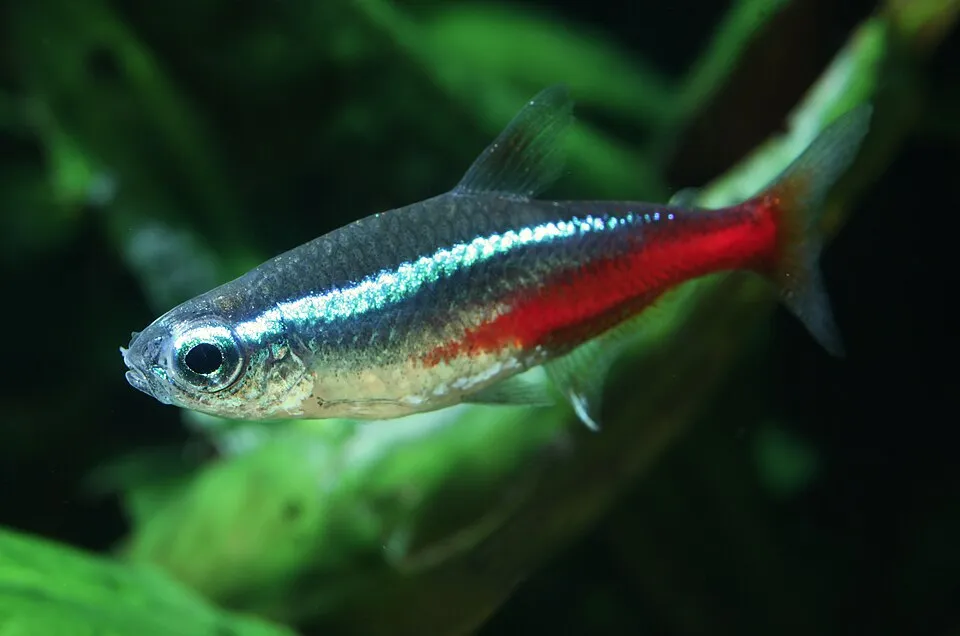
Neon tetra
Paracheirodon innesi
Freshwater1.5 in (3.8 cm) · 11 gal (40 L)70–77°F (21–25°C)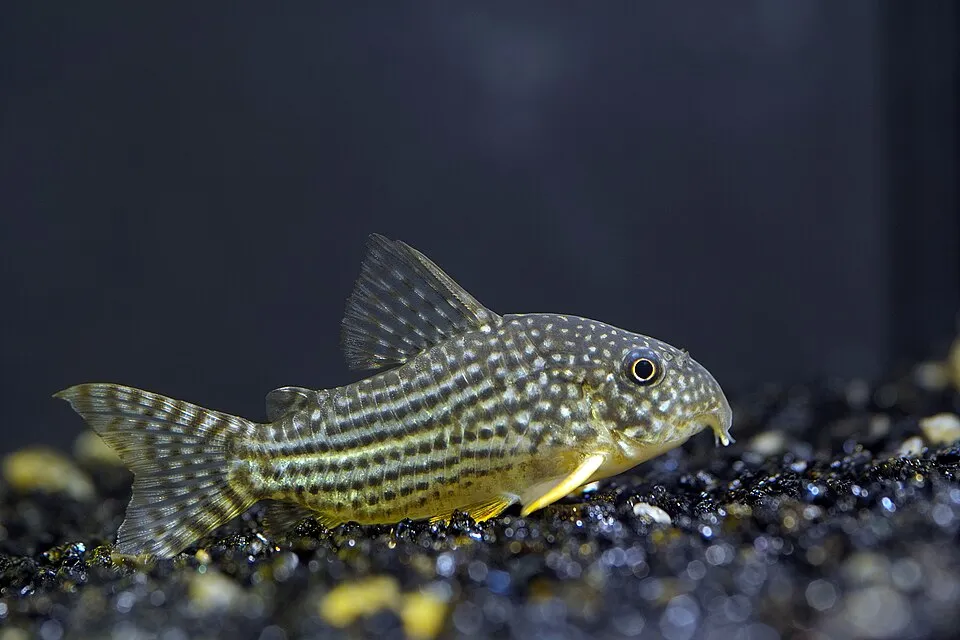
Sterba's cory
Hoplisoma sterbai
Freshwater2.6 in (6.5 cm) · 20 gal (75 L)75–82°F (24–28°C)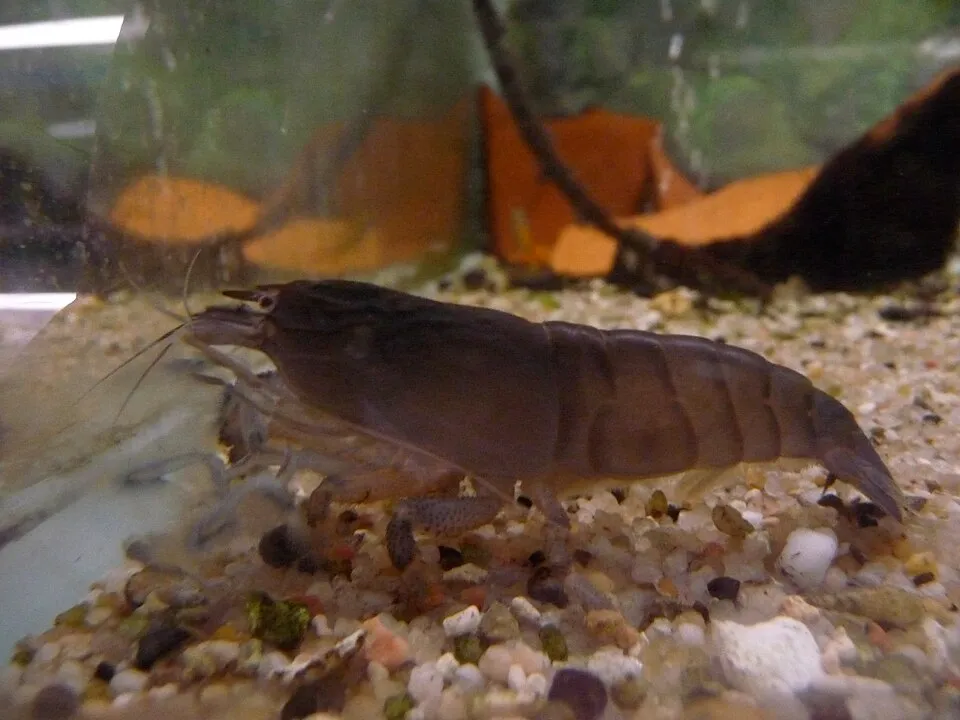
Vampire shrimp
Atya gabonensis
Freshwater5.1 in (13 cm) · 20 gal (75 L)75–82°F (24–28°C)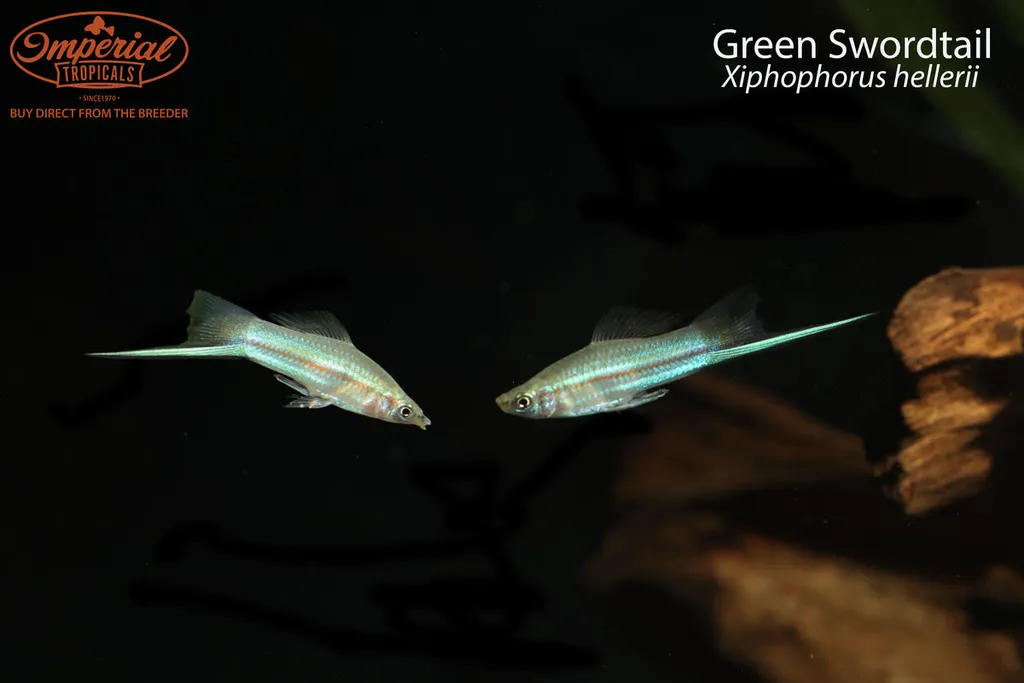
Green swordtail
Xiphophorus hellerii
Freshwater5.9 in (15 cm) · 20 gal (76 L)68–82°F (20–28°C)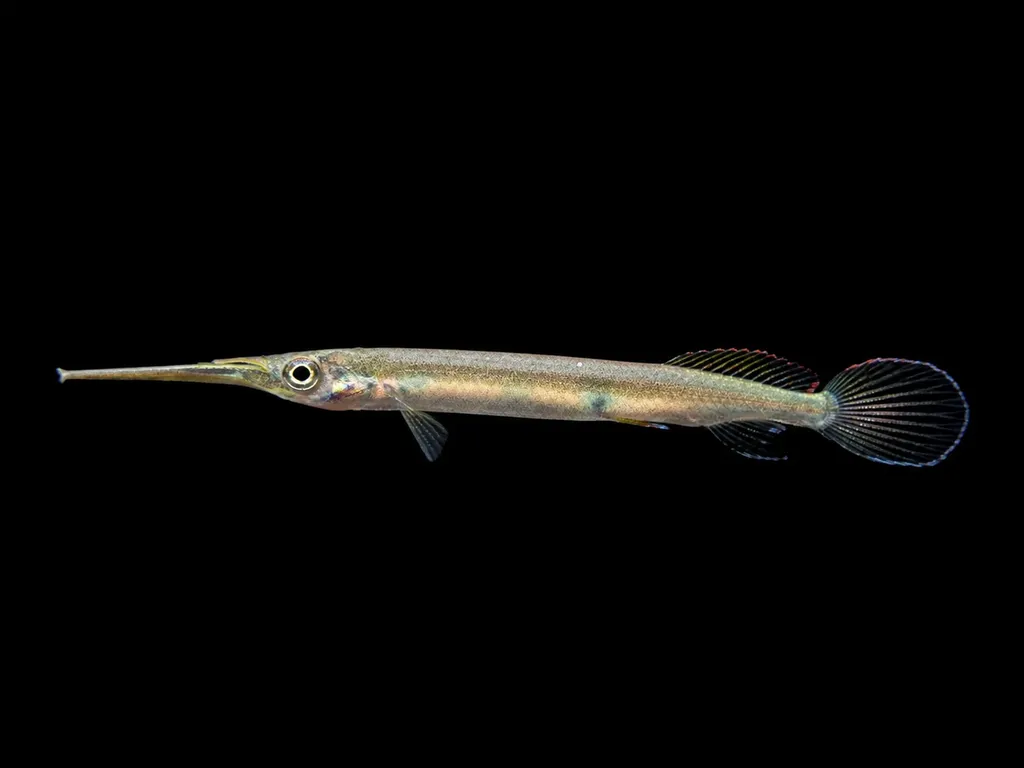
Kuekenthal's halfbeak
Hemirhamphodon kuekenthali
Freshwater3.3 in (8.5 cm) · 20 gal (75 L)73–81°F (23–27°C)
Common questions
What size tank does a Viejita dwarf cichlid need?
A Viejita dwarf cichlid needs at least 20 gal (75 L). It spends most of its time in the bottom.
What temperature and pH does a Viejita dwarf cichlid need?
A Viejita dwarf cichlid is comfortable at 75–82°F (24–28°C) with a pH of 5.5–7.0.
What does a Viejita dwarf cichlid eat?
A Viejita dwarf cichlid eats small live and frozen foods.
How big does a Viejita dwarf cichlid get?
An adult Viejita dwarf cichlid reaches about 2.8 in (7 cm).
How can you tell a male Viejita dwarf cichlid from a female?
Males have a red or orange edge running along the dorsal fin.
How does a Viejita dwarf cichlid breed?
Viejita dwarf cichlids breed in caves, with one male to one or two females. Each female has her own breeding cave, and the fish turn defensive around it. Breeding them is of medium difficulty.
Related species
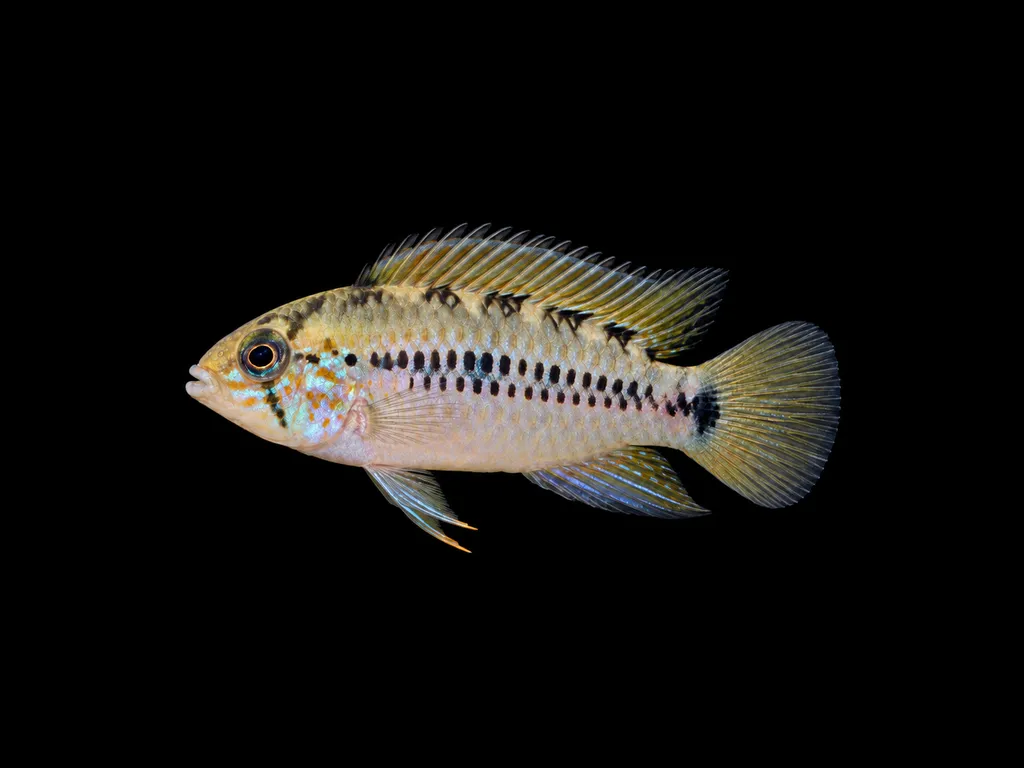 2.8 in (7 cm)20 gal (75 L)73–82°F (23–28°C)
Alacrina dwarf cichlid
Apistogramma alacrina
2.8 in (7 cm) · 20 gal (75 L)
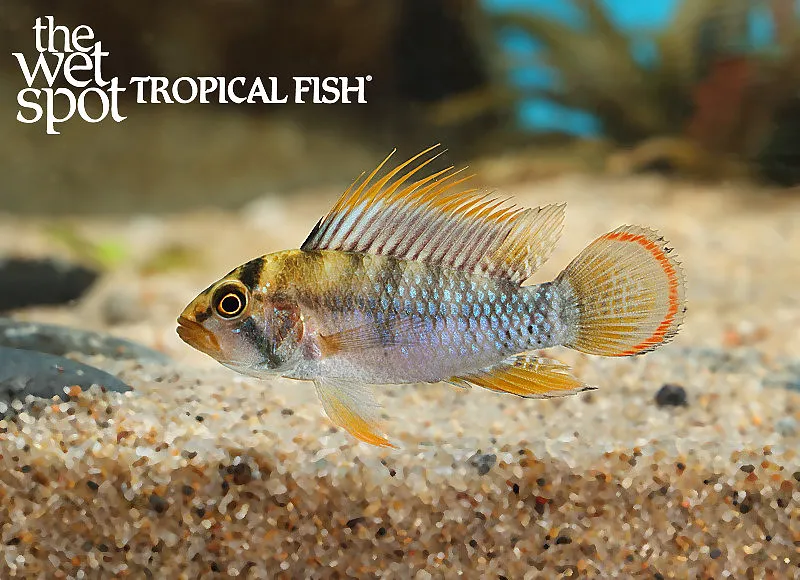 2.8 in (7 cm)20 gal (75 L)73–82°F (23–28°C)
Inca dwarf cichlid
Apistogramma baenschi
2.8 in (7 cm) · 20 gal (75 L)
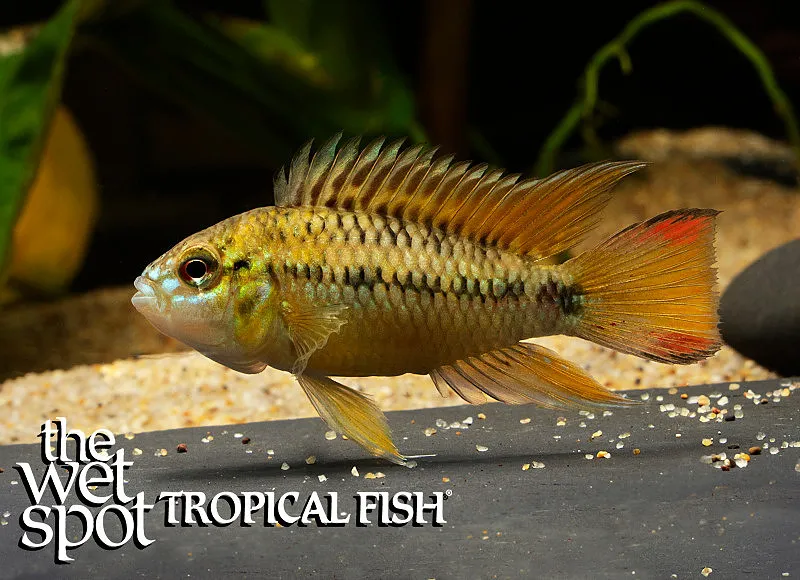 3 in (7.5 cm)20 gal (75 L)75–84°F (24–29°C)
Hoigne's dwarf cichlid
Apistogramma hoignei
3 in (7.5 cm) · 20 gal (75 L)
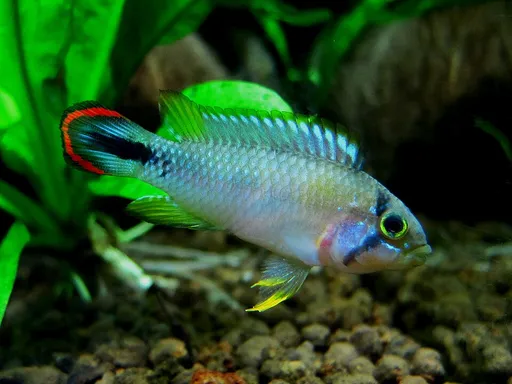 3 in (7.5 cm)20 gal (75 L)75–82°F (24–28°C)
Panduro apisto
Apistogramma panduro
3 in (7.5 cm) · 20 gal (75 L)
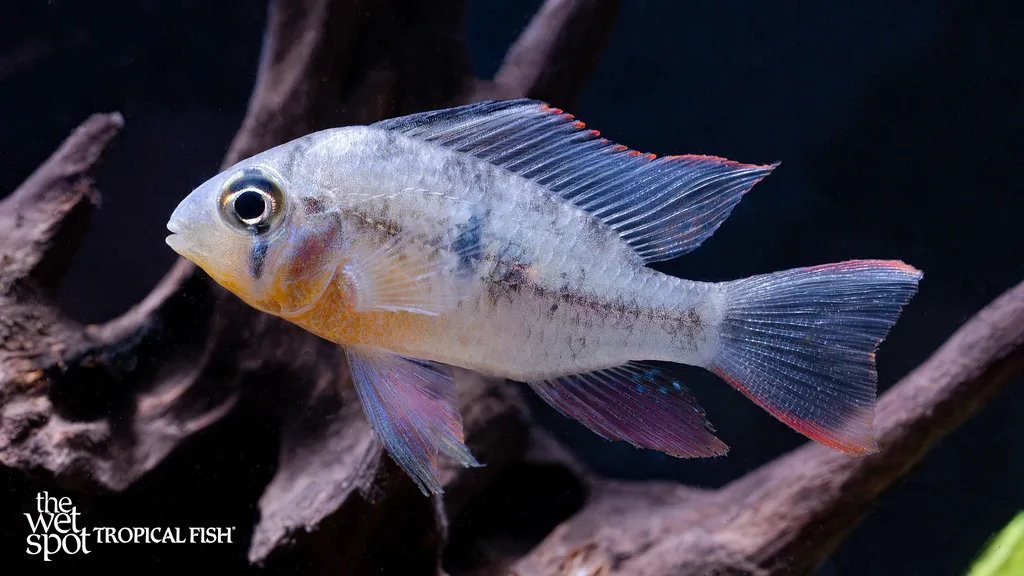 2.6 in (6.5 cm)16 gal (60 L)77–84°F (25–29°C)
Bigfin dwarf cichlid
Apistogramma megaptera
2.6 in (6.5 cm) · 16 gal (60 L)
 2.6 in (6.5 cm)20 gal (75 L)73–82°F (23–28°C)
Blue-cheek dwarf cichlid
Apistogramma eunotus
2.6 in (6.5 cm) · 20 gal (75 L)