Blind cave tetra
Astyanax mexicanus
Also known as Mexican tetra
FreshwaterFish
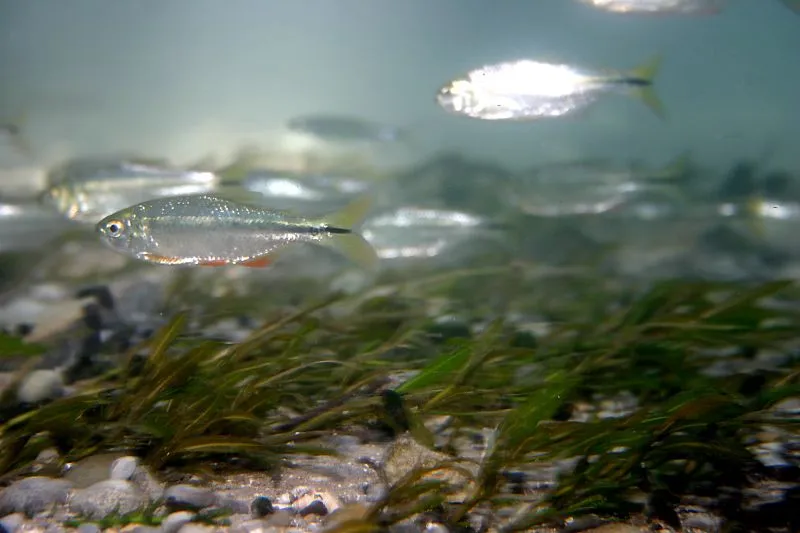
Care at a glance
- Temperature
- 70–77°F
- 21–25°C
- pH
- 6.0–8.0
- Adult size
- 4.7 in
- 12 cm
- Minimum tank
- 25 gal
- 95 L
- Temperament
- Peaceful
- Social behavior
- Social
- Tankmates
- With caution
- Swim level
- Middle
- Difficulty
- Easy
- Breeding
- Medium
- Rarity
- Rare
- Family
- Characidae
- Origin
- Mexico
Overview
They're social and best kept in a group of six or more, in a tank of about 95 liters, spending their time in the middle. They're peaceful with their own kind but active and can nip, so pair them with similarly bold tankmates rather than timid ones. They handle low to mid 20s C and a wide pH band. Feed flake, pellets, and frozen foods; they find food by smell and their lateral line, no eyes required.
In the wild
The blind cave tetra is the cave-adapted form of the Mexican tetra, found in dark limestone caves in northeastern Mexico. There's no light, food is scarce, and the water is cool and roughly neutral. In a tank they don't need darkness, but they appreciate stable, well-filtered water and some current; rockwork suits their natural setting.
Good to know
This is a characin, family Characidae, growing to about 12 cm. The cave form has lost both its eyes and its pigment over generations, while the surface form of the same species keeps normal eyes and silver color. The two are the same species and can interbreed. Conservation status is Least Concern.
Did you know
Even fully blind, these fish almost never bump into things. They map their surroundings by sensing tiny pressure changes in the water with their lateral line, and they hold their own at feeding time right alongside sighted tankmates.
Common questions
What size tank does a Blind cave tetra need?
A Blind cave tetra needs at least 25 gal (95 L). It spends most of its time in the middle.
What temperature and pH does a Blind cave tetra need?
A Blind cave tetra is comfortable at 70–77°F (21–25°C) with a pH of 6.0–8.0.
How big does a Blind cave tetra get?
An adult Blind cave tetra reaches about 4.7 in (12 cm).
Related species
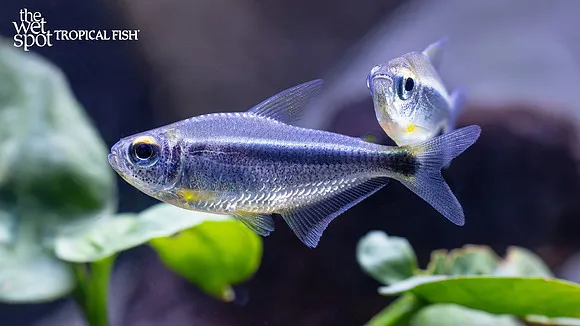 3.4 in (8.7 cm)29 gal (110 L)75–84°F (24–29°C)
Heiko's tetra
Moenkhausia heikoi
3.4 in (8.7 cm) · 29 gal (110 L)
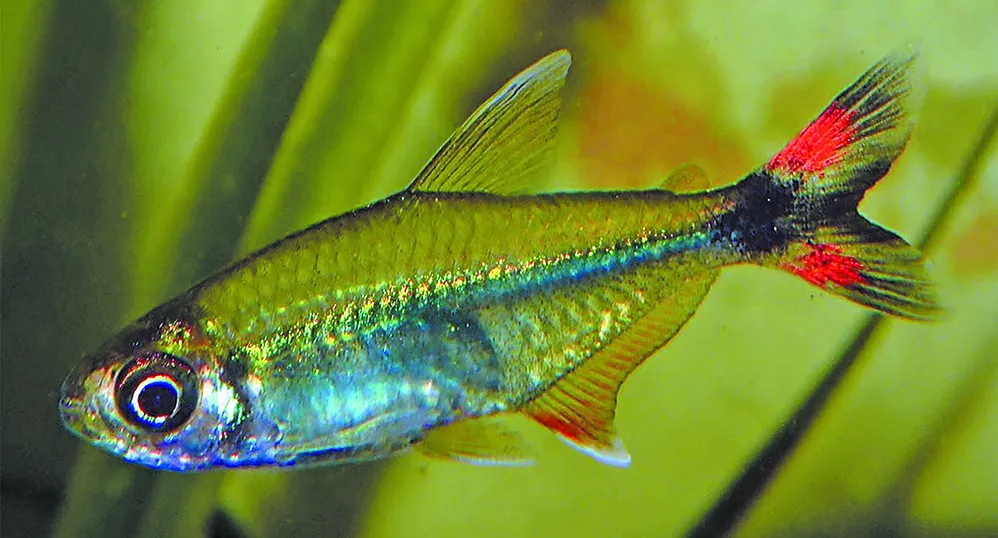 3.3 in (8.5 cm)29 gal (110 L)72–81°F (22–27°C)
Bonita tetra
Moenkhausia bonita
3.3 in (8.5 cm) · 29 gal (110 L)
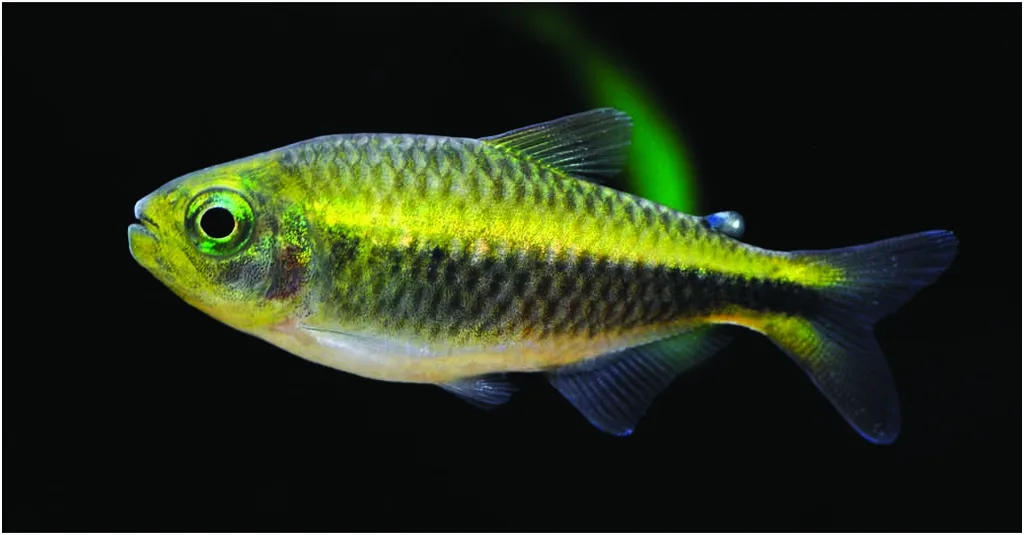 3.1 in (8 cm)24 gal (90 L)75–82°F (24–28°C)
Green-eye tetra
Moenkhausia chlorophthalma
3.1 in (8 cm) · 24 gal (90 L)
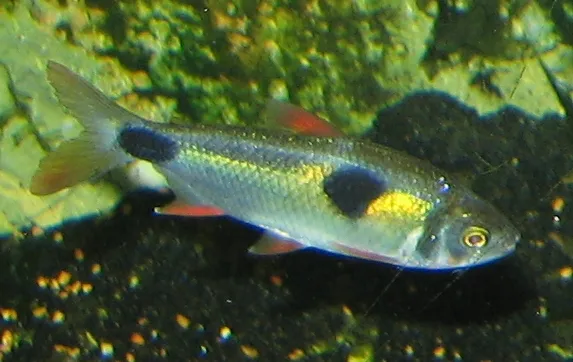 4.7 in (12 cm)45 gal (170 L)73–82°F (23–28°C)
Bucktooth tetra
Exodon paradoxus
4.7 in (12 cm) · 45 gal (170 L)
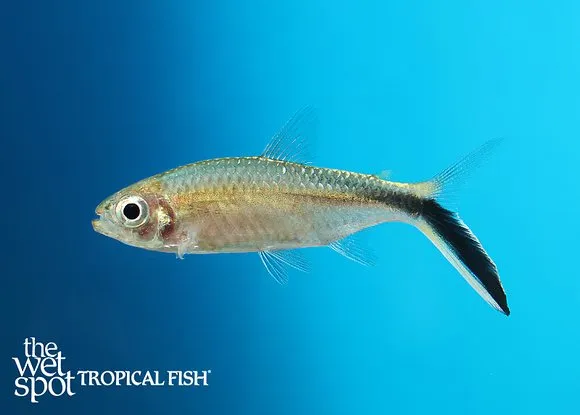 3 in (7.6 cm)29 gal (110 L)73–82°F (23–28°C)
True penguin tetra
Thayeria obliqua
3 in (7.6 cm) · 29 gal (110 L)
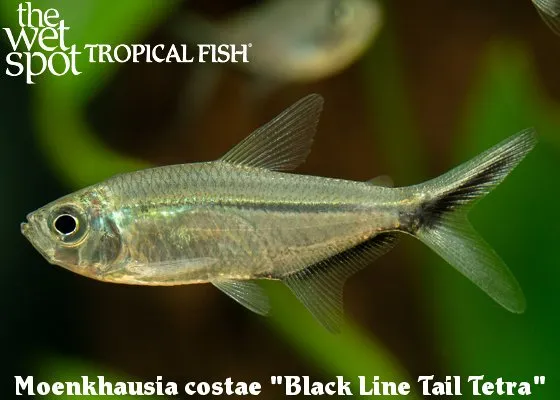 2.8 in (7 cm)29 gal (110 L)72–82°F (22–28°C)
Costae tetra
Moenkhausia costae
2.8 in (7 cm) · 29 gal (110 L)