True penguin tetra
Thayeria obliqua
Also known as Short-striped penguin, Obliqua penguin
FreshwaterFish
Care at a glance
- Temperature
- 73–82°F
- 23–28°C
- pH
- 5.5–7.2
- Adult size
- 3 in
- 7.6 cm
- Minimum tank
- 29 gal
- 110 L
- Temperament
- Peaceful
- Social behavior
- Schooling
- Swim level
- Middle
- Difficulty
- Easy
- Breeding
- No record
- Rarity
- Rare
- Family
- Characidae
- Origin
- Madeira and Guaporé basins, Brazil and Bolivia
Overview
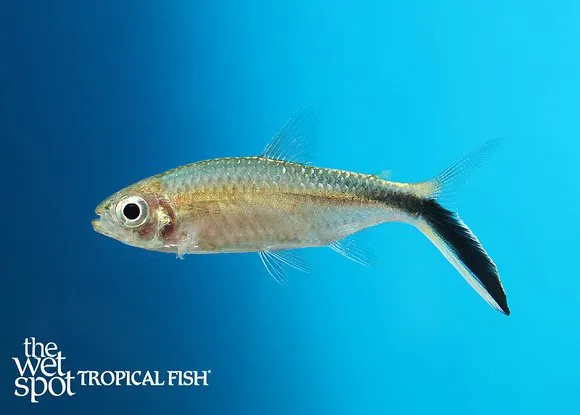
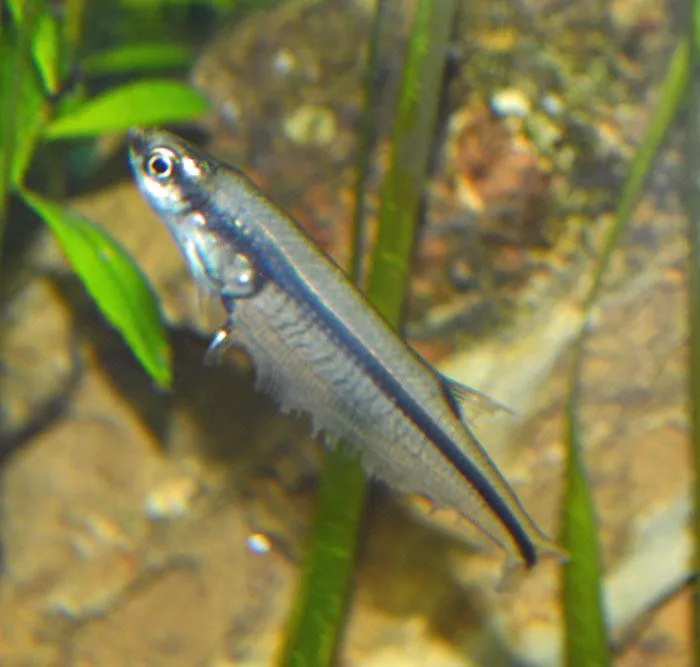
The true penguin tetra is a hardy schooling fish for a peaceful community tank, and it is easy to keep. It swims with its tail held down at an angle, a natural posture and not a sign of illness.
Did you know
The true penguin tetra carried the penguin name first, back in 1908. Almost every penguin tetra in shops is actually Thayeria boehlkei, a look-alike. The original is now the rarer of the two in the trade.
Caring for the true penguin tetra
Keep true penguin tetras in a group of at least eight, in a tank of 29 gal (110 L) or more. They grow larger than most tetras and stay on the move, so give them open swimming room. A darker setup with driftwood, some plants and open surface space brings out their color and their steady, angled swimming.
Give them warm water at 73 to 82°F (23 to 28°C) and a pH of 5.5 to 7.2. Softer, gently acidic water suits them best. Feed a varied diet of flake, small pellets and frozen foods such as bloodworm and daphnia.
True penguin tetras are peaceful and sit in the middle of the tank. They mix well in a community with other calm fish of similar size, and the whole school leans and drifts together. Captive breeding is not well documented.
Good to know
The true penguin tetra is a characin of the family Characidae and the type species of its genus. It is told from the common penguin tetra, Thayeria boehlkei, by its black stripe. That stripe starts around the middle of the body and fades out before the dorsal fin. On the common fish, the stripe runs the full length from gill to tail.
In the wild
Thayeria obliqua comes from the Madeira and Guaporé river basins of Brazil and Bolivia. It lives in warm, slow to moderate forest waters stained with tannins.
Weekly picks
Tank mates
The true penguin tetra is a peaceful, schooling species that keeps to the middle. These picks share a community profile with it, are safe together in both directions, and overlap on water type, temperature and pH.
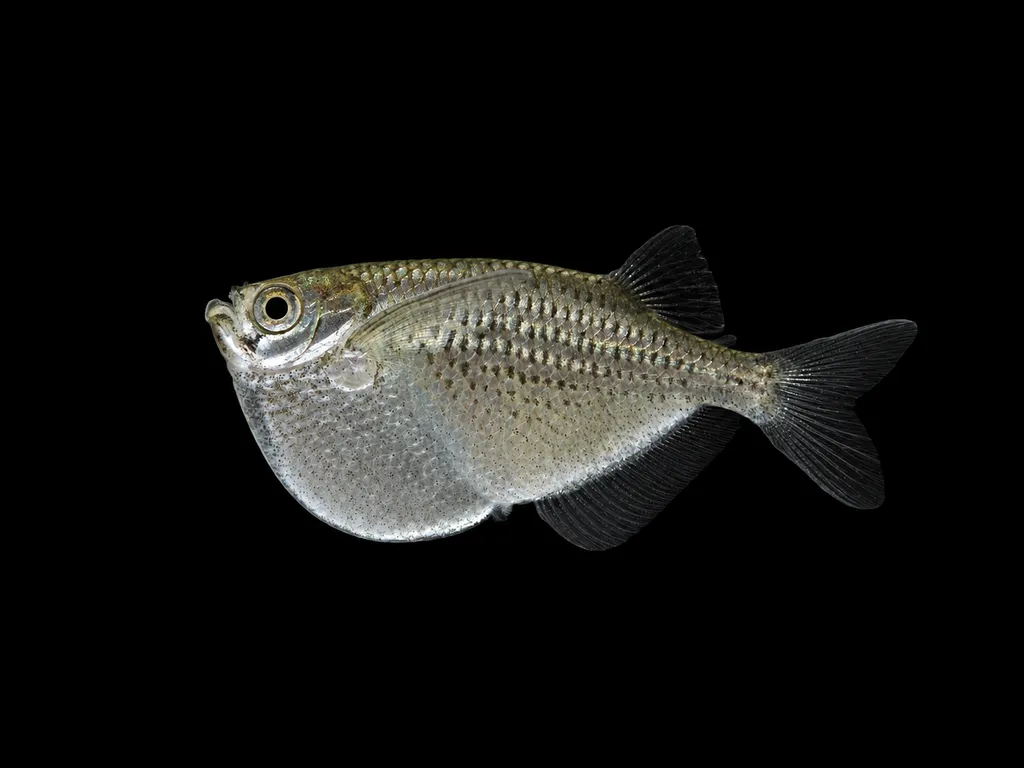
Silver hatchetfish
Gasteropelecus levis
Freshwater1.4 in (3.5 cm) · 30 gal (112 L)73–82°F (23–28°C)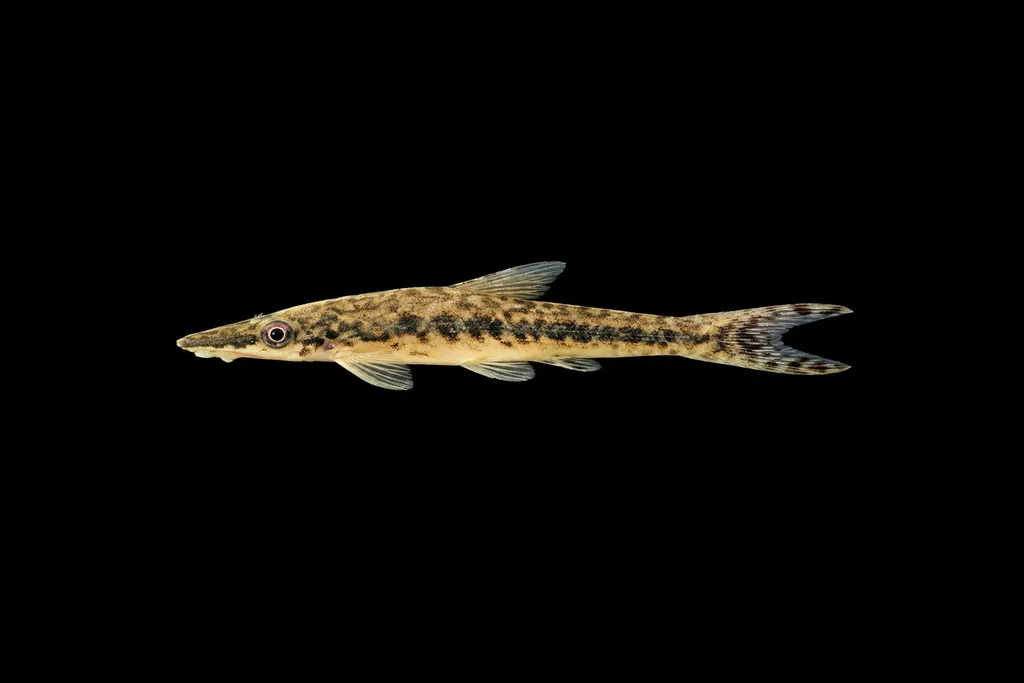
Guianense otocinclus
Hypoptopoma guianense
Freshwater3 in (7.5 cm) · 29 gal (110 L)75–82°F (24–28°C)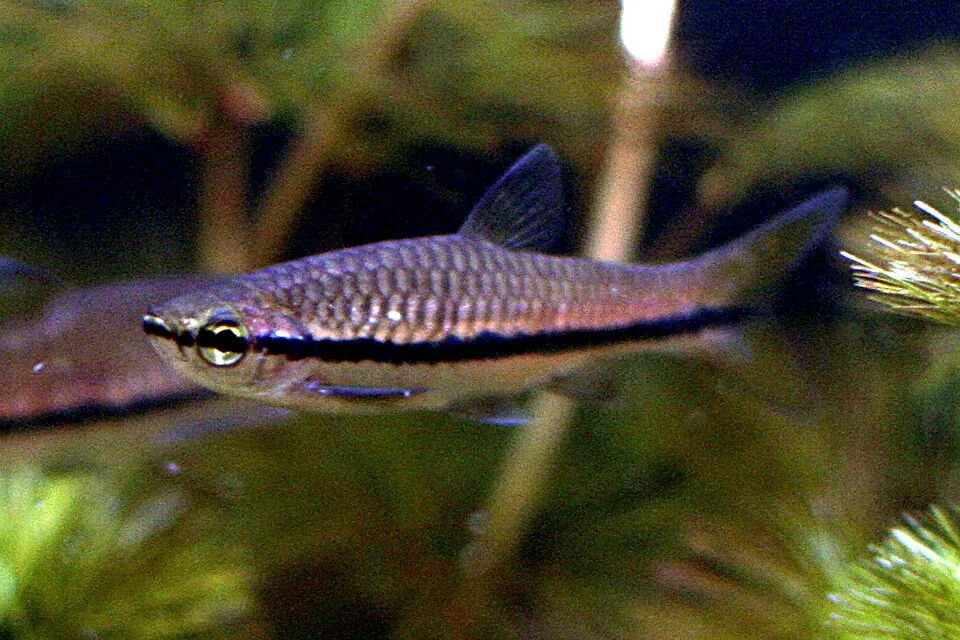
Brilliant rasbora
Rasbora einthovenii
Freshwater3.5 in (9 cm) · 29 gal (110 L)72–82°F (22–28°C)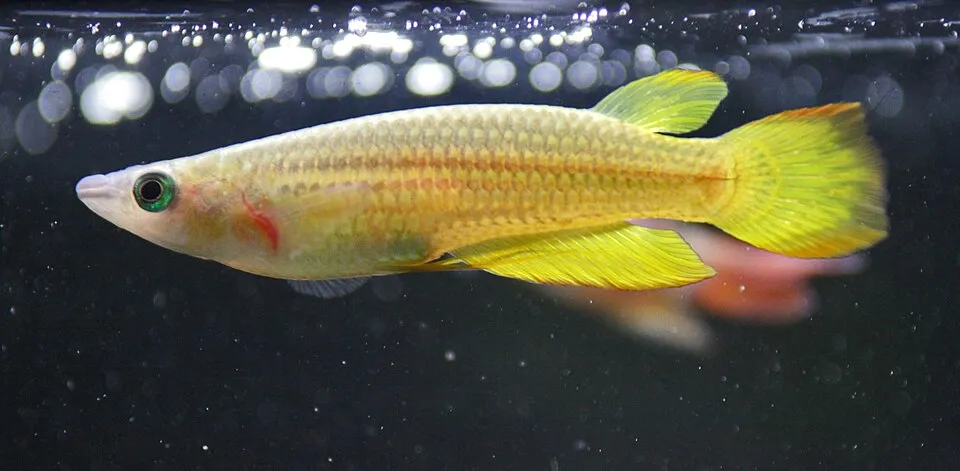
Striped panchax
Aplocheilus lineatus
Freshwater4.3 in (11 cm) · 30 gal (115 L)72–77°F (22–25°C)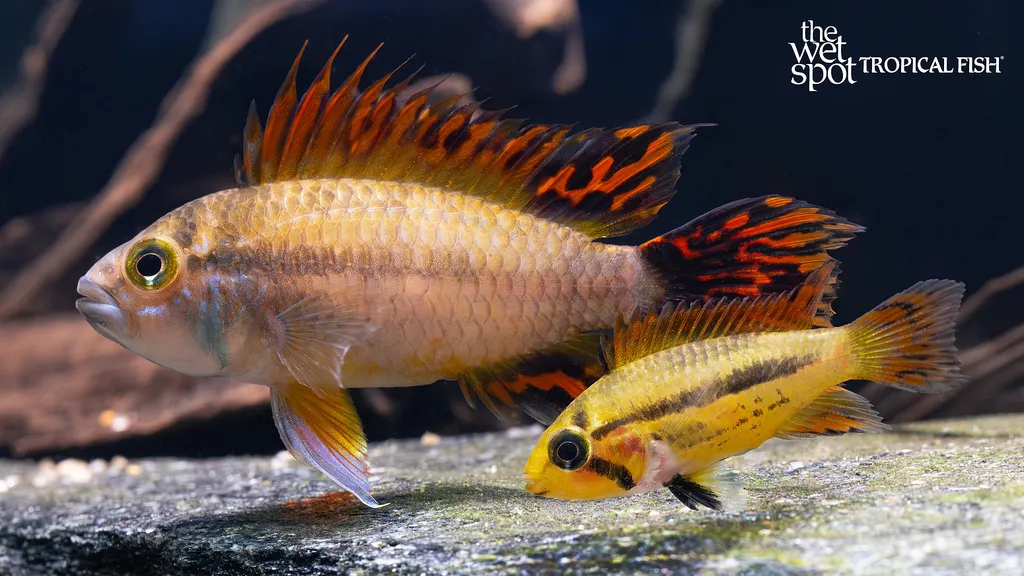
Kullander's dwarf cichlid
Apistogramma kullanderi
Freshwater3.9 in (10 cm) · 29 gal (110 L)72–81°F (22–27°C)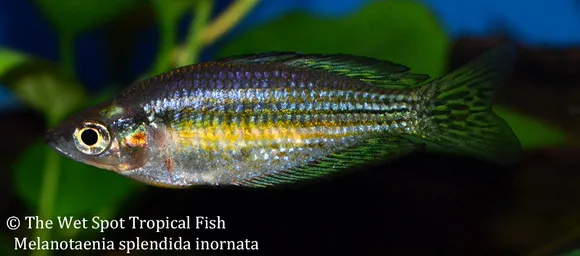
Checkered rainbowfish
Melanotaenia splendida inornata
Freshwater4.7 in (12 cm) · 29 gal (110 L)72–86°F (22–30°C)
Common questions
What size tank does a true penguin tetra need?
A true penguin tetra needs at least 29 gal (110 L). It spends most of its time in the middle.
What temperature and pH does a true penguin tetra need?
A true penguin tetra is comfortable at 73–82°F (23–28°C) with a pH of 5.5–7.2.
What does a true penguin tetra eat?
A true penguin tetra eats a varied diet of flake and small pellets. Add frozen foods such as bloodworm and daphnia.
How big does a true penguin tetra get?
An adult true penguin tetra reaches about 3 in (7.6 cm).
Does a true penguin tetra need a group?
Yes. A true penguin tetra is a schooling species and should be kept in a group, not singly.
Related species
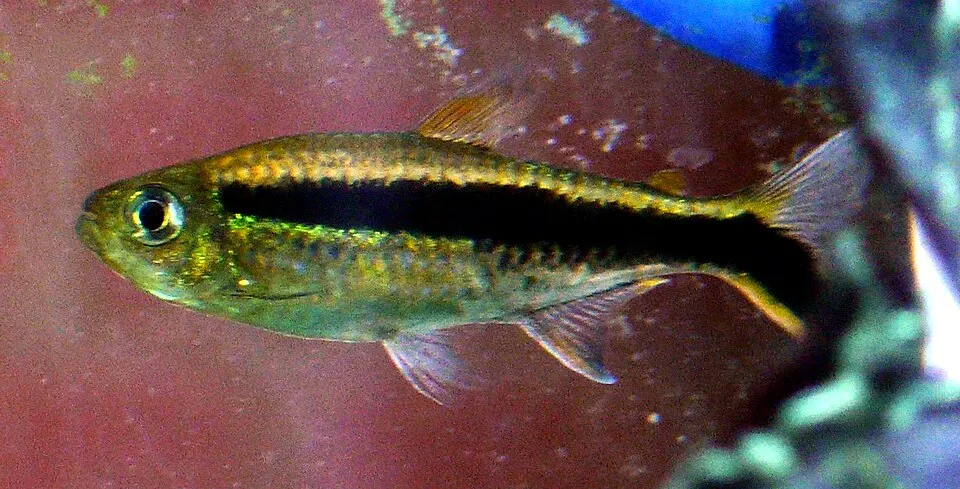 2.6 in (6.5 cm)20 gal (75 L)72–82°F (22–28°C)
Penguin tetra
Thayeria boehlkei
2.6 in (6.5 cm) · 20 gal (75 L)
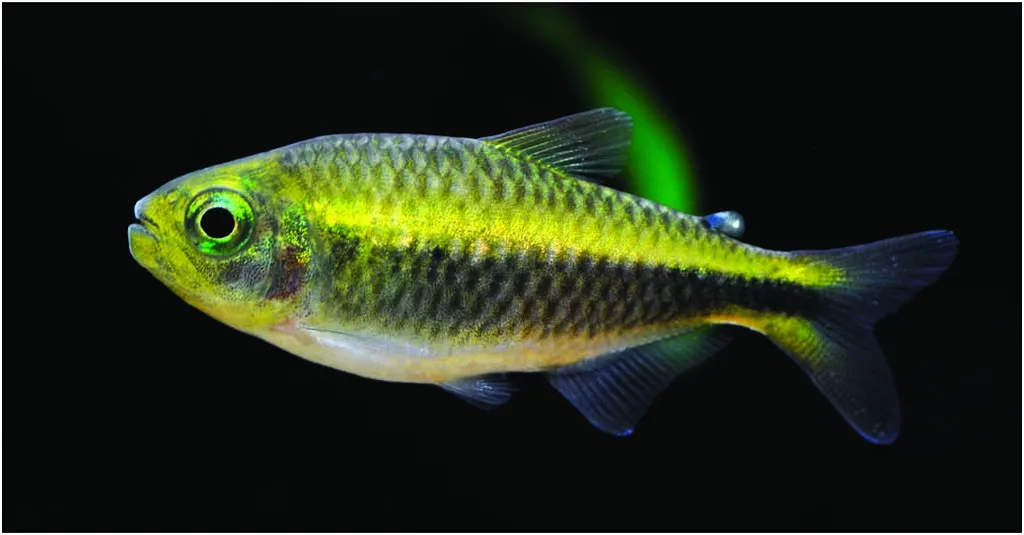 3.1 in (8 cm)24 gal (90 L)75–82°F (24–28°C)
Green-eye tetra
Moenkhausia chlorophthalma
3.1 in (8 cm) · 24 gal (90 L)
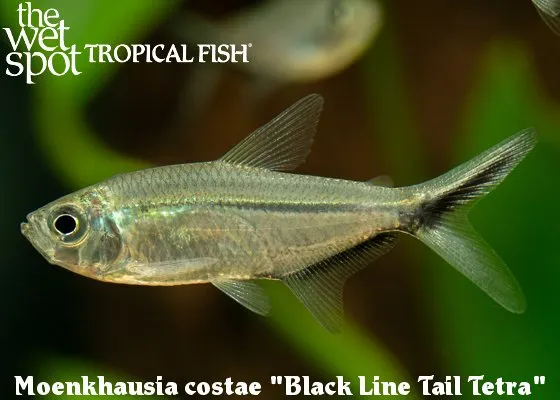 2.8 in (7 cm)29 gal (110 L)72–82°F (22–28°C)
Costae tetra
Moenkhausia costae
2.8 in (7 cm) · 29 gal (110 L)
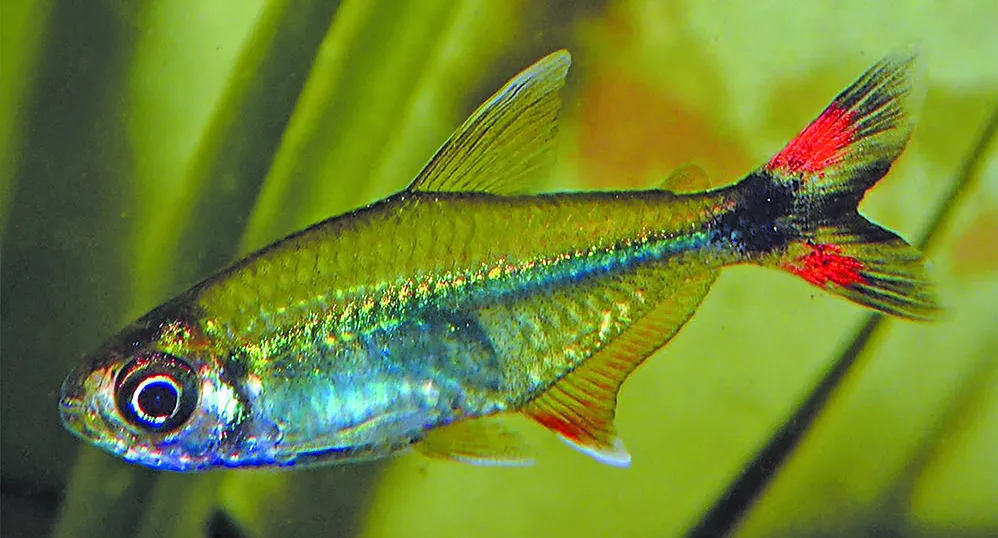 3.3 in (8.5 cm)29 gal (110 L)72–81°F (22–27°C)
Bonita tetra
Moenkhausia bonita
3.3 in (8.5 cm) · 29 gal (110 L)
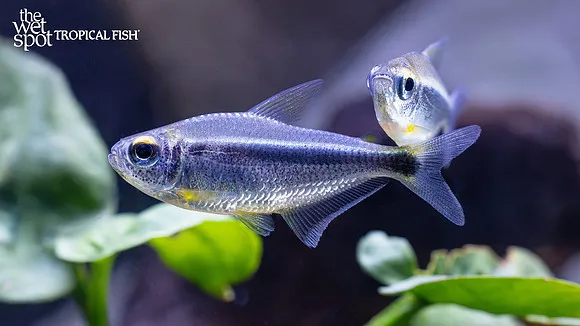 3.4 in (8.7 cm)29 gal (110 L)75–84°F (24–29°C)
Heiko's tetra
Moenkhausia heikoi
3.4 in (8.7 cm) · 29 gal (110 L)
 2.6 in (6.5 cm)21 gal (80 L)73–82°F (23–28°C)
Bond's glass tetra
Xenagoniates bondi
2.6 in (6.5 cm) · 21 gal (80 L)