Bond's glass tetra
Xenagoniates bondi
Also known as Xenagoniates tetra
FreshwaterFish
Care at a glance
- Temperature
- 73–82°F
- 23–28°C
- pH
- 5.5–7.2
- Adult size
- 2.6 in
- 6.5 cm
- Minimum tank
- 21 gal
- 80 L
- Temperament
- Peaceful
- Social behavior
- Schooling
- Swim level
- Middle
- Diet
- Carnivore
- Difficulty
- Medium
- Breeding
- No record
- Rarity
- Rare
- Family
- Characidae
- Origin
- Orinoco llanos and Lake Maracaibo drainages
Overview
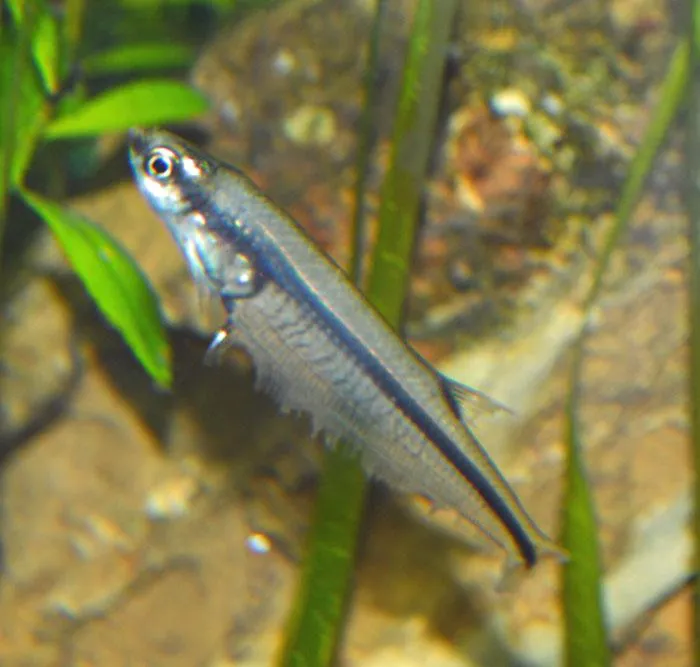
Bond's glass tetra is a slender, almost fully transparent schooling fish for open water in a calm community tank. It suits a keeper with some experience.
Did you know
Bond's glass tetra is so clear that its organs sit in a small silvery pouch behind the gills. The rest of the fish reads as swimming glass, a camouflage that hides it in open water.
Caring for the Bond's glass tetra
Keep Bond's glass tetras in a group of at least eight, and more if you can, in 21 gal (80 L) or larger. They swim in the middle and upper water, so give them plenty of open swimming space. A dark background and some planting around the edges make their transparent bodies easier to see.
Give them warm water at 73 to 82°F (23 to 28°C) and a pH of 5.5 to 7.2, with gentle flow. Dim, even light keeps them relaxed and out in the open. Feed small live and frozen foods such as daphnia, bloodworm, mosquito larvae and brine shrimp, along with fine flake.
Bond's glass tetras are peaceful toward fish they cannot eat. They are open-water micropredators that take small live prey, so avoid tiny fish, fry or dwarf shrimp they could swallow. Calm tetras of similar size and other open-water fish make good company. Their breeding is not documented in home aquariums.
Good to know
Xenagoniates bondi was described by Myers in 1942 and is the only species in its genus. It belongs to the family Characidae and is one of the most transparent of all characins. Its clear body shows the spine, and mature fish carry long, trailing extensions on their fins.
In the wild
Bond's glass tetra lives in slow, clear creeks and river margins of the Orinoco llanos and the Lake Maracaibo drainage. These waters run through Venezuela and Colombia.
Weekly picks
Tank mates
The Bond's glass tetra is a peaceful, schooling species that keeps to the middle. These picks share a community profile with it, are safe together in both directions, and overlap on water type, temperature and pH.
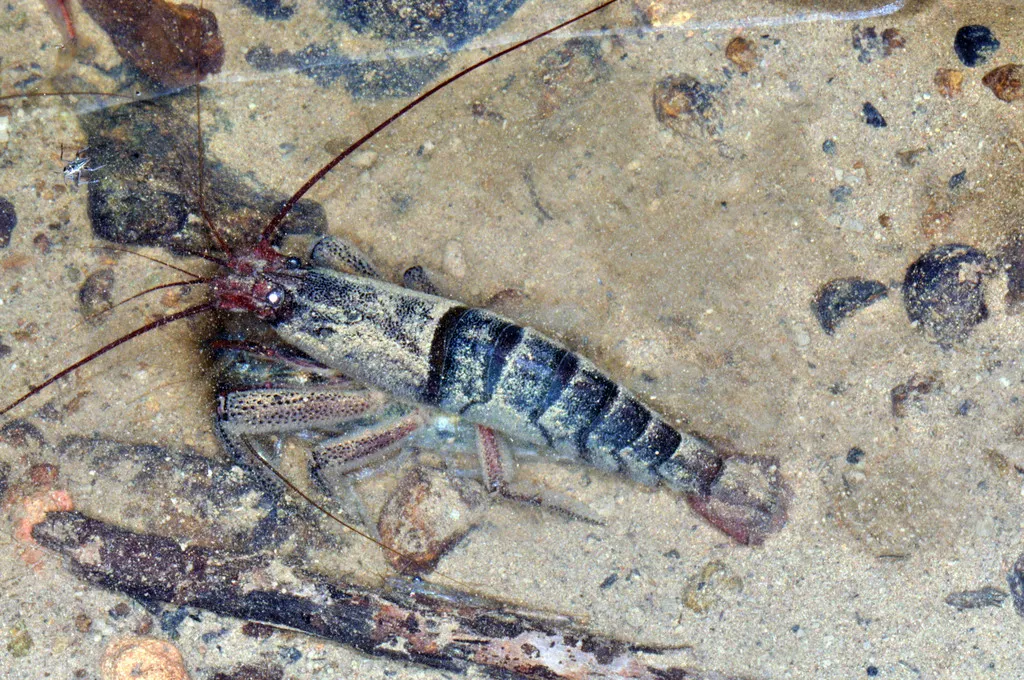
Marble wood shrimp
Atya scabra
Freshwater3.9 in (10 cm) · 20 gal (75 L)73–82°F (23–28°C)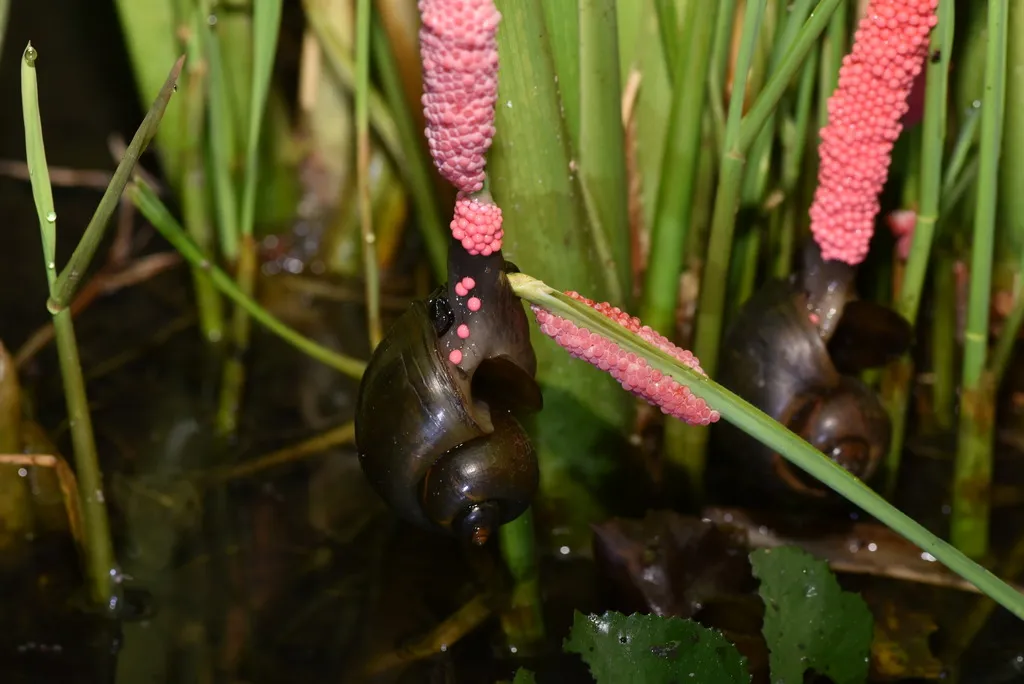
Apple snail
Pomacea canaliculata
Freshwater5.9 in (15 cm) · 21 gal (80 L)64–81°F (18–27°C)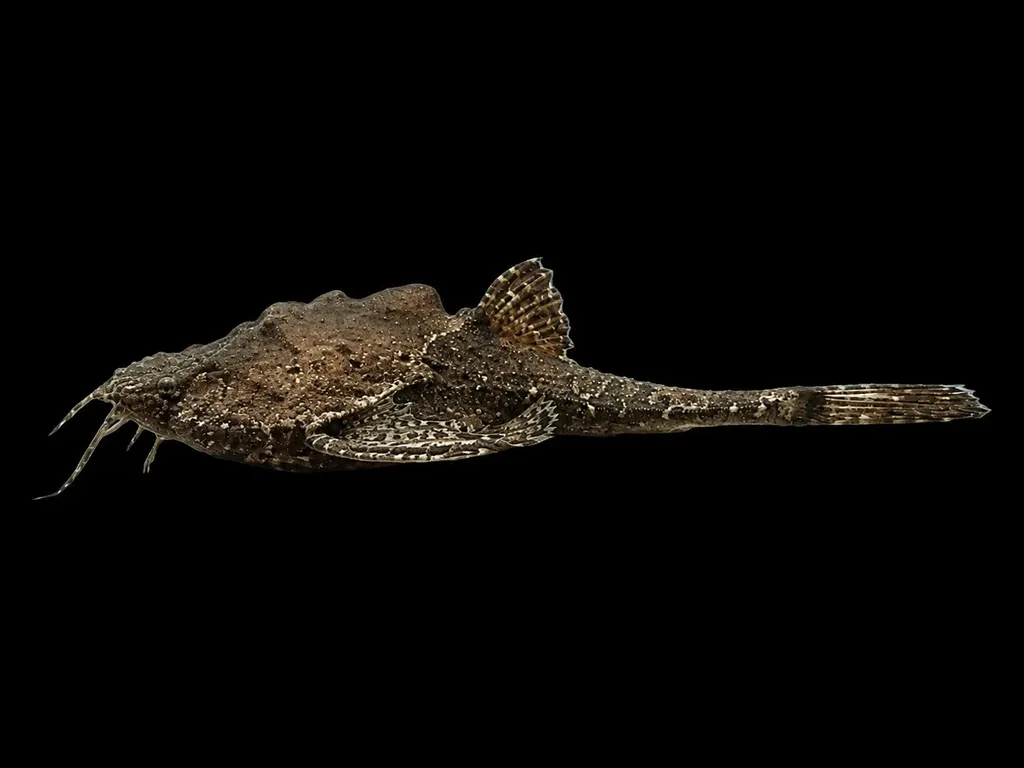
Craggy-head banjo catfish
Bunocephalus verrucosus
Freshwater3.9 in (10 cm) · 21 gal (80 L)73–82°F (23–28°C)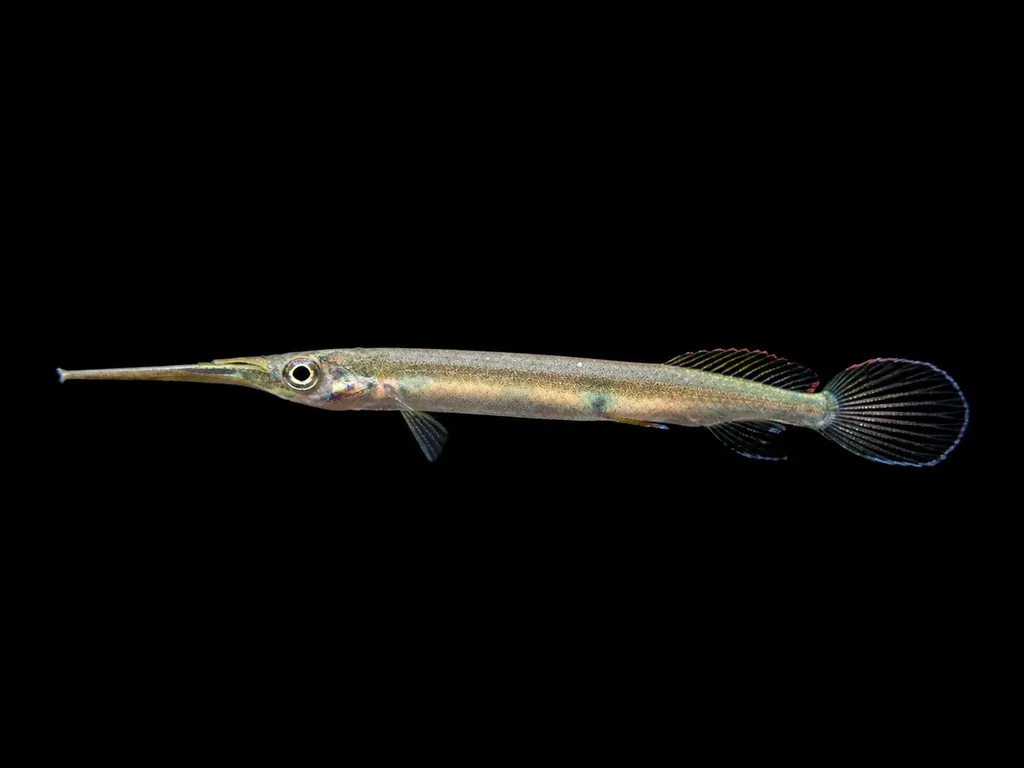
Kuekenthal's halfbeak
Hemirhamphodon kuekenthali
Freshwater3.3 in (8.5 cm) · 20 gal (75 L)73–81°F (23–27°C)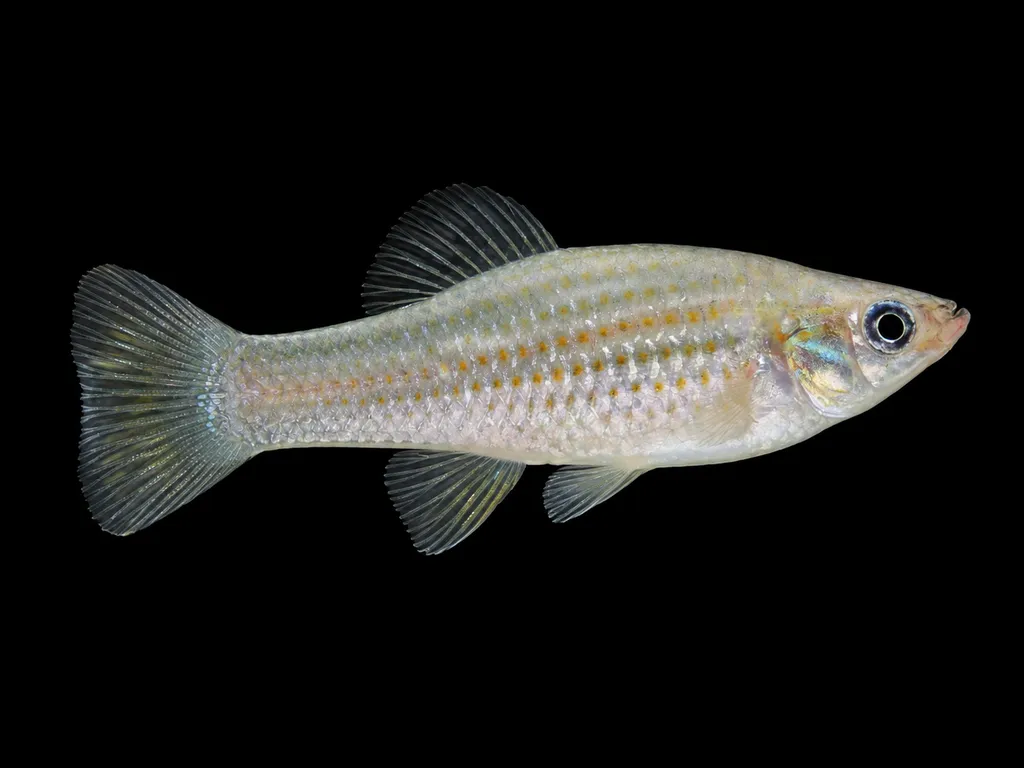
Amazon molly
Poecilia formosa
Freshwater3.5 in (9 cm) · 20 gal (75 L)68–82°F (20–28°C)Red-lipped darter tetra
Nannocharax rubrolabiatus
Freshwater2.4 in (6 cm) · 21 gal (80 L)73–82°F (23–28°C)
Common questions
What size tank does a Bond's glass tetra need?
A Bond's glass tetra needs at least 21 gal (80 L). It spends most of its time in the middle.
What temperature and pH does a Bond's glass tetra need?
A Bond's glass tetra is comfortable at 73–82°F (23–28°C) with a pH of 5.5–7.2.
What does a Bond's glass tetra eat?
A Bond's glass tetra is a micropredator that eats small live and frozen foods, such as daphnia, bloodworm, mosquito larvae and brine shrimp. Give it fine flake as well.
How big does a Bond's glass tetra get?
An adult Bond's glass tetra reaches about 2.6 in (6.5 cm).
Does a Bond's glass tetra need a group?
Yes. A Bond's glass tetra is a schooling species and should be kept in a group, not singly.
Related species
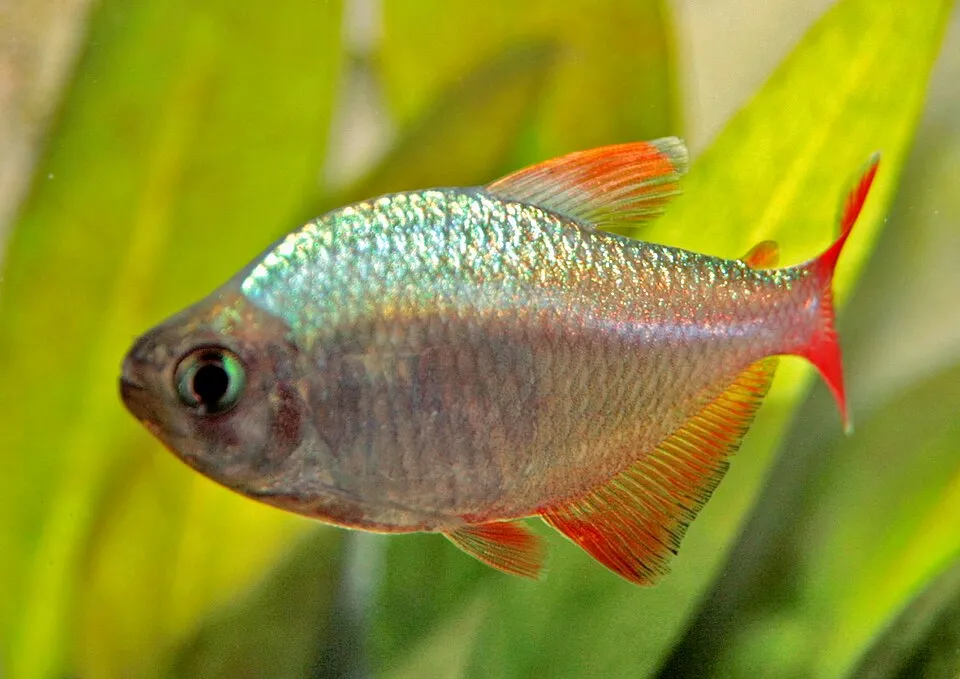 2.6 in (6.5 cm)20 gal (75 L)73–82°F (23–28°C)
Colombian tetra
Hyphessobrycon columbianus
2.6 in (6.5 cm) · 20 gal (75 L)
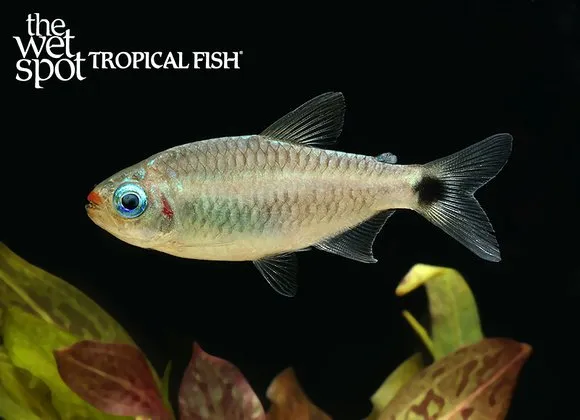 2.6 in (6.5 cm)24 gal (90 L)73–82°F (23–28°C)
Cosmops tetra
Bario cosmops
2.6 in (6.5 cm) · 24 gal (90 L)
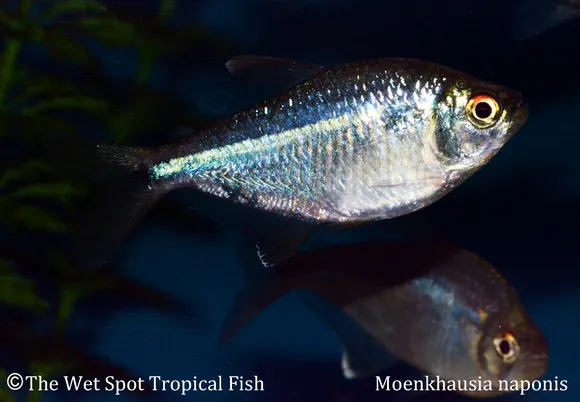 2.6 in (6.5 cm)20 gal (75 L)73–81°F (23–27°C)
Napo tetra
Moenkhausia naponis
2.6 in (6.5 cm) · 20 gal (75 L)
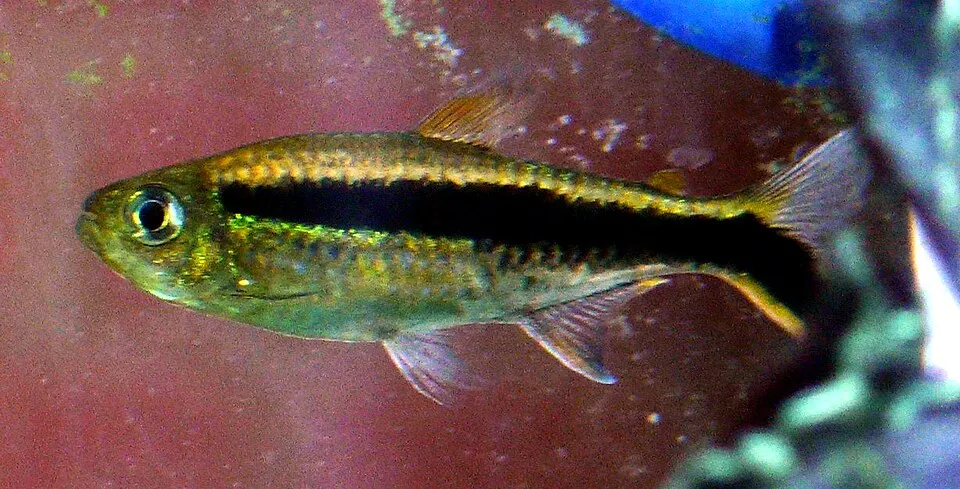 2.6 in (6.5 cm)20 gal (75 L)72–82°F (22–28°C)
Penguin tetra
Thayeria boehlkei
2.6 in (6.5 cm) · 20 gal (75 L)
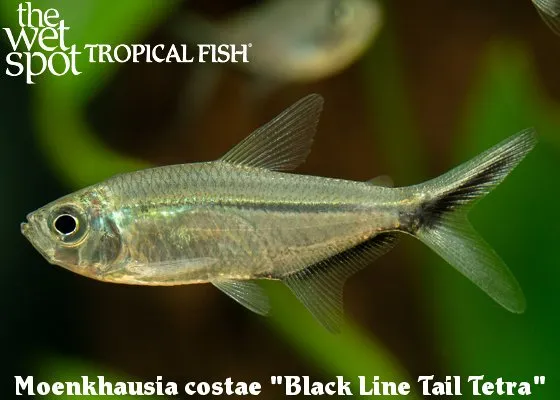 2.8 in (7 cm)29 gal (110 L)72–82°F (22–28°C)
Costae tetra
Moenkhausia costae
2.8 in (7 cm) · 29 gal (110 L)
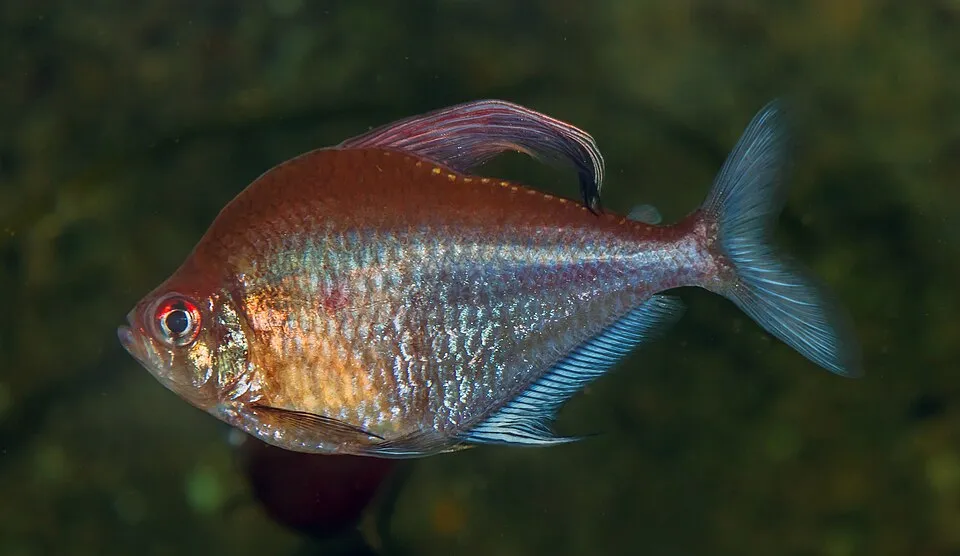 2.4 in (6 cm)20 gal (75 L)70–81°F (21–27°C)
Bleeding heart tetra
Hyphessobrycon erythrostigma
2.4 in (6 cm) · 20 gal (75 L)