Cosmops tetra
Bario cosmops
Also known as Moenkhausia cosmops, Lipstick tetra
FreshwaterFish
Care at a glance
- Temperature
- 73–82°F
- 23–28°C
- pH
- 5.5–7.0
- Adult size
- 2.6 in
- 6.5 cm
- Minimum tank
- 24 gal
- 90 L
- Temperament
- Peaceful
- Social behavior
- Schooling
- Swim level
- Middle
- Difficulty
- Medium
- Breeding
- Egg scatterer
- Rarity
- Rare
- Family
- Characidae
- Origin
- Upper Tapajós and Paraguay headwaters, Brazil
Overview
The Cosmops tetra is a hardy, peaceful schooling fish for the middle of a community tank. It is best with a little experience.
Did you know
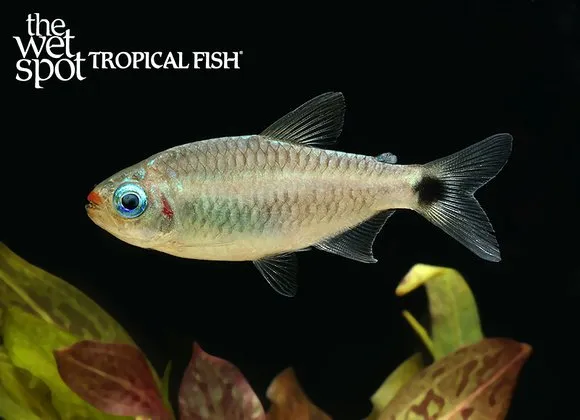
Cosmops means adorned face in Greek. The fish lives up to it with a smear of blue over the eye. It carries that coloring straight out of the river.
Caring for the Cosmops tetra
Keep Cosmops tetras in a group of at least eight, in 24 gal (90 L) or larger. A dark substrate shows off their painted faces and deepens their colors. Add driftwood, some planting, open swimming lanes and some shade.
They are adaptable and undemanding about water. Soft to moderately hard water at 73 to 82°F (23 to 28°C) and a pH of 5.5 to 7.0 suits them. Keep the flow gentle and the water clean and stable with regular changes. Feed quality flake and micro pellets, with frozen or live foods like daphnia, bloodworm and brine shrimp.
Cosmops tetras are peaceful and mix well with other calm community fish of similar size. Tetras, pencilfish, peaceful barbs and corydoras all make good company. They are egg scatterers, and home breeding is not formally documented.
Good to know
The Cosmops tetra was described in 2007 as Moenkhausia cosmops and later moved to the genus Bario. It is a characin of the family Characidae. Its red lips and glittering scales give it the trade name lipstick tetra.
In the wild
The Cosmops tetra comes from clear headwater streams in Mato Grosso, Brazil. These streams lie on the divide between the upper Rio Tapajos and the Rio Paraguay.
Weekly picks
Tank mates
The Cosmops tetra is a peaceful, schooling species that keeps to the middle. These picks share a community profile with it, are safe together in both directions, and overlap on water type, temperature and pH.
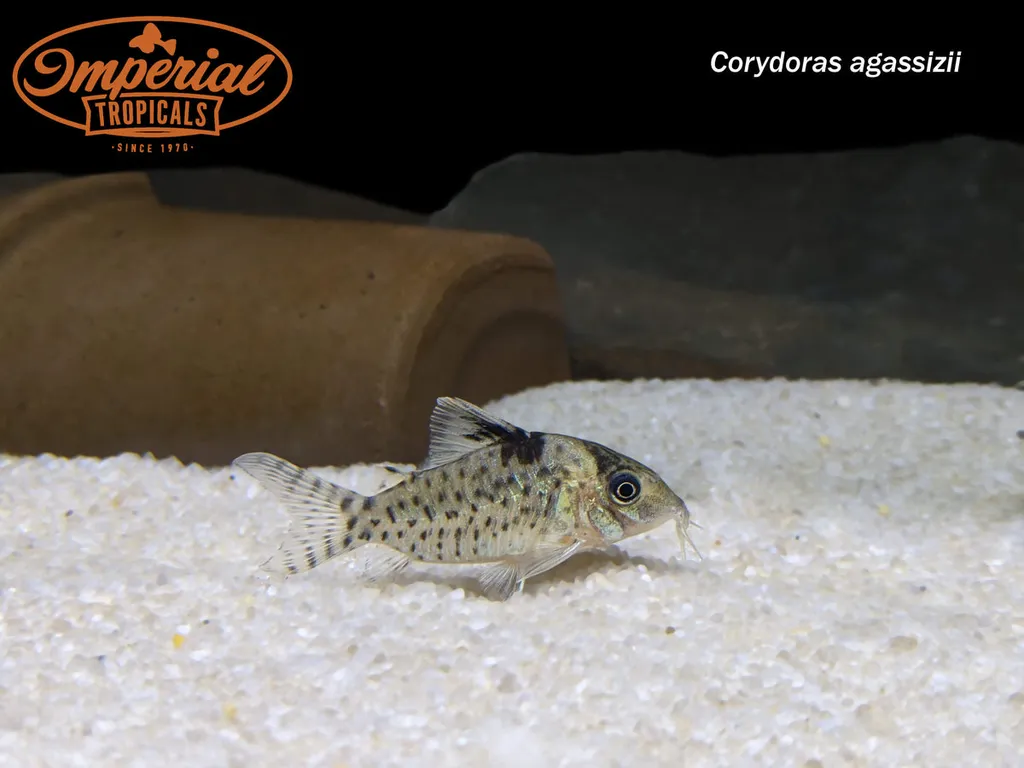
Agassiz's cory
Brochis agassizii
Freshwater2.8 in (7 cm) · 24 gal (90 L)72–79°F (22–26°C)Siamese flying barb
Laubuka siamensis
Freshwater2.6 in (6.5 cm) · 24 gal (90 L)72–81°F (22–27°C)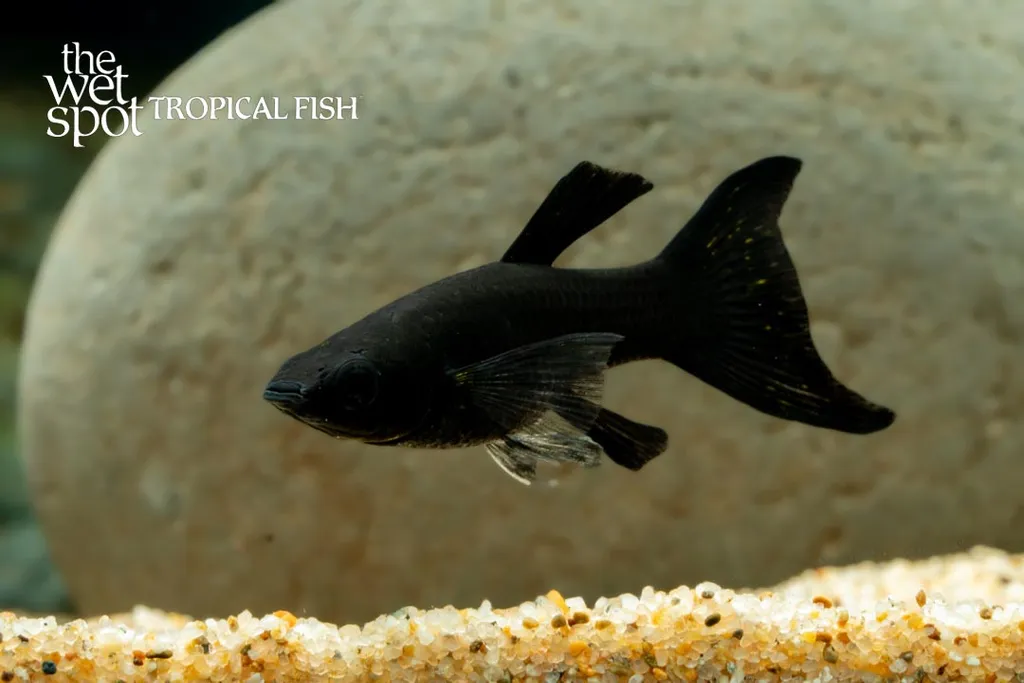
Black molly
Poecilia sphenops
FreshwaterBrackish4.7 in (12 cm) · 24 gal (90 L)70–82°F (21–28°C)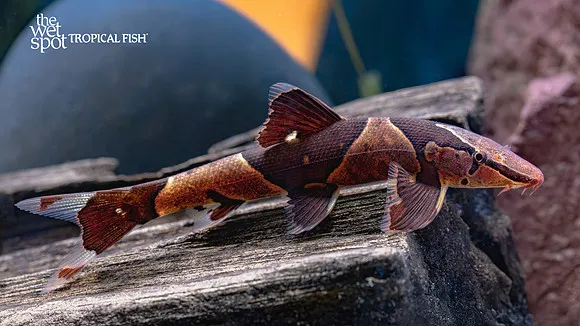
Mekong lizard loach
Homaloptera confuzona
Freshwater3.2 in (8.2 cm) · 24 gal (90 L)70–81°F (21–27°C)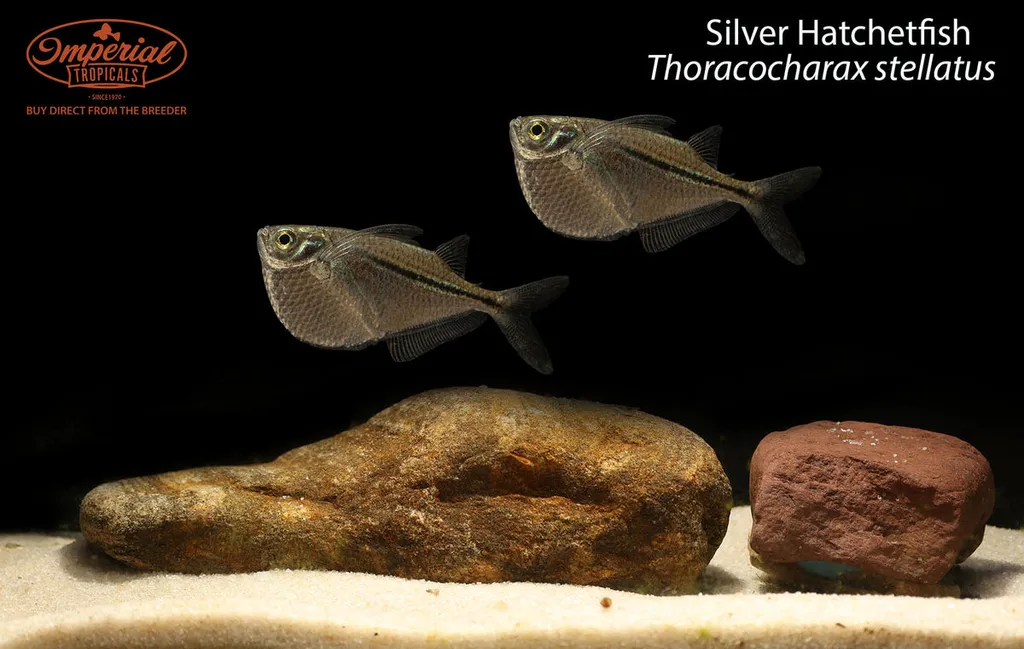
Spotfin hatchetfish
Thoracocharax stellatus
Freshwater3.5 in (9 cm) · 26 gal (100 L)73–82°F (23–28°C)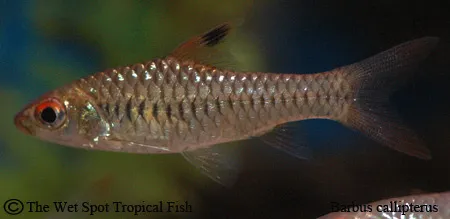
Clipper barb
Enteromius callipterus
Freshwater3.5 in (9 cm) · 24 gal (90 L)72–81°F (22–27°C)
Common questions
What size tank does a Cosmops tetra need?
A Cosmops tetra needs at least 24 gal (90 L). It spends most of its time in the middle.
What temperature and pH does a Cosmops tetra need?
A Cosmops tetra is comfortable at 73–82°F (23–28°C) with a pH of 5.5–7.0.
What does a Cosmops tetra eat?
A Cosmops tetra eats quality flake and micro pellets. Give it frozen or live foods like daphnia, bloodworm and brine shrimp as well.
How big does a Cosmops tetra get?
An adult Cosmops tetra reaches about 2.6 in (6.5 cm).
Does a Cosmops tetra need a group?
Yes. A Cosmops tetra is a schooling species and should be kept in a group, not singly.
How does a Cosmops tetra breed?
The Cosmops tetra is an egg scatterer. Home breeding has not been formally documented.
Related species
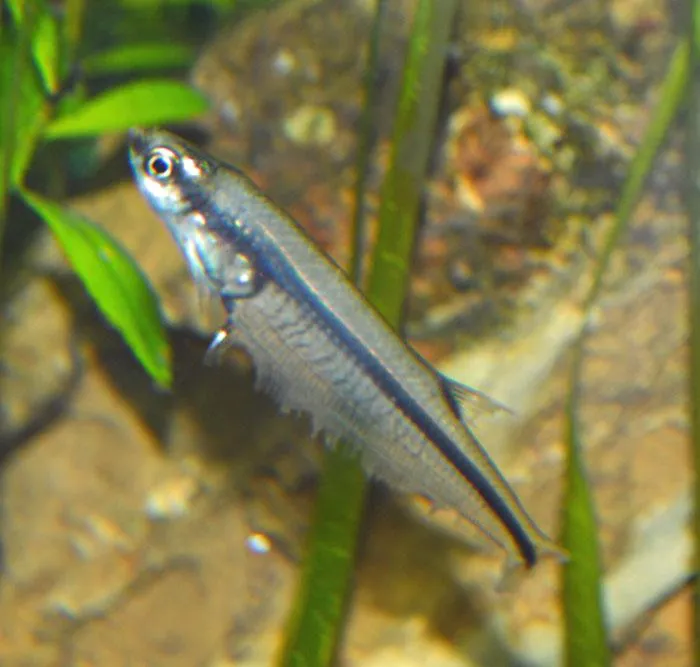 2.6 in (6.5 cm)21 gal (80 L)73–82°F (23–28°C)
Bond's glass tetra
Xenagoniates bondi
2.6 in (6.5 cm) · 21 gal (80 L)
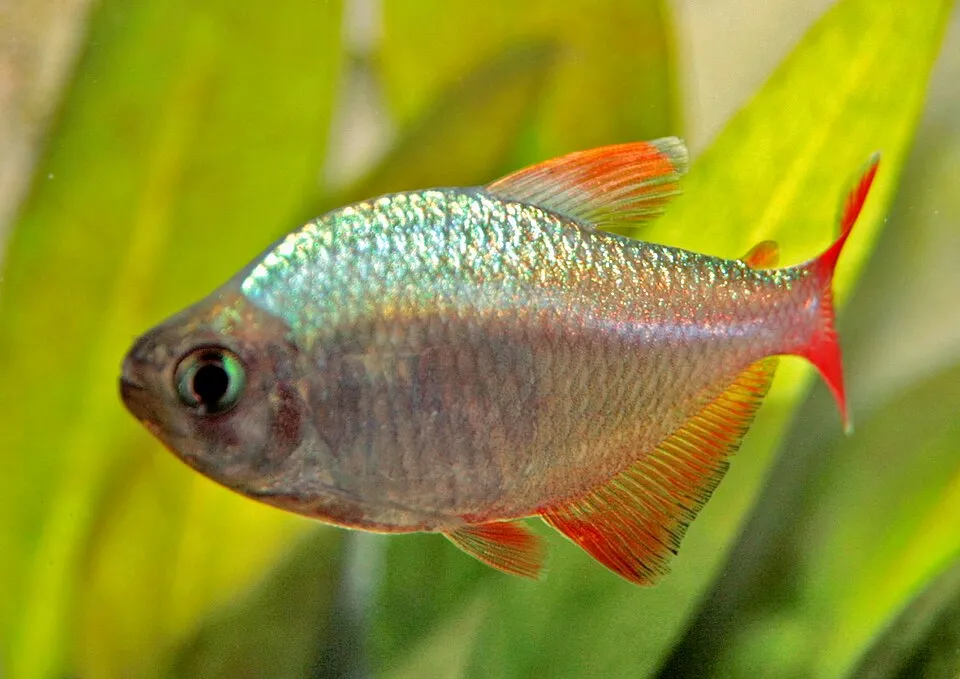 2.6 in (6.5 cm)20 gal (75 L)73–82°F (23–28°C)
Colombian tetra
Hyphessobrycon columbianus
2.6 in (6.5 cm) · 20 gal (75 L)
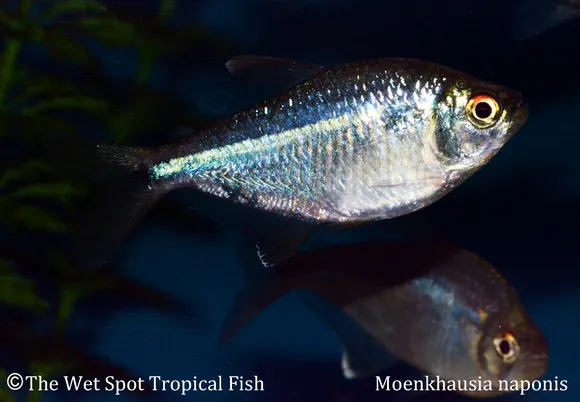 2.6 in (6.5 cm)20 gal (75 L)73–81°F (23–27°C)
Napo tetra
Moenkhausia naponis
2.6 in (6.5 cm) · 20 gal (75 L)
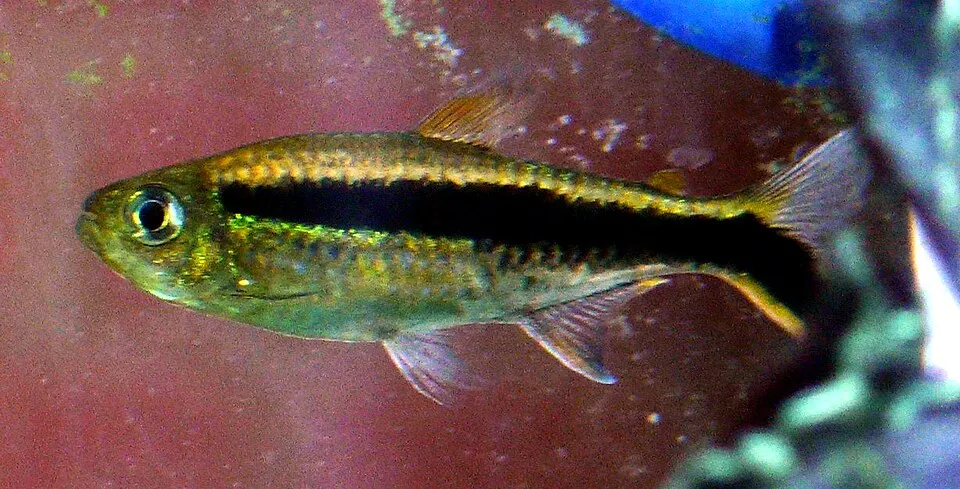 2.6 in (6.5 cm)20 gal (75 L)72–82°F (22–28°C)
Penguin tetra
Thayeria boehlkei
2.6 in (6.5 cm) · 20 gal (75 L)
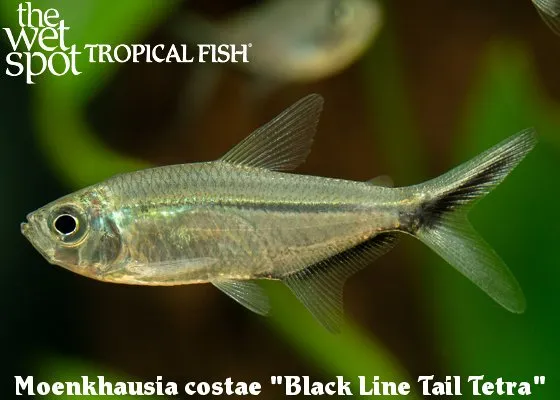 2.8 in (7 cm)29 gal (110 L)72–82°F (22–28°C)
Costae tetra
Moenkhausia costae
2.8 in (7 cm) · 29 gal (110 L)
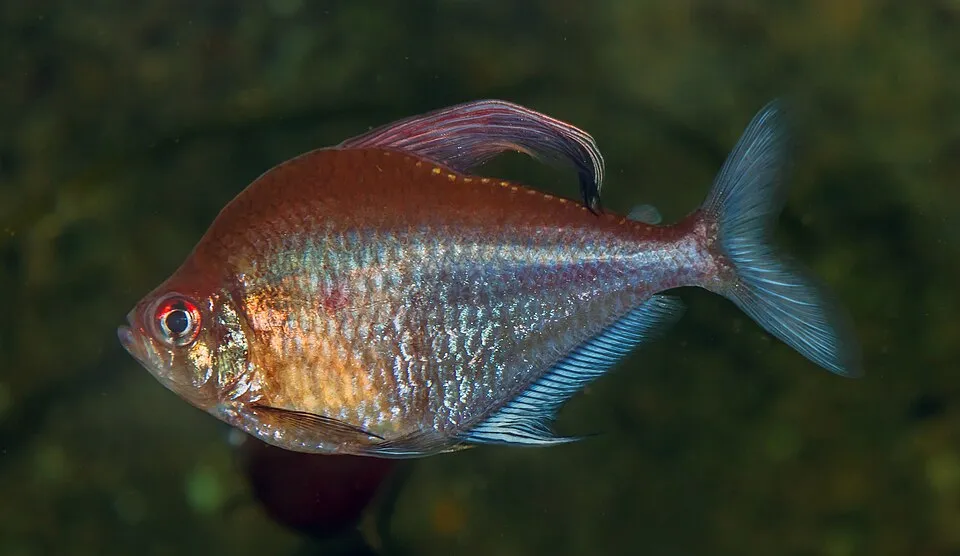 2.4 in (6 cm)20 gal (75 L)70–81°F (21–27°C)
Bleeding heart tetra
Hyphessobrycon erythrostigma
2.4 in (6 cm) · 20 gal (75 L)