Red-lipped darter tetra
Nannocharax rubrolabiatus
Also known as Nannocharax rubolabiatus, African darter tetra
FreshwaterFish
Care at a glance
- Temperature
- 73–82°F
- 23–28°C
- pH
- 6.0–7.5
- Adult size
- 2.4 in
- 6 cm
- Minimum tank
- 21 gal
- 80 L
- Temperament
- Peaceful
- Social behavior
- Social
- Swim level
- Bottom
- Difficulty
- Medium
- Breeding
- No record
- Rarity
- Rare
- Family
- Distichodontidae
- Origin
- Sanaga basin, Cameroon
Overview
The red-lipped darter tetra is a subtle, peaceful African darter, kept much like the other Nannocharax. Its care is a step past beginner level.
Did you know
The red-lipped darter tetra belongs to a genus of look-alike barred and blotched darters. It is identified by its lipstick, a pair of bright red lips on an otherwise modest fish.
Caring for the red-lipped darter tetra
Give red-lipped darter tetras a sand floor, smooth rounded stones, driftwood and a gentle to moderate current to move against. A tank of 21 gal (80 L) gives a small group room to work the floor.
Keep the water well oxygenated, at 73 to 82°F (23 to 28°C) with a pH of 6.0 to 7.5. Like its relatives, it dislikes fresh, unsettled water, so keep the tank mature and the maintenance steady.
It perches on its fins and hops over sand and stone. Feed sinking foods and small frozen fare such as bloodworm and brine shrimp, which it picks off the sand.
It is peaceful and sociable enough to keep as a small group of several, though it is also fine alone. Match it with calm, similarly sized tank mates rather than tiny or fragile fish. There is no record of it breeding in aquariums.
Good to know
Nannocharax rubrolabiatus is a small African darter in the family Distichodontidae. Its scientific name means red-lipped. It was described only in 1995.
In the wild
The red-lipped darter tetra is known only from the Sanaga River basin in Cameroon. It lives in clear, flowing, well oxygenated forest water.
Weekly picks
Tank mates
The red-lipped darter tetra is a peaceful, social species that keeps to the bottom. These picks share a community profile with it, are safe together in both directions, and overlap on water type, temperature and pH.
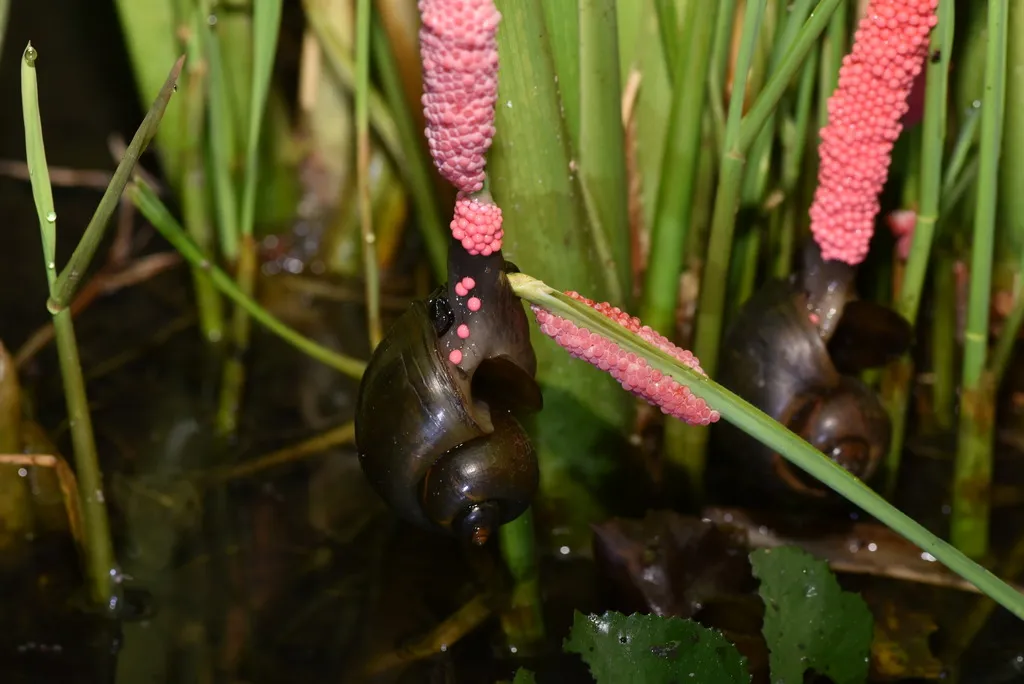
Apple snail
Pomacea canaliculata
Freshwater5.9 in (15 cm) · 21 gal (80 L)64–81°F (18–27°C)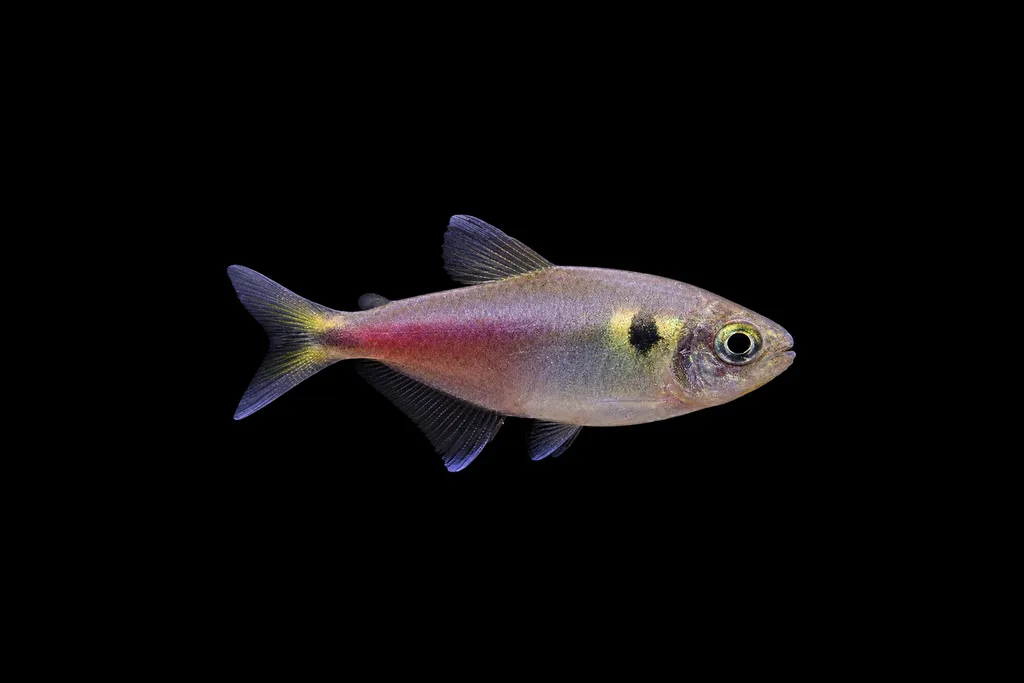
Pastel lily tetra
Psalidodon xavante
Freshwater2.4 in (6 cm) · 21 gal (80 L)72–81°F (22–27°C)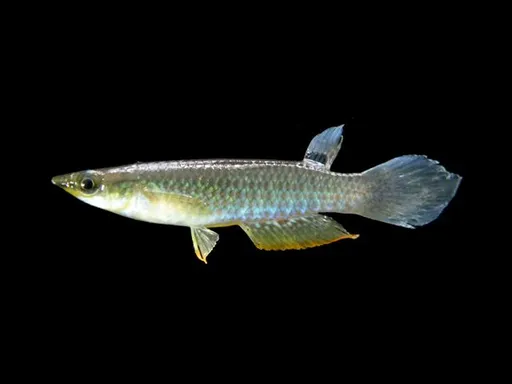
Blue panchax
Aplocheilus panchax
Freshwater3.5 in (9 cm) · 20 gal (75 L)72–82°F (22–28°C)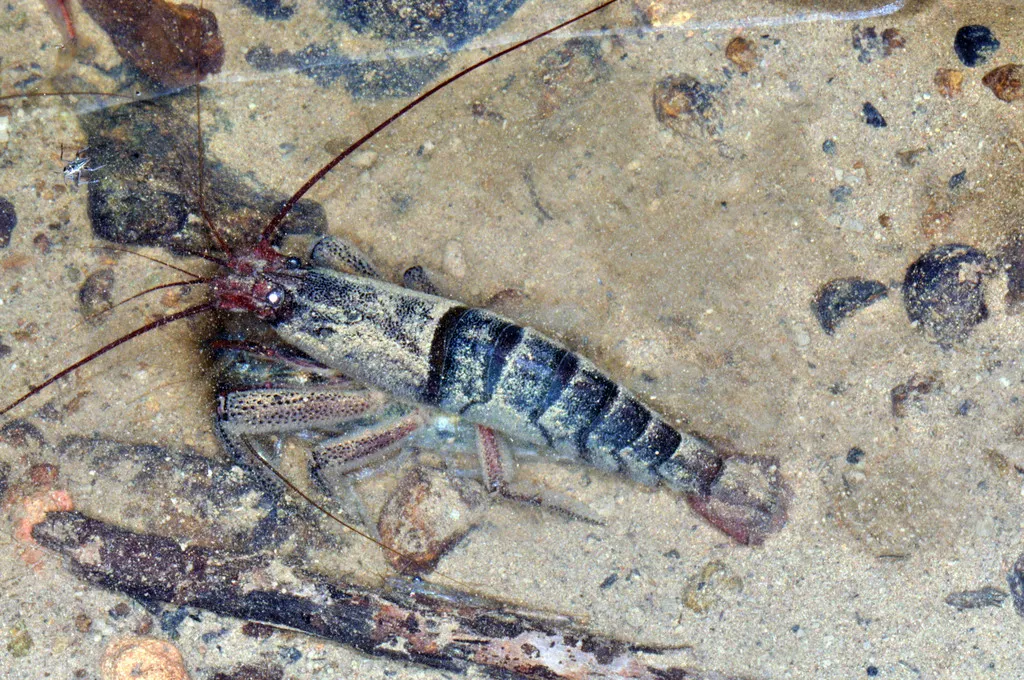
Marble wood shrimp
Atya scabra
Freshwater3.9 in (10 cm) · 20 gal (75 L)73–82°F (23–28°C)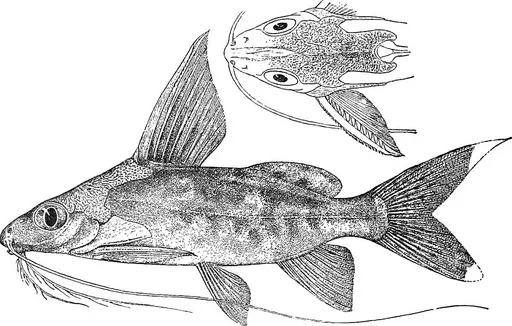
Bigeye squeaker
Synodontis alberti
Freshwater5.9 in (15 cm) · 21 gal (80 L)72–79°F (22–26°C)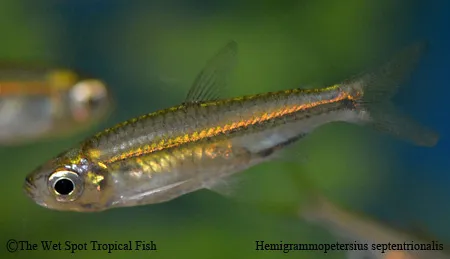
Nigerian yellow line tetra
Rhabdalestes septentrionalis
Freshwater2.8 in (7 cm) · 21 gal (80 L)73–82°F (23–28°C)
Common questions
What size tank does a red-lipped darter tetra need?
A red-lipped darter tetra needs at least 21 gal (80 L). It spends most of its time in the bottom.
What temperature and pH does a red-lipped darter tetra need?
A red-lipped darter tetra is comfortable at 73–82°F (23–28°C) with a pH of 6.0–7.5.
What does a red-lipped darter tetra eat?
A red-lipped darter tetra eats sinking foods and small frozen fare such as bloodworm and brine shrimp. It picks them off the sand.
How big does a red-lipped darter tetra get?
An adult red-lipped darter tetra reaches about 2.4 in (6 cm).
Related species
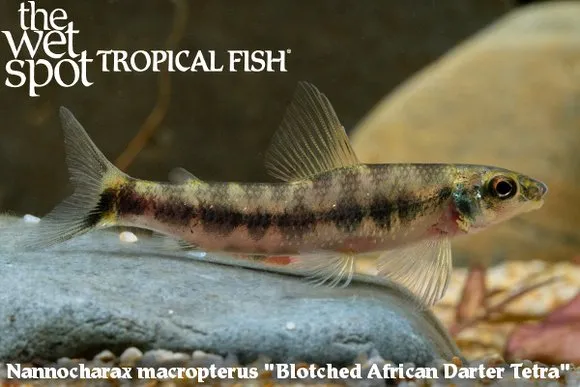 2.4 in (6 cm)21 gal (80 L)73–82°F (23–28°C)
Blotched darter tetra
Nannocharax macropterus
2.4 in (6 cm) · 21 gal (80 L)
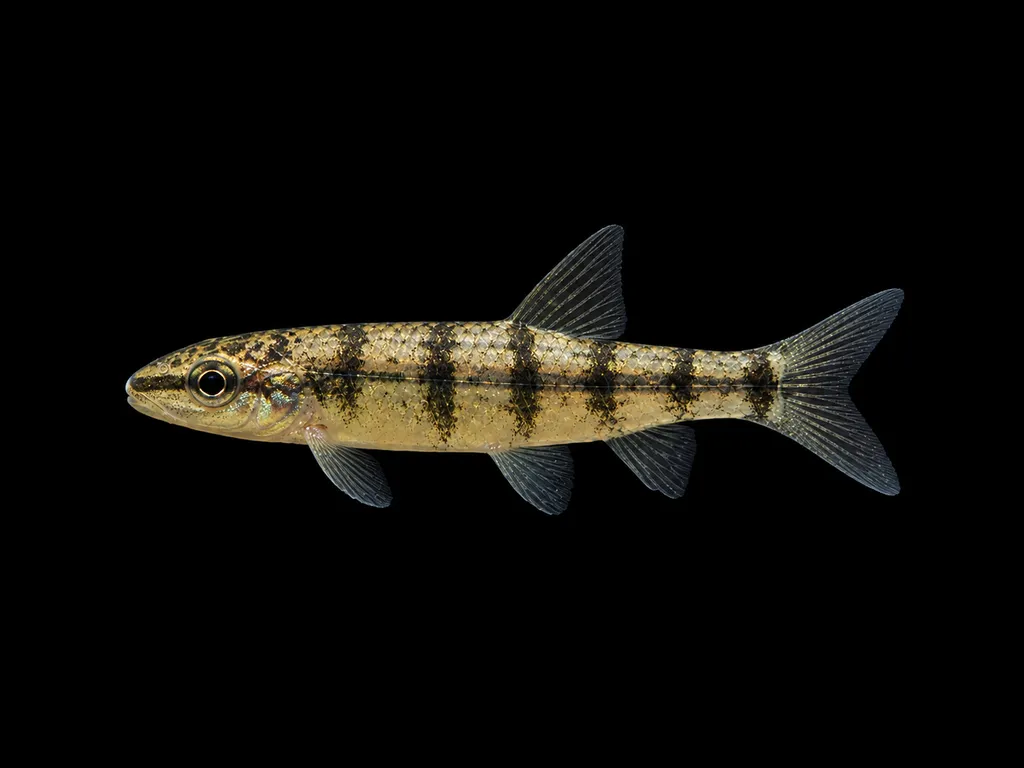 2.6 in (6.5 cm)21 gal (80 L)73–82°F (23–28°C)
Banded darter tetra
Nannocharax fasciatus
2.6 in (6.5 cm) · 21 gal (80 L)
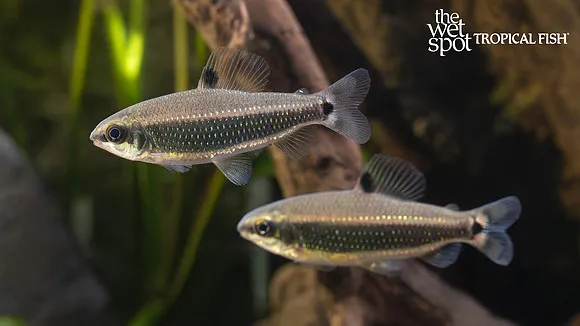 2.4 in (6 cm)20 gal (75 L)72–79°F (22–26°C)
Green dwarf distichodus
Distichodus teugelsi
2.4 in (6 cm) · 20 gal (75 L)
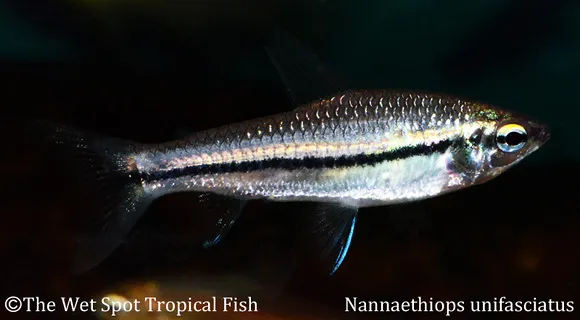 2.6 in (6.5 cm)16 gal (60 L)72–79°F (22–26°C)
African oneline tetra
Nannaethiops unitaeniatus
2.6 in (6.5 cm) · 16 gal (60 L)
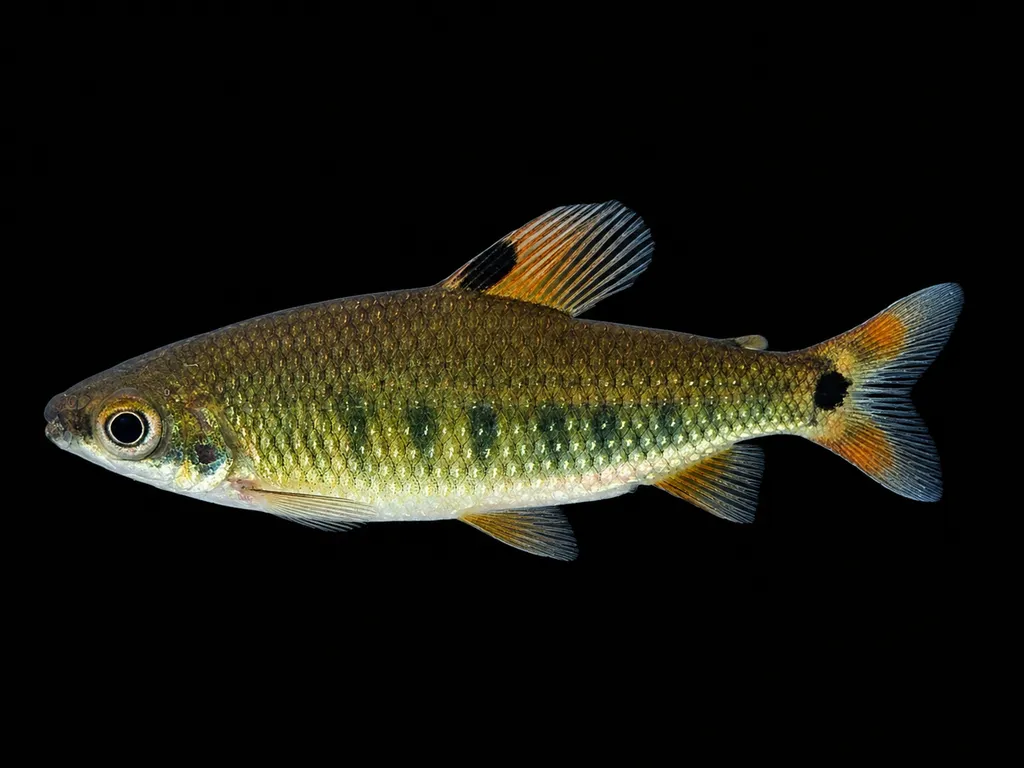 3 in (7.5 cm)30 gal (112 L)73–81°F (23–27°C)
Dwarf distichodus
Distichodus decemmaculatus
3 in (7.5 cm) · 30 gal (112 L)
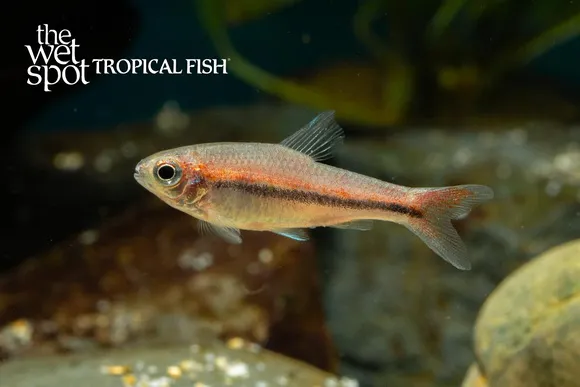 1.8 in (4.5 cm)14 gal (54 L)73–81°F (23–27°C)
Trewavas's neolebias
Neolebias trewavasae
1.8 in (4.5 cm) · 14 gal (54 L)