Trewavas's neolebias
Neolebias trewavasae
Also known as Trewavasae neolebias
FreshwaterFish
Care at a glance
- Temperature
- 73–81°F
- 23–27°C
- pH
- 5.5–6.8
- Adult size
- 1.8 in
- 4.5 cm
- Minimum tank
- 14 gal
- 54 L
- Temperament
- Peaceful
- Social behavior
- Schooling
- Swim level
- Middle
- Difficulty
- Medium
- Breeding
- No record
- Rarity
- Rare
- Family
- Distichodontidae
- Origin
- Lower Congo and coastal basins
Overview
Trewavas's neolebias is a small, peaceful schooling fish for a soft, planted tank. It suits a patient keeper with some experience.
Did you know
Trewavas's neolebias honors Ethelwynn Trewavas, a British ichthyologist whose long career ran through much of the twentieth century. Cichlids and other fishes are named after her too, and she is one of the field's most-honored scientists.
Caring for the Trewavas's neolebias
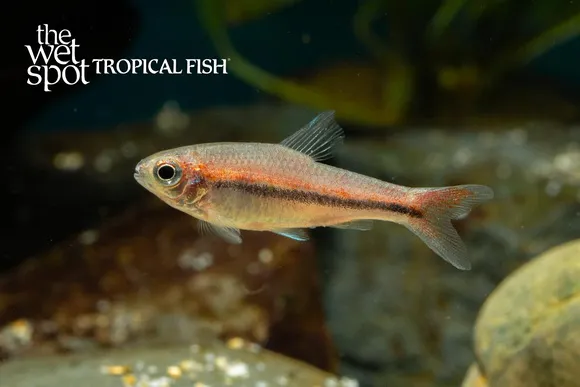
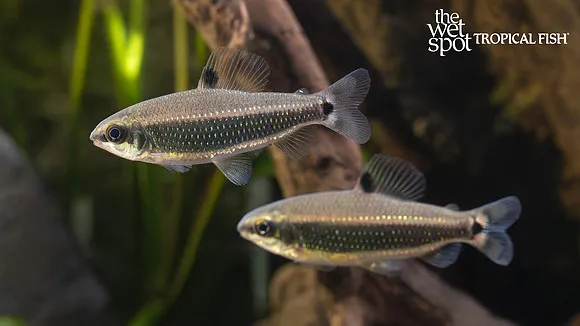
Keep Trewavas's neolebias in a school of eight or more, in a planted tank of 14 gal (54 L) or larger. Give it dense planting, driftwood and leaf litter under subdued light. Dark decor, including a dark substrate and background, brings out the red in the males.
Keep the water soft and acidic, at 73 to 81°F (23 to 27°C) and a pH of 5.5 to 6.8. Stable, mature water and a calm setting let the males develop their best color. Feed fine foods such as microworm, frozen cyclops, brine shrimp and finely crushed flake to keep that color up.
It is peaceful and belongs with small, gentle companions rather than anything large or fast. It is an olive-bodied fish, and the males flush deep red in breeding condition. Its breeding is not reliably recorded in home aquariums.
Good to know
Neolebias trewavasae is a dwarf member of the African family Distichodontidae. It is the showiest of its genus in the hobby.
In the wild
Trewavas's neolebias comes from the lower Congo and coastal basins. It lives in soft, tannin-stained forest waters, quiet and shaded.
Weekly picks
Tank mates
The Trewavas's neolebias is a peaceful, schooling species that keeps to the middle. These picks share a community profile with it, are safe together in both directions, and overlap on water type, temperature and pH.
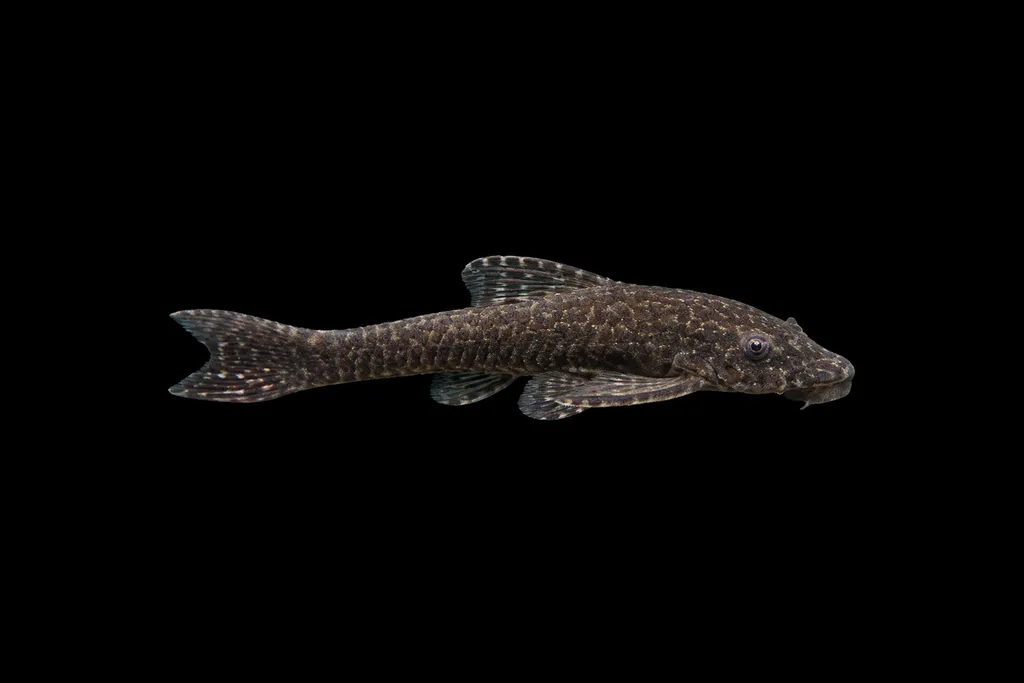
Black otocinclus
Hisonotus notatus
Freshwater2 in (5 cm) · 14 gal (54 L)72–81°F (22–27°C)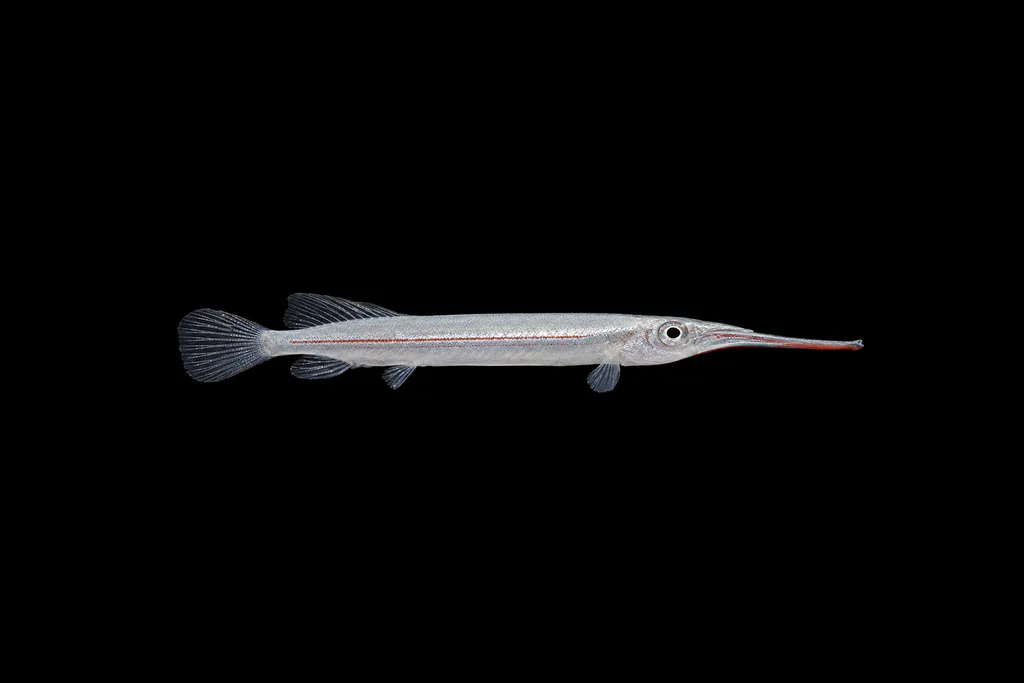
Fire halfbeak
Hemirhamphodon kapuasensis
Freshwater2.4 in (6 cm) · 14 gal (54 L)73–81°F (23–27°C)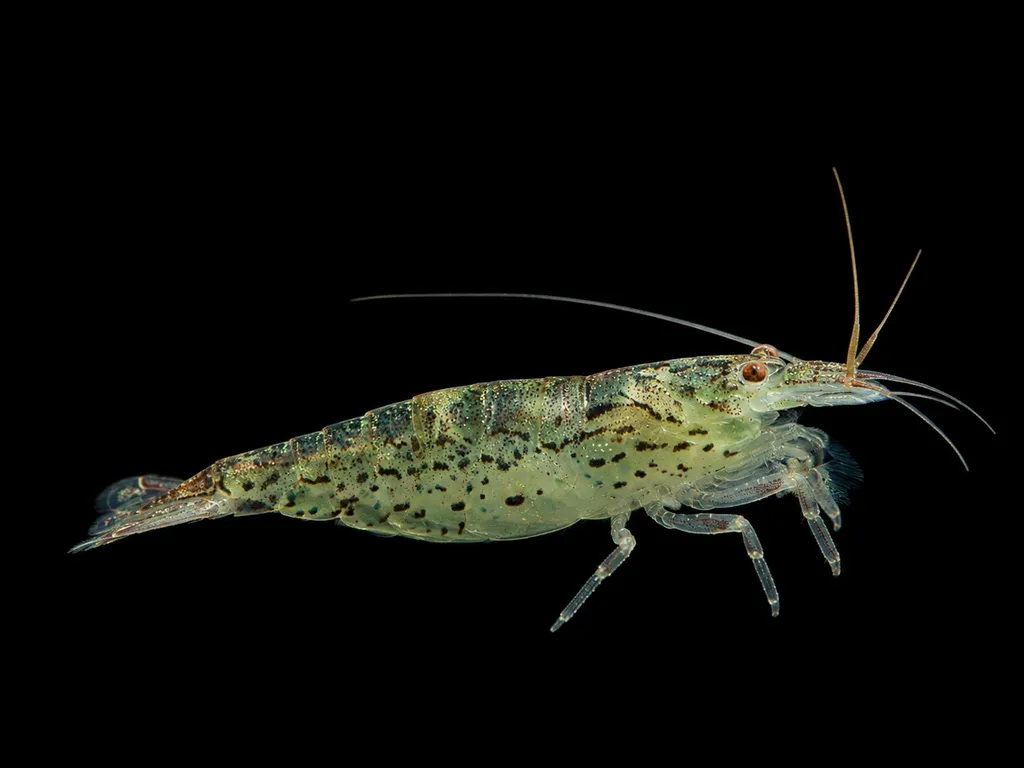
Green lace shrimp
Atyoida pilipes
Freshwater2.8 in (7 cm) · 14 gal (54 L)73–82°F (23–28°C)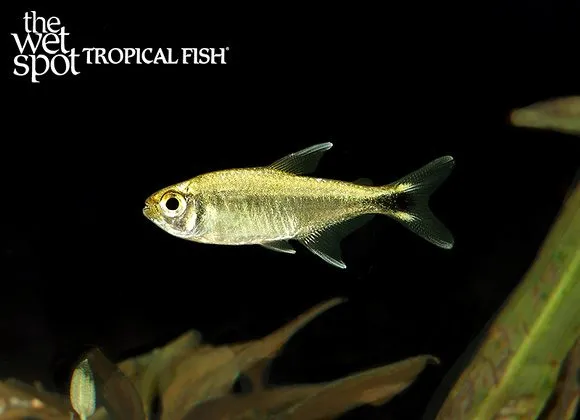
Colombian gold tetra
Hyphessobrycon saizi
Freshwater1.4 in (3.5 cm) · 14 gal (54 L)73–82°F (23–28°C)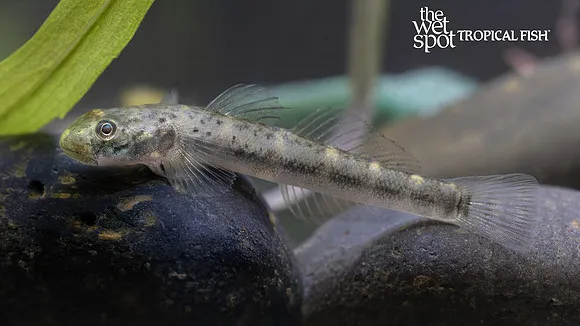
African algae-eating goby
Parasicydium bandama
Freshwater2.2 in (5.5 cm) · 14 gal (54 L)73–81°F (23–27°C)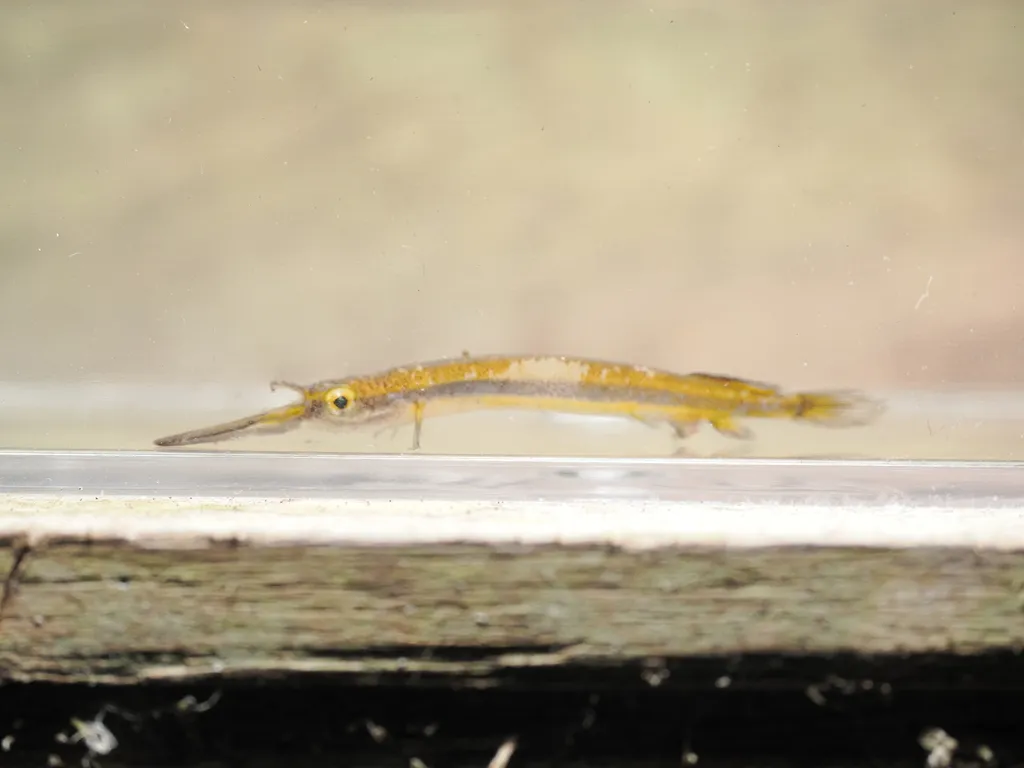
Gold-spotted halfbeak
Hemirhamphodon chrysopunctatus
Freshwater2.6 in (6.5 cm) · 14 gal (54 L)73–81°F (23–27°C)
Common questions
What size tank does a Trewavas's neolebias need?
A Trewavas's neolebias needs at least 14 gal (54 L). It spends most of its time in the middle.
What temperature and pH does a Trewavas's neolebias need?
A Trewavas's neolebias is comfortable at 73–81°F (23–27°C) with a pH of 5.5–6.8.
What does a Trewavas's neolebias eat?
Trewavas's neolebias eats fine foods such as microworm, frozen cyclops, brine shrimp and finely crushed flake. These foods help keep its color up.
How big does a Trewavas's neolebias get?
An adult Trewavas's neolebias reaches about 1.8 in (4.5 cm).
Does a Trewavas's neolebias need a group?
Yes. A Trewavas's neolebias is a schooling species and should be kept in a group, not singly.
How can you tell a male Trewavas's neolebias from a female?
Males flush deep red when they come into breeding condition. Otherwise this is an olive-bodied fish.
Related species
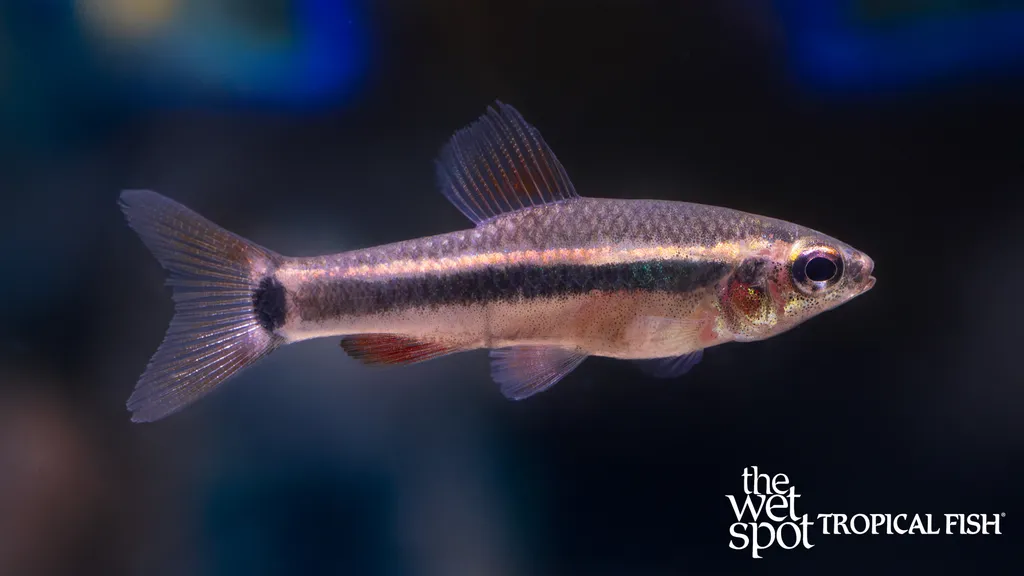 1.4 in (3.5 cm)11 gal (40 L)75–82°F (24–28°C)
Ansorge's neolebias
Neolebias ansorgii
1.4 in (3.5 cm) · 11 gal (40 L)
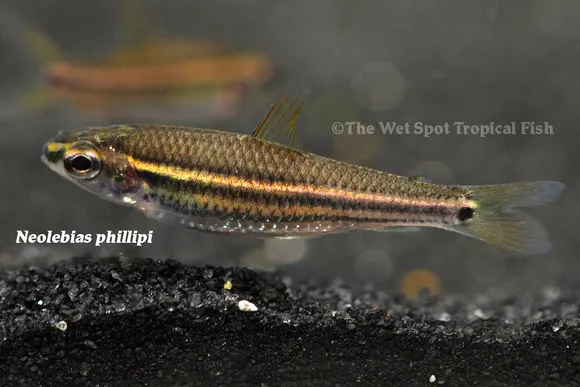 1.4 in (3.5 cm)11 gal (40 L)73–81°F (23–27°C)
Philippe's neolebias
Neolebias philippei
1.4 in (3.5 cm) · 11 gal (40 L)
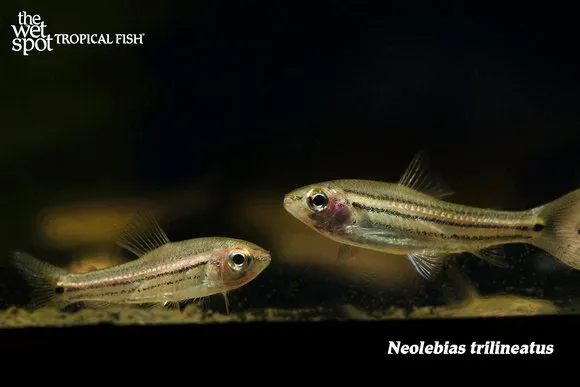 1.3 in (3.3 cm)14 gal (54 L)73–81°F (23–27°C)
Threeline neolebias
Neolebias trilineatus
1.3 in (3.3 cm) · 14 gal (54 L)
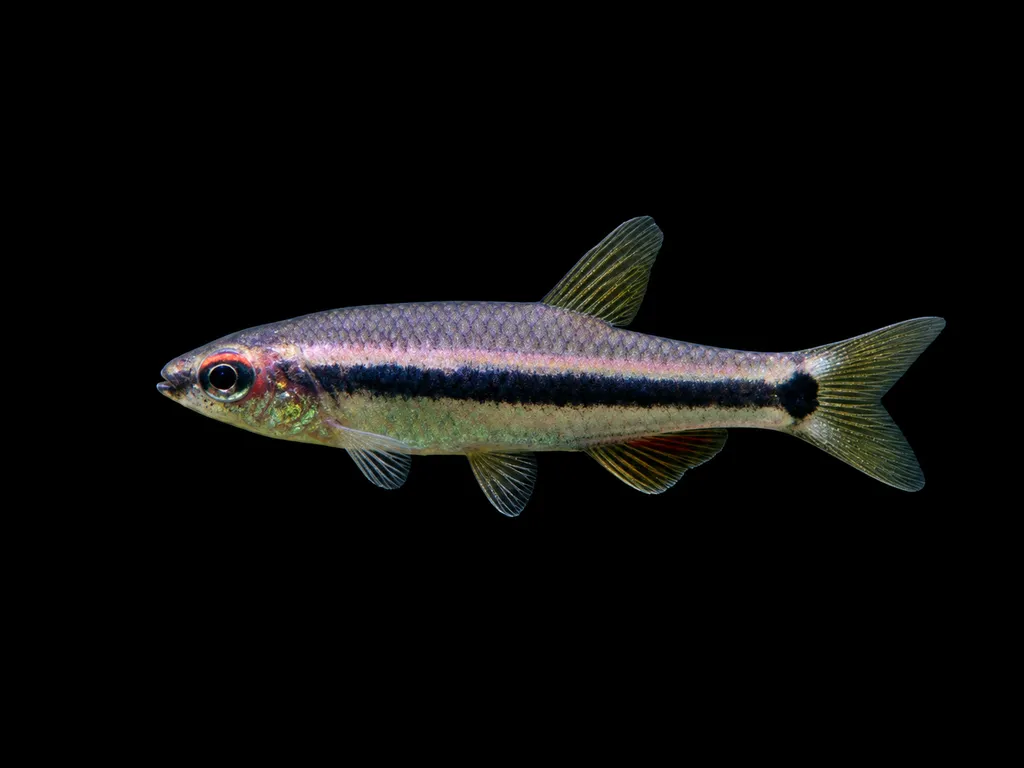 0.9 in (2.2 cm)11 gal (40 L)73–81°F (23–27°C)
Axelrod's neolebias
Neolebias axelrodi
0.9 in (2.2 cm) · 11 gal (40 L)
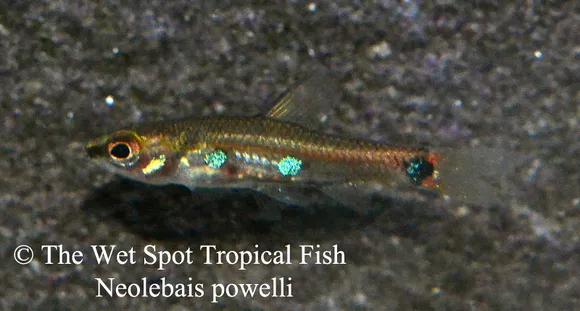 0.8 in (2 cm)11 gal (40 L)73–81°F (23–27°C)
Powell's neolebias
Neolebias powelli
0.8 in (2 cm) · 11 gal (40 L)
 2.4 in (6 cm)20 gal (75 L)72–79°F (22–26°C)
Green dwarf distichodus
Distichodus teugelsi
2.4 in (6 cm) · 20 gal (75 L)