Powell's neolebias
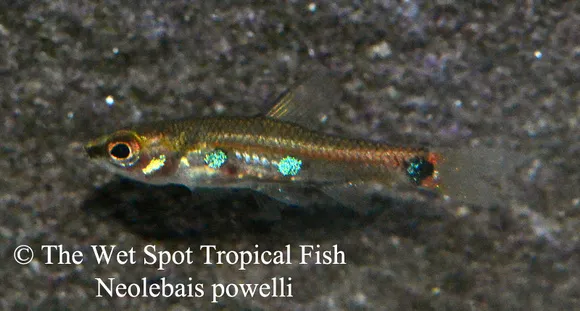
Neolebias powelli
Also known as Powelli neolebias, Domino neolebias
FreshwaterFish
Care at a glance
- Temperature
- 73–81°F
- 23–27°C
- pH
- 5.0–6.5
- Adult size
- 0.8 in
- 2 cm
- Minimum tank
- 11 gal
- 40 L
- Temperament
- Peaceful
- Social behavior
- Schooling
- Swim level
- Middle
- Diet
- Carnivore
- Difficulty
- Difficult
- Breeding
- No record
- Rarity
- Rare
- Family
- Distichodontidae
- Origin
- Niger Delta blackwaters, Nigeria
Overview
Powell's neolebias is a tiny, peaceful blackwater specialist for a small, dim tank. Its size and its demands on water quality make it a fish for experienced keepers.
Did you know
Powell's neolebias is one of the tiniest characins on earth, a creature the size of a fingernail. It comes from one of Africa's least-seen fish communities.
Caring for the Powell's neolebias
School Powell's neolebias in a group of ten or more. A stable, mature, well-planted tank of 11 gal (40 L) suits a school. Keep the tank dim, with dense planting and heavy tannins from leaves and wood.
Give it soft, acidic, spotless water at 73 to 81°F (23 to 27°C) and a pH of 5.0 to 6.5. Pristine, stable conditions matter enormously to a fish this small and delicate.
It needs the finest of foods to survive. Feed microscopic live and frozen foods, such as microworm, baby brine shrimp and cyclops.
Treat it gently, and keep the school on its own or with other tiny, soft-water species such as Barboides. Breeding it in aquariums is not established.
Good to know
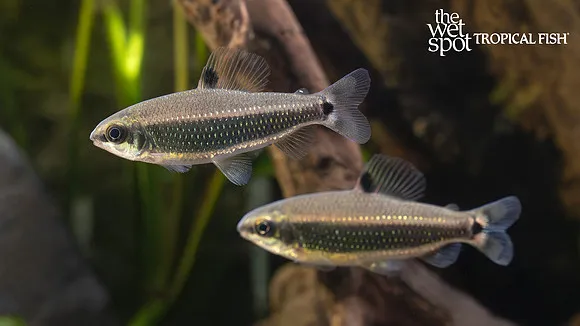
Neolebias powelli is a member of the African family Distichodontidae. Its pale, translucent body carries dark blotches, which earned it the trade name domino tetra.
In the wild
Powell's neolebias is known only from the Niger Delta in Nigeria. It lives in blackwater creeks of soft, acidic, tea-dark water under thick forest.
Weekly picks
Tank mates
The Powell's neolebias is a peaceful, schooling species that keeps to the middle. These picks share a community profile with it, are safe together in both directions, and overlap on water type, temperature and pH.
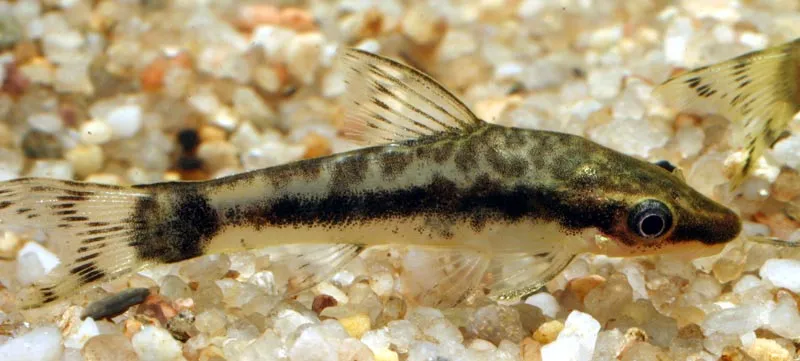
Golden dwarf sucker
Otocinclus macrospilus
Freshwater1.4 in (3.5 cm) · 11 gal (40 L)70–79°F (21–26°C)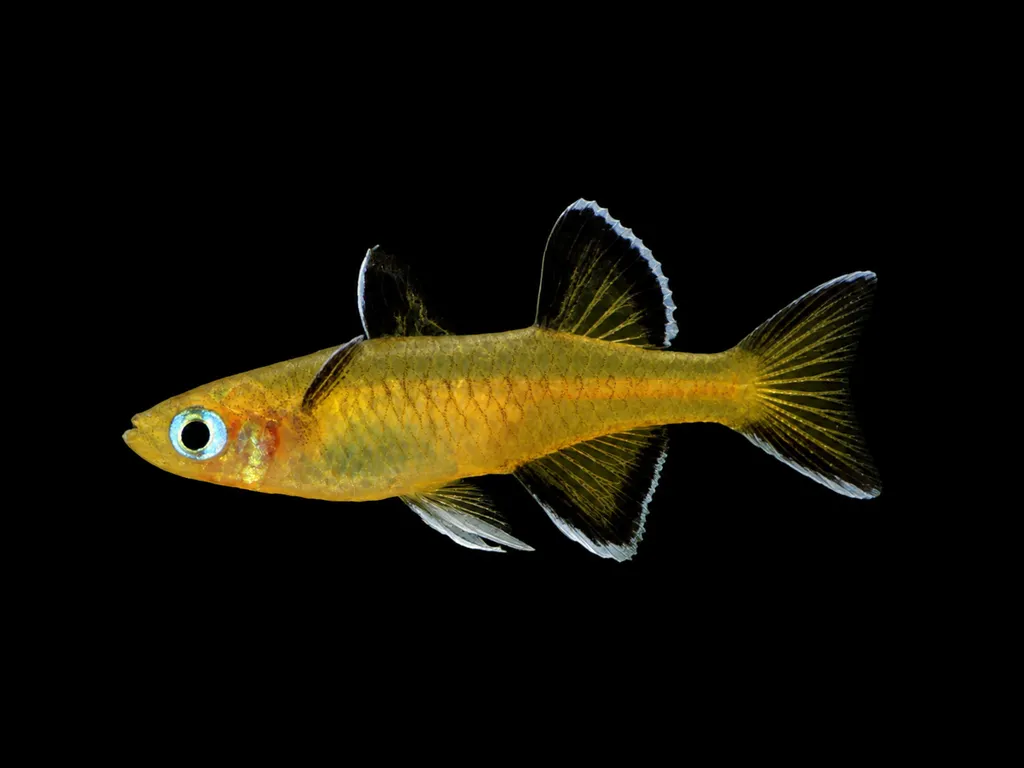
Honey blue-eye
Pseudomugil mellis
Freshwater1.4 in (3.5 cm) · 11 gal (40 L)68–82°F (20–28°C)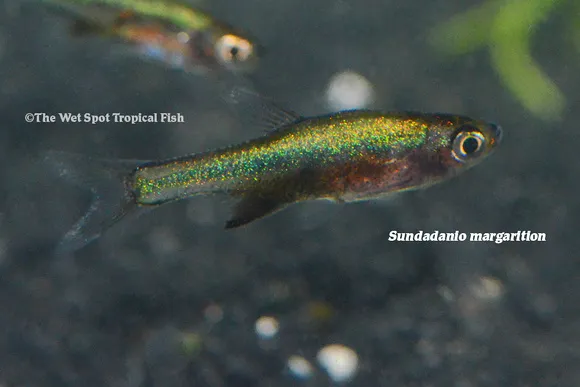
Pearl sundadanio
Sundadanio margarition
Freshwater0.9 in (2.4 cm) · 11 gal (40 L)73–81°F (23–27°C)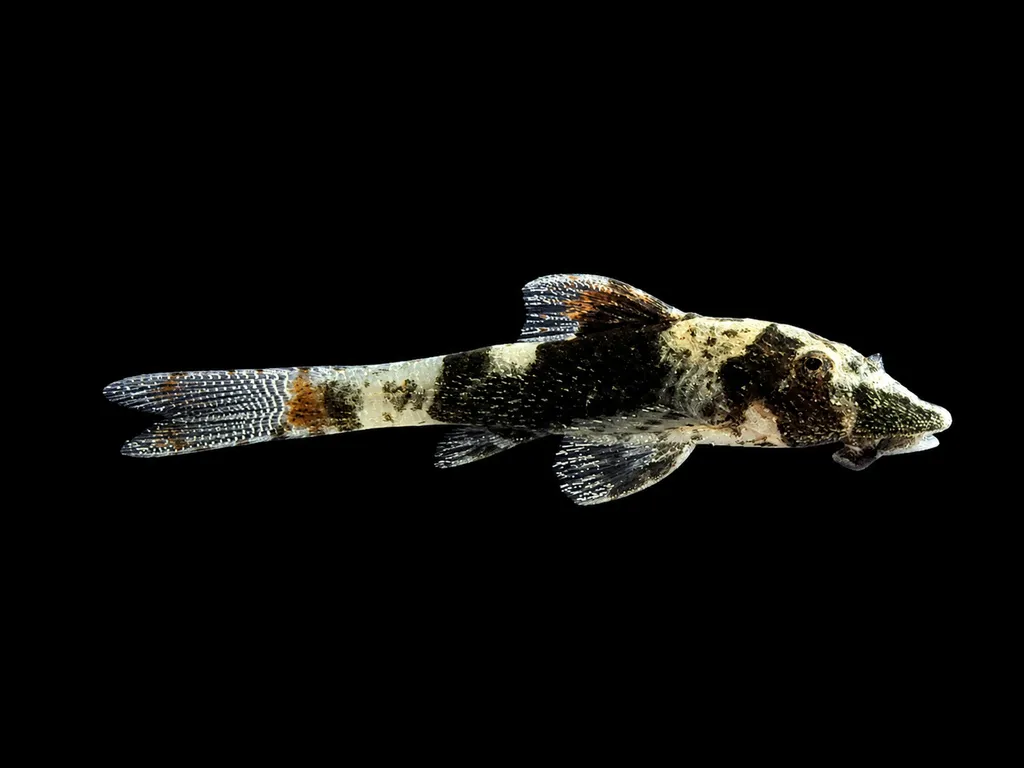
Bumblebee otocinclus
Rhinotocinclus isabelae
Freshwater0.8 in (2 cm) · 11 gal (40 L)73–82°F (23–28°C)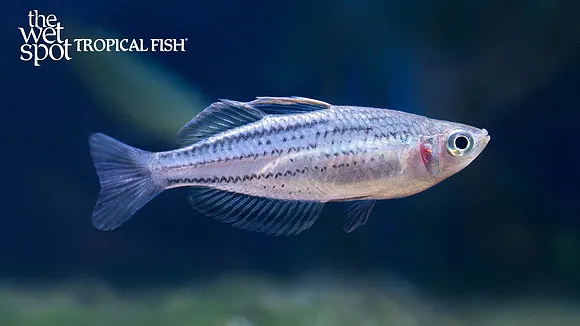
Green panchax
Aplocheilus blockii
Freshwater2 in (5 cm) · 11 gal (40 L)72–82°F (22–28°C)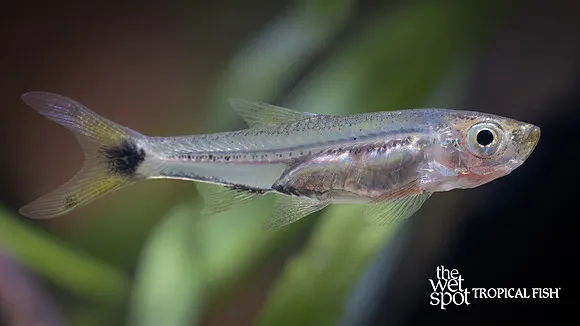
Dwarf scissortail rasbora
Rasbosoma spilocerca
Freshwater1.3 in (3.2 cm) · 11 gal (40 L)72–81°F (22–27°C)
Common questions
What size tank does a Powell's neolebias need?
A Powell's neolebias needs at least 11 gal (40 L). It spends most of its time in the middle.
What temperature and pH does a Powell's neolebias need?
A Powell's neolebias is comfortable at 73–81°F (23–27°C) with a pH of 5.0–6.5.
What does a Powell's neolebias eat?
Powell's neolebias needs the finest of foods. Feed it microscopic live and frozen foods such as microworm, baby brine shrimp and cyclops.
How big does a Powell's neolebias get?
An adult Powell's neolebias reaches about 0.8 in (2 cm).
Does a Powell's neolebias need a group?
Yes. A Powell's neolebias is a schooling species and should be kept in a group, not singly.
Related species
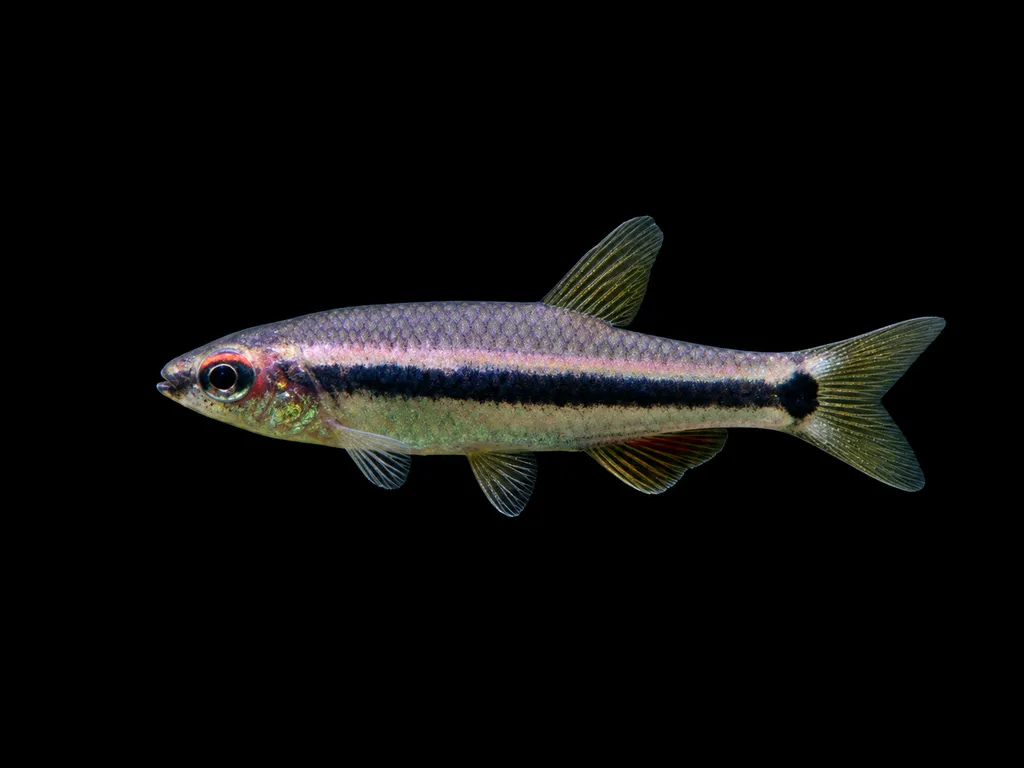 0.9 in (2.2 cm)11 gal (40 L)73–81°F (23–27°C)
Axelrod's neolebias
Neolebias axelrodi
0.9 in (2.2 cm) · 11 gal (40 L)
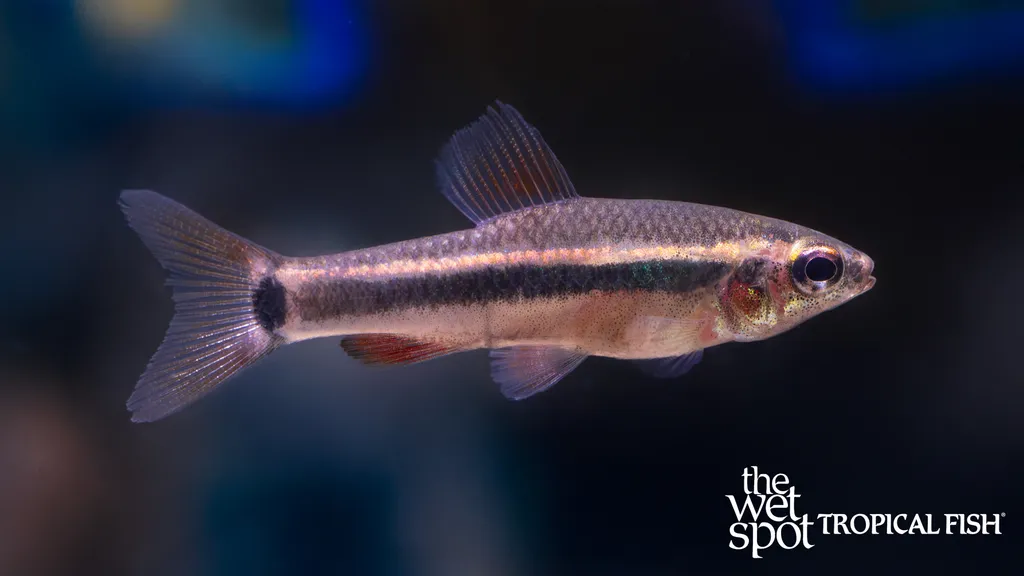
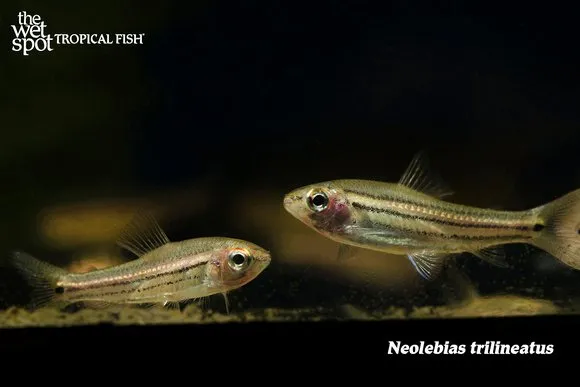 1.3 in (3.3 cm)14 gal (54 L)73–81°F (23–27°C)
Threeline neolebias
Neolebias trilineatus
1.3 in (3.3 cm) · 14 gal (54 L)
 1.4 in (3.5 cm)11 gal (40 L)75–82°F (24–28°C)
Ansorge's neolebias
Neolebias ansorgii
1.4 in (3.5 cm) · 11 gal (40 L)
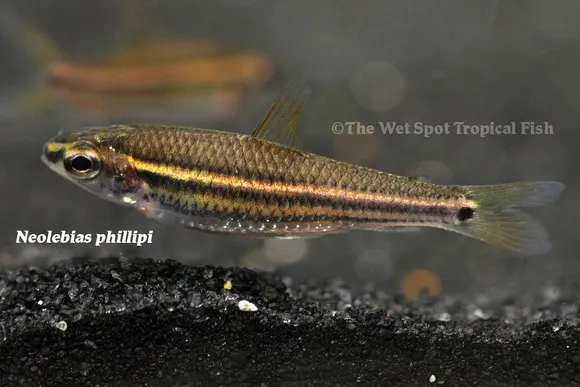 1.4 in (3.5 cm)11 gal (40 L)73–81°F (23–27°C)
Philippe's neolebias
Neolebias philippei
1.4 in (3.5 cm) · 11 gal (40 L)
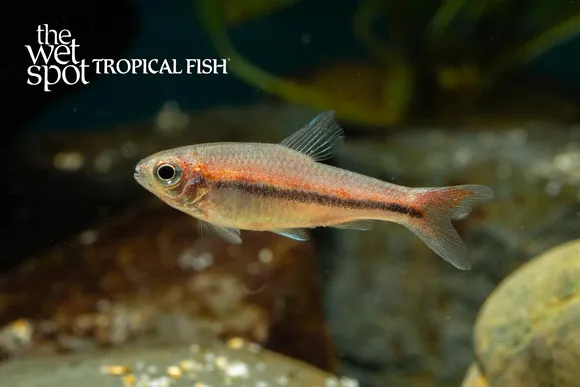 1.8 in (4.5 cm)14 gal (54 L)73–81°F (23–27°C)
Trewavas's neolebias
Neolebias trewavasae
1.8 in (4.5 cm) · 14 gal (54 L)
 2.4 in (6 cm)20 gal (75 L)72–79°F (22–26°C)
Green dwarf distichodus
Distichodus teugelsi
2.4 in (6 cm) · 20 gal (75 L)