Philippe's neolebias
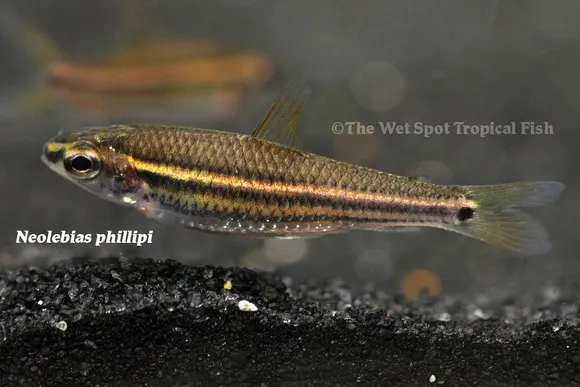
Neolebias philippei
Also known as Philippei neolebias, Phillip's neolebias
FreshwaterFish
Care at a glance
- Temperature
- 73–81°F
- 23–27°C
- pH
- 5.5–6.8
- Adult size
- 1.4 in
- 3.5 cm
- Minimum tank
- 11 gal
- 40 L
- Temperament
- Peaceful
- Social behavior
- Schooling
- Swim level
- Middle
- Difficulty
- Medium
- Breeding
- No record
- Rarity
- Rare
- Family
- Distichodontidae
- Origin
- Congo basin
Overview
Philippe's neolebias is a small, peaceful schooling fish for a soft, dim, planted tank. It is a fish for a keeper with some experience.
Did you know
Philippe's neolebias and its relatives are Africa's quiet answer to the tiny leaf-litter fishes of Southeast Asia. These dwarf characins school in soft, shaded forest water and live on the smallest of foods. They fill much the same role as the Boraras of Asian streams.
Caring for the Philippe's neolebias
Keep Philippe's neolebias in a group of eight or more, which helps them look and behave their best. A planted tank of 11 gal (40 L) suits a small school, though a longer tank lets the group spread out and settle.
Give them dense planting and shade, a dark substrate, driftwood and leaf litter under low light, with gentle filtration. Keep the water soft and acidic, at 73 to 81°F (23 to 27°C) and a pH of 5.5 to 6.8. A mature, stable tank rich in tiny live food brings out their best color and confidence.
They forage quietly for tiny foods. Feed fine foods such as microworm, crushed flake, frozen cyclops and baby brine shrimp.
They are peaceful and belong with equally small, gentle companions rather than anything boisterous. Aquarium breeding of Philippe's neolebias is not on record, as with most of its small relatives.
Good to know
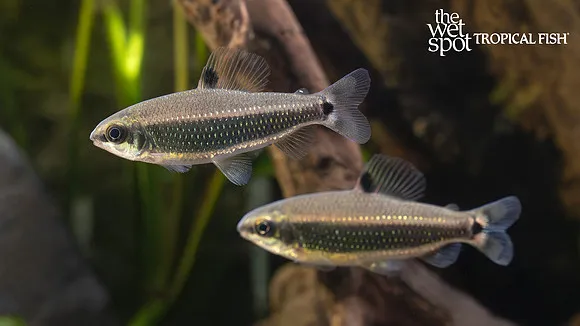
Neolebias philippei is a dwarf member of the African family Distichodontidae. It is an elongate, laterally compressed little fish with a silvery olive sheen and a dark marking along the side. It was described in 1963 from rivers of the Congo basin.
In the wild
Philippe's neolebias comes from quiet forest waters in the Congo basin. The water there is soft and shaded, and often stained with tannins.
Weekly picks
Tank mates
The Philippe's neolebias is a peaceful, schooling species that keeps to the middle. These picks share a community profile with it, are safe together in both directions, and overlap on water type, temperature and pH.
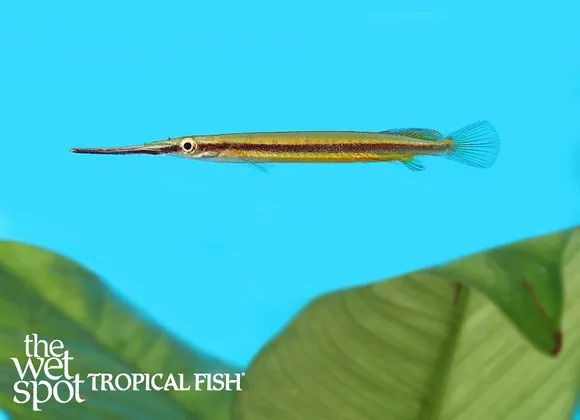
Borneo gold spot halfbeak
Hemirhamphodon tengah
Freshwater1.8 in (4.5 cm) · 11 gal (40 L)73–81°F (23–27°C)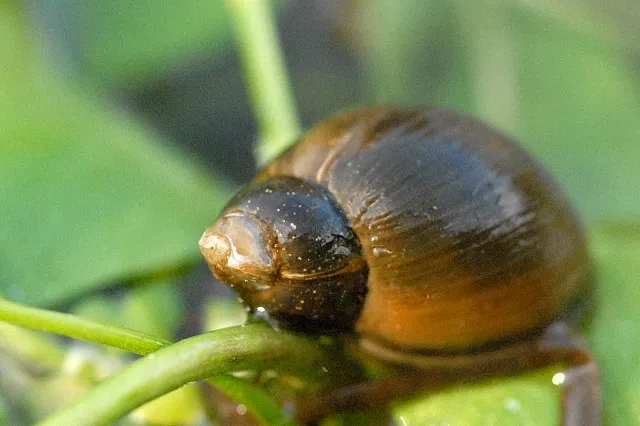
Wandering snail
Ampullaceana balthica
Freshwater0.8 in (2 cm) · 11 gal (40 L)50–84°F (10–29°C)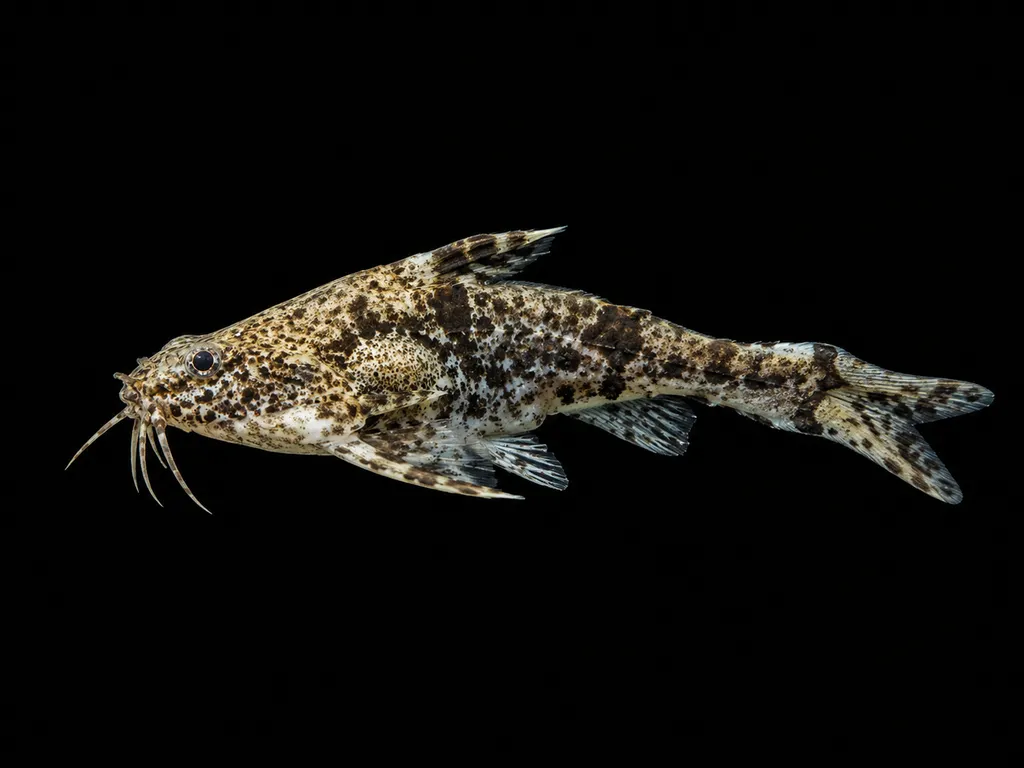
Dwarf thorny catfish
Physopyxis lyra
Freshwater1.4 in (3.5 cm) · 11 gal (40 L)73–82°F (23–28°C)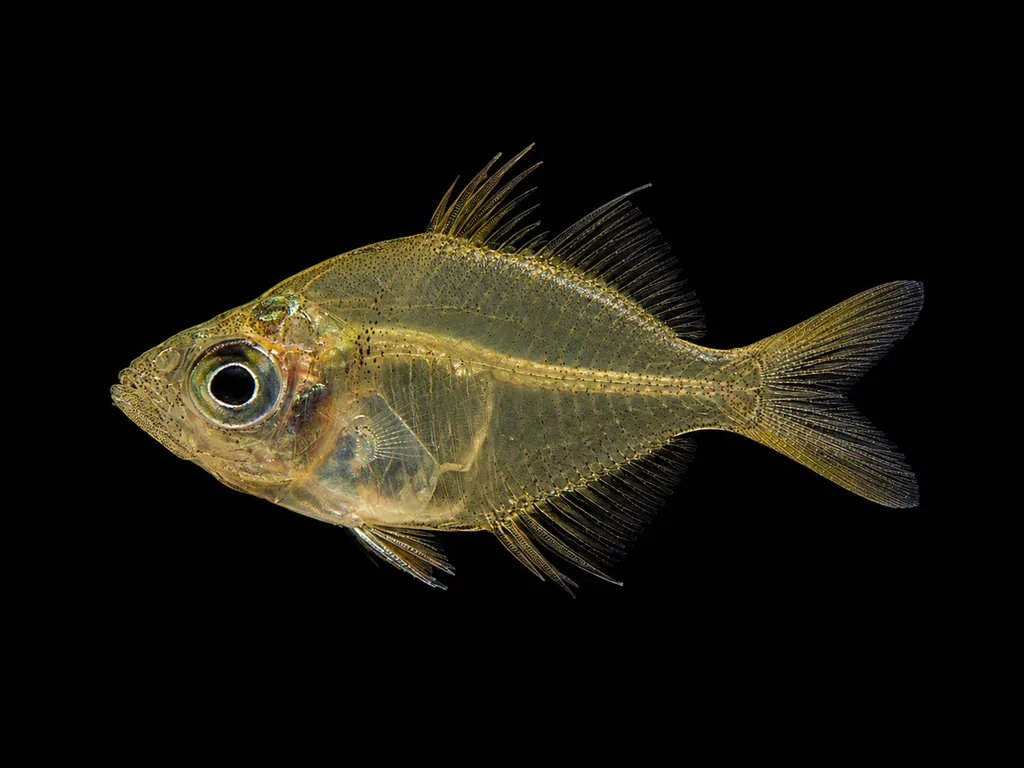
Indian amber glassfish
Parambassis lala
Freshwater1.2 in (3 cm) · 11 gal (40 L)72–82°F (22–28°C)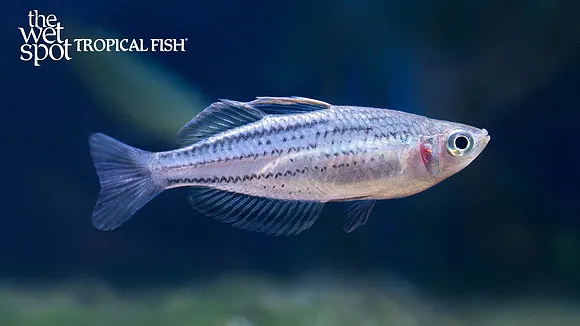
Green panchax
Aplocheilus blockii
Freshwater2 in (5 cm) · 11 gal (40 L)72–82°F (22–28°C)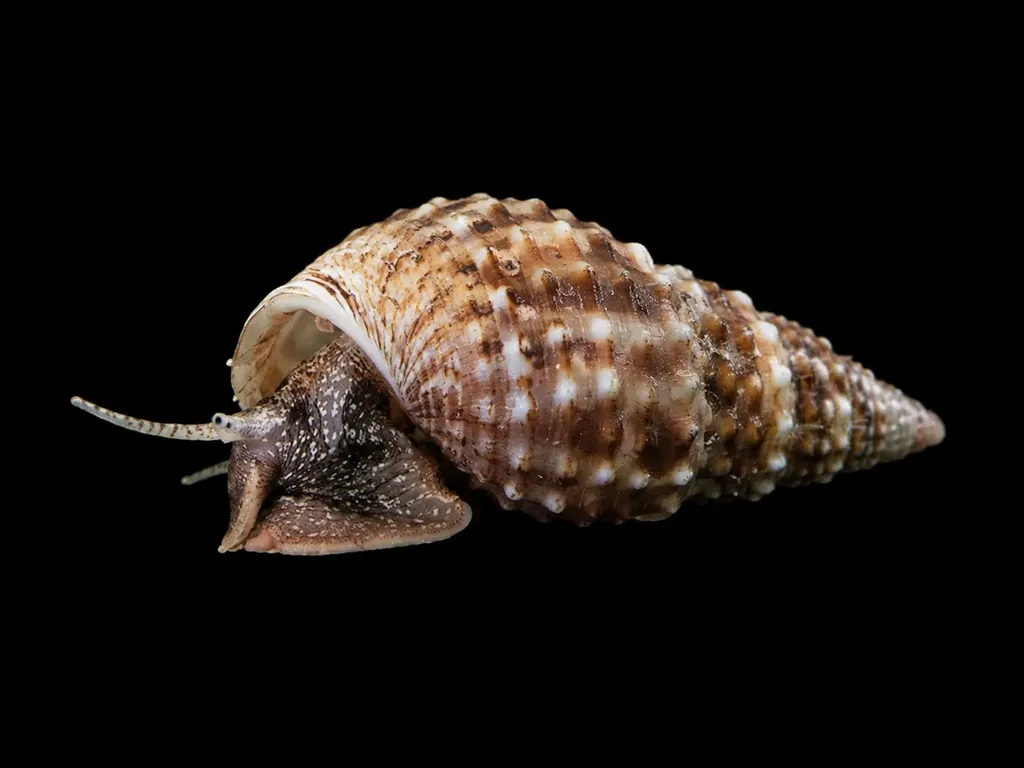
Prambanan snail
Thiara winteri
Freshwater1.6 in (4 cm) · 11 gal (40 L)73–82°F (23–28°C)
Common questions
What size tank does a Philippe's neolebias need?
A Philippe's neolebias needs at least 11 gal (40 L). It spends most of its time in the middle.
What temperature and pH does a Philippe's neolebias need?
A Philippe's neolebias is comfortable at 73–81°F (23–27°C) with a pH of 5.5–6.8.
What does a Philippe's neolebias eat?
Philippe's neolebias forages quietly for tiny foods. Feed it fine foods such as microworm, crushed flake, frozen cyclops and baby brine shrimp.
How big does a Philippe's neolebias get?
An adult Philippe's neolebias reaches about 1.4 in (3.5 cm).
Does a Philippe's neolebias need a group?
Yes. A Philippe's neolebias is a schooling species and should be kept in a group, not singly.
Related species
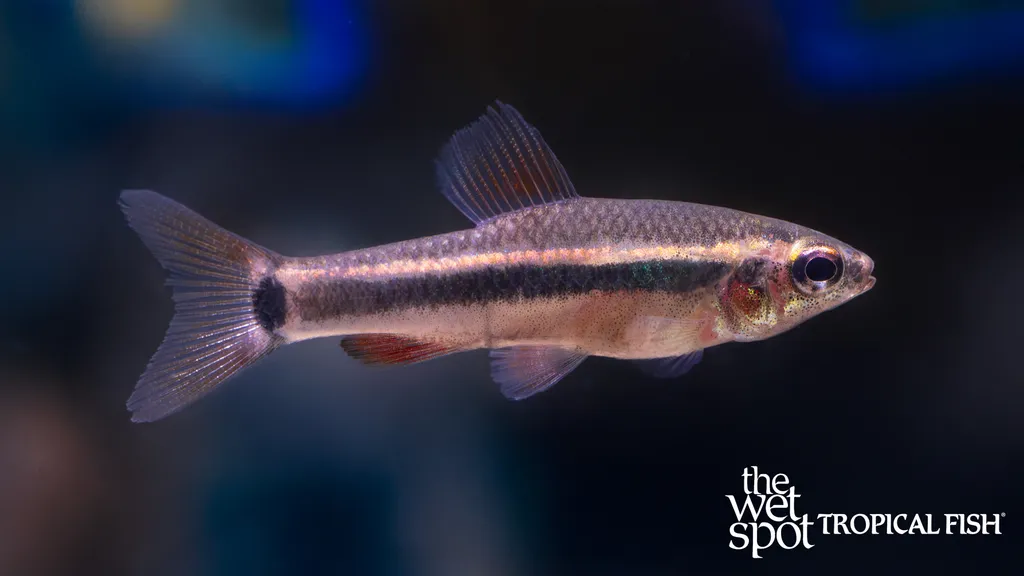 1.4 in (3.5 cm)11 gal (40 L)75–82°F (24–28°C)
Ansorge's neolebias
Neolebias ansorgii
1.4 in (3.5 cm) · 11 gal (40 L)
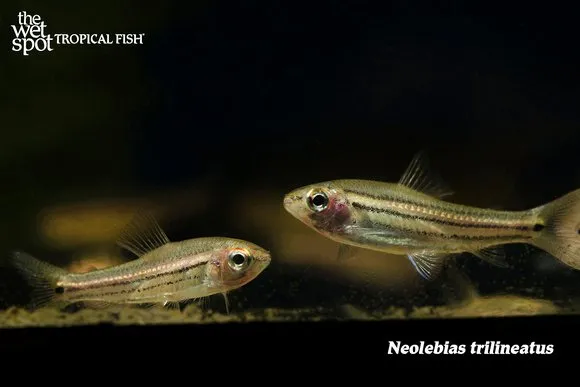 1.3 in (3.3 cm)14 gal (54 L)73–81°F (23–27°C)
Threeline neolebias
Neolebias trilineatus
1.3 in (3.3 cm) · 14 gal (54 L)
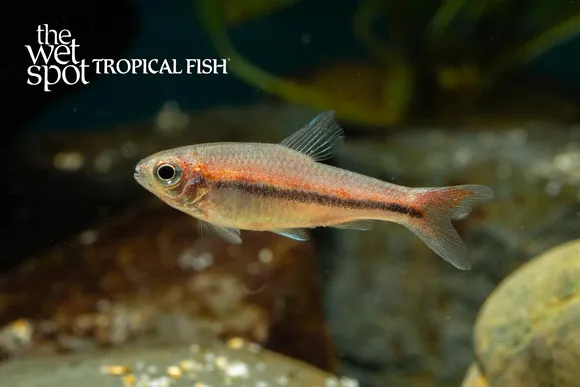 1.8 in (4.5 cm)14 gal (54 L)73–81°F (23–27°C)
Trewavas's neolebias
Neolebias trewavasae
1.8 in (4.5 cm) · 14 gal (54 L)
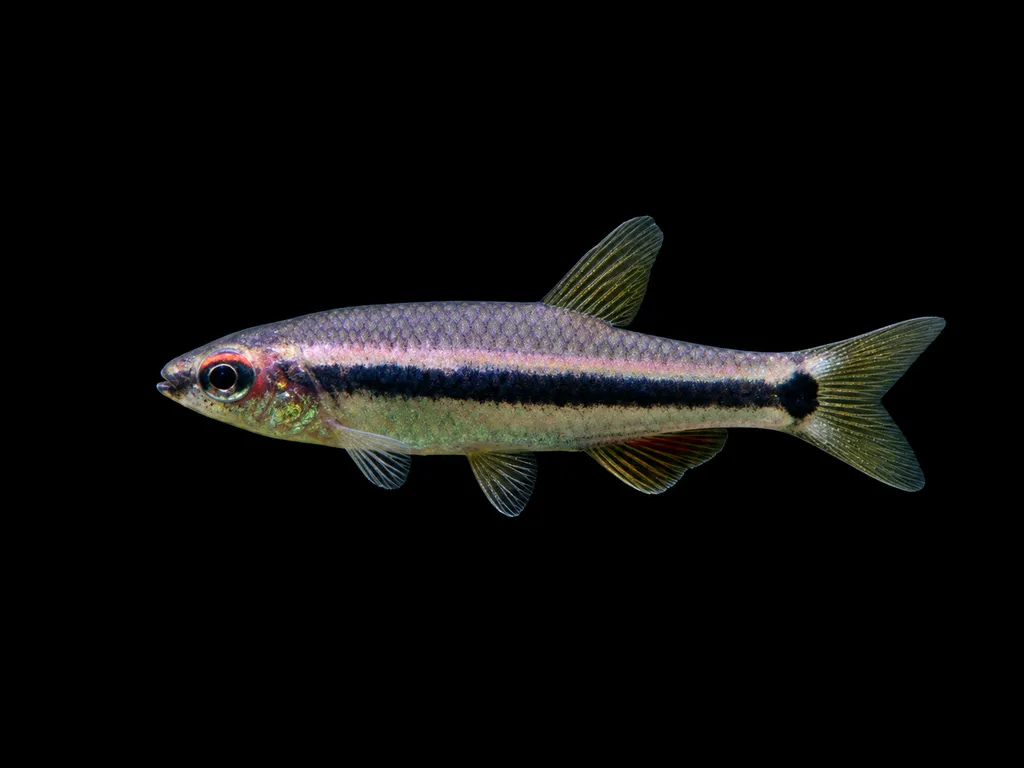 0.9 in (2.2 cm)11 gal (40 L)73–81°F (23–27°C)
Axelrod's neolebias
Neolebias axelrodi
0.9 in (2.2 cm) · 11 gal (40 L)
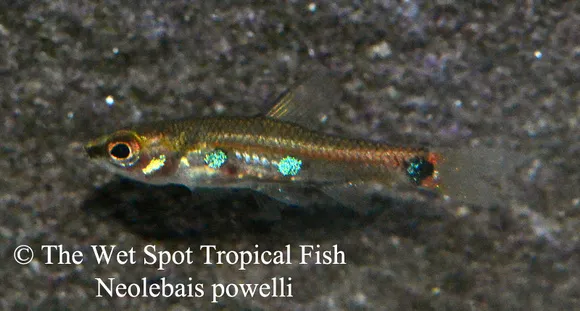 0.8 in (2 cm)11 gal (40 L)73–81°F (23–27°C)
Powell's neolebias
Neolebias powelli
0.8 in (2 cm) · 11 gal (40 L)
 2.4 in (6 cm)20 gal (75 L)72–79°F (22–26°C)
Green dwarf distichodus
Distichodus teugelsi
2.4 in (6 cm) · 20 gal (75 L)