Dwarf distichodus
Distichodus decemmaculatus
Also known as Ten-spotted distichodus
FreshwaterFish
Care at a glance
- Temperature
- 73–81°F
- 23–27°C
- pH
- 6.0–7.5
- Adult size
- 3 in
- 7.5 cm
- Minimum tank
- 30 gal
- 112 L
- Temperament
- Peaceful
- Social behavior
- Shoaling
- Swim level
- Middle
- Diet
- Omnivore
- Difficulty
- Medium
- Breeding
- No record
- Rarity
- Rare
- Family
- Distichodontidae
- Origin
- Central Congo basin, including Pool Malebo
Overview
The dwarf distichodus is a peaceful shoaling fish for a roomy community tank. It is best with a little experience.
Did you know
The dwarf distichodus belongs to a genus that includes fish reaching well over half a meter and many times its weight. Those aquarium giants quickly outgrow home tanks, but this dwarf stays small enough to keep for life.
Caring for the dwarf distichodus
Keep dwarf distichodus in a shoal of six or more, since lonely fish grow stressed and sicken. A group needs a roomy tank of at least 30 gal (112 L). Leave open swimming room in the middle, with robust or floating plants around the edges and some driftwood.
Keep the water at 73 to 81°F (23 to 27°C), with a pH of 6.0 to 7.5. Like all distichodus, it is a dedicated plant grazer, and it grazes constantly, mostly on soft plant matter. Expect it to nibble and uproot tender plants, so hardy species, plastic plants or vegetables clipped in for it work better. Feed vegetable flakes and pellets alongside some frozen bloodworm and brine shrimp.
It is peaceful with other fish, so calm, sturdy tank mates suit it. There is no reliable record of it breeding in home aquariums.
Good to know
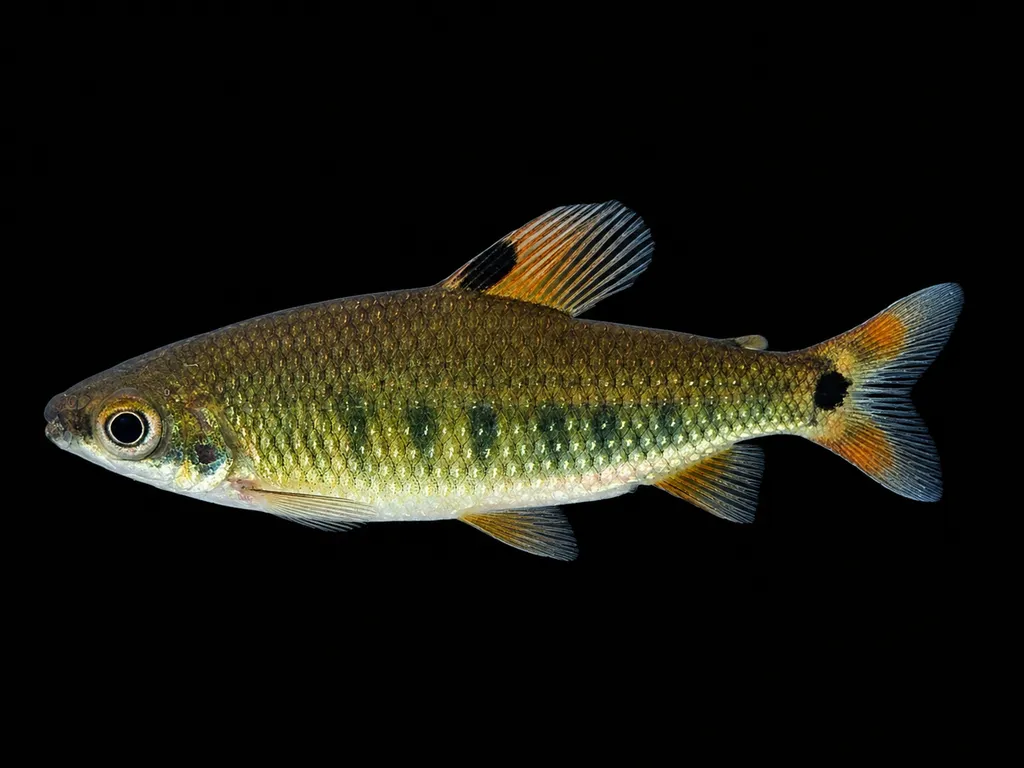
Distichodus decemmaculatus belongs to the family Distichodontidae. Its name means ten-spotted, for the row of small dark spots along each flank.
In the wild
The dwarf distichodus lives in the central Congo basin, including the wide waters of Pool Malebo. It keeps to vegetated margins with gentle flow.
Weekly picks
Tank mates
The dwarf distichodus is a peaceful, shoaling species that keeps to the middle. These picks share a community profile with it, are safe together in both directions, and overlap on water type, temperature and pH.
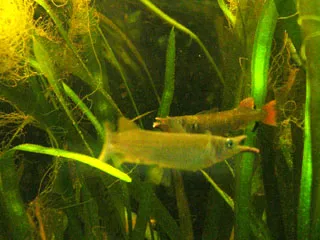
Redfin halfbeak
Nomorhamphus ebrardtii
Freshwater3.5 in (9 cm) · 29 gal (110 L)75–81°F (24–27°C)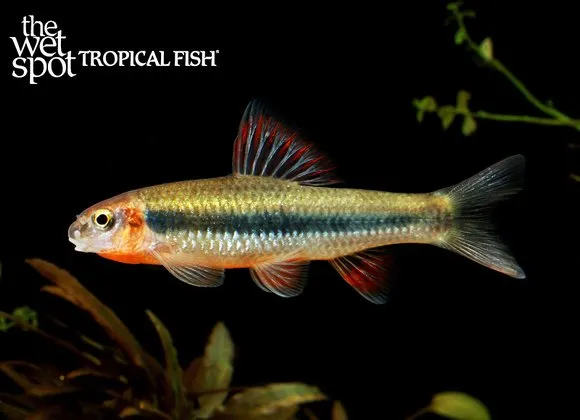
Neon golden-stripe shark
Sarcocheilichthys parvus
Freshwater3.5 in (9 cm) · 30 gal (112 L)61–75°F (16–24°C)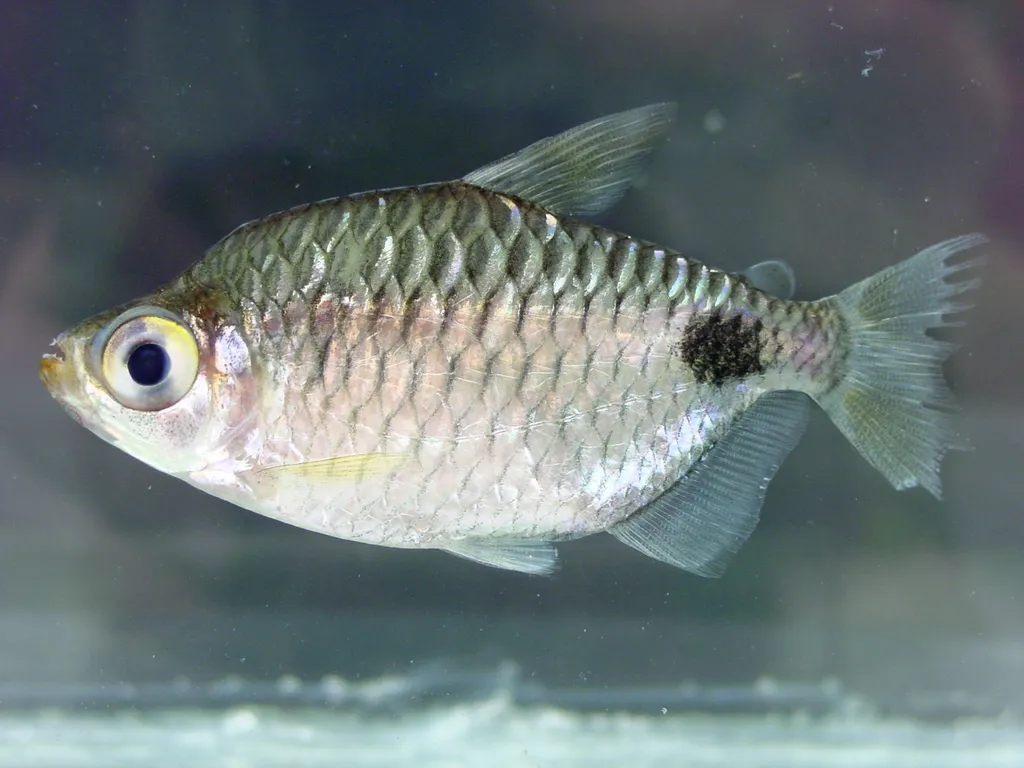
Altus tetra
Brachypetersius altus
Freshwater2.6 in (6.5 cm) · 30 gal (112 L)73–82°F (23–28°C)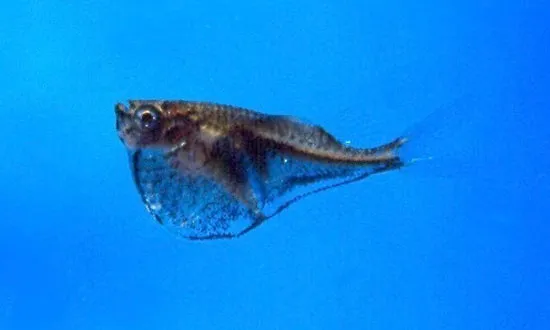
Blackwing hatchetfish
Carnegiella marthae
Freshwater1.4 in (3.5 cm) · 30 gal (115 L)68–82°F (20–28°C)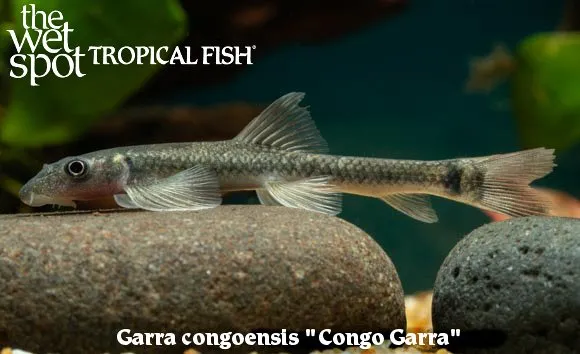
Congo garra
Garra congoensis
Freshwater3.9 in (10 cm) · 29 gal (110 L)72–81°F (22–27°C)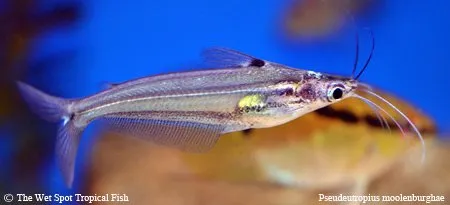
Moolenburgh's glass catfish
Pseudeutropius moolenburghae
Freshwater3.9 in (10 cm) · 30 gal (112 L)73–82°F (23–28°C)
Common questions
What size tank does a dwarf distichodus need?
A dwarf distichodus needs at least 30 gal (112 L). It spends most of its time in the middle.
What temperature and pH does a dwarf distichodus need?
A dwarf distichodus is comfortable at 73–81°F (23–27°C) with a pH of 6.0–7.5.
What does a dwarf distichodus eat?
A dwarf distichodus grazes constantly, mostly on soft plant matter, and will nibble tender plants. Feed it vegetable flakes and pellets alongside some frozen bloodworm and brine shrimp.
How big does a dwarf distichodus get?
An adult dwarf distichodus reaches about 3 in (7.5 cm).
Does a dwarf distichodus need a group?
Yes. A dwarf distichodus is a shoaling species and should be kept in a group, not singly.
Related species
 2.4 in (6 cm)20 gal (75 L)72–79°F (22–26°C)
Green dwarf distichodus
Distichodus teugelsi
2.4 in (6 cm) · 20 gal (75 L)
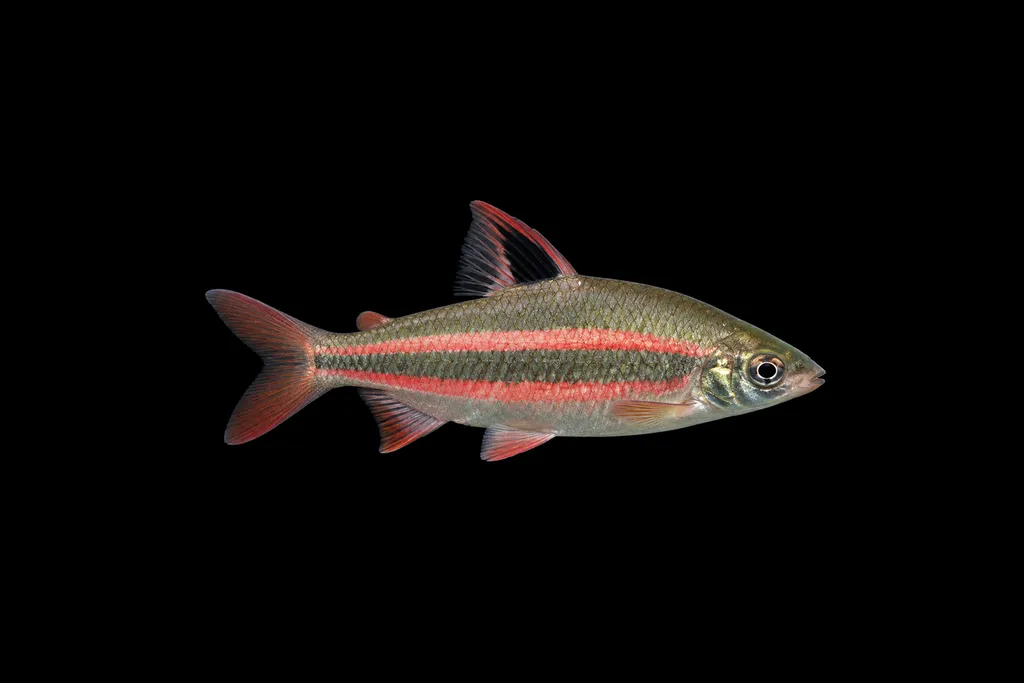 7.5 in (19 cm)40 gal (150 L)73–82°F (23–28°C)
Noboli distichodus
Distichodus noboli
7.5 in (19 cm) · 40 gal (150 L)
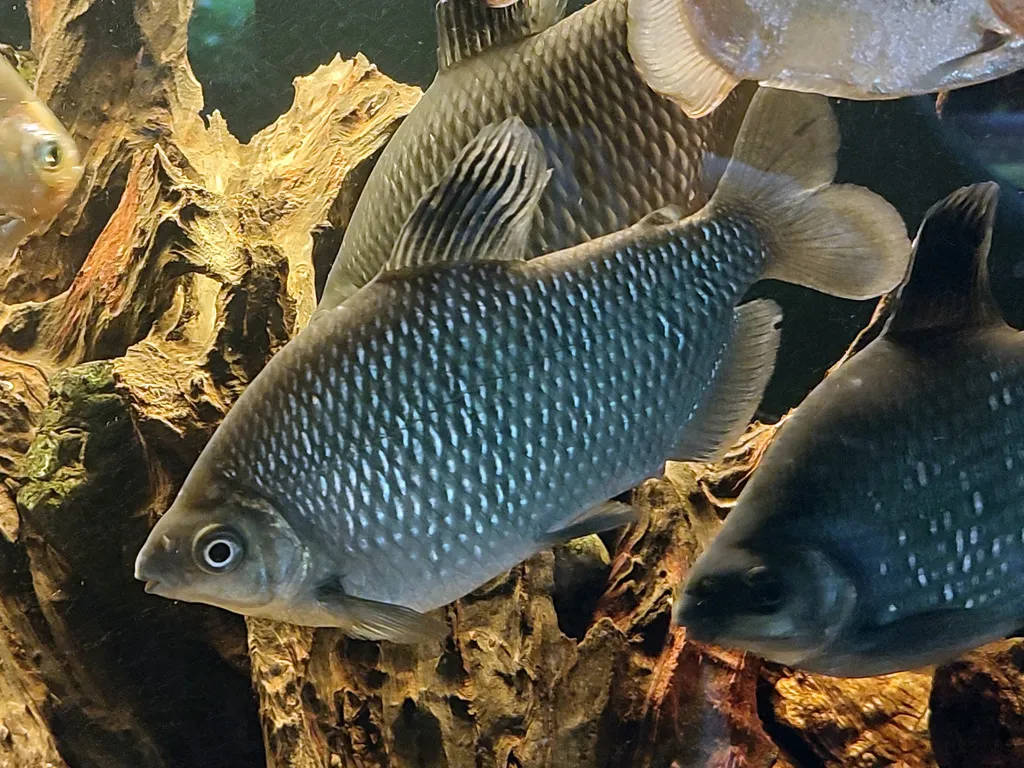 7.9 in (20 cm)53 gal (200 L)73–81°F (23–27°C)
Silver distichodus
Distichodus affinis
7.9 in (20 cm) · 53 gal (200 L)
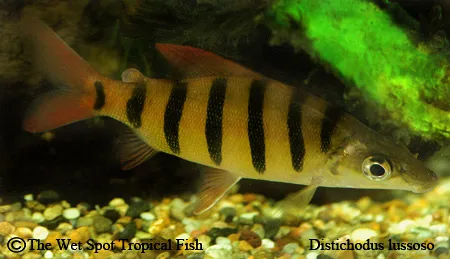 15 in (38 cm)119 gal (450 L)72–81°F (22–27°C)
Longnose distichodus
Distichodus lusosso
15 in (38 cm) · 119 gal (450 L)
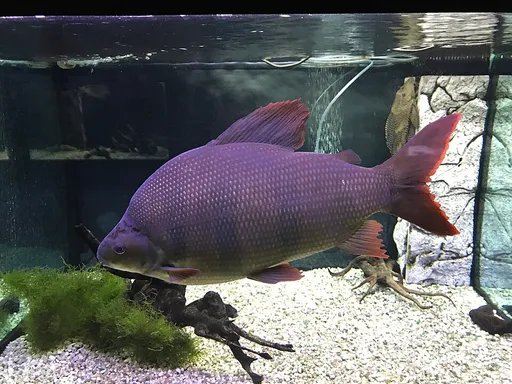 15.7 in (40 cm)143 gal (540 L)72–79°F (22–26°C)
Six-banded distichodus
Distichodus sexfasciatus
15.7 in (40 cm) · 143 gal (540 L)
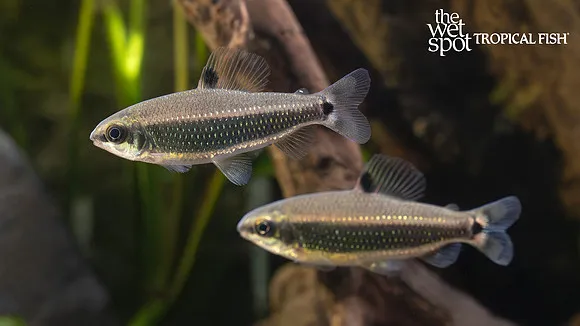
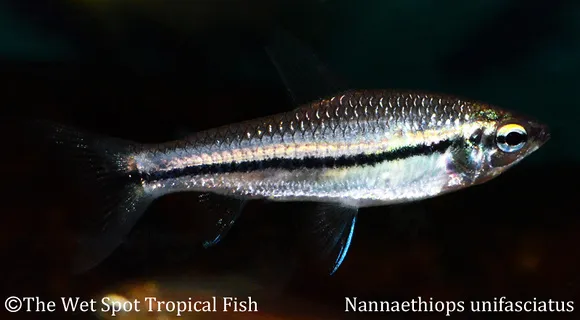 2.6 in (6.5 cm)16 gal (60 L)72–79°F (22–26°C)
African oneline tetra
Nannaethiops unitaeniatus
2.6 in (6.5 cm) · 16 gal (60 L)