Craggy-head banjo catfish
Bunocephalus verrucosus
Also known as Craggy head banjo cat, Warty banjo catfish, Humpback banjo catfish
FreshwaterFish
Care at a glance
- Temperature
- 73–82°F
- 23–28°C
- pH
- 6.0–7.5
- Adult size
- 3.9 in
- 10 cm
- Minimum tank
- 21 gal
- 80 L
- Temperament
- Peaceful
- Social behavior
- Solitary
- Swim level
- Bottom
- Difficulty
- Medium
- Breeding
- No record
- Rarity
- Common
- Family
- Aspredinidae
- Origin
- Amazon and Guiana lowlands
Overview
The craggy-head banjo catfish does almost nothing visible by day, lying half buried in the sand. It works the floor methodically at night. It suits a keeper with a little experience.
Did you know
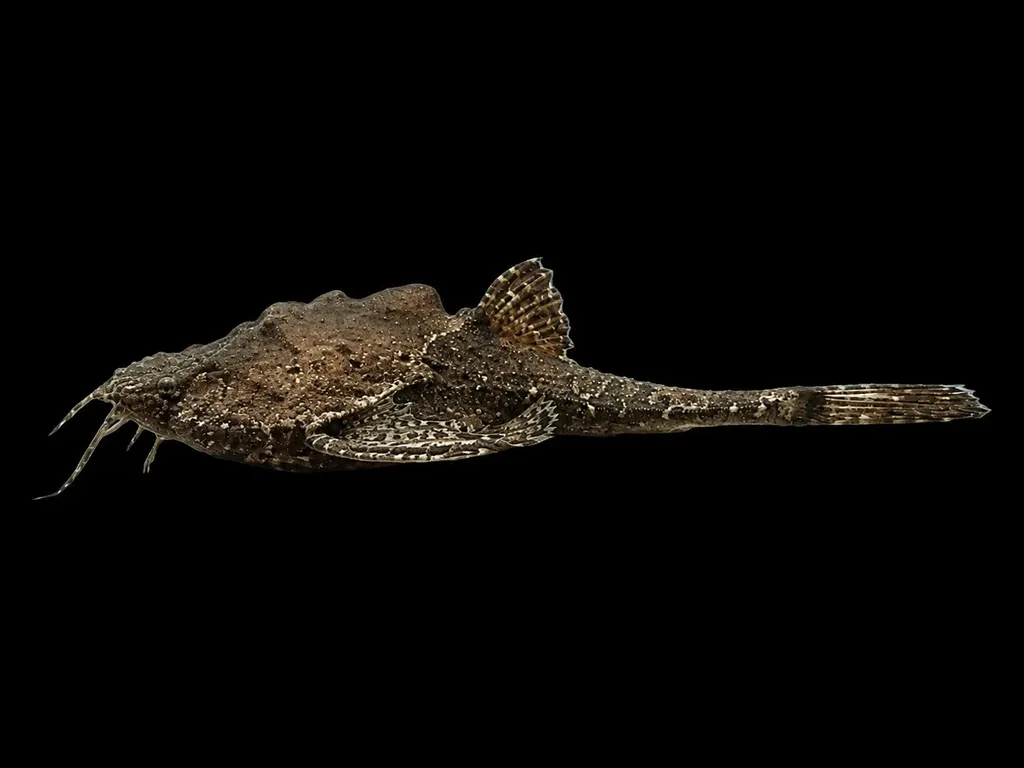
The craggy-head banjo catfish looks like a piece of waterlogged bark. Its head texture matches the bark so well that finding it in the tank is a party trick that fails.
Caring for the craggy-head banjo catfish
Give the craggy-head banjo catfish a tank of at least 21 gal (80 L) with soft sand it can bury into. Spread leaf litter over the top. Avoid sharp gravel, which stops it burying and is the single worst choice for this fish.
Keep the water at 73 to 82°F (23 to 28°C) with a pH of 6.0 to 7.5. Feed sinking foods and frozen bloodworm after dark, and check that it is actually eating.
It is completely peaceful, will not harm any fish and is safe in a community tank. It is a solitary fish and can live on its own. Breeding has not been recorded for this species in tanks.
Good to know
Bunocephalus verrucosus is covered in wart-like tubercles, which give it the craggy name and complete its camouflage among debris. Like other aspredinid catfish, it has no scales, and its body tapers to a thin, whip-like tail. Some relatives carry their eggs attached to the belly. It is also sold as the warty banjo catfish or the humpback banjo catfish.
In the wild
The craggy-head banjo catfish lives in the lowland Amazon and the Guiana Shield. It stays in slow water over sand and thick leaf litter.
Weekly picks
Tank mates
The craggy-head banjo catfish is a peaceful, solitary species that keeps to the bottom. These picks share a community profile with it, are safe together in both directions, and overlap on water type, temperature and pH.
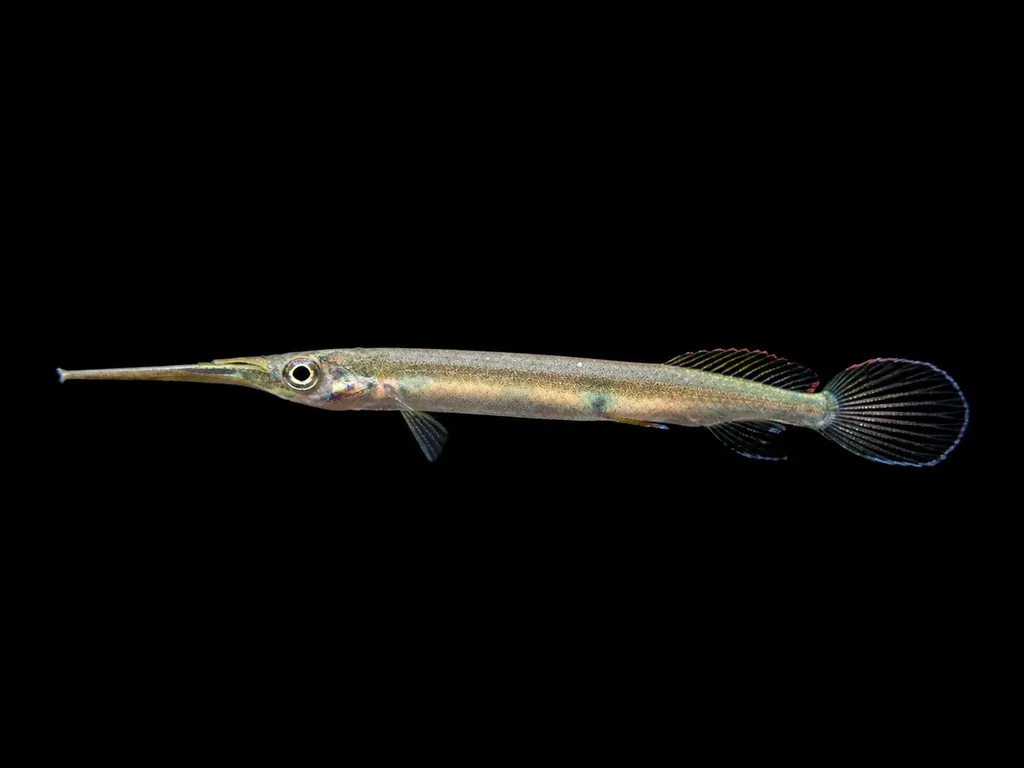
Kuekenthal's halfbeak
Hemirhamphodon kuekenthali
Freshwater3.3 in (8.5 cm) · 20 gal (75 L)73–81°F (23–27°C)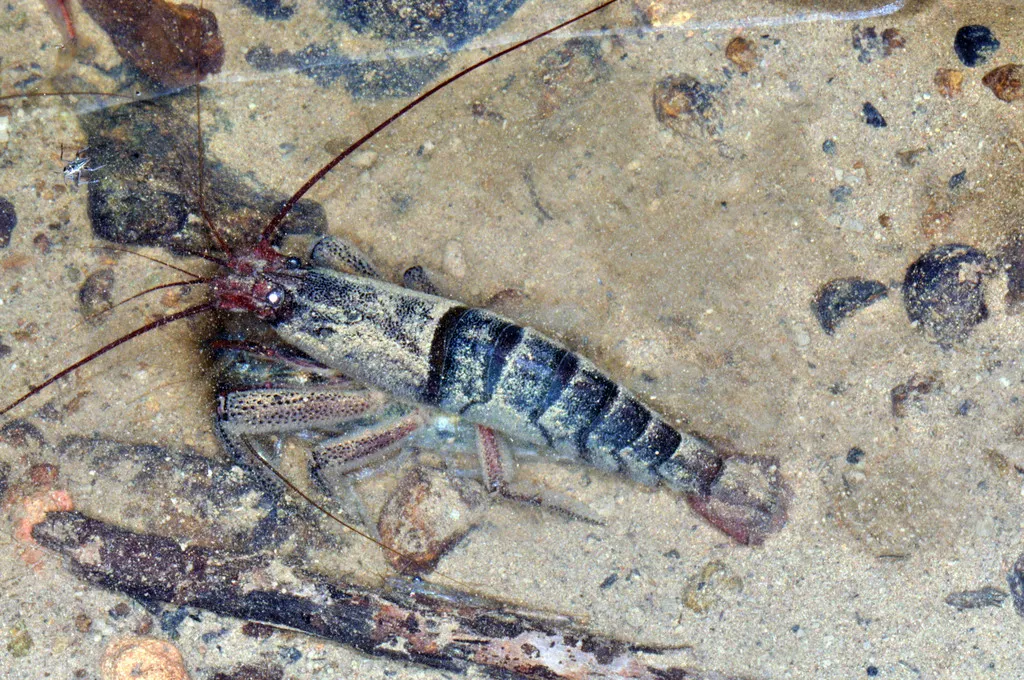
Marble wood shrimp
Atya scabra
Freshwater3.9 in (10 cm) · 20 gal (75 L)73–82°F (23–28°C)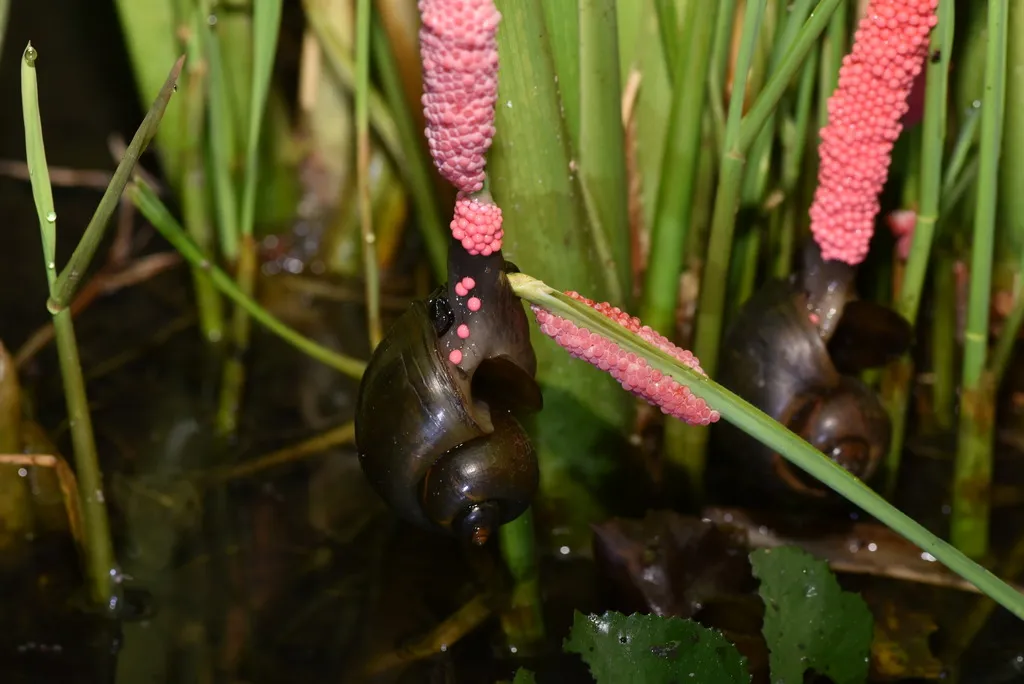
Apple snail
Pomacea canaliculata
Freshwater5.9 in (15 cm) · 21 gal (80 L)64–81°F (18–27°C)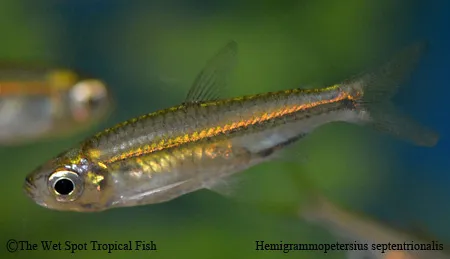
Nigerian yellow line tetra
Rhabdalestes septentrionalis
Freshwater2.8 in (7 cm) · 21 gal (80 L)73–82°F (23–28°C)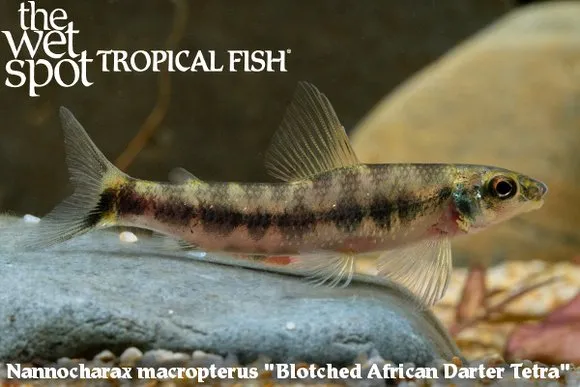
Blotched darter tetra
Nannocharax macropterus
Freshwater2.4 in (6 cm) · 21 gal (80 L)73–82°F (23–28°C)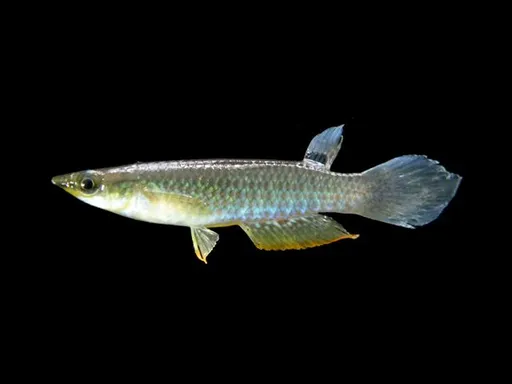
Blue panchax
Aplocheilus panchax
Freshwater3.5 in (9 cm) · 20 gal (75 L)72–82°F (22–28°C)
Common questions
What size tank does a craggy-head banjo catfish need?
A craggy-head banjo catfish needs at least 21 gal (80 L). It spends most of its time in the bottom.
What temperature and pH does a craggy-head banjo catfish need?
A craggy-head banjo catfish is comfortable at 73–82°F (23–28°C) with a pH of 6.0–7.5.
What does a craggy-head banjo catfish eat?
A craggy-head banjo catfish eats sinking foods and frozen bloodworm. Feed it after dark and check that it is actually eating.
How big does a craggy-head banjo catfish get?
An adult craggy-head banjo catfish reaches about 3.9 in (10 cm).
Related species
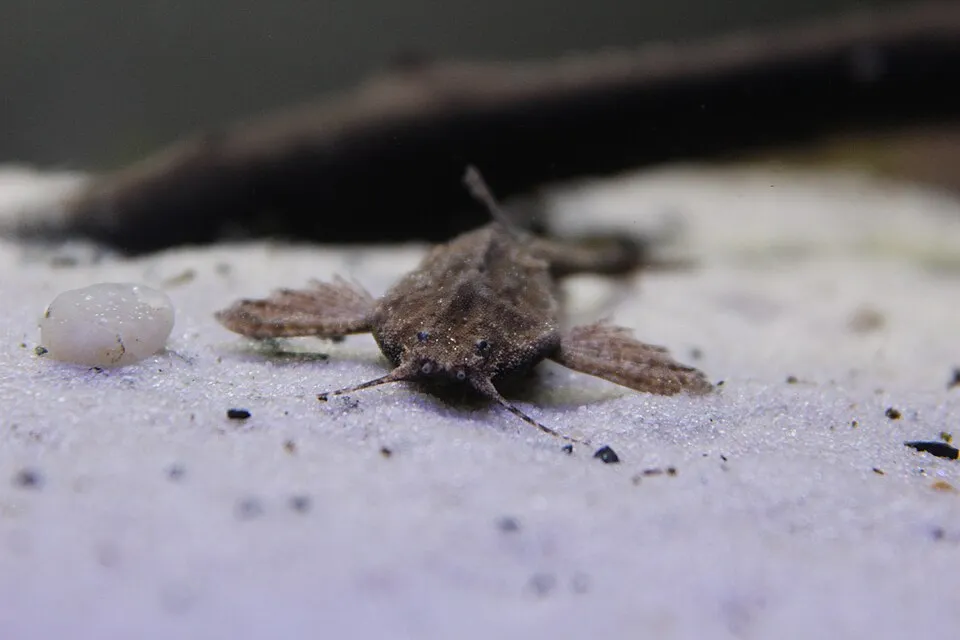 5.9 in (15 cm)25 gal (95 L)72–81°F (22–27°C)
Banjo catfish
Bunocephalus coracoideus
5.9 in (15 cm) · 25 gal (95 L)
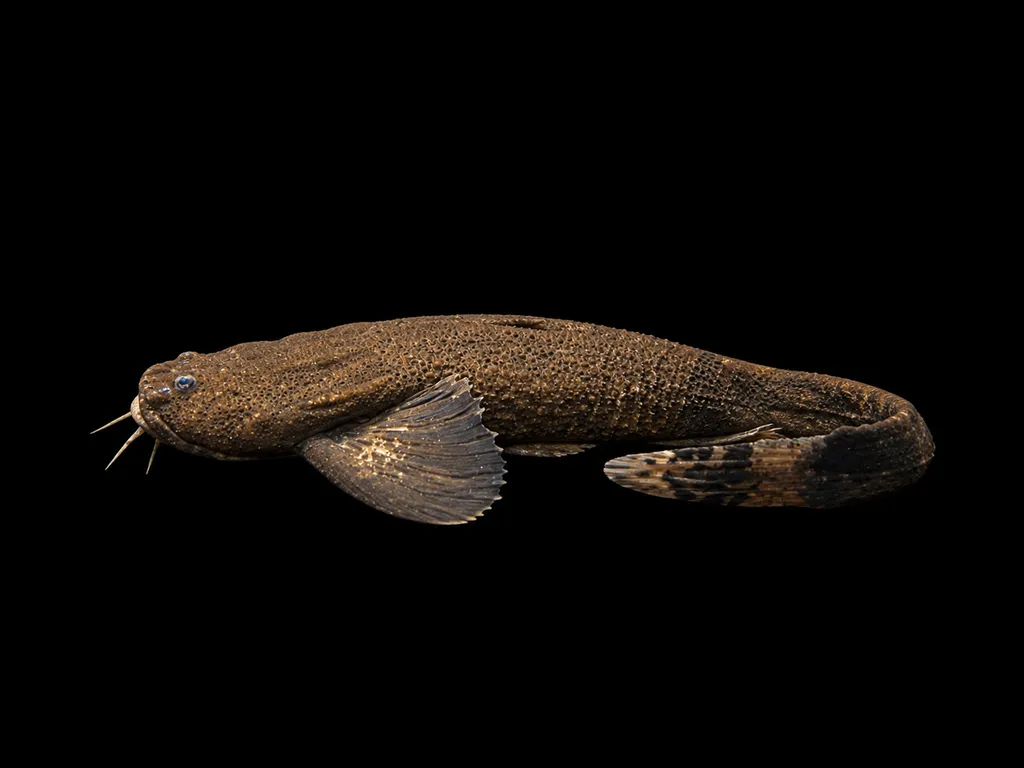 5.1 in (13 cm)30 gal (112 L)73–82°F (23–28°C)
Two-ray banjo catfish
Amaralia hypsiura
5.1 in (13 cm) · 30 gal (112 L)
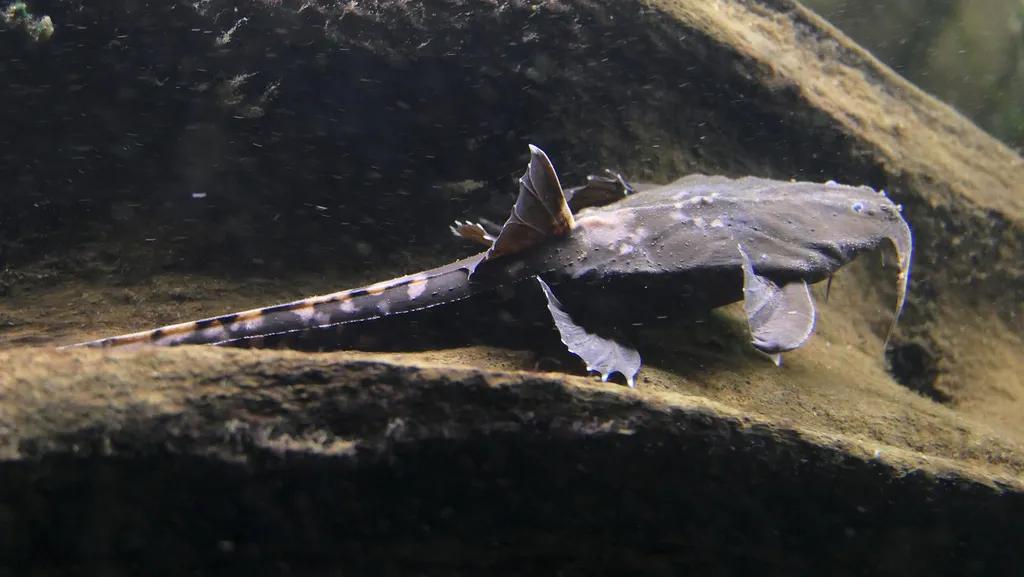 12.6 in (32 cm)53 gal (200 L)73–82°F (23–28°C)
Whiptail banjo catfish
Platystacus cotylephorus
12.6 in (32 cm) · 53 gal (200 L)
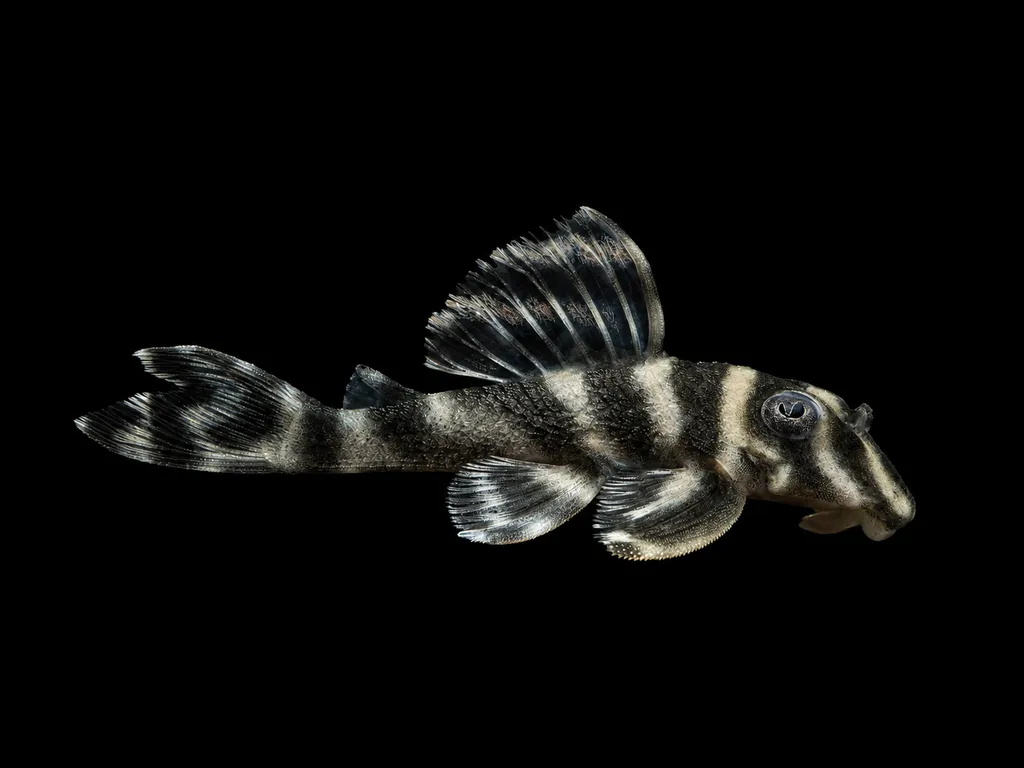 3.9 in (10 cm)42 gal (160 L)79–86°F (26–30°C)
Bandit pleco
Hypancistrus furunculus
3.9 in (10 cm) · 42 gal (160 L)
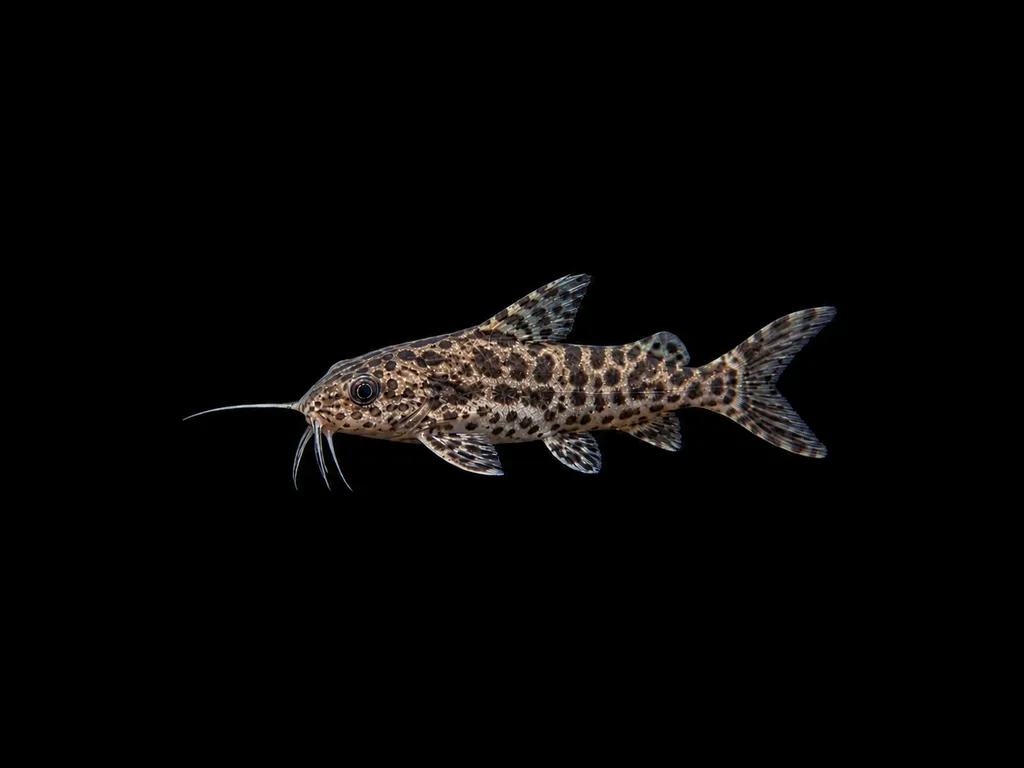 3.9 in (10 cm)30 gal (114 L)72–79°F (22–26°C)
Bugeye squeaker
Synodontis contractus
3.9 in (10 cm) · 30 gal (114 L)
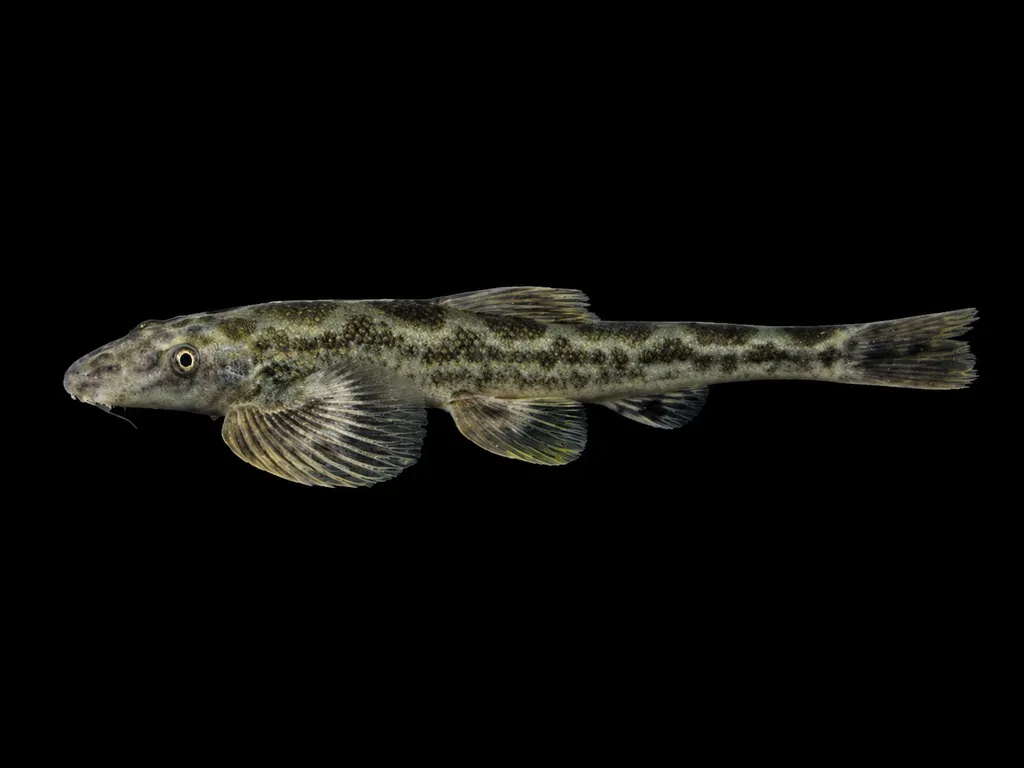 3.9 in (10 cm)25 gal (95 L)68–79°F (20–26°C)
Burmese stone loach
Balitora burmanica
3.9 in (10 cm) · 25 gal (95 L)