Bandit pleco
Hypancistrus furunculus
Also known as L199, Zebra bandit pleco
FreshwaterFish
Care at a glance
- Temperature
- 79–86°F
- 26–30°C
- pH
- 5.5–7.2
- Adult size
- 3.9 in
- 10 cm
- Minimum tank
- 42 gal
- 160 L
- Temperament
- Peaceful
- Social behavior
- Solitary
- Swim level
- Bottom
- Diet
- Omnivore
- Difficulty
- Medium
- Breeding
- Cave spawner · Medium
- Rarity
- Rare
- Family
- Loricariidae
- Origin
- Upper Orinoco, Venezuela
Overview
The bandit pleco is a banded, cave-holding fish for the bottom of a calm community tank. It is best with a little experience.
Did you know
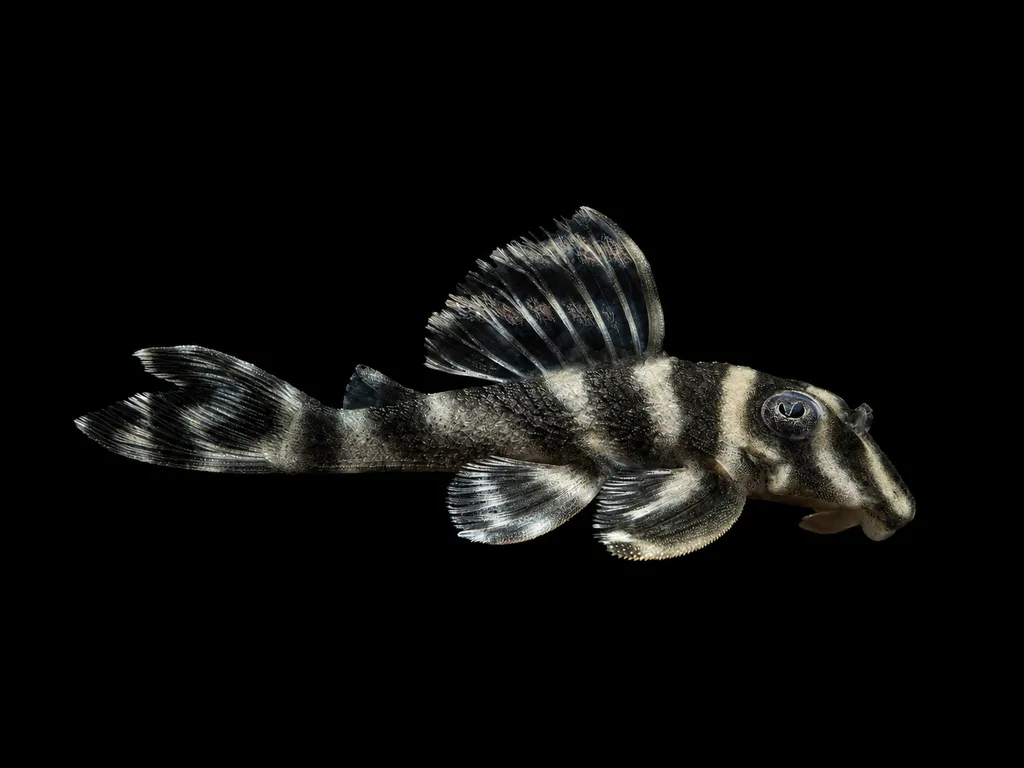
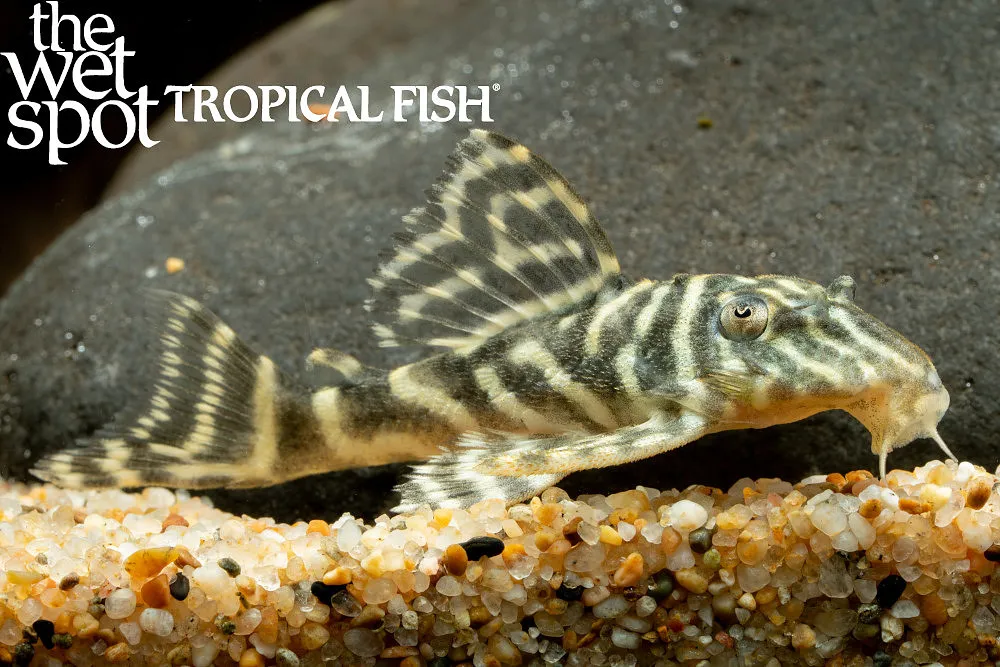
No two bandit plecos carry quite the same mask. The broken bands across the head and body vary from one fish to the next, even among siblings from a single brood.
Caring for the bandit pleco
Give a bandit pleco at least 42 gal (160 L), set up as a mature tank over a sand floor. Arrange smooth rockwork and driftwood into many small caves and gaps. It hides by day and grows bolder after dark or when food goes in.
Keep the water soft and slightly acidic to neutral, at 79 to 86°F (26 to 30°C) and a pH of 5.5 to 7.2. Add brisk flow from powerheads or the filter. Good oxygen and clean water are the priorities.
Like its Hypancistrus relatives, the bandit pleco is not much of an algae eater. It wants a protein-led diet of sinking carnivore pellets, frozen bloodworm and brine shrimp, with only a little vegetable.
Keep one, or a compatible pair in a roomy tank, since it will defend a chosen crevice against other plecos. It is peaceful with other fish, so a calm community of mid-water species works well. Bandit plecos have spawned in aquaria for patient keepers, using narrow caves, and the male tends the eggs. Breeding them is moderately difficult.
Good to know
Hypancistrus furunculus belongs to Loricariidae and carries the pale, dark-edged bands of the zebra-pleco group, in a looser and more broken pattern. Its trade names include L199 and the yellowhead or zebra bandit pleco.
In the wild
The bandit pleco comes from the warm upper Orinoco of southern Venezuela. It lives there among rock piles and sunken wood in flowing, oxygen-rich water.
Weekly picks
Tank mates
The bandit pleco is a peaceful, solitary species that keeps to the bottom. These picks share a community profile with it, are safe together in both directions, and overlap on water type, temperature and pH.
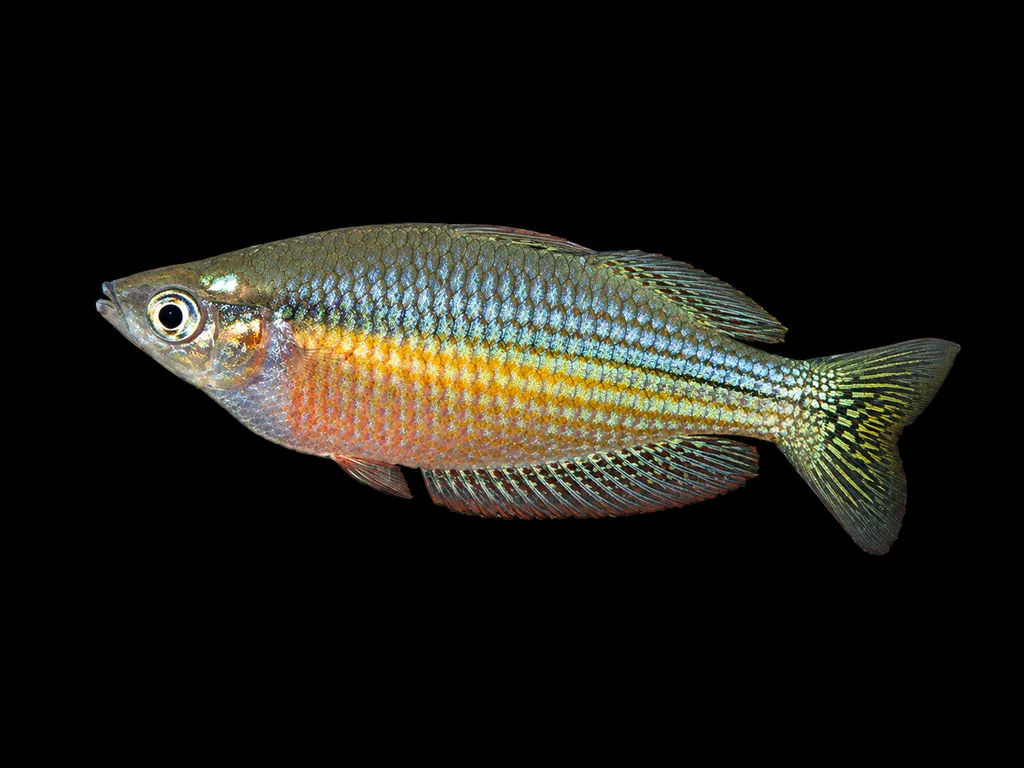
Desert rainbowfish
Melanotaenia splendida tatei
Freshwater3.9 in (10 cm) · 42 gal (160 L)64–86°F (18–30°C)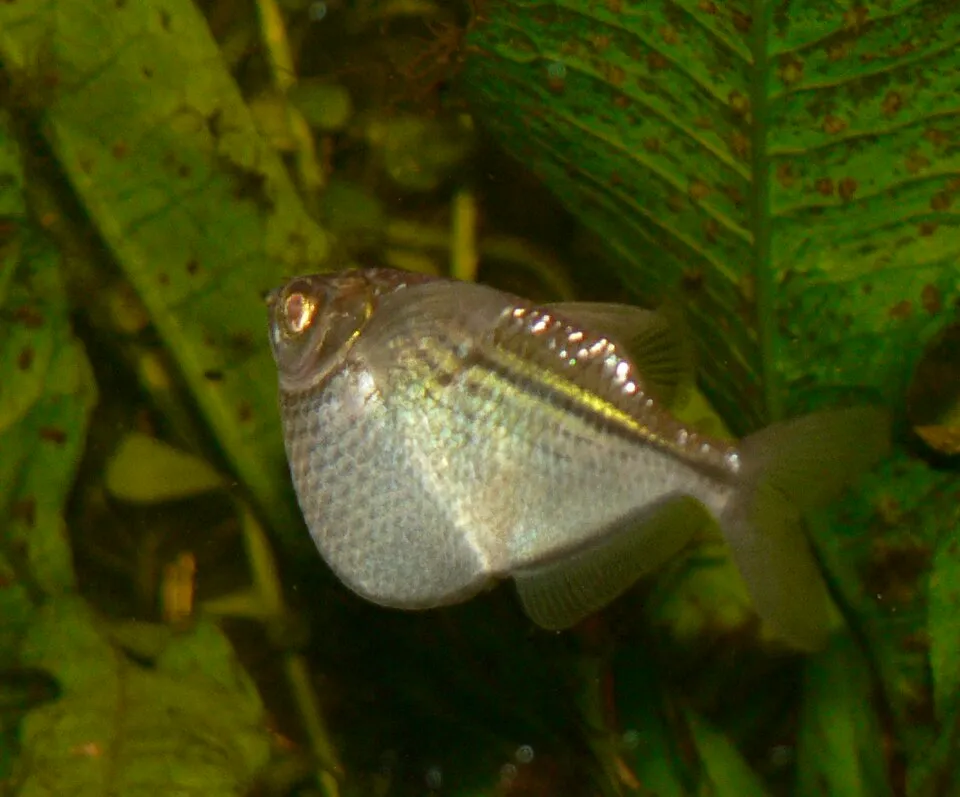
Common hatchetfish
Gasteropelecus sternicla
Freshwater1.6 in (4 cm) · 33 gal (125 L)68–82°F (20–28°C)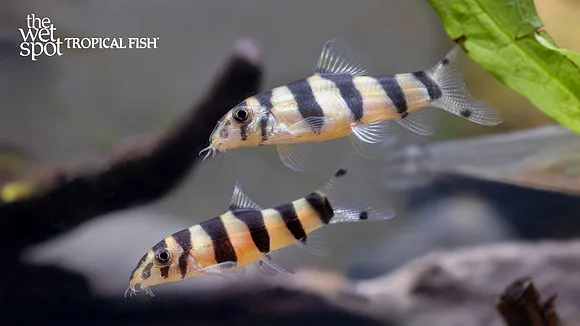
Emperor loach
Botia udomritthiruji
Freshwater5.5 in (14 cm) · 42 gal (160 L)73–82°F (23–28°C)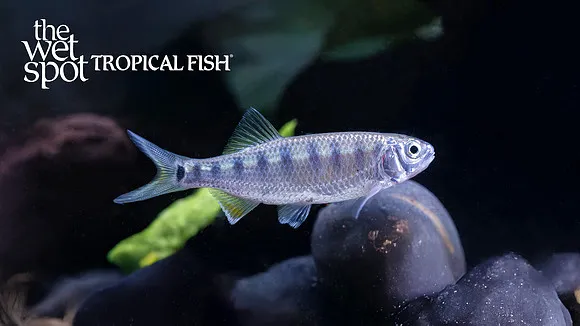
Bernatzik's baril
Opsarius bernatziki
Freshwater4.3 in (11 cm) · 42 gal (160 L)72–81°F (22–27°C)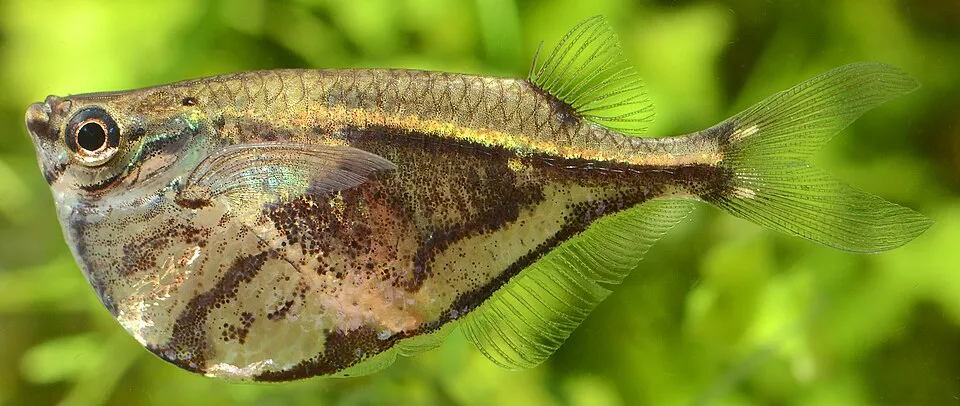
Marbled hatchetfish
Carnegiella strigata
Freshwater1.6 in (4 cm) · 32 gal (120 L)68–82°F (20–28°C)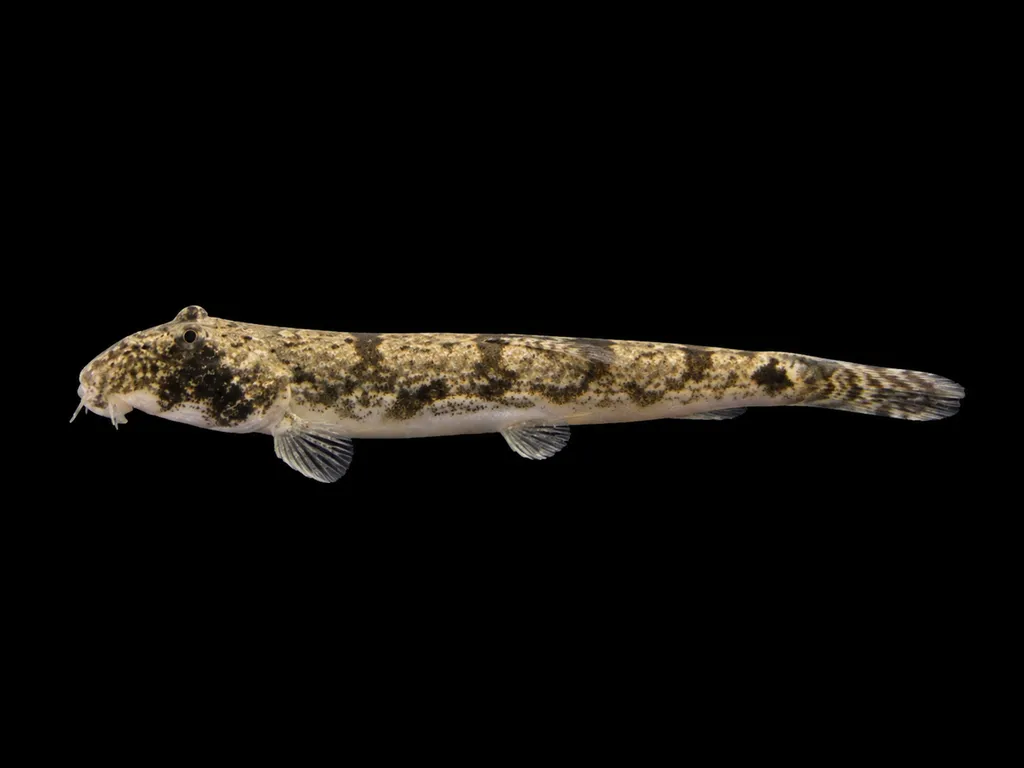
Gongota loach
Canthophrys gongota
Freshwater5.1 in (13 cm) · 42 gal (160 L)70–81°F (21–27°C)
Common questions
What size tank does a bandit pleco need?
A bandit pleco needs at least 42 gal (160 L). It spends most of its time in the bottom.
What temperature and pH does a bandit pleco need?
A bandit pleco is comfortable at 79–86°F (26–30°C) with a pH of 5.5–7.2.
What does a bandit pleco eat?
A bandit pleco eats a protein-led diet of sinking carnivore pellets, frozen bloodworm and brine shrimp. Add only a little vegetable, since it is not much of an algae eater.
How big does a bandit pleco get?
An adult bandit pleco reaches about 3.9 in (10 cm).
How does a bandit pleco breed?
Bandit plecos spawn in narrow caves, and the male tends the eggs. Patient keepers have bred them in aquaria, and breeding is moderately difficult.
Related species
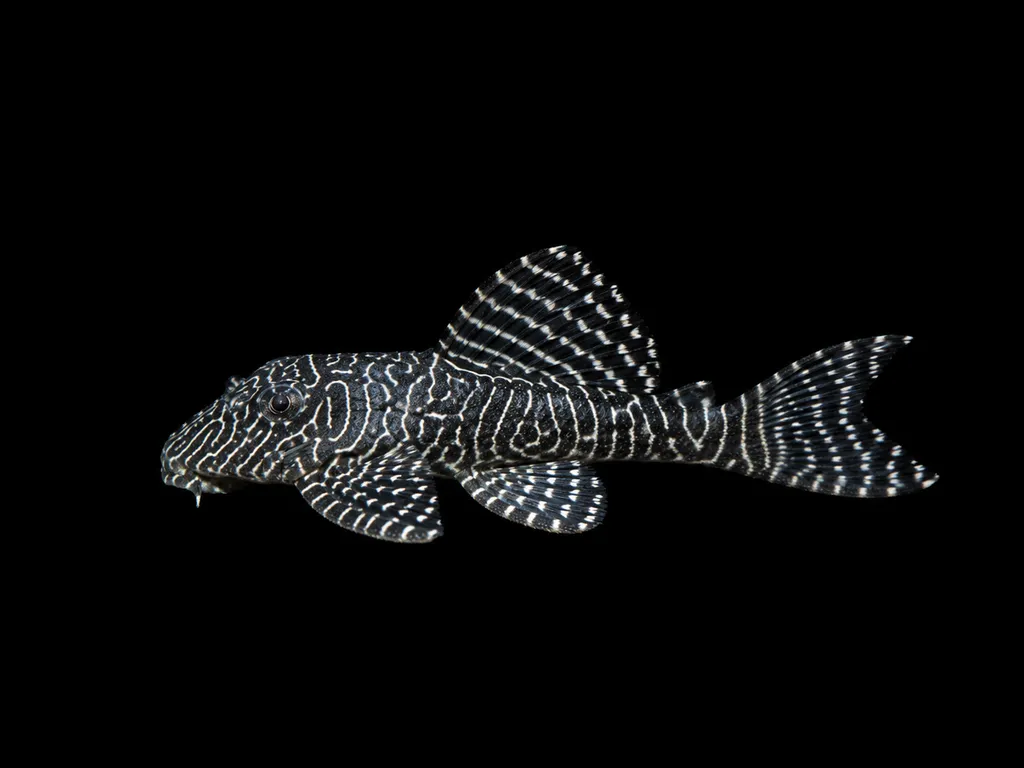 3.9 in (10 cm)20 gal (75 L)79–86°F (26–30°C)
Queen arabesque pleco (L260)
Hypancistrus sp. L260
3.9 in (10 cm) · 20 gal (75 L)
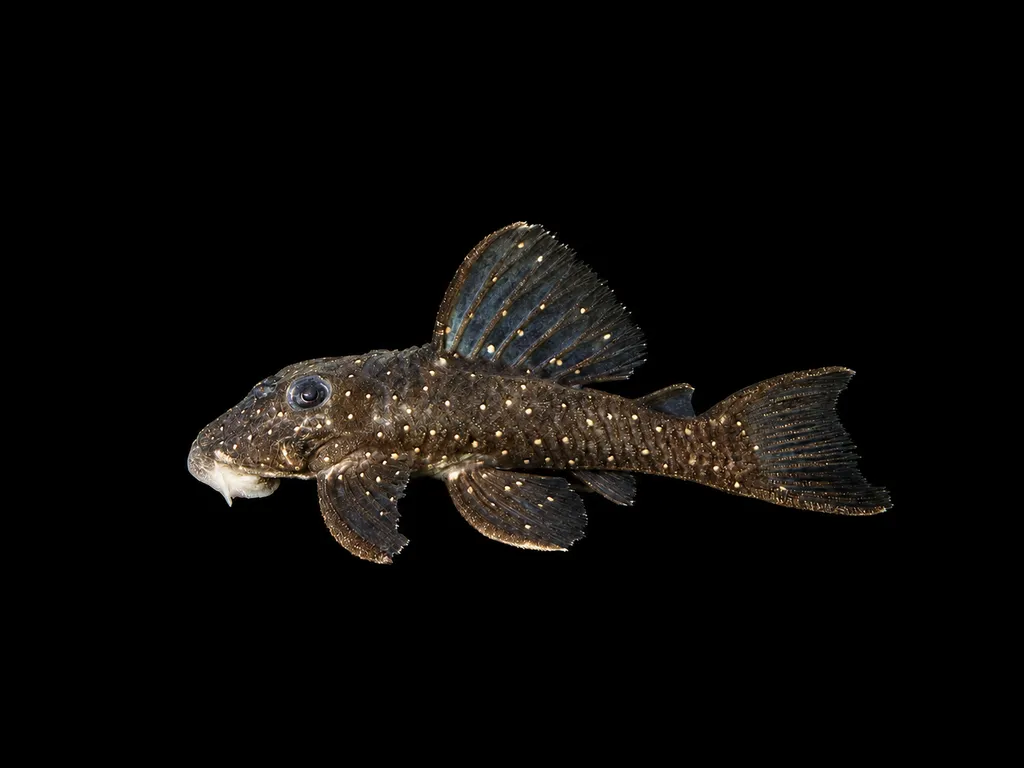 3.9 in (10 cm)42 gal (160 L)79–86°F (26–30°C)
Tiny spot pleco
Hypancistrus lunaorum
3.9 in (10 cm) · 42 gal (160 L)
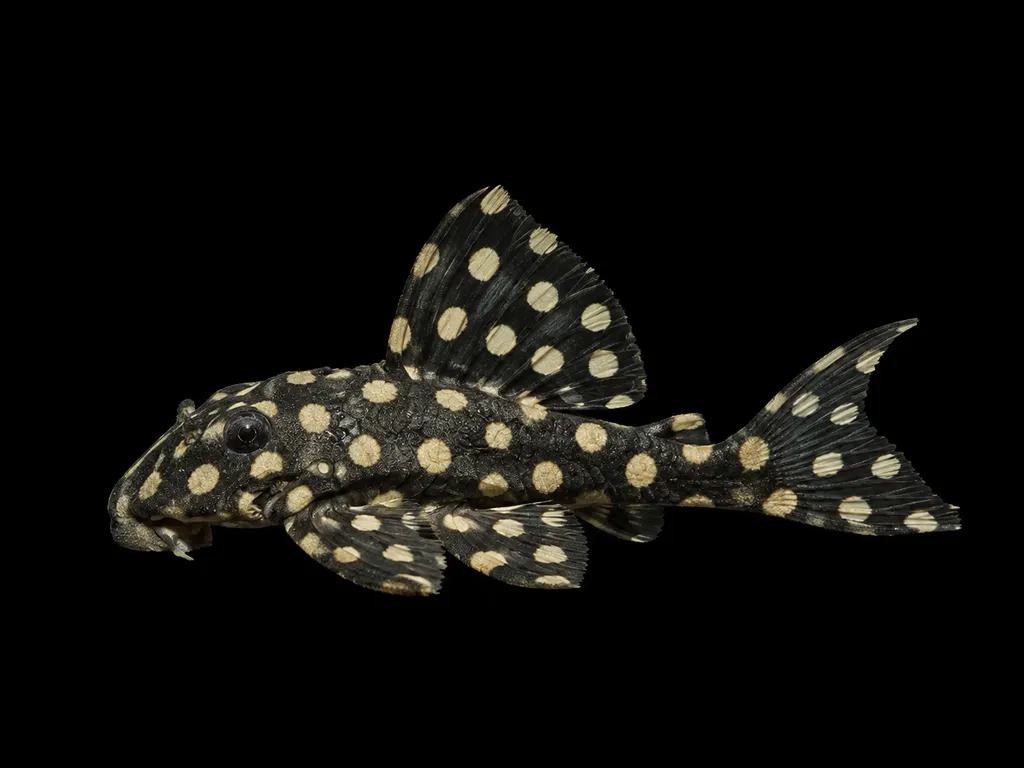 4.7 in (12 cm)42 gal (160 L)79–86°F (26–30°C)
Orinoco polka-dot pleco
Hypancistrus contradens
4.7 in (12 cm) · 42 gal (160 L)
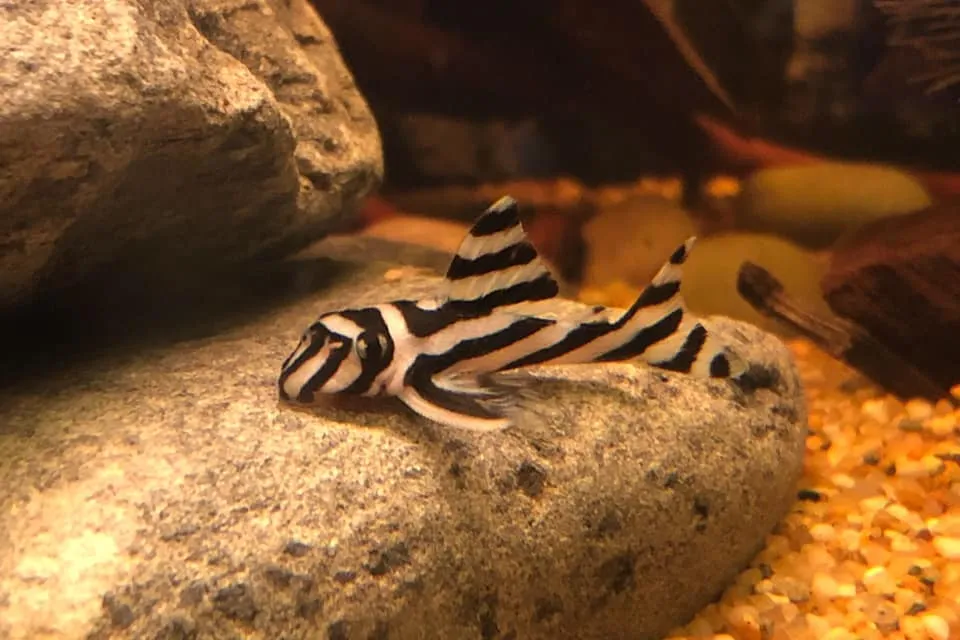 3.1 in (8 cm)15 gal (55 L)79–86°F (26–30°C)
Zebra pleco
Hypancistrus zebra
3.1 in (8 cm) · 15 gal (55 L)
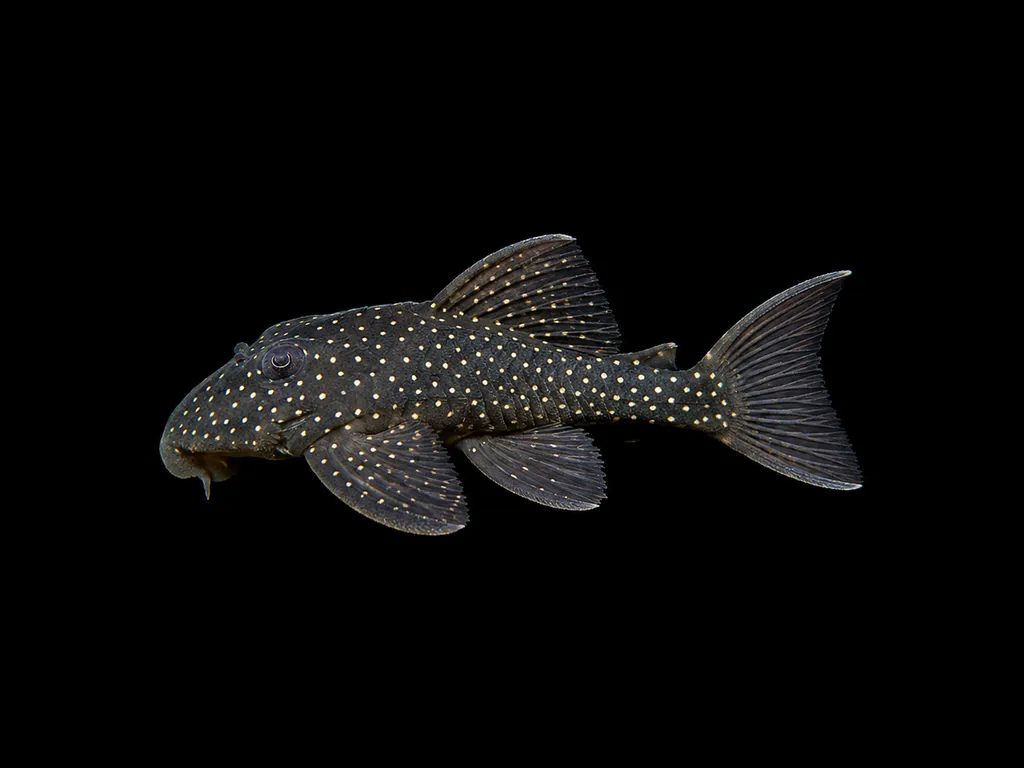 2.4 in (6 cm)42 gal (160 L)79–86°F (26–30°C)
Pearl-spotted angel pleco
Hypancistrus margaritatus
2.4 in (6 cm) · 42 gal (160 L)
 3.5 in (9 cm)20 gal (75 L)79–86°F (26–30°C)
Colombian zebra pleco (L129)
Hypancistrus debilittera
3.5 in (9 cm) · 20 gal (75 L)