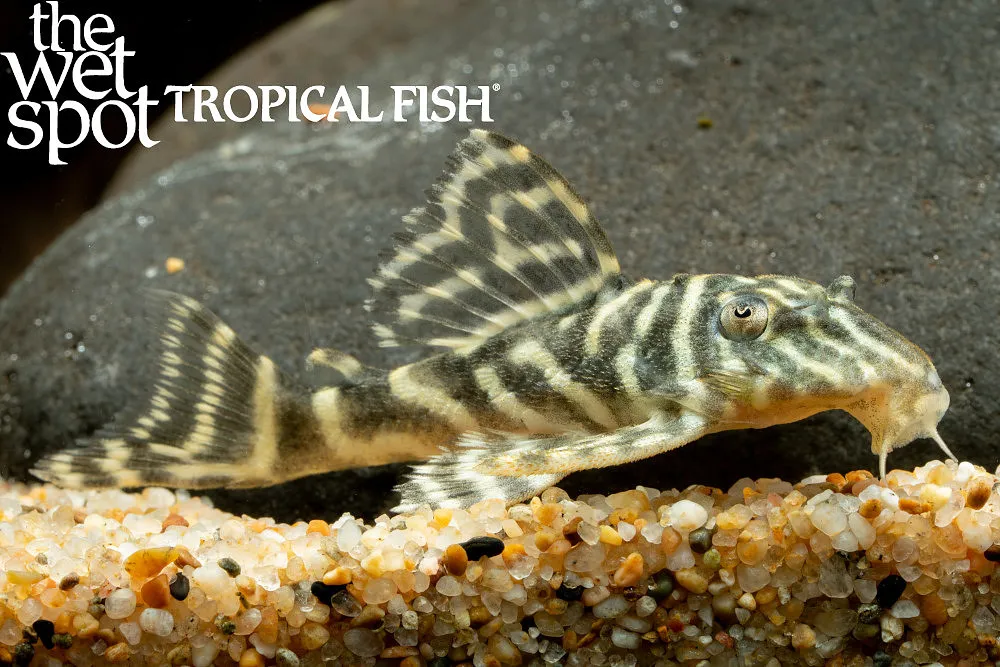
Tiny spot pleco
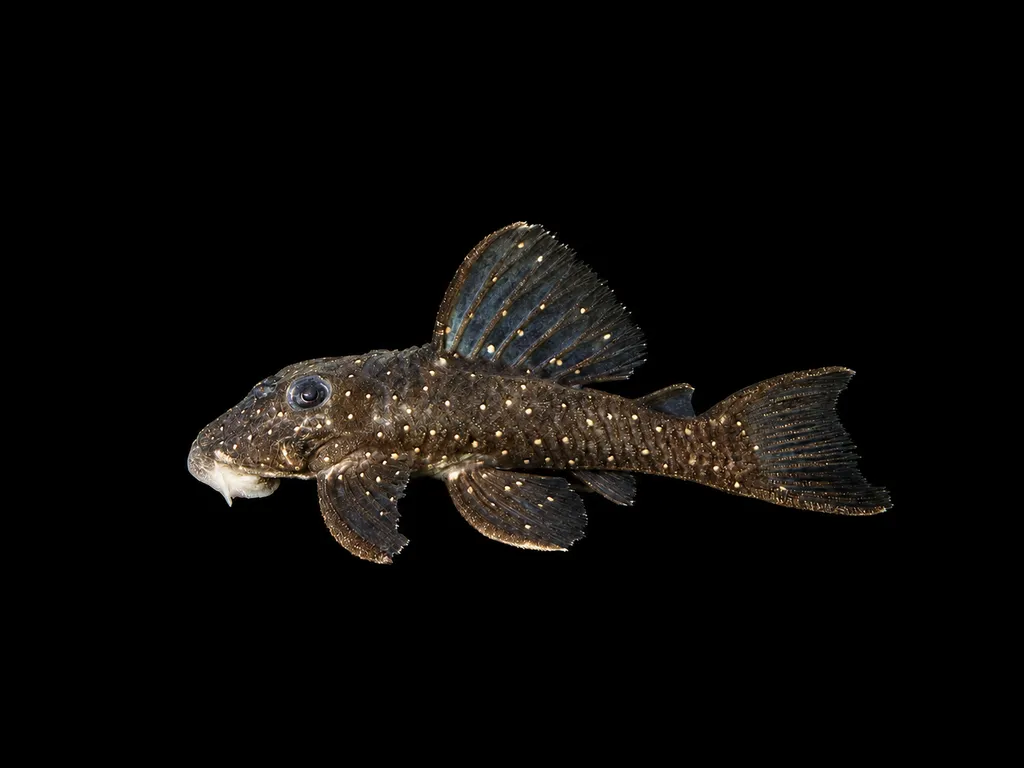
Hypancistrus lunaorum
Also known as L339, Lunaorum pleco
FreshwaterFish
Care at a glance
- Temperature
- 79–86°F
- 26–30°C
- pH
- 5.5–7.2
- Adult size
- 3.9 in
- 10 cm
- Minimum tank
- 42 gal
- 160 L
- Temperament
- Peaceful
- Social behavior
- Solitary
- Swim level
- Bottom
- Diet
- Carnivore
- Difficulty
- Medium
- Breeding
- Cave spawner · Medium
- Rarity
- Rare
- Family
- Loricariidae
- Origin
- Upper Orinoco, Venezuela
Overview
The tiny spot pleco is a small Hypancistrus scattered with fine pale spots, an understated fish that rewards a close look. It suits someone past the beginner stage.
Did you know
The tiny spot pleco's name, lunaorum, honors the Luna family, founders of a village on the Orinoco near the mouth of the Ventuari. By happy accident, the Latin also brings the moon to mind. That fits a dark fish sprinkled all over with little pale spots.
Caring for the tiny spot pleco
Give a tiny spot pleco a tank of at least 42 gal (160 L), enough for a single adult or a pair. Build it around stacked smooth stone and driftwood full of tight caves, over sand, swept by good current. Give each fish a cave to hold.
Keep the water warm, soft and slightly acidic to neutral, at 79 to 86°F (26 to 30°C) and a pH of 5.5 to 7.2. It should be clean and well oxygenated. A little tannin from leaves or wood suits it.
Like the rest of its genus, it is no algae grazer. Offer meaty sinking foods, including frozen bloodworm, chopped prawn and carnivore pellets, and treat vegetables as a side note.
The tiny spot pleco is solitary, so keep one to a tank, or a pair if you intend to breed. It works the bottom among rock and wood and is peaceful toward other fish. Choose small, calm community tank mates.
Breeding it is of moderate difficulty. It is a cave spawner, and the male guards the eggs until the young emerge.
Good to know
Hypancistrus lunaorum belongs to the family Loricariidae and was described in 2007. Like all Hypancistrus, it carries the reduced teeth of a meat eater rather than an algae grazer.
In the wild
The tiny spot pleco comes from the upper Orinoco and the Rio Ventuari in Venezuela. It holds to seams and caves there, in warm, rocky, oxygen-rich water.
Weekly picks
Tank mates
The tiny spot pleco is a peaceful, solitary species that keeps to the bottom. These picks share a community profile with it, are safe together in both directions, and overlap on water type, temperature and pH.
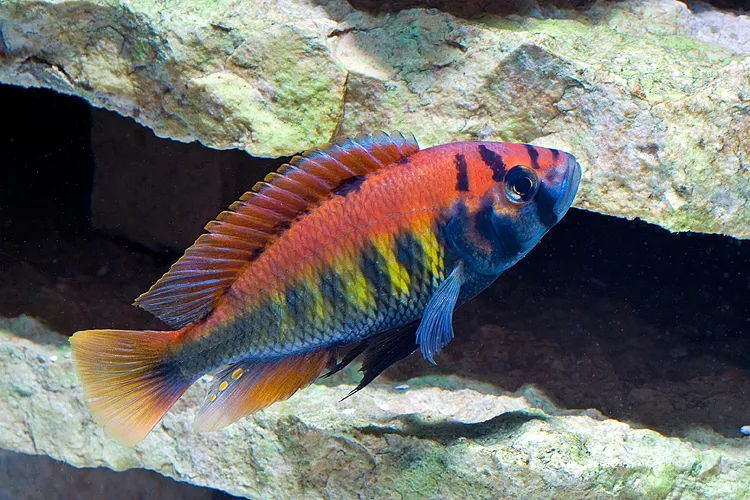
Flameback cichlid
Pundamilia nyererei
Freshwater3.5 in (9 cm) · 42 gal (160 L)73–81°F (23–27°C)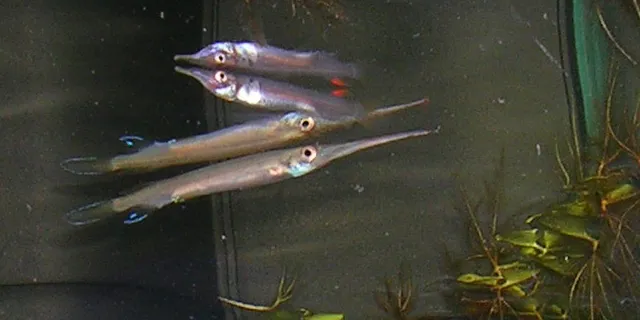
Forest halfbeak
Hemirhamphodon pogonognathus
Freshwater3.5 in (9 cm) · 34 gal (130 L)75–82°F (24–28°C)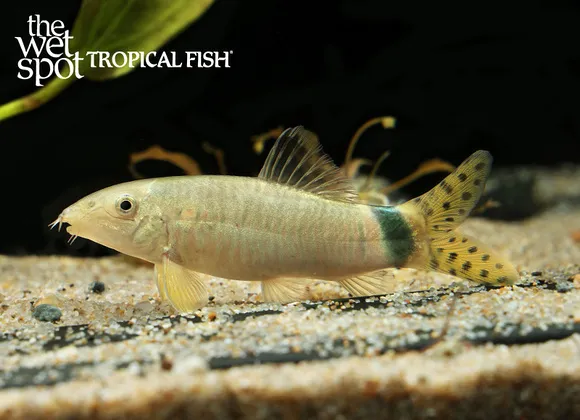
Splendid loach
Yasuhikotakia splendida
Freshwater4.7 in (12 cm) · 42 gal (160 L)73–82°F (23–28°C)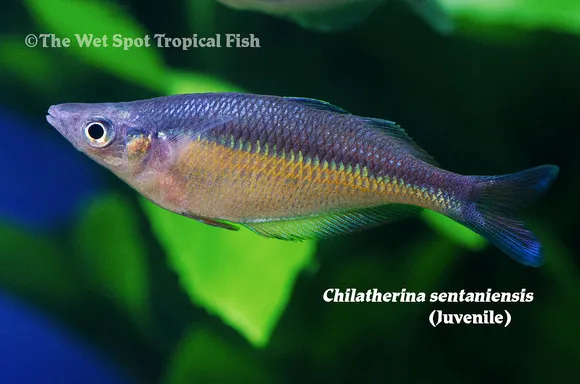
Sentani rainbowfish
Chilatherina sentaniensis
Freshwater4.5 in (11.5 cm) · 42 gal (160 L)77–86°F (25–30°C)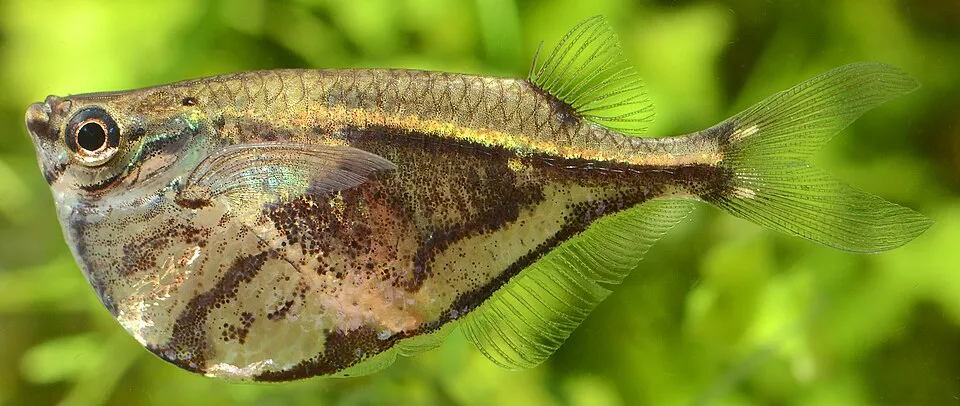
Marbled hatchetfish
Carnegiella strigata
Freshwater1.6 in (4 cm) · 32 gal (120 L)68–82°F (20–28°C)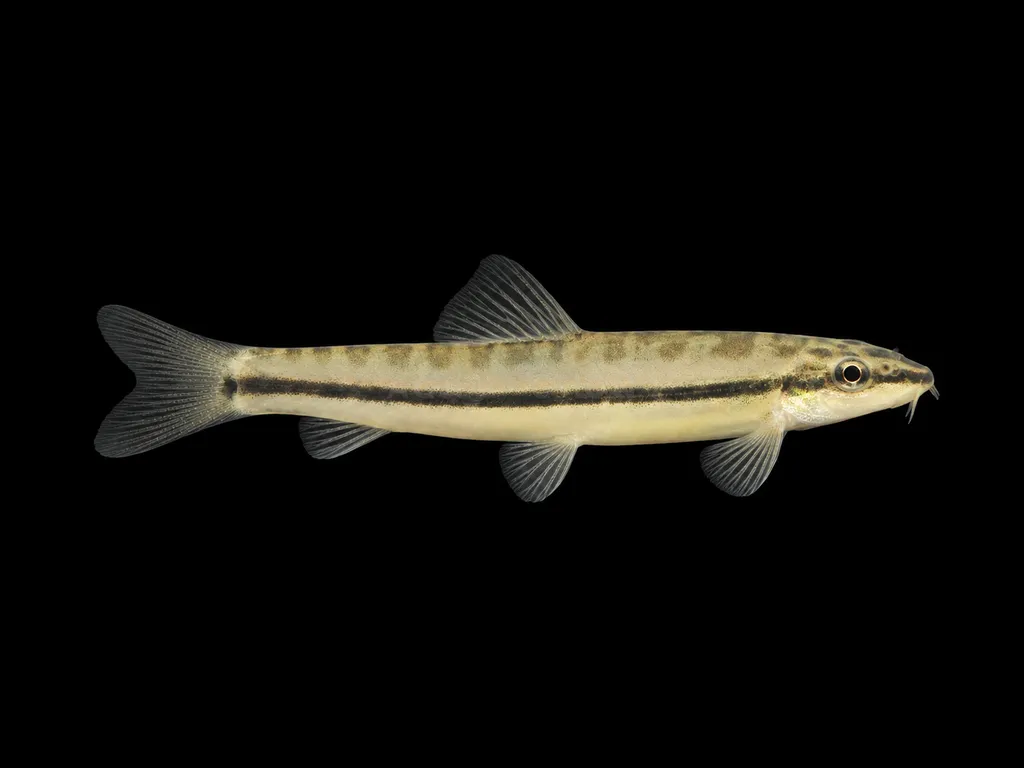
Longstripe loach
Nemacheilus longistriatus
Freshwater5.9 in (15 cm) · 42 gal (160 L)72–81°F (22–27°C)
Common questions
What size tank does a tiny spot pleco need?
A tiny spot pleco needs at least 42 gal (160 L). It spends most of its time in the bottom.
What temperature and pH does a tiny spot pleco need?
A tiny spot pleco is comfortable at 79–86°F (26–30°C) with a pH of 5.5–7.2.
What does a tiny spot pleco eat?
A tiny spot pleco eats meaty sinking foods, such as frozen bloodworm, chopped prawn and carnivore pellets. It is no algae grazer, so treat vegetables as a side note.
How big does a tiny spot pleco get?
An adult tiny spot pleco reaches about 3.9 in (10 cm).
How does a tiny spot pleco breed?
The tiny spot pleco is a cave spawner, and the male guards the eggs until the young emerge. Breeding it is of moderate difficulty.
Related species
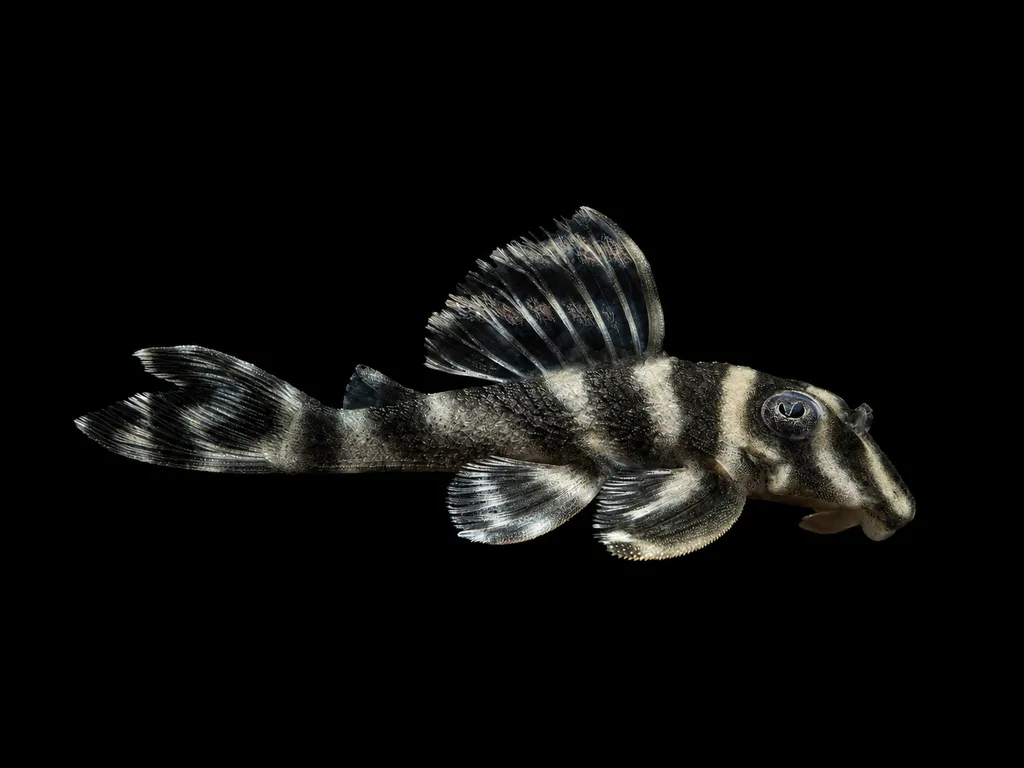 3.9 in (10 cm)42 gal (160 L)79–86°F (26–30°C)
Bandit pleco
Hypancistrus furunculus
3.9 in (10 cm) · 42 gal (160 L)
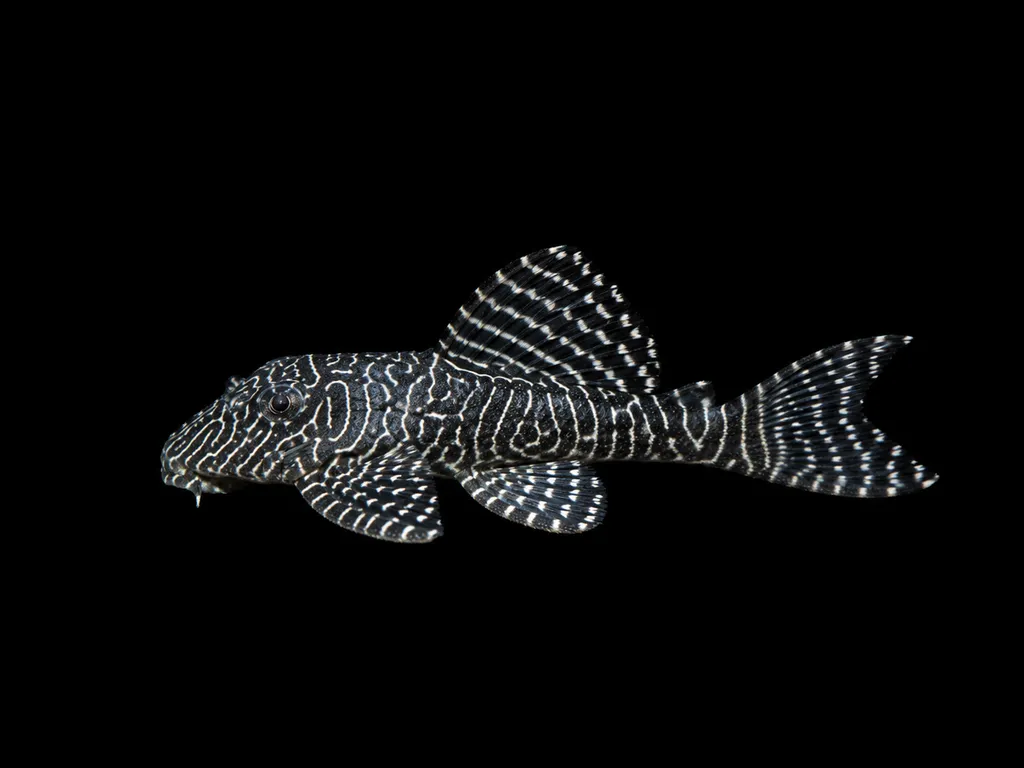 3.9 in (10 cm)20 gal (75 L)79–86°F (26–30°C)
Queen arabesque pleco (L260)
Hypancistrus sp. L260
3.9 in (10 cm) · 20 gal (75 L)
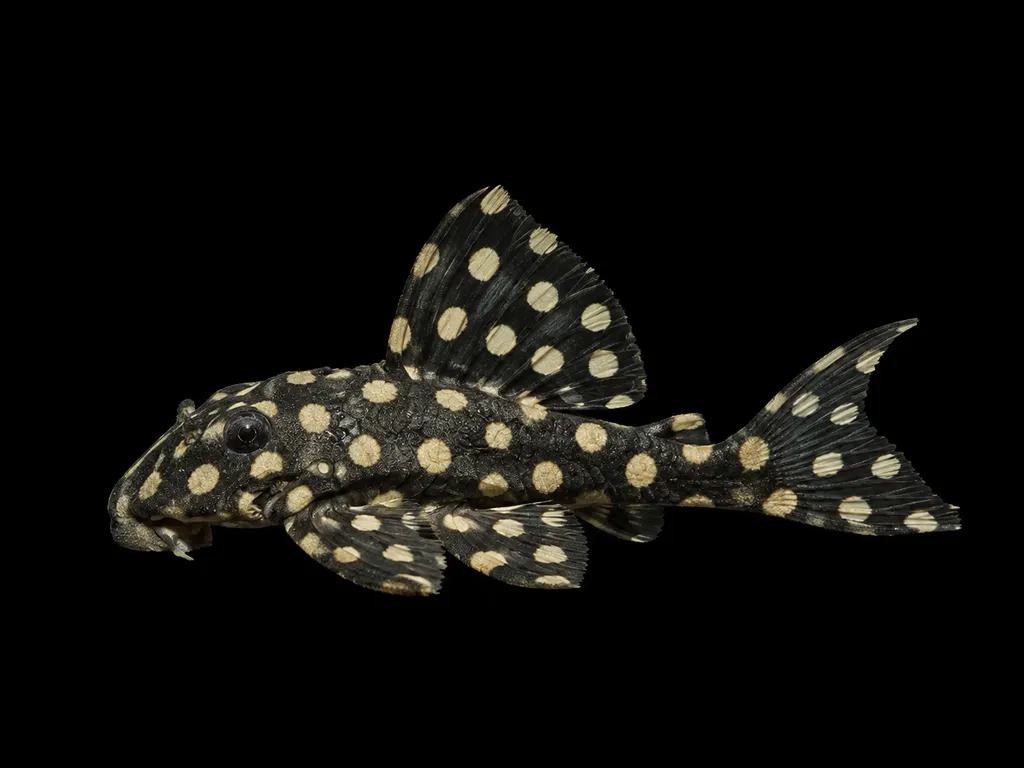 4.7 in (12 cm)42 gal (160 L)79–86°F (26–30°C)
Orinoco polka-dot pleco
Hypancistrus contradens
4.7 in (12 cm) · 42 gal (160 L)
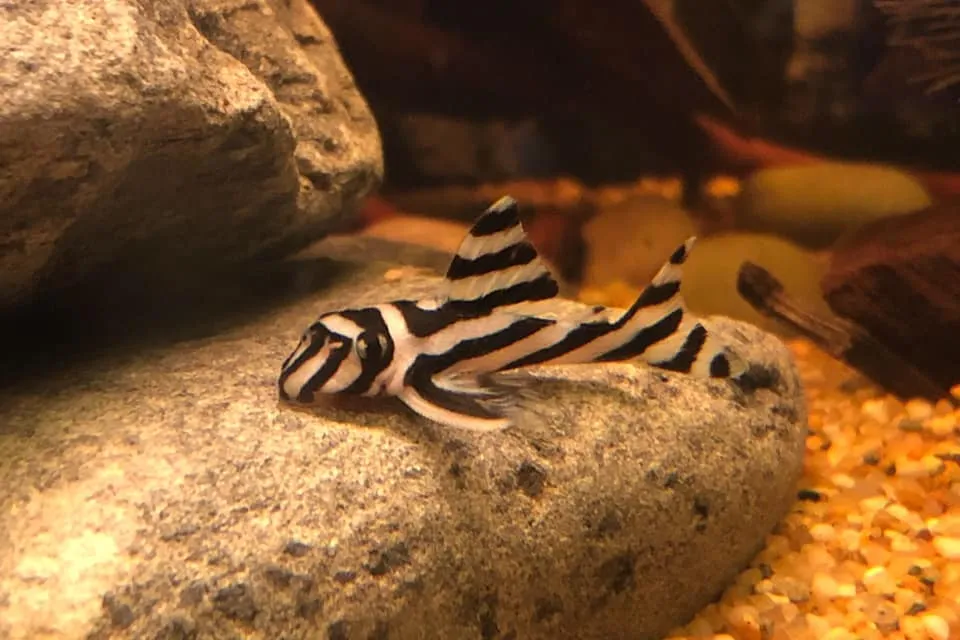 3.1 in (8 cm)15 gal (55 L)79–86°F (26–30°C)
Zebra pleco
Hypancistrus zebra
3.1 in (8 cm) · 15 gal (55 L)
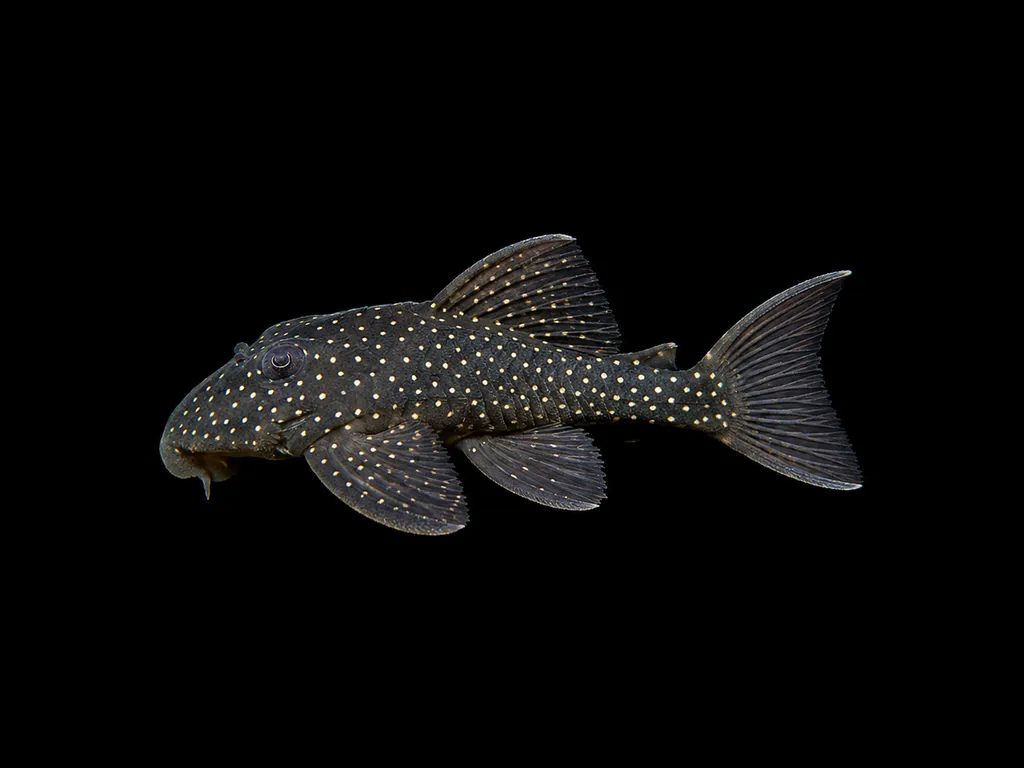 2.4 in (6 cm)42 gal (160 L)79–86°F (26–30°C)
Pearl-spotted angel pleco
Hypancistrus margaritatus
2.4 in (6 cm) · 42 gal (160 L)
 3.5 in (9 cm)20 gal (75 L)79–86°F (26–30°C)
Colombian zebra pleco (L129)
Hypancistrus debilittera
3.5 in (9 cm) · 20 gal (75 L)