Banjo catfish
Bunocephalus coracoideus
FreshwaterFish
Care at a glance
- Temperature
- 72–81°F
- 22–27°C
- pH
- 6.0–7.5
- Adult size
- 5.9 in
- 15 cm
- Minimum tank
- 25 gal
- 95 L
- Temperament
- Peaceful
- Social behavior
- Social
- Tankmates
- With caution
- Swim level
- Bottom
- Difficulty
- Easy
- Breeding
- No record
- Rarity
- Rare
- Family
- Aspredinidae
- Origin
- Bolivia, Peru, Brazil
Overview
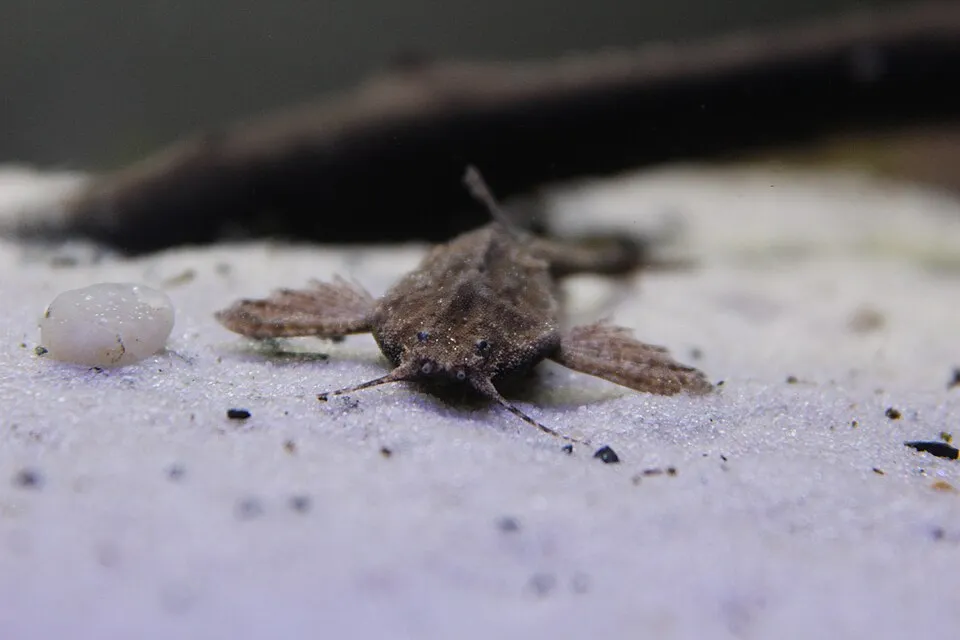
The banjo catfish is a shy, slow-moving bottom fish that spends the day half buried in sand or tucked under leaf litter. It is peaceful and completely harmless to tankmates, so it settles well into a calm community of tetras, rasboras, or dwarf cichlids. Keep a small group, since they are gregarious and often pile into the same hiding spot. Give them fine sand they can bury into and feed after the lights go down, offering sinking pellets, frozen bloodworms, and other small meaty foods they find by scent. Aim for a tank around 95 liters or larger with plenty of shade.
In the wild
Banjo catfish live in slow, tea-colored streams and flooded forest margins across the western Amazon in Bolivia, Peru, and Brazil, where they lie motionless among sunken leaves and soft silt. The water is warm and gently acidic, so keep them between 22 and 27 degrees C with a pH from 6.0 to 7.5. Recreate the habitat with a soft sand bed, a layer of dried leaves, driftwood, and dim lighting. Slow flow and stable, clean water suit them best, and floating plants help take the edge off bright lights.
Good to know
Bunocephalus coracoideus belongs to Aspredinidae, the banjo catfishes, named for the broad flattened head and slim tail that together suggest the shape of a banjo. It reaches around 15 centimeters and is covered in rows of tubercles rather than smooth skin, with tiny eyes and sensory barbels for finding food in the dark. It is an egg-scatterer that has been bred in aquaria, spreading many eggs across the substrate and giving no parental care.
Did you know
The banjo catfish is often reported to shed its outer skin periodically in a single piece, which may help keep it clean while it sits buried in silt for hours at a time. Its lumpy body and drab color make it nearly invisible against a leaf-strewn bottom.
Common questions
What size tank does a Banjo catfish need?
A Banjo catfish needs at least 25 gal (95 L). It spends most of its time in the bottom.
What temperature and pH does a Banjo catfish need?
A Banjo catfish is comfortable at 72–81°F (22–27°C) with a pH of 6.0–7.5.
How big does a Banjo catfish get?
An adult Banjo catfish reaches about 5.9 in (15 cm).
Related species
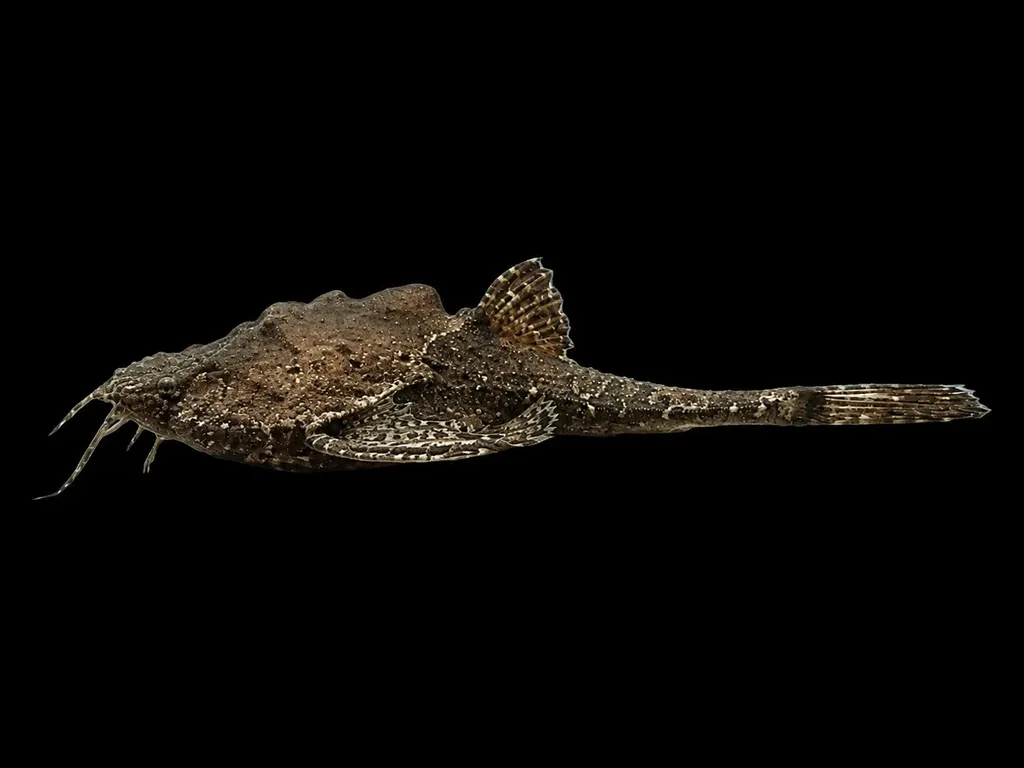 3.9 in (10 cm)21 gal (80 L)73–82°F (23–28°C)
Craggy-head banjo catfish
Bunocephalus verrucosus
3.9 in (10 cm) · 21 gal (80 L)
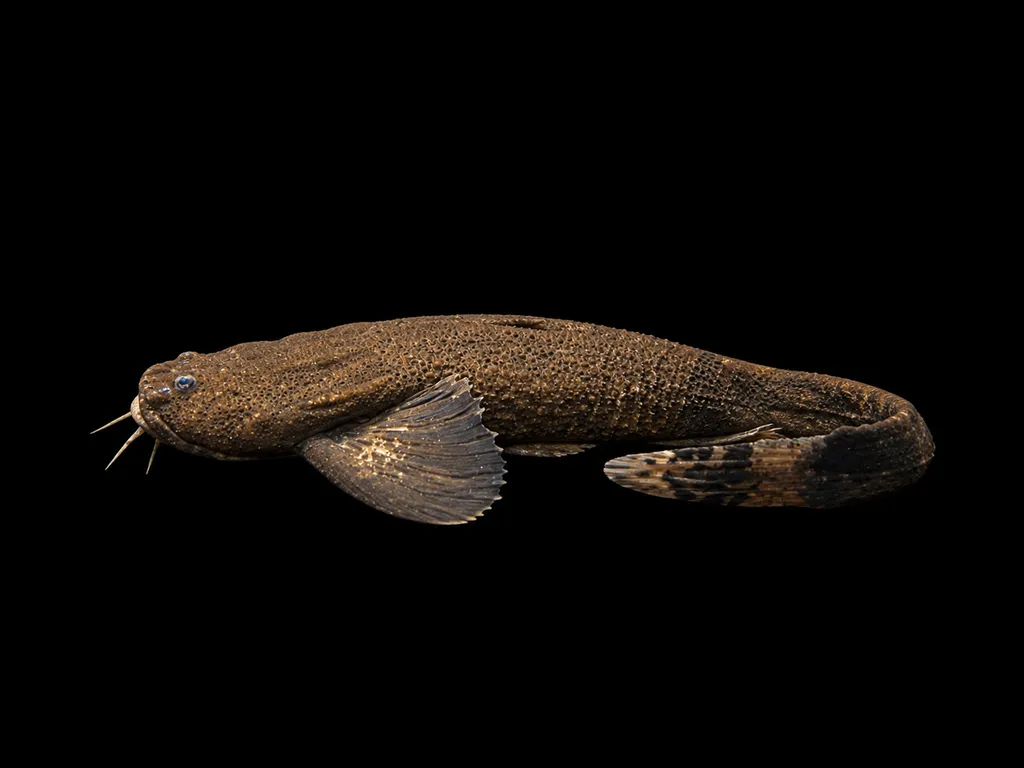 5.1 in (13 cm)30 gal (112 L)73–82°F (23–28°C)
Two-ray banjo catfish
Amaralia hypsiura
5.1 in (13 cm) · 30 gal (112 L)
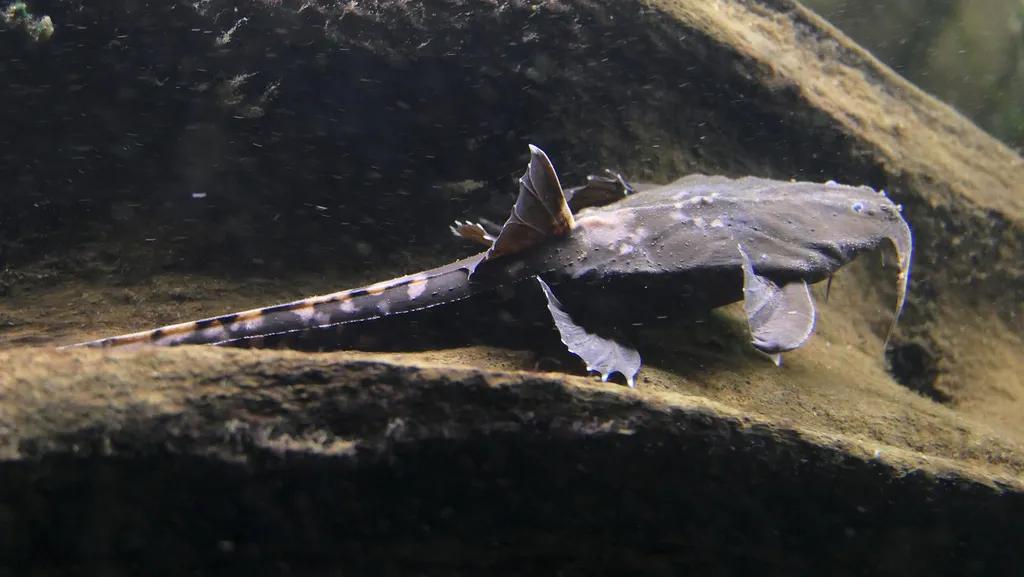 12.6 in (32 cm)53 gal (200 L)73–82°F (23–28°C)
Whiptail banjo catfish
Platystacus cotylephorus
12.6 in (32 cm) · 53 gal (200 L)
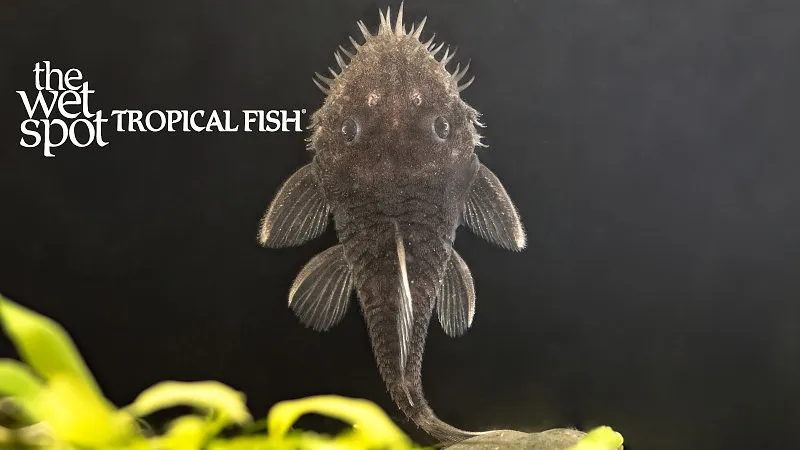 5.9 in (15 cm)40 gal (150 L)79–86°F (26–30°C)
Medusa pleco (L034)
Ancistrus ranunculus
5.9 in (15 cm) · 40 gal (150 L)
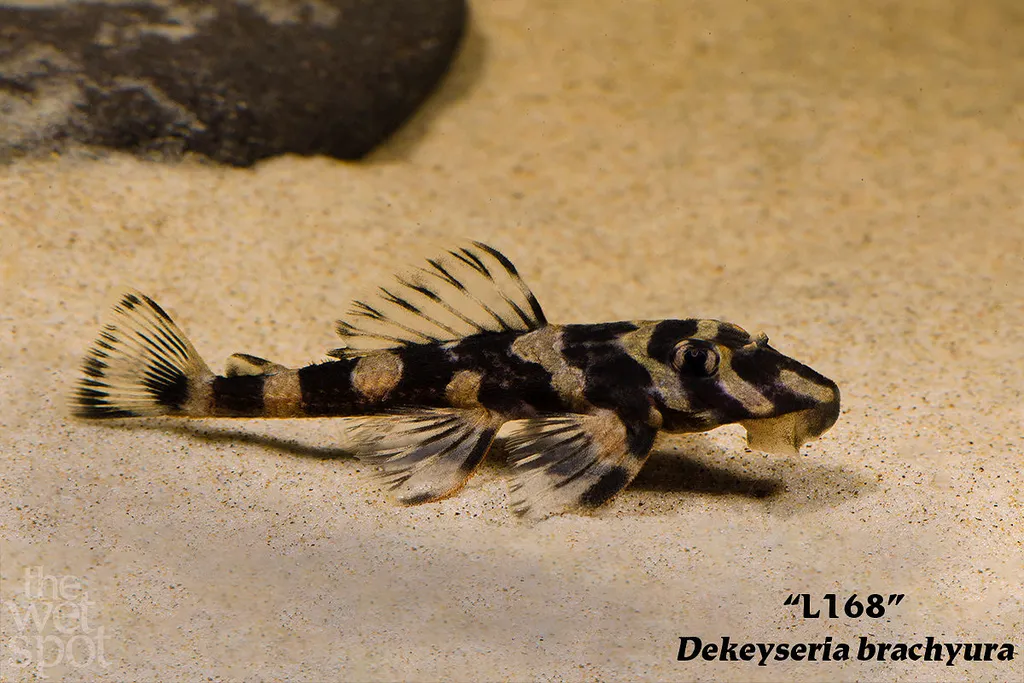 5.5 in (14 cm)40 gal (150 L)77–84°F (25–29°C)
Butterfly pleco (L168)
Dekeyseria brachyura
5.5 in (14 cm) · 40 gal (150 L)
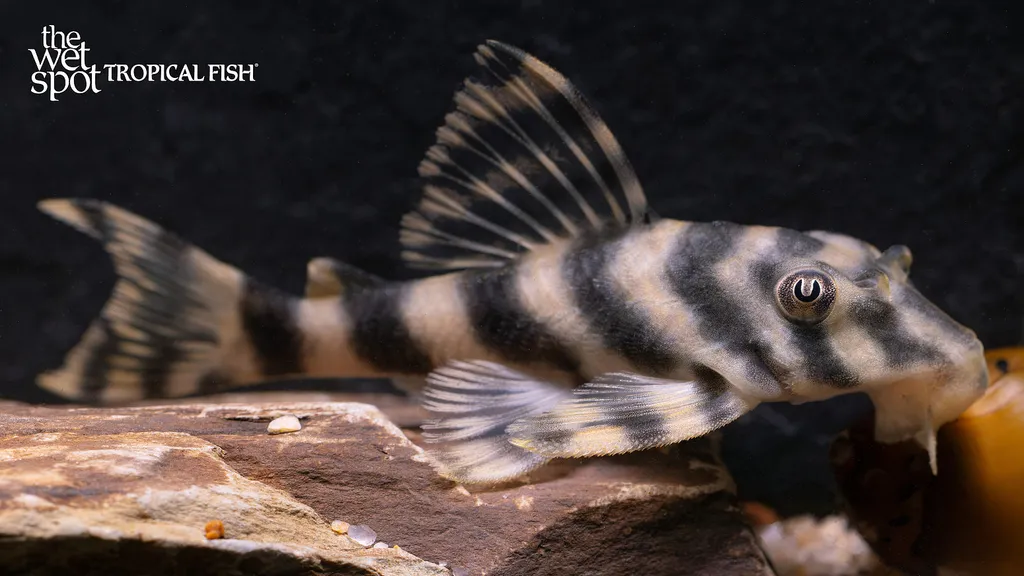 4.7 in (12 cm)30 gal (115 L)77–84°F (25–29°C)
Candy striped pleco (L015)
Peckoltia vittata
4.7 in (12 cm) · 30 gal (115 L)