Honeycomb loach
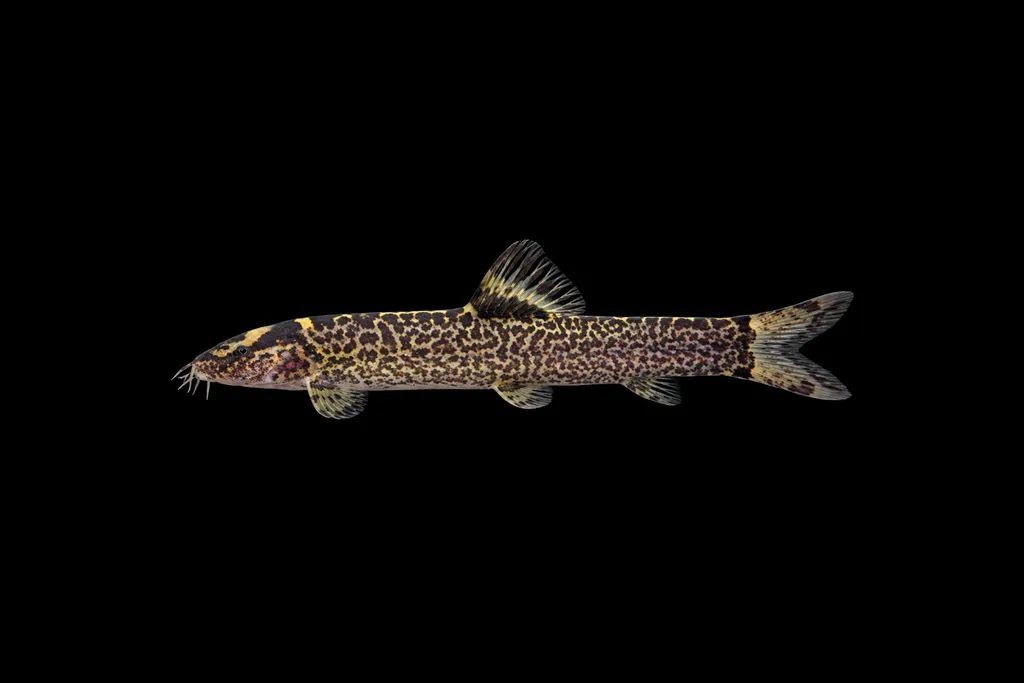
Leptobotia taeniops
Also known as Honeycomb botia
FreshwaterFish
Care at a glance
- Temperature
- 64–79°F
- 18–26°C
- pH
- 6.0–7.5
- Adult size
- 9.1 in
- 23 cm
- Minimum tank
- 106 gal
- 400 L
- Temperament
- Mostly peaceful
- Social behavior
- Social
- Tankmates
- With caution
- Swim level
- Bottom
- Difficulty
- Medium
- Breeding
- No record
- Rarity
- Rare
- Family
- Botiidae
- Origin
- Yangtze basin, China
Overview
The Honeycomb loach is a big, active bottom dweller for a large, cool tank, and it fares best among its own kind. It is not a beginner's fish, but it is not a hard one either.
Did you know
The Honeycomb loach is sometimes sold as the purple imperial loach. That name nods to the plum sheen a healthy adult can take on over its fine markings.
Caring for the honeycomb loach
Honeycomb loaches need a mature, well-filtered tank of 106 gal (400 L) or more. Lay a sand or gravel bed, with water-worn boulders and driftwood for shade and cover. Give them a strong, oxygen-rich current.
This subtropical loach is comfortable at 64 to 79°F (18 to 26°C) and a pH of 6.0 to 7.5. Keep the water clean and low in nitrate.
Offer meaty frozen foods such as bloodworm, white mosquito larvae and Mysis. Add sinking pellets and wafers once it settles in.
Keep three at the very least, and ideally five or more, which spreads out their assertive pecking order. A Honeycomb loach is mostly peaceful with fish it cannot bully but hard on anything small. Choose robust, cool-tolerant midwater tank mates, and never tiny shrimp or delicate long-finned fish.
Move it in a jar rather than a net. There is no aquarium breeding record, and traded fish come from the wild.
Good to know
Leptobotia taeniops is a botiid, also sold as the honeycomb botia. Its flanks break into a fine netted or honeycomb pattern, which gives it the common name. Like others in its genus it has concealed, erectile spines beneath each eye that can snag a net or nick skin. Dams and pollution have made it scarcer in the wild.
In the wild
The Honeycomb loach is endemic to the middle and upper Yangtze basin in China, concentrated around Hunan and Dongting Lake. It works the margins of large, cool, fast rivers.
Common questions
What size tank does a honeycomb loach need?
A honeycomb loach needs at least 106 gal (400 L). It spends most of its time in the bottom.
What temperature and pH does a honeycomb loach need?
A honeycomb loach is comfortable at 64–79°F (18–26°C) with a pH of 6.0–7.5.
What does a honeycomb loach eat?
A Honeycomb loach eats meaty frozen foods such as bloodworm, white mosquito larvae and Mysis. Once it settles, it takes sinking pellets and wafers too.
How big does a honeycomb loach get?
An adult honeycomb loach reaches about 9.1 in (23 cm).
How does a honeycomb loach breed?
The Honeycomb loach has no record of breeding in an aquarium. The fish in the trade come from the wild.
Related species
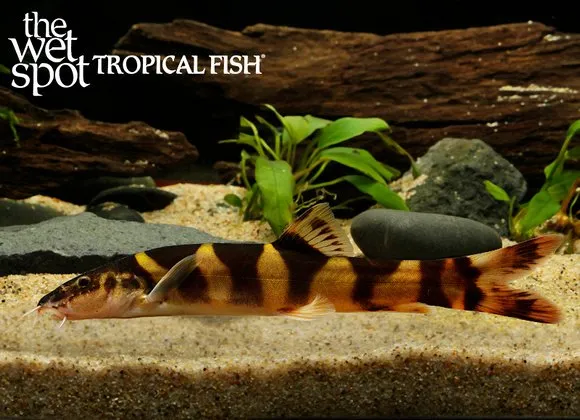 8.7 in (22 cm)106 gal (400 L)64–79°F (18–26°C)
Pellegrin's loach
Leptobotia pellegrini
8.7 in (22 cm) · 106 gal (400 L)
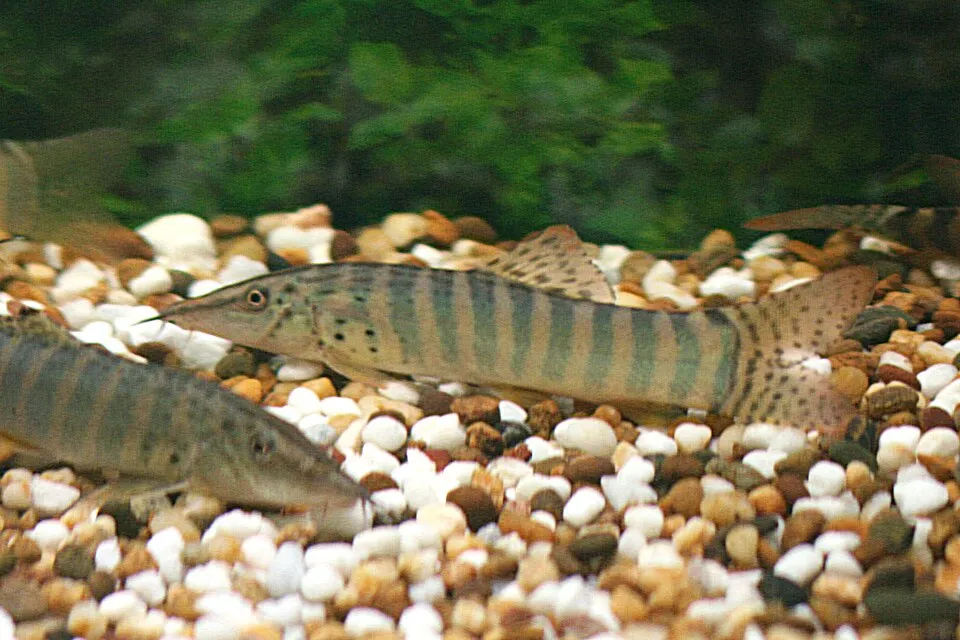 9.4 in (24 cm)50 gal (190 L)70–79°F (21–26°C)
Redfin tiger loach
Syncrossus berdmorei
9.4 in (24 cm) · 50 gal (190 L)
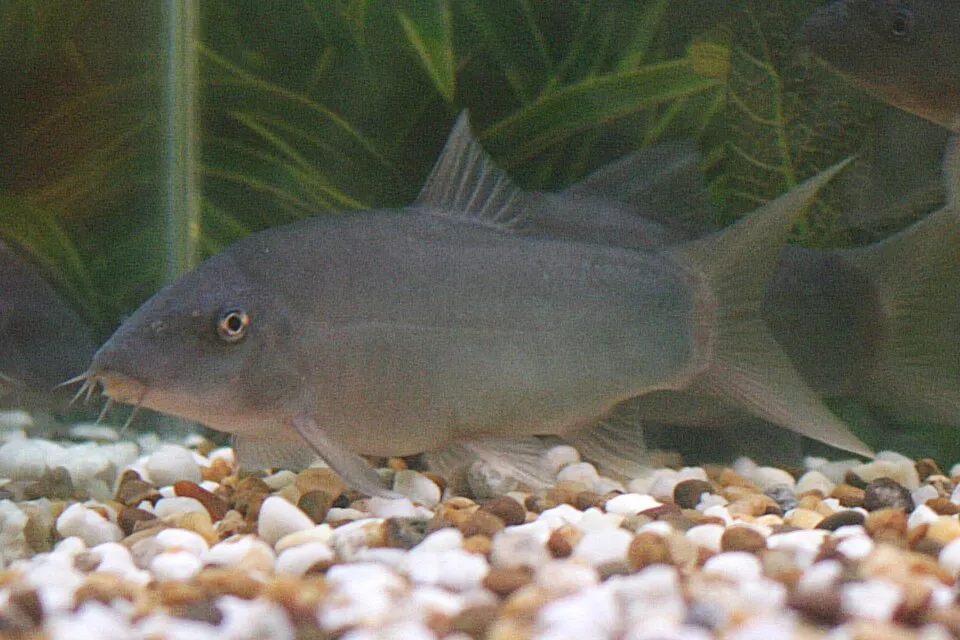 9.8 in (25 cm)75 gal (285 L)73–82°F (23–28°C)
Redtail loach
Yasuhikotakia modesta
9.8 in (25 cm) · 75 gal (285 L)
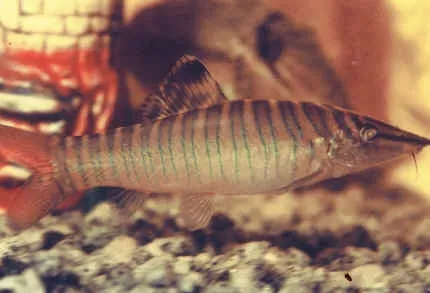 8.3 in (21 cm)40 gal (150 L)77–86°F (25–30°C)
Green tiger loach
Syncrossus hymenophysa
8.3 in (21 cm) · 40 gal (150 L)
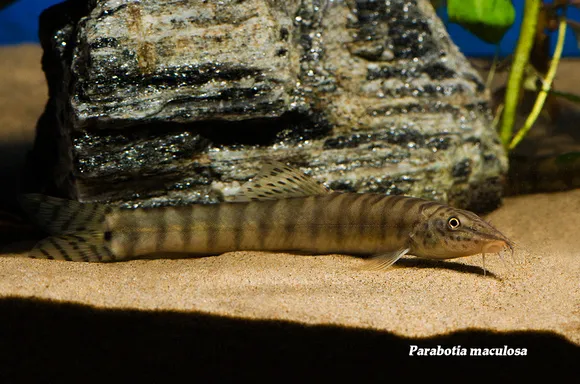 7.9 in (20 cm)70 gal (265 L)64–79°F (18–26°C)
Chinese emperor loach
Parabotia maculosus
7.9 in (20 cm) · 70 gal (265 L)
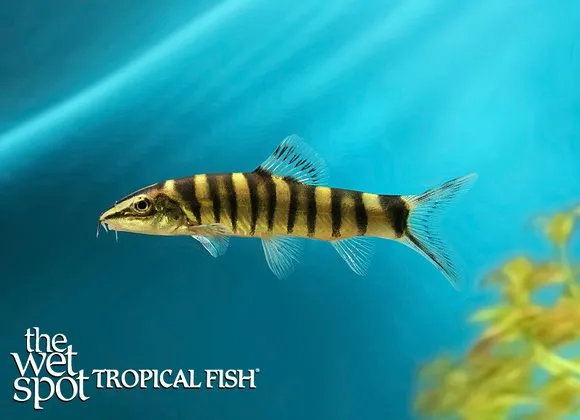 7.1 in (18 cm)53 gal (200 L)64–79°F (18–26°C)
Chinese tiger loach
Sinibotia robusta
7.1 in (18 cm) · 53 gal (200 L)