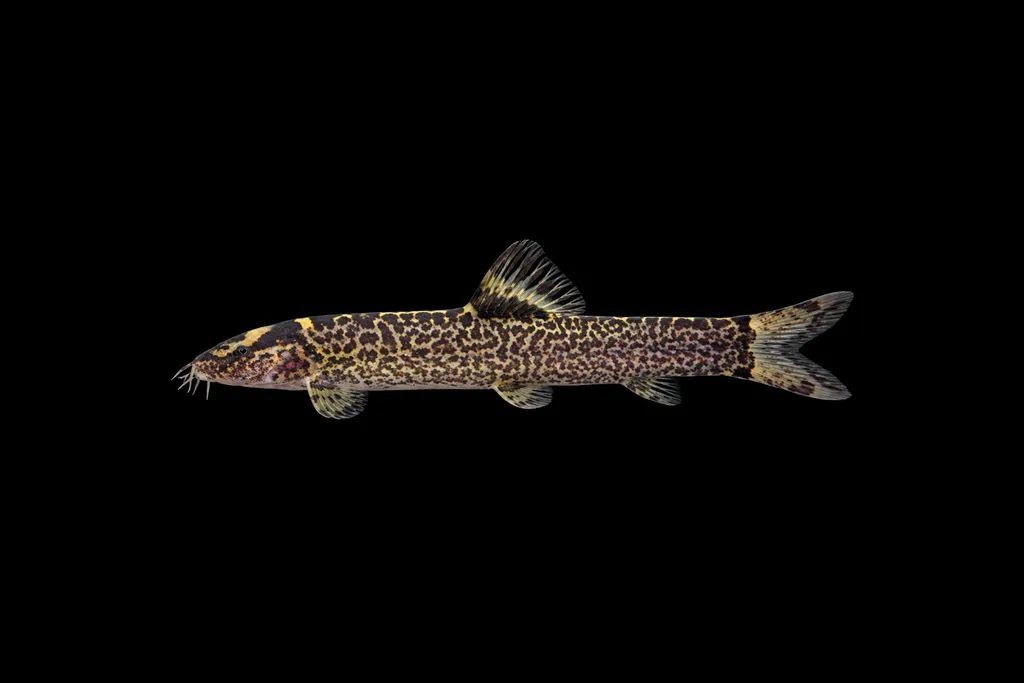
Chinese emperor loach
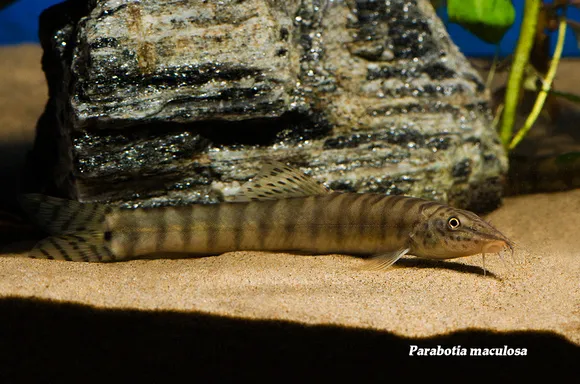
Parabotia maculosus
Also known as Parabotia maculosa, Spotted parabotia
FreshwaterFish
Care at a glance
- Temperature
- 64–79°F
- 18–26°C
- pH
- 6.0–7.5
- Adult size
- 7.9 in
- 20 cm
- Minimum tank
- 70 gal
- 265 L
- Temperament
- Mostly peaceful
- Social behavior
- Social
- Tankmates
- With caution
- Swim level
- Bottom
- Difficulty
- Medium
- Breeding
- No record
- Rarity
- Rare
- Family
- Botiidae
- Origin
- Yangtze and Pearl river systems, China
Overview
The Chinese emperor loach is a lively, subtropical botiid that lives on the bottom and does best with its own kind. It is best with a little experience.
Did you know
The emperor in the Chinese emperor loach's name is trade flattery. A settled group really does parade around the tank in loose formation, though.
Caring for the Chinese emperor loach
Keep Chinese emperor loaches in a group of four to six or more, in 70 gal (265 L) or larger with room to cruise. A single fish turns withdrawn or starts picking on tank mates of a similar shape. Build caves and channels from smooth, rounded rocks and driftwood over a sand or fine gravel floor.
This subtropical loach suits an unheated or lightly heated room, at 64 to 79°F (18 to 26°C) and a pH of 6.0 to 7.5. Give it brisk, oxygen-rich flow from a strong filter. It resents stale water, so keep nitrate low with regular water changes.
It stays busy sifting the floor and rooting through cover. Feed sinking pellets, wafers, frozen bloodworm and brine shrimp, plus the odd snail. When you need to move it, use a container rather than a net.
The Chinese emperor loach is mostly peaceful but boisterous and fast. Choose sturdy, active midwater tank mates, and avoid slow or long-finned fish and anything small enough to bully. There is no aquarium breeding record, and imported fish are wild caught.
Good to know
Parabotia maculosus is one of the true botiid loaches in the family Botiidae, and it is also called the spotted parabotia. Its scientific name circulates in both the maculosus and maculosa spellings. Like its relatives it carries a sharp, movable spine below each eye that flicks out when the fish is stressed or netted. It is long-lived, often passing fifteen years in good care.
In the wild
The Chinese emperor loach ranges through the Yangtze and Pearl river systems of China. These subtropical waters run cooler than a typical tropical tank.
Common questions
What size tank does a Chinese emperor loach need?
A Chinese emperor loach needs at least 70 gal (265 L). It spends most of its time in the bottom.
What temperature and pH does a Chinese emperor loach need?
A Chinese emperor loach is comfortable at 64–79°F (18–26°C) with a pH of 6.0–7.5.
What does a Chinese emperor loach eat?
A Chinese emperor loach eats sinking pellets, wafers, frozen bloodworm and brine shrimp. It takes the odd snail as well.
How big does a Chinese emperor loach get?
An adult Chinese emperor loach reaches about 7.9 in (20 cm).
How does a Chinese emperor loach breed?
The Chinese emperor loach has no record of breeding in an aquarium. The fish that are imported are caught in the wild.
Related species
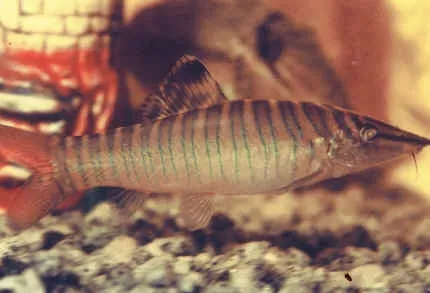 8.3 in (21 cm)40 gal (150 L)77–86°F (25–30°C)
Green tiger loach
Syncrossus hymenophysa
8.3 in (21 cm) · 40 gal (150 L)
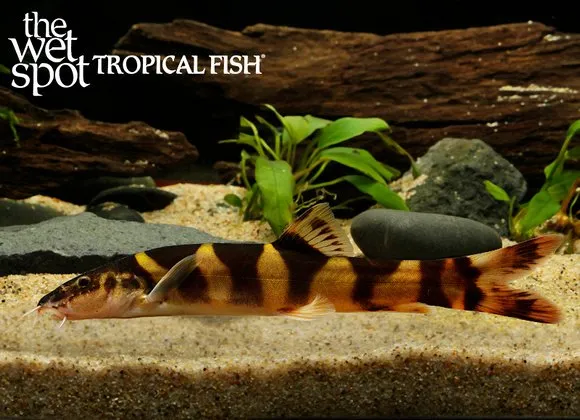 8.7 in (22 cm)106 gal (400 L)64–79°F (18–26°C)
Pellegrin's loach
Leptobotia pellegrini
8.7 in (22 cm) · 106 gal (400 L)
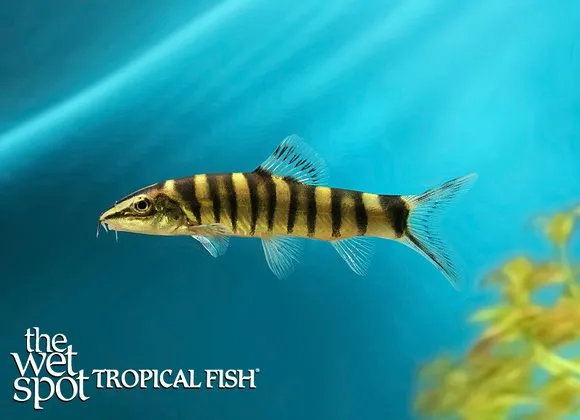 7.1 in (18 cm)53 gal (200 L)64–79°F (18–26°C)
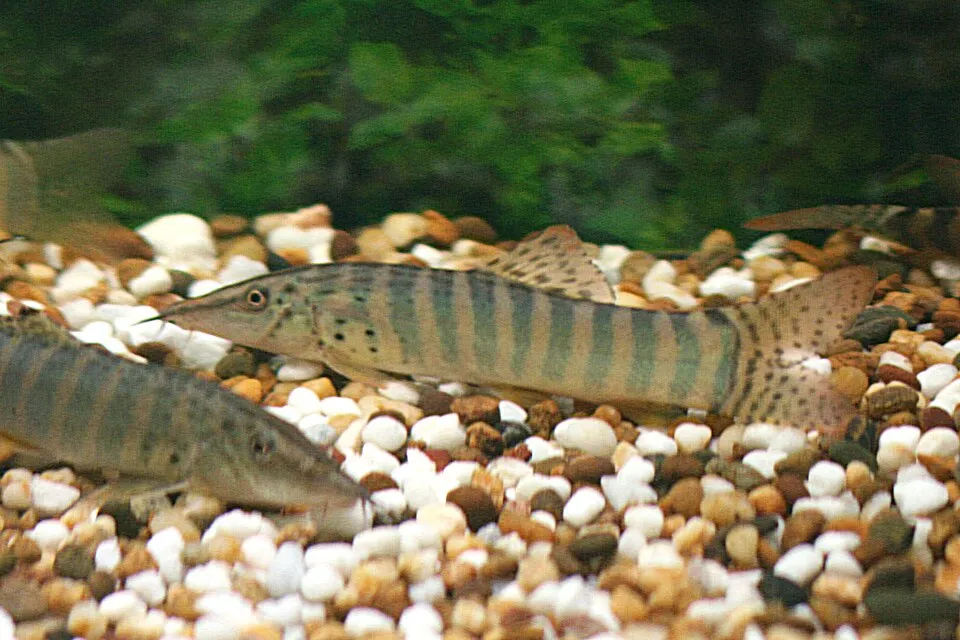
Chinese tiger loach
Sinibotia robusta
7.1 in (18 cm) · 53 gal (200 L)
 9.1 in (23 cm)106 gal (400 L)64–79°F (18–26°C)
Honeycomb loach
Leptobotia taeniops
9.1 in (23 cm) · 106 gal (400 L)
 9.4 in (24 cm)50 gal (190 L)70–79°F (21–26°C)
Redfin tiger loach
Syncrossus berdmorei
9.4 in (24 cm) · 50 gal (190 L)
 6.5 in (16.4 cm)53 gal (200 L)61–75°F (16–24°C)
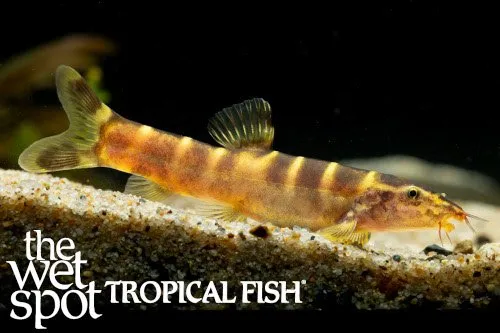
Yangtze golden loach
Sinibotia superciliaris
6.5 in (16.4 cm) · 53 gal (200 L)