Silverbelly loach
Nemacheilus argyrogaster
Also known as Silver-belly stone loach
FreshwaterFish
Care at a glance
- Temperature
- 72–79°F
- 22–26°C
- pH
- 6.5–7.5
- Adult size
- 3.1 in
- 8 cm
- Minimum tank
- 24 gal
- 90 L
- Temperament
- Mostly peaceful
- Social behavior
- Social
- Swim level
- Bottom
- Difficulty
- Medium
- Breeding
- No record
- Rarity
- Rare
- Family
- Nemacheilidae
- Origin
- Xe Kong drainage, southern Laos
Overview
The silverbelly loach is a peaceable stone loach for the floor of a warm tank with brisk flow. It is a step up from the easiest fish.
Did you know
The silverbelly loach's genus name appears in quotation marks in the paper that first described it. Even its describer was unsure where it belongs. This freshly named loach is still waiting for a settled place on the family tree.
Caring for the silverbelly loach
The silverbelly loach is new to science and newer to the hobby, so its keeper notes are still being written. Copy its wild stream closely, with a floor of rounded stone and gravel, some structure and moderate to strong current. Run strong filtration to keep the water clean, oxygen-rich and moving. A tank of 24 gal (90 L) or more suits a small group.
Keep the water warm, at 72 to 79°F (22 to 26°C) with a pH of 6.5 to 7.5. Feed sinking meaty foods such as frozen bloodworm and daphnia, along with sinking pellets, and check that they reach the bottom.
It is sociable and mostly peaceful, and it does fine alone or in a group. Keep a few together with calm midwater companions that suit warm, flowing water, and watch how the group behaves. There is no record of it breeding in an aquarium.
Good to know
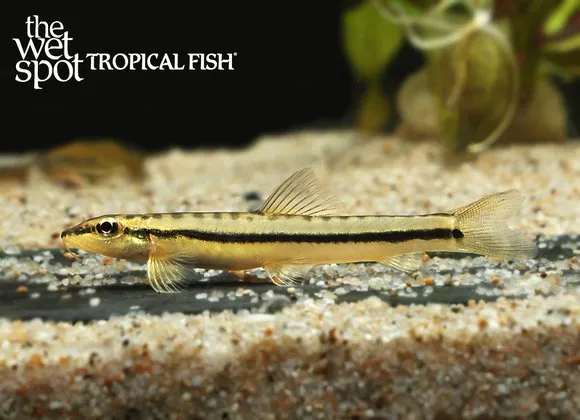
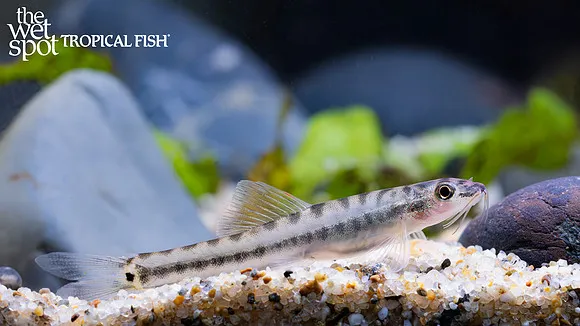
The silverbelly loach, Nemacheilus argyrogaster, is a member of the family Nemacheilidae that Maurice Kottelat described in 2021. Its name comes from Greek roots meaning silver belly, for its bright, silvery-white underside. A bold black stripe runs along its flank, with a row of thin saddles above it.
In the wild
The silverbelly loach was found in the Xe Kong system of southern Laos, a large tributary of the Mekong. It lives in moderate to fast water over pebble and stone.
Weekly picks
Tank mates
The silverbelly loach is a mostly peaceful, social species that keeps to the bottom. These picks share a community profile with it, are safe together in both directions, and overlap on water type, temperature and pH.
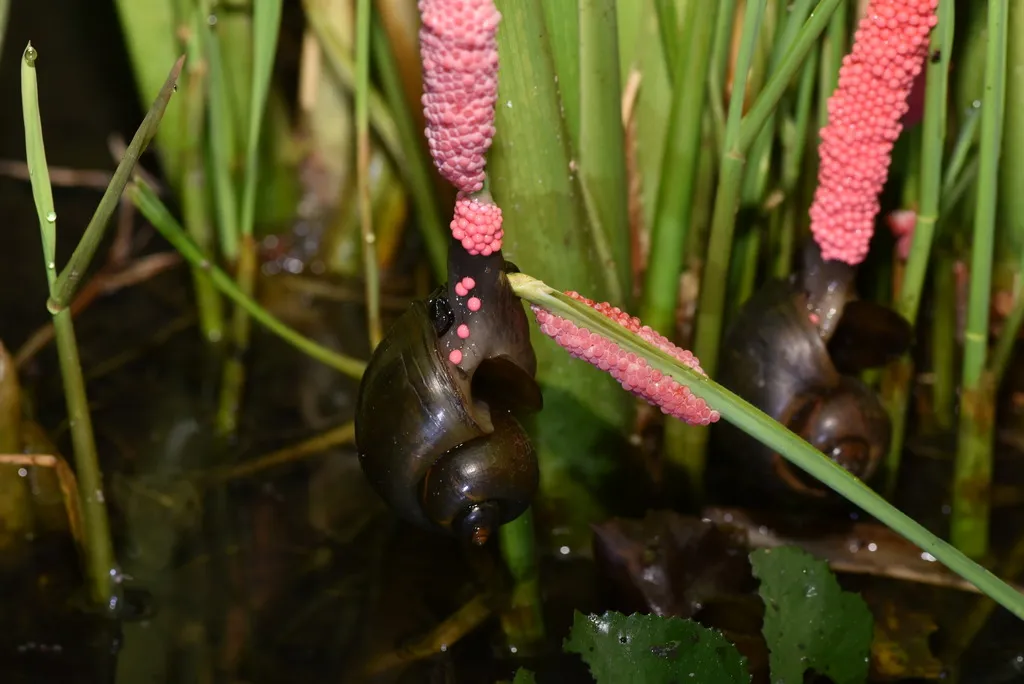
Apple snail
Pomacea canaliculata
Freshwater5.9 in (15 cm) · 21 gal (80 L)64–81°F (18–27°C)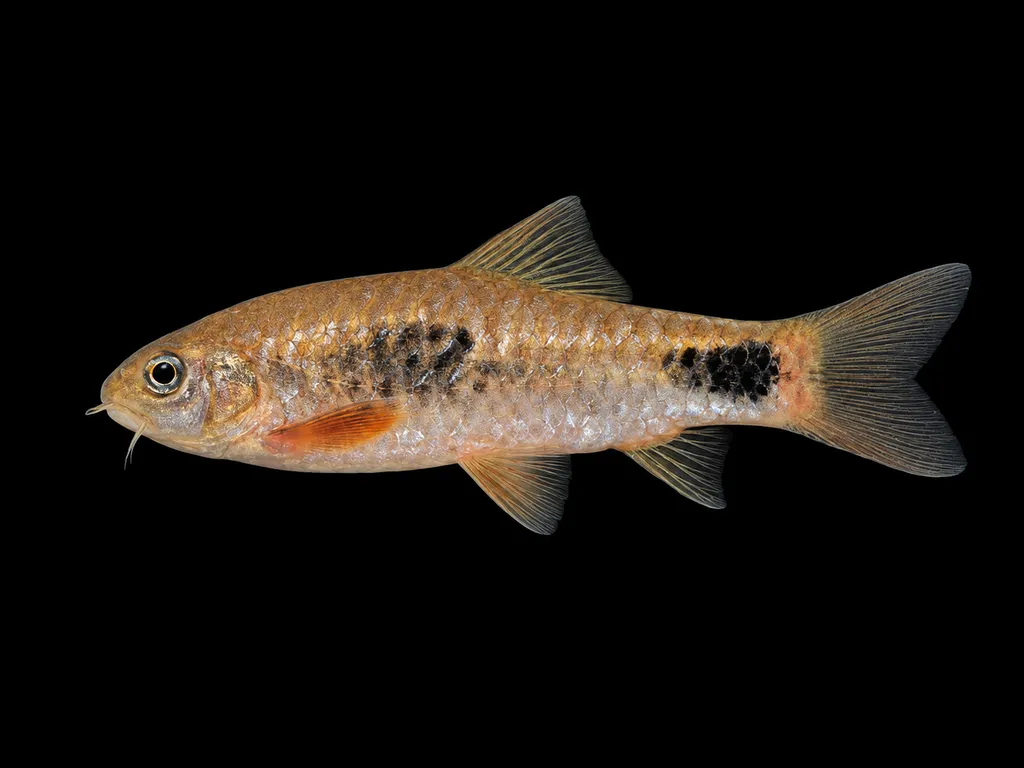
Cameroon barb
Enteromius camptacanthus
Freshwater3.9 in (10 cm) · 24 gal (90 L)72–81°F (22–27°C)
Wrestling halfbeak
Dermogenys pusilla
FreshwaterBrackish2.8 in (7 cm) · 25 gal (95 L)75–82°F (24–28°C)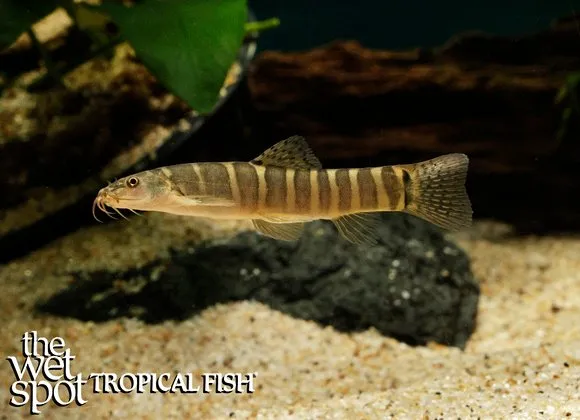
Koh Chang loach
Schistura kohchangensis
Freshwater3.5 in (9 cm) · 24 gal (90 L)72–81°F (22–27°C)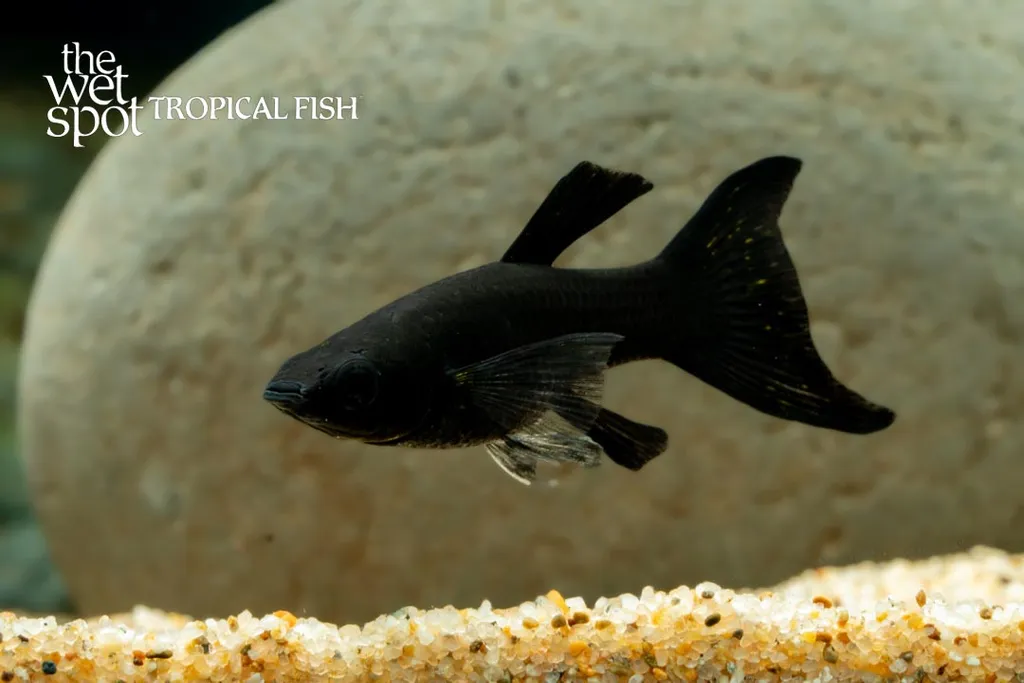
Black molly
Poecilia sphenops
FreshwaterBrackish4.7 in (12 cm) · 24 gal (90 L)70–82°F (21–28°C)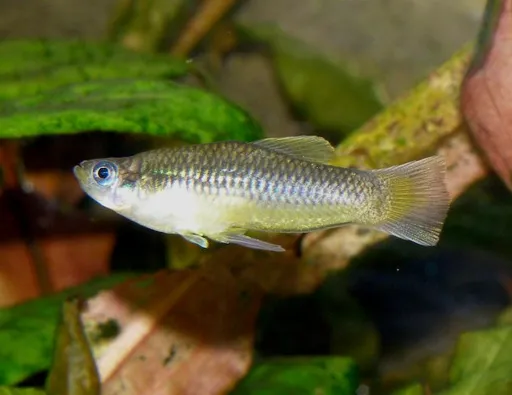
Blue-eyed livebearer
Priapella intermedia
Freshwater2.8 in (7 cm) · 24 gal (90 L)72–82°F (22–28°C)
Common questions
What size tank does a silverbelly loach need?
A silverbelly loach needs at least 24 gal (90 L). It spends most of its time in the bottom.
What temperature and pH does a silverbelly loach need?
A silverbelly loach is comfortable at 72–79°F (22–26°C) with a pH of 6.5–7.5.
What does a silverbelly loach eat?
A silverbelly loach eats sinking meaty foods such as frozen bloodworm and daphnia, along with sinking pellets. Make sure the food reaches the bottom.
How big does a silverbelly loach get?
An adult silverbelly loach reaches about 3.1 in (8 cm).
Related species
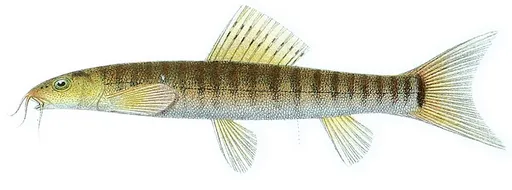 3.1 in (8 cm)24 gal (90 L)68–77°F (20–25°C)
Barred loach
Nemacheilus fasciatus
3.1 in (8 cm) · 24 gal (90 L)
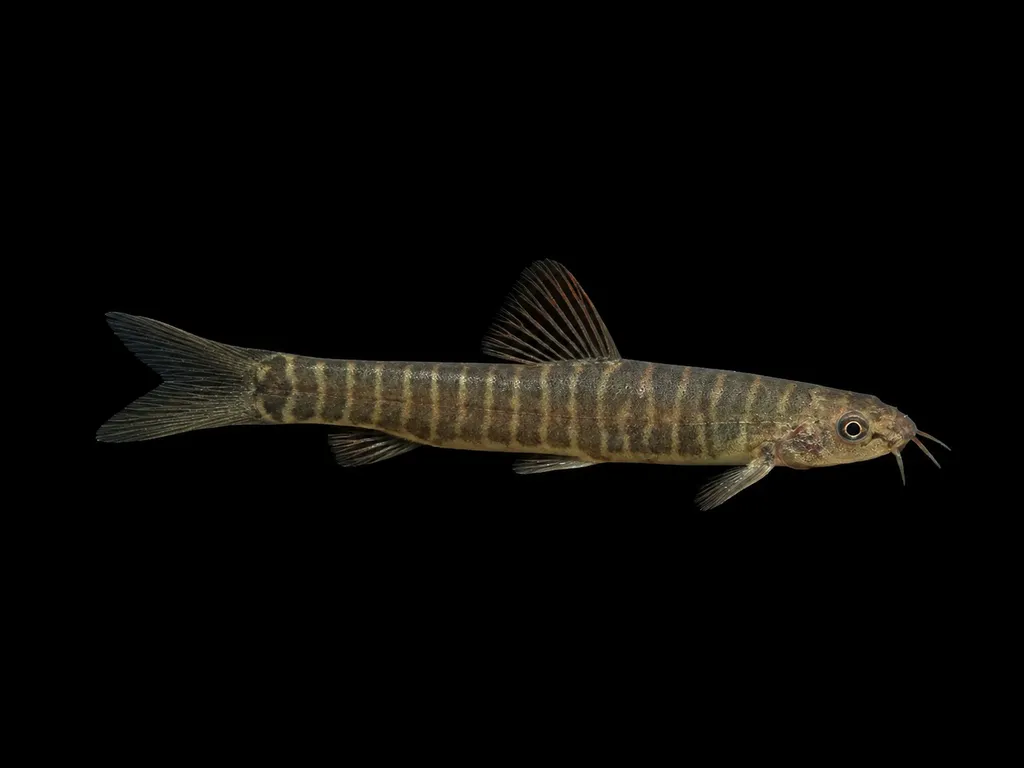 2.9 in (7.3 cm)24 gal (90 L)72–81°F (22–27°C)
Flathead loach
Nemacheilus platiceps
2.9 in (7.3 cm) · 24 gal (90 L)
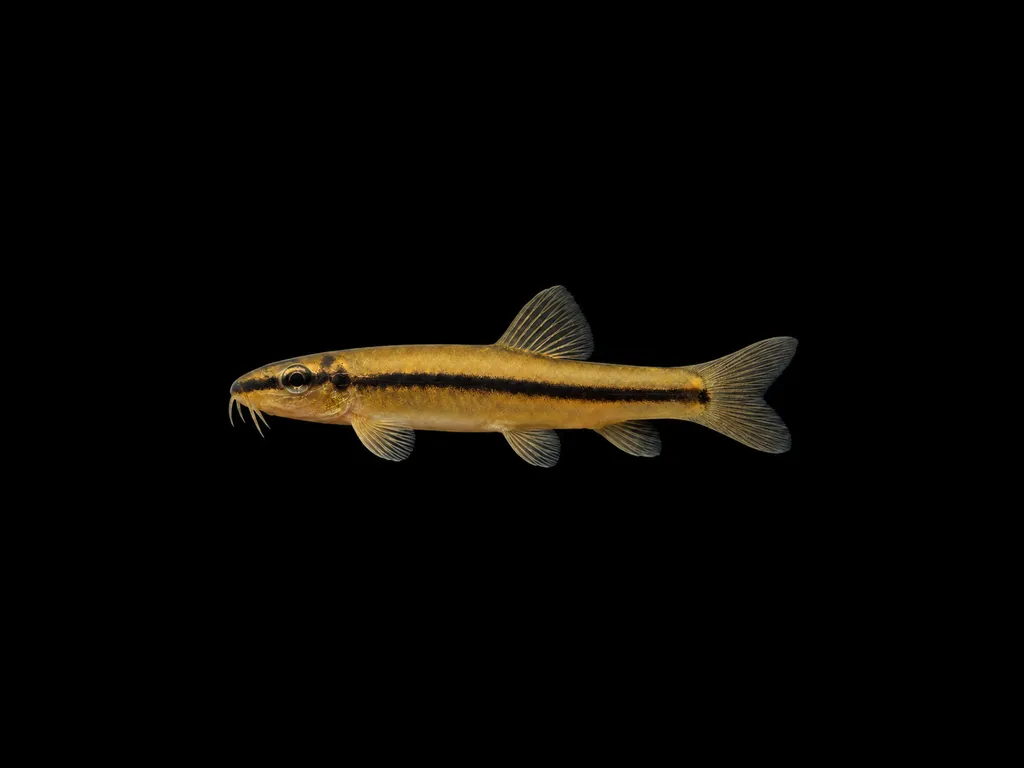 2.8 in (7 cm)24 gal (90 L)72–81°F (22–27°C)
Twin-spot loach
Nemacheilus binotatus
2.8 in (7 cm) · 24 gal (90 L)
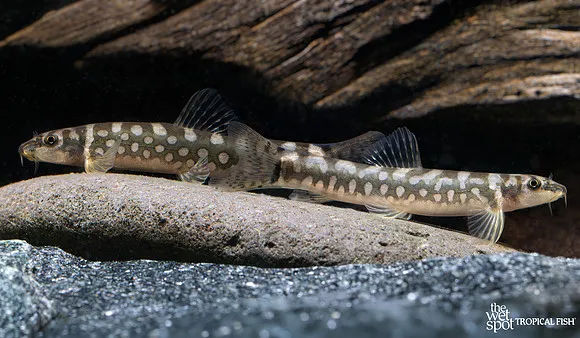 2.6 in (6.7 cm)20 gal (75 L)68–79°F (20–26°C)
Guenther's zipper loach
Nemacheilus guentheri
2.6 in (6.7 cm) · 20 gal (75 L)
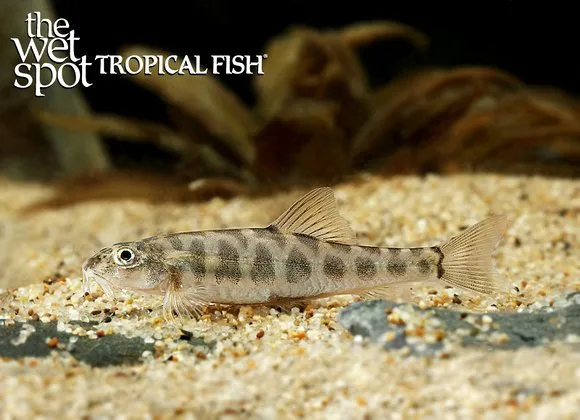 2 in (5 cm)20 gal (75 L)68–79°F (20–26°C)
Corica loach
Nemacheilus corica
2 in (5 cm) · 20 gal (75 L)
 2 in (5 cm)20 gal (75 L)72–79°F (22–26°C)
Ornate stone loach
Nemacheilus ornatus
2 in (5 cm) · 20 gal (75 L)