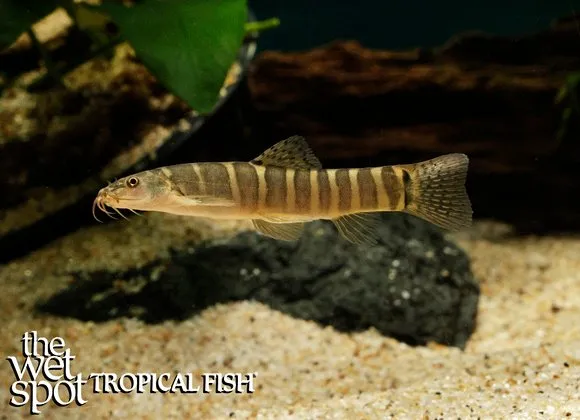
Koh Chang loach
Schistura kohchangensis
Also known as Koh Chang stone loach, Ornate tiger sand loach
FreshwaterFish
Care at a glance
- Temperature
- 72–81°F
- 22–27°C
- pH
- 6.5–7.5
- Adult size
- 3.5 in
- 9 cm
- Minimum tank
- 24 gal
- 90 L
- Temperament
- Mostly peaceful
- Social behavior
- Social
- Swim level
- Bottom
- Difficulty
- Medium
- Breeding
- No record
- Rarity
- Rare
- Family
- Nemacheilidae
- Origin
- Southeastern Thailand including Koh Chang island
Overview
The Koh Chang loach is a warmwater stone loach for the bottom of a tropical tank, unlike its coolwater Chinese relatives. It is a moderate challenge to keep.
Did you know
Koh Chang means Elephant Island in Thai, named for the shape of its hills. By a straight translation of its home, the Koh Chang loach is the elephant island loach.
Caring for the Koh Chang loach
House a small group of Koh Chang loaches in a tank of 24 gal (90 L) or more, warm and briskly filtered. Lay a floor of cobble, sand and stone, divided into territories, with rounded stones for cover. They patrol the bottom with the usual stone loach confidence.
Hold the temperature at 72 to 81°F (22 to 27°C), with a pH of 6.5 to 7.5. Give it real current, moderate to strong, and high oxygen. Warm, clean water suits it, so it settles into tropical setups more easily than the subtropical loaches.
Feed sinking meaty foods such as bloodworm, chopped prawn and pellets. The Koh Chang loach is mostly peaceful and fits readily into a tropical river community. A small group coexists with active barbs, danios and rainbowfish overhead. It has no recorded aquarium breeding.
Good to know
Hugh Smith described Schistura kohchangensis in 1933 from the island of Koh Chang. It belongs to the family Nemacheilidae and is sometimes sold as the ornate tiger sand loach. Island and coastal streams isolated it enough to warrant a name, a pattern seen across the genus wherever hills meet the coast.
In the wild
The Koh Chang loach comes from warm hill streams of southeastern Thailand, including the island of Koh Chang. There, clear water tumbles over rock toward the Gulf.
Weekly picks
Tank mates
The Koh Chang loach is a mostly peaceful, social species that keeps to the bottom. These picks share a community profile with it, are safe together in both directions, and overlap on water type, temperature and pH.
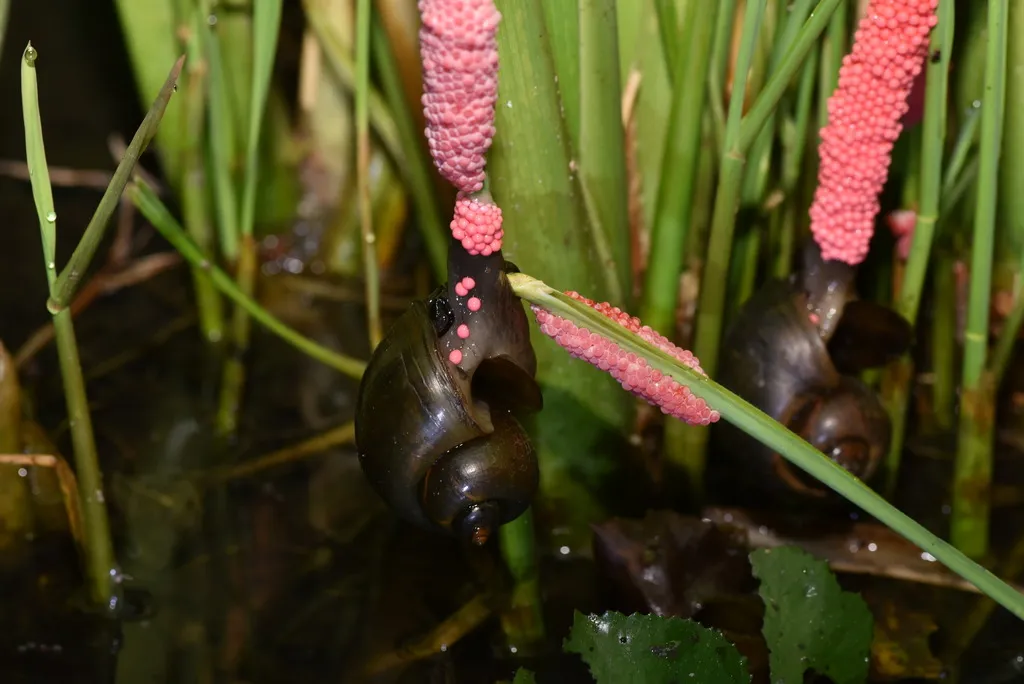
Apple snail
Pomacea canaliculata
Freshwater5.9 in (15 cm) · 21 gal (80 L)64–81°F (18–27°C)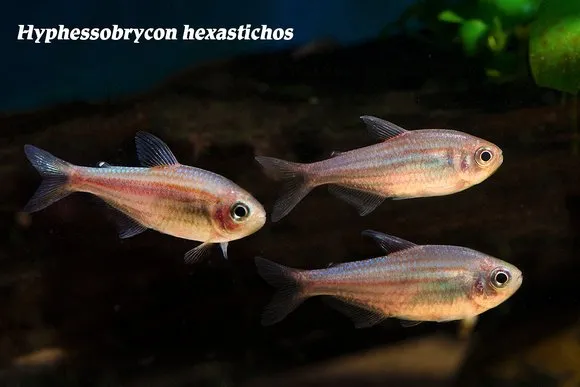
Hexastichos tetra
Hyphessobrycon hexastichos
Freshwater2.6 in (6.5 cm) · 24 gal (90 L)72–81°F (22–27°C)Siamese flying barb
Laubuka siamensis
Freshwater2.6 in (6.5 cm) · 24 gal (90 L)72–81°F (22–27°C)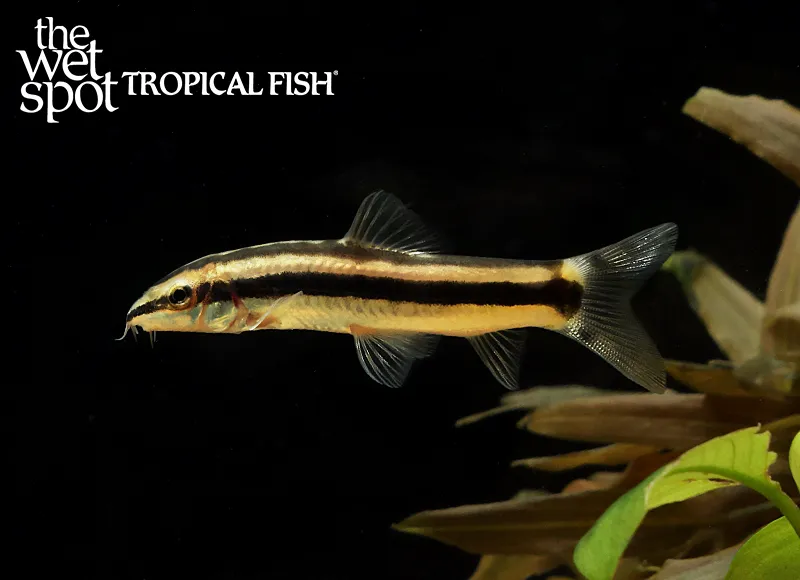
Black-lined loach
Ambastaia nigrolineata
Freshwater3.1 in (8 cm) · 24 gal (90 L)72–81°F (22–27°C)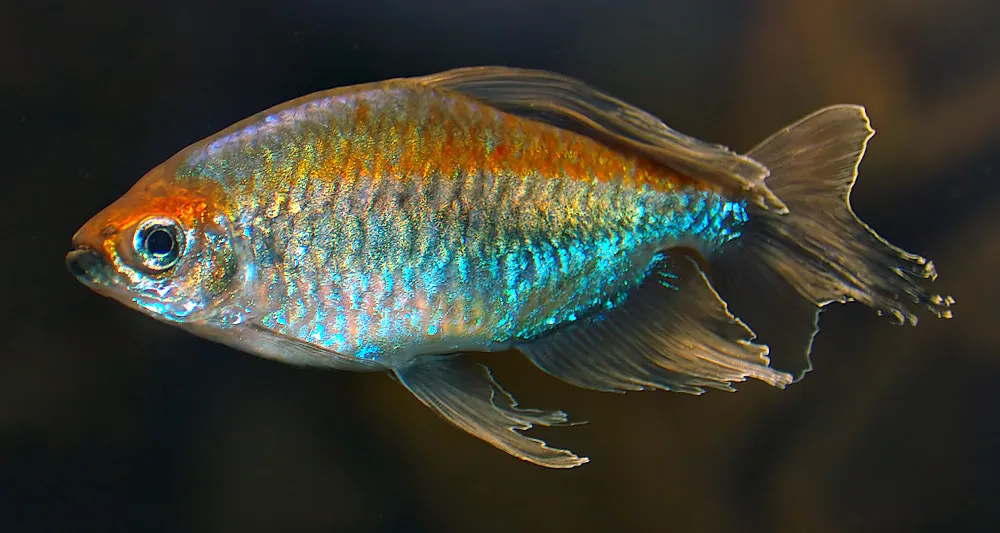
Congo tetra
Phenacogrammus interruptus
Freshwater3.1 in (8 cm) · 24 gal (90 L)73–82°F (23–28°C)
Wrestling halfbeak
Dermogenys pusilla
FreshwaterBrackish2.8 in (7 cm) · 25 gal (95 L)75–82°F (24–28°C)
Common questions
What size tank does a Koh Chang loach need?
A Koh Chang loach needs at least 24 gal (90 L). It spends most of its time in the bottom.
What temperature and pH does a Koh Chang loach need?
A Koh Chang loach is comfortable at 72–81°F (22–27°C) with a pH of 6.5–7.5.
What does a Koh Chang loach eat?
A Koh Chang loach eats sinking meaty foods such as bloodworm, chopped prawn and pellets.
How big does a Koh Chang loach get?
An adult Koh Chang loach reaches about 3.5 in (9 cm).
Related species
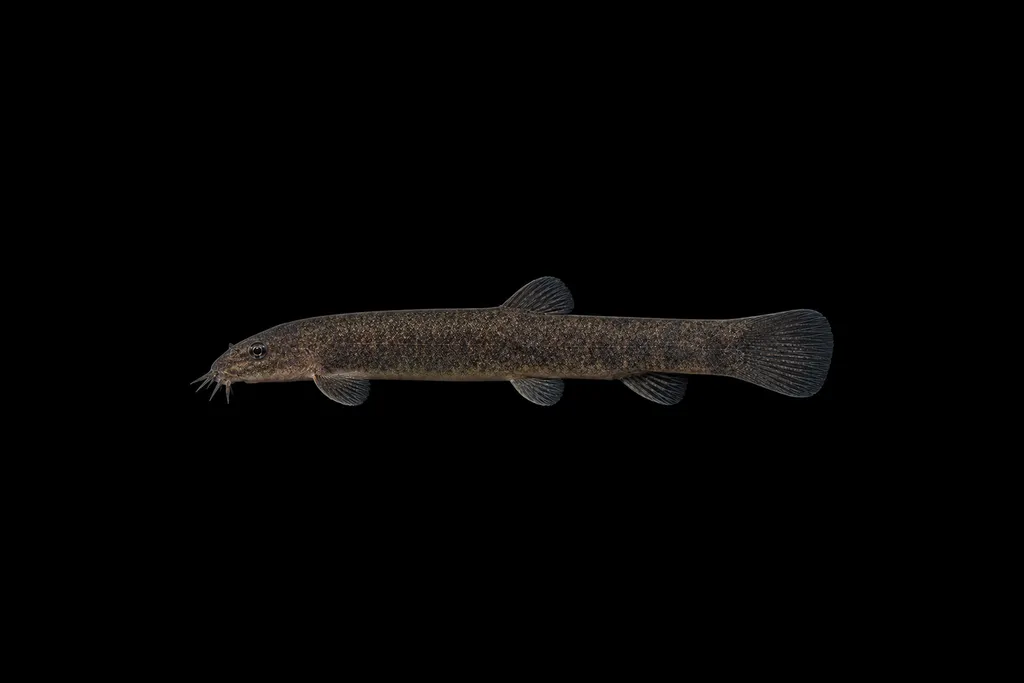 3.4 in (8.6 cm)24 gal (90 L)70–79°F (21–26°C)
Charcoal loach
Schistura carbonaria
3.4 in (8.6 cm) · 24 gal (90 L)
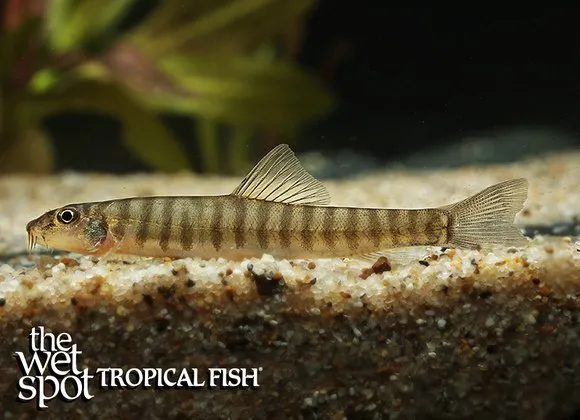 3.9 in (10 cm)29 gal (110 L)64–77°F (18–25°C)
Creek loach
Schistura beavani
3.9 in (10 cm) · 29 gal (110 L)
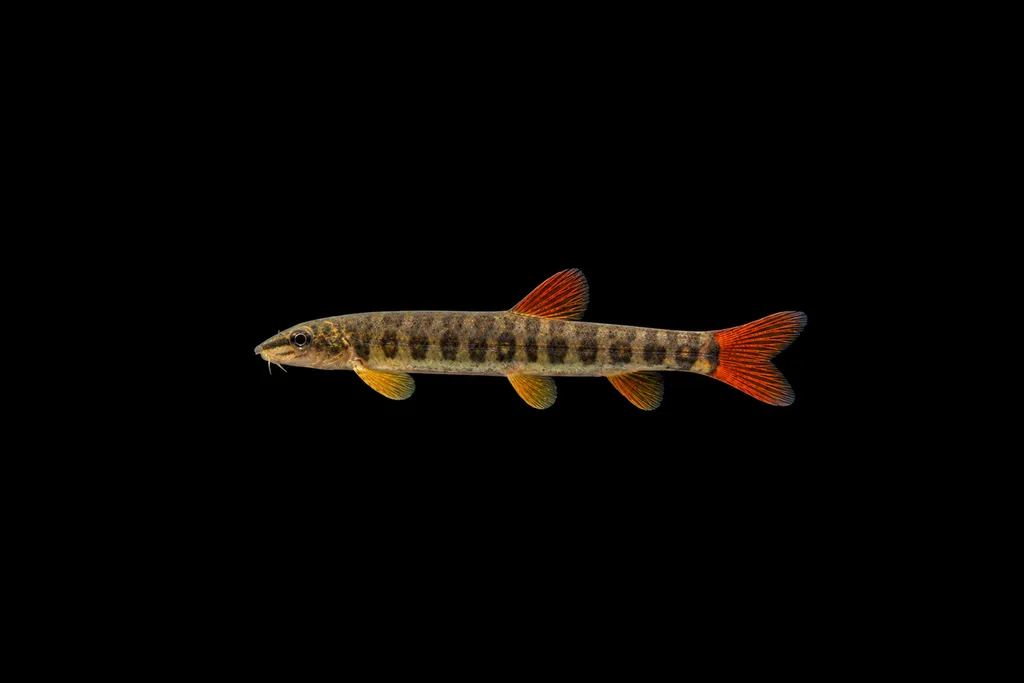 3.1 in (8 cm)24 gal (90 L)68–77°F (20–25°C)
Sparkling loach
Schistura coruscans
3.1 in (8 cm) · 24 gal (90 L)
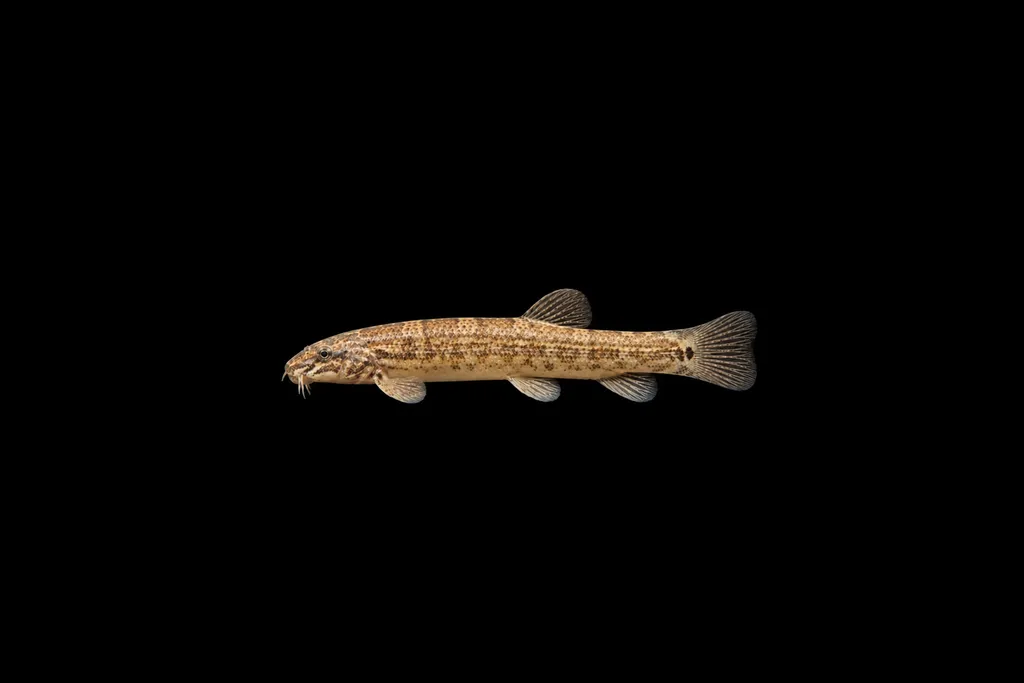 4.3 in (11 cm)29 gal (110 L)72–81°F (22–27°C)
Schultz's stone loach
Schistura schultzi
4.3 in (11 cm) · 29 gal (110 L)
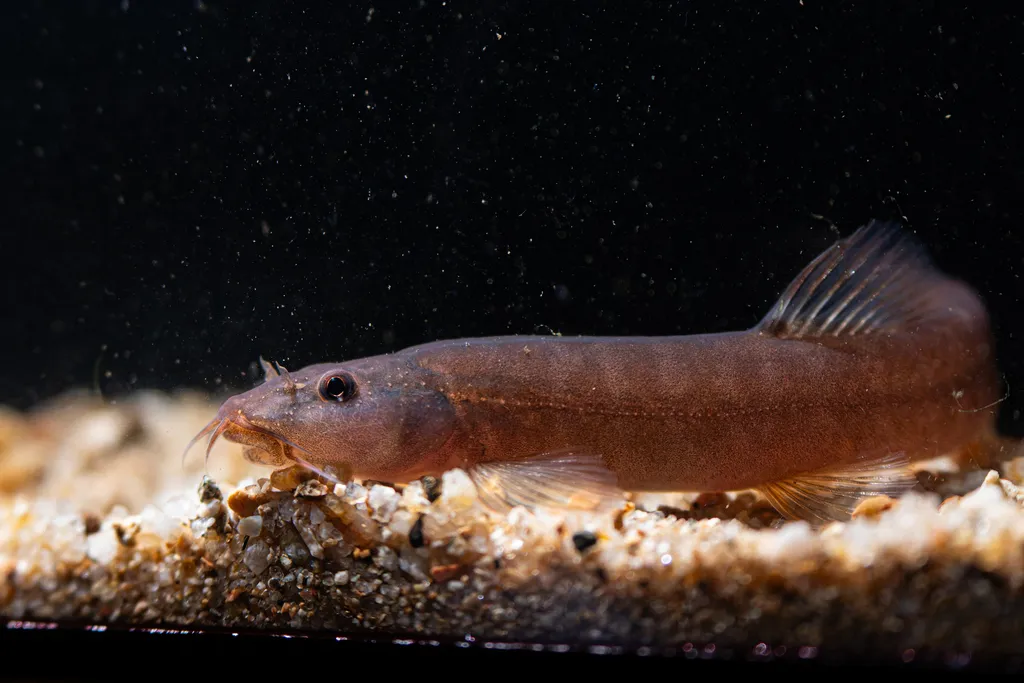 4.7 in (12 cm)29 gal (110 L)61–75°F (16–24°C)
Chinese banded loach
Schistura fasciolata
4.7 in (12 cm) · 29 gal (110 L)
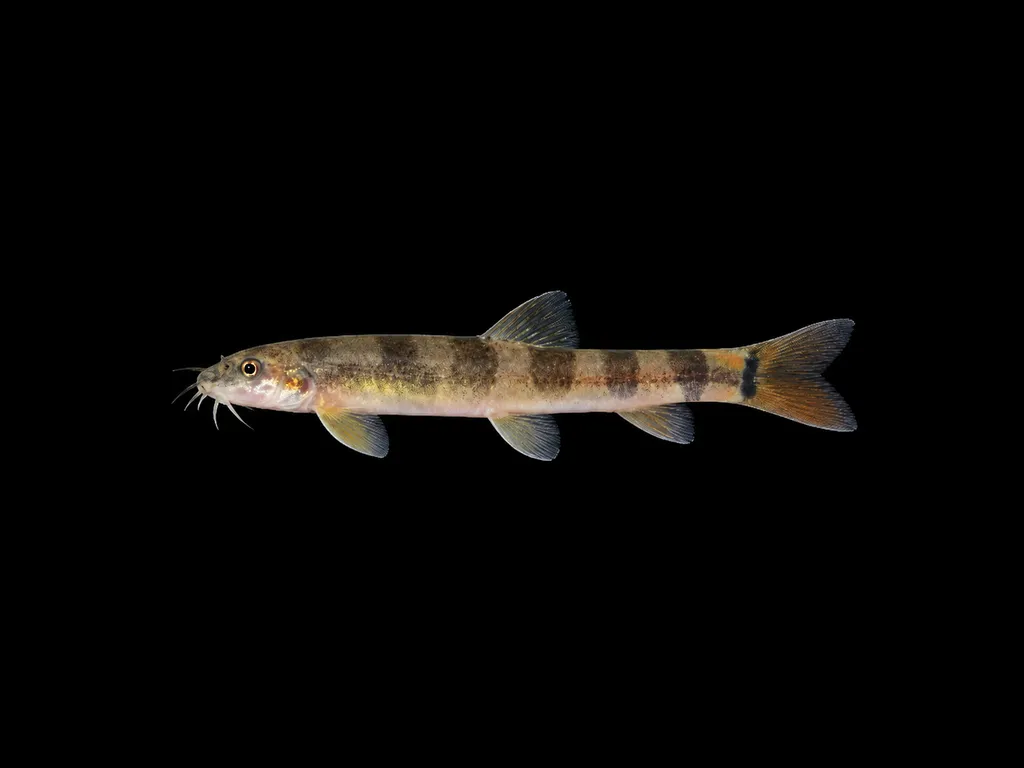 2.4 in (6 cm)20 gal (75 L)68–79°F (20–26°C)
Aizawl loach
Schistura aizawlensis
2.4 in (6 cm) · 20 gal (75 L)