Dwarf hoplo
Lepthoplosternum pectorale
Also known as Dwarf hoplo catfish, Hoplosternum pectorale
FreshwaterFish
Care at a glance
- Temperature
- 68–75°F
- 20–24°C
- pH
- 6.0–7.5
- Adult size
- 2.6 in
- 6.5 cm
- Minimum tank
- 24 gal
- 90 L
- Temperament
- Peaceful
- Social behavior
- Social
- Swim level
- Bottom
- Difficulty
- Easy
- Breeding
- Medium
- Rarity
- Rare
- Family
- Callichthyidae
- Origin
- Paraguay River basin in the Paraguayan Chaco of southern South America.
Overview
Keep dwarf hoplos in a group over soft sand with plenty of plants and cover, in water around 20 to 24 C. They are peaceful, hardy and can breathe air, so they cope with less than perfect conditions. Feed sinking pellets, frozen bloodworm and other meaty sinking foods.
In the wild
The dwarf hoplo lives in slow, weedy waters of the Paraguay basin, often in oxygen poor pools and marshes. It gulps air at the surface to breathe when oxygen runs low. The fish forages over soft bottoms among plants and leaf litter.
Good to know
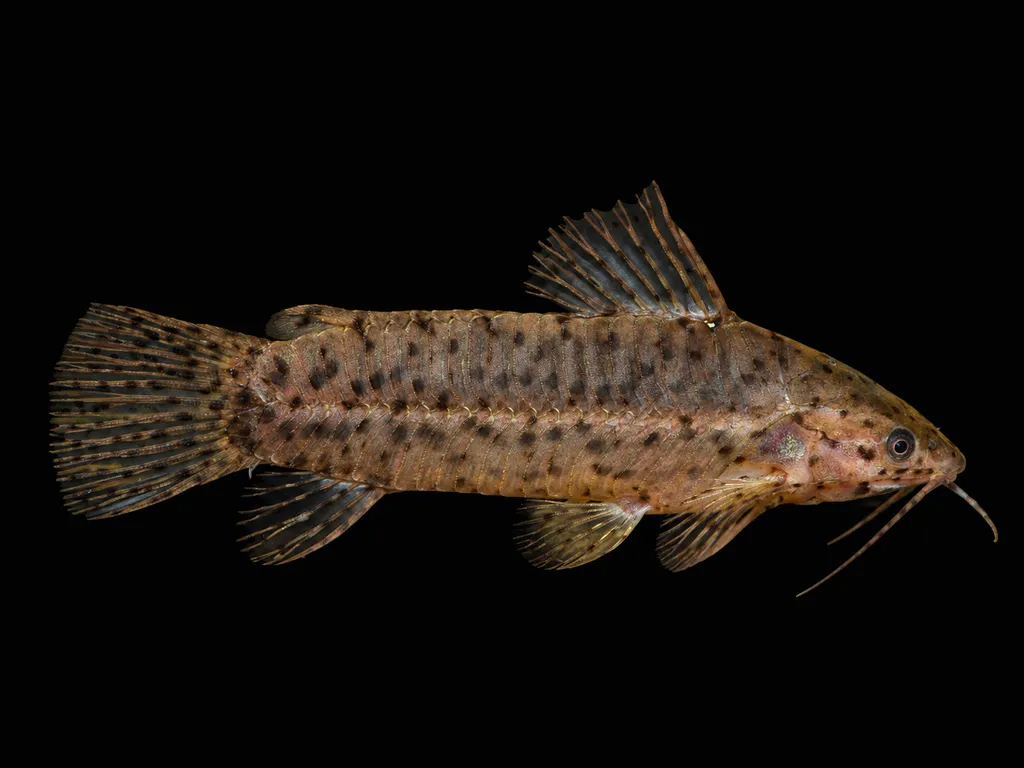
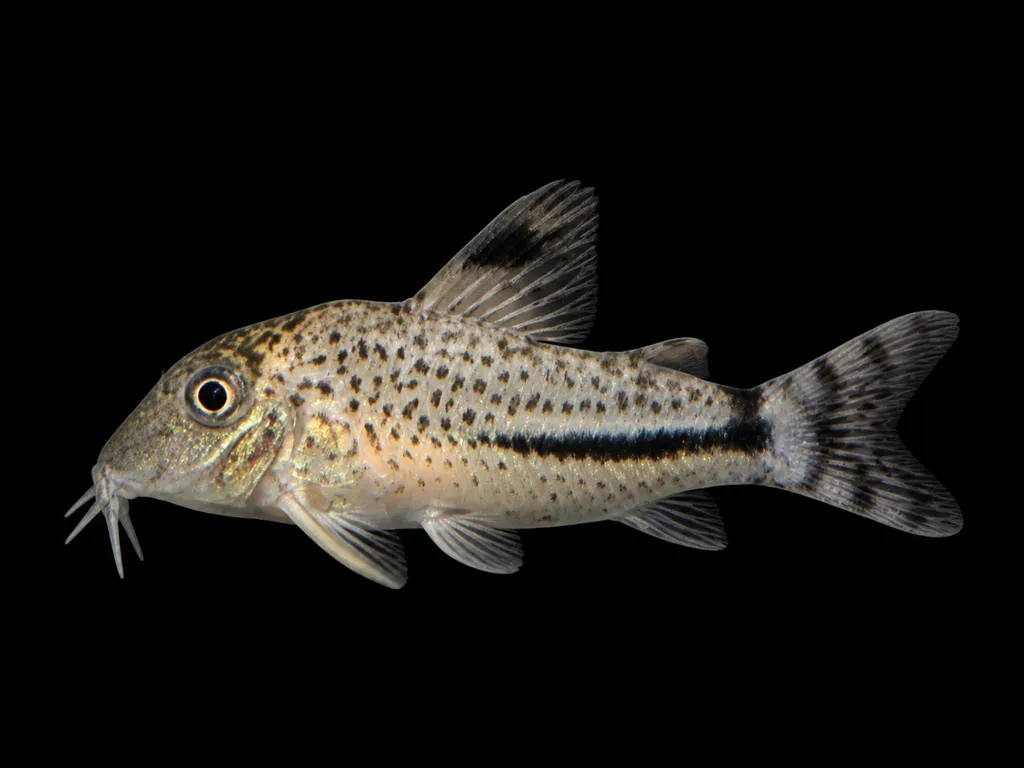
This is a small armored catfish in the same subfamily as the larger hoplos, with a dark brown body dusted with small black spots. Unlike its Amazon relatives, it is a southern species restricted to the Paraguay and Chaco region. Males build and guard a floating bubble nest at spawning time.
Did you know
The dwarf hoplo can breathe air from the surface, which lets it survive in warm, stagnant pools that would suffocate most fish.
Weekly picks
Tank mates
Dwarf hoplo is a peaceful, social species that keeps to the bottom. These picks share a community profile with it, are safe together in both directions, and overlap on water type, temperature and pH.
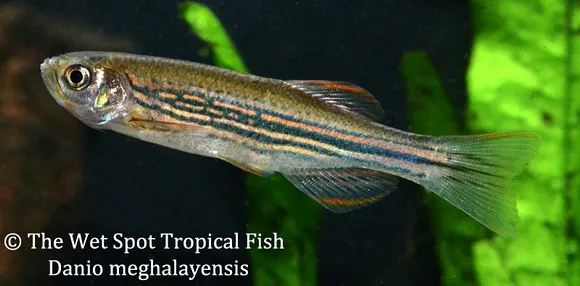
Meghalaya danio
Danio meghalayensis
Freshwater2.4 in (6 cm) · 24 gal (90 L)64–75°F (18–24°C)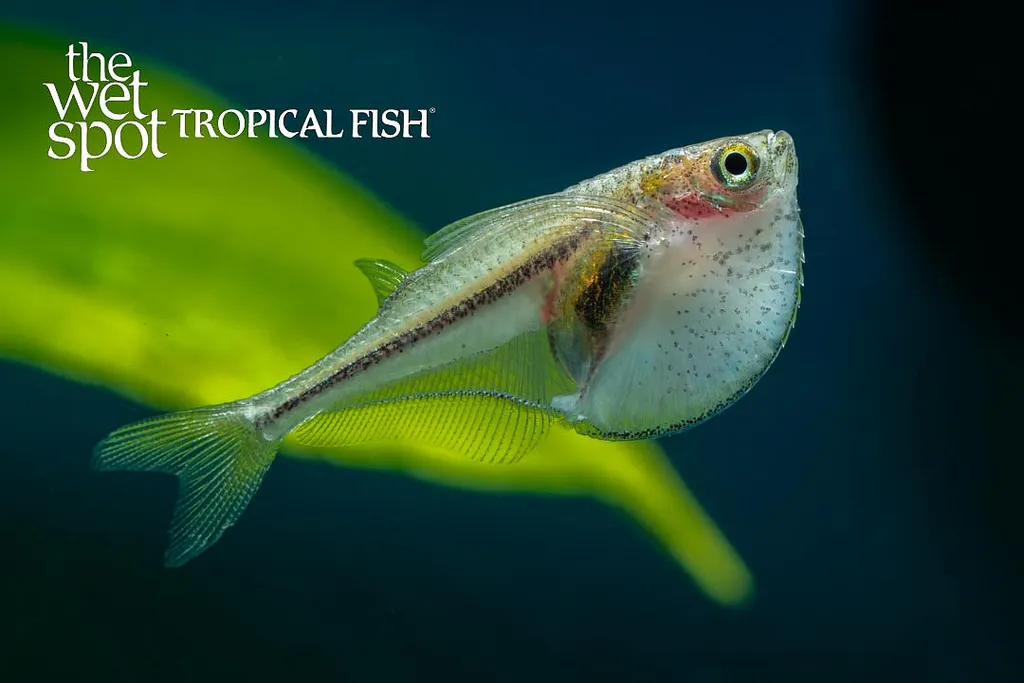
Pygmy hatchetfish
Carnegiella myersi
Freshwater1 in (2.5 cm) · 26 gal (100 L)73–79°F (23–26°C)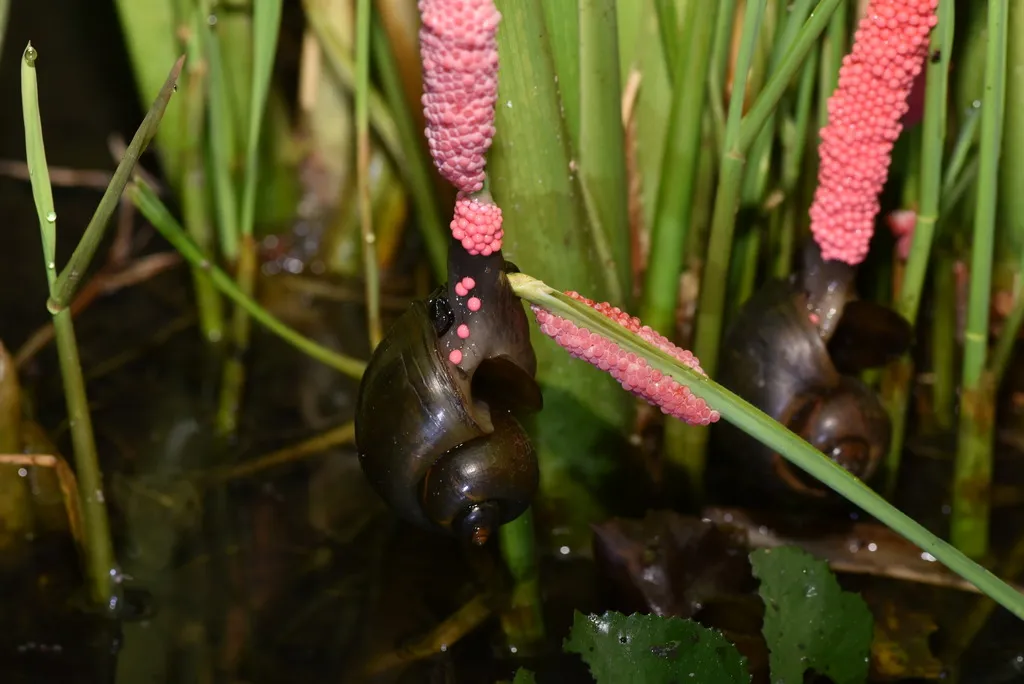
Apple snail
Pomacea canaliculata
Freshwater5.9 in (15 cm) · 21 gal (80 L)64–81°F (18–27°C)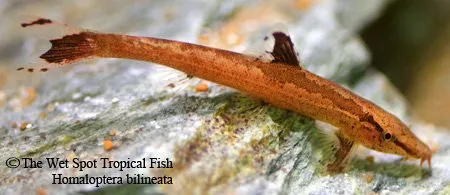
Twin-stripe lizard loach
Homaloptera bilineata
Freshwater3.1 in (8 cm) · 24 gal (90 L)68–79°F (20–26°C)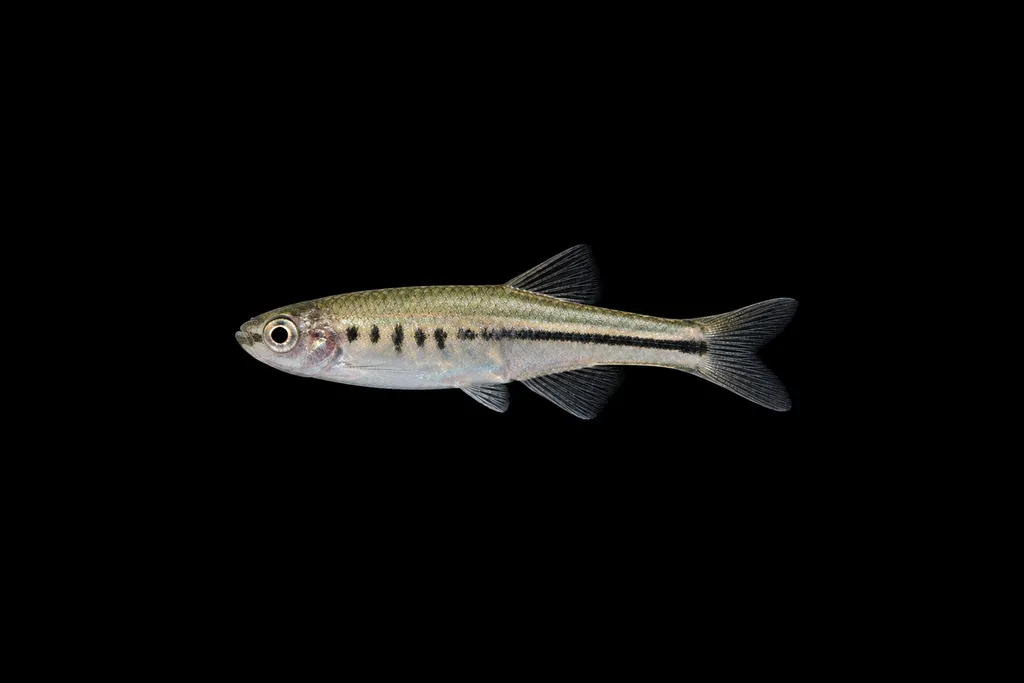
Interrupted danio
Devario interruptus
Freshwater2.8 in (7 cm) · 24 gal (90 L)64–77°F (18–25°C)
Spotfin hatchetfish
Thoracocharax stellatus
Freshwater3.5 in (9 cm) · 26 gal (100 L)73–82°F (23–28°C)
Common questions
What size tank does a Dwarf hoplo need?
A Dwarf hoplo needs at least 24 gal (90 L). It spends most of its time in the bottom.
What temperature and pH does a Dwarf hoplo need?
A Dwarf hoplo is comfortable at 68–75°F (20–24°C) with a pH of 6.0–7.5.
How big does a Dwarf hoplo get?
An adult Dwarf hoplo reaches about 2.6 in (6.5 cm).
Related species
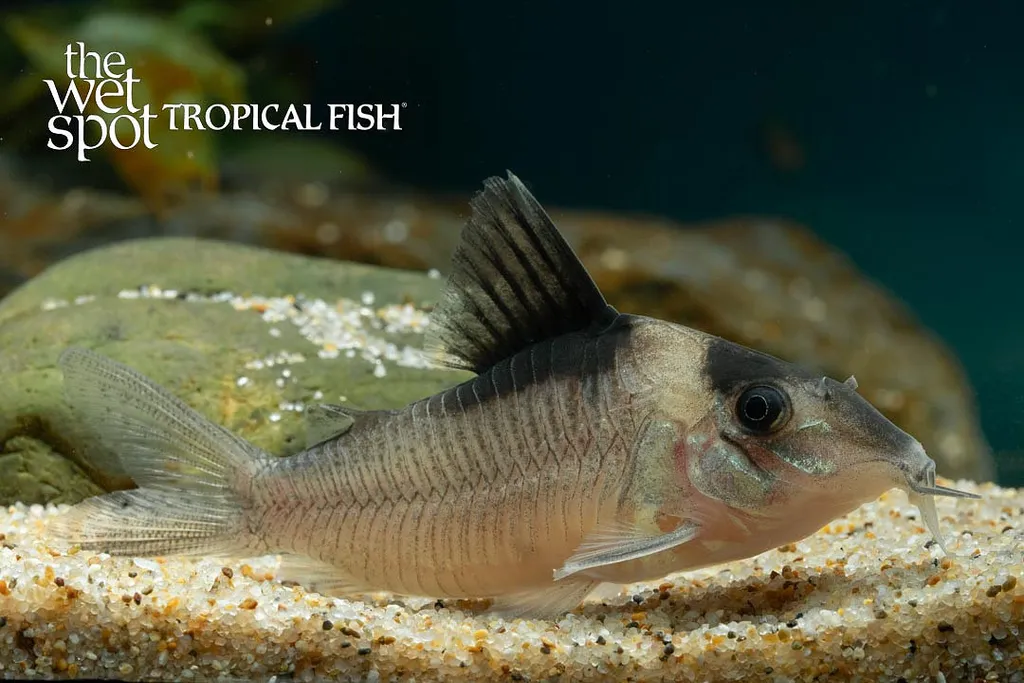 2.6 in (6.5 cm)20 gal (75 L)75–82°F (24–28°C)
Amanda Jane's cory
Brochis amandajanea
2.6 in (6.5 cm) · 20 gal (75 L)
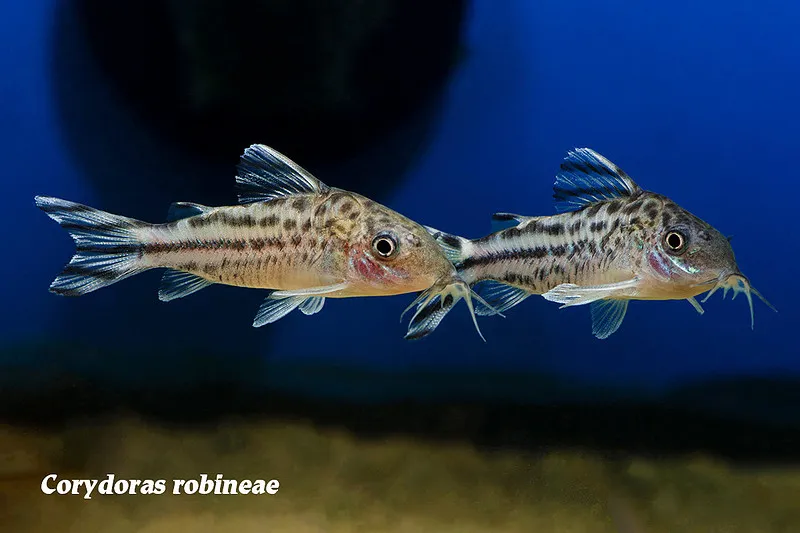 2.6 in (6.5 cm)20 gal (75 L)73–79°F (23–26°C)
Bannertail cory
Brochis robineae
2.6 in (6.5 cm) · 20 gal (75 L)
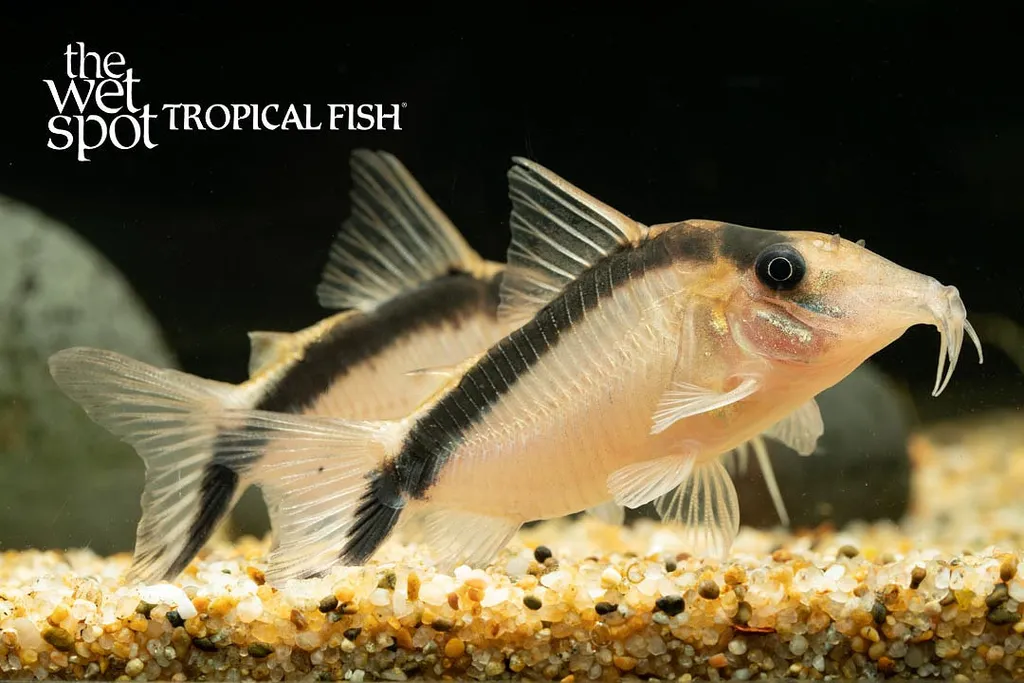 2.6 in (6.5 cm)20 gal (75 L)73–81°F (23–27°C)
Bethan's cory
Brochis bethanae
2.6 in (6.5 cm) · 20 gal (75 L)
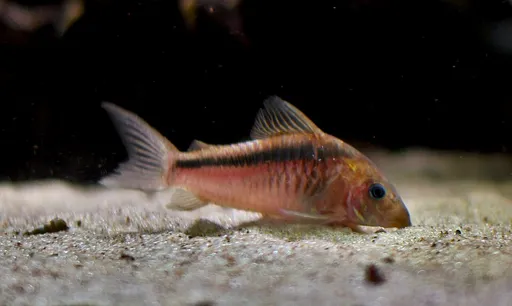 2.6 in (6.5 cm)21 gal (80 L)72–79°F (22–26°C)
Black band cory
Osteogaster zygata
2.6 in (6.5 cm) · 21 gal (80 L)
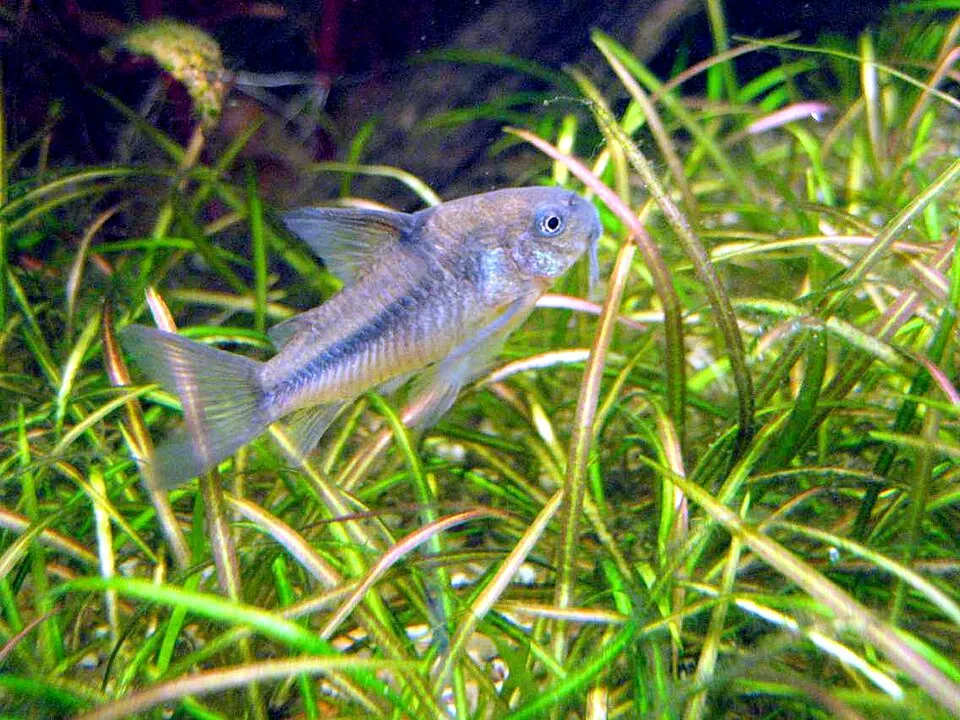 2.6 in (6.5 cm)20 gal (75 L)68–73°F (20–23°C)
Blue cory
Hoplisoma nattereri
2.6 in (6.5 cm) · 20 gal (75 L)
 2.6 in (6.5 cm)20 gal (75 L)73–81°F (23–27°C)
Fuller's cory
Corydoras fulleri
2.6 in (6.5 cm) · 20 gal (75 L)