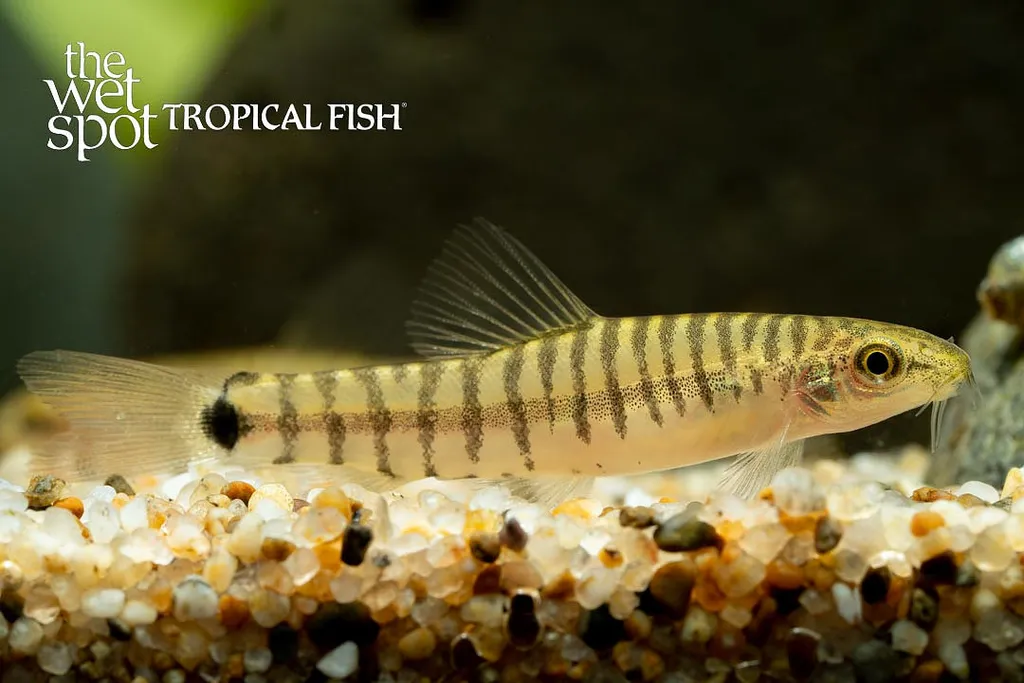
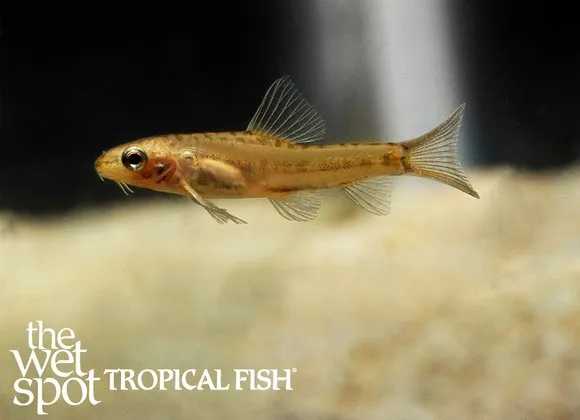
Cross loach
Micronemacheilus cruciatus
Also known as Hovering loach, Dwarf hovering loach, Vietnamese multi-banded loach, Yunnanilus cruciatus, Pygmy Multi Stripe Loach, Dwarf banded loach
FreshwaterFish
Care at a glance
- Temperature
- 68–77°F
- 20–25°C
- pH
- 6.0–7.5
- Adult size
- 1.6 in
- 4 cm
- Minimum tank
- 14 gal
- 54 L
- Temperament
- Peaceful
- Social behavior
- Schooling
- Swim level
- Middle
- Diet
- Carnivore
- Difficulty
- Medium
- Breeding
- Egg scatterer · Medium
- Rarity
- Rare
- Family
- Nemacheilidae
- Origin
- Native to slow, weedy streams and pools of central Vietnam, among dense vegetation.
Overview
The cross loach is a tiny, peaceful schooling loach for a planted nano tank. It is a fish of middling difficulty.
Did you know
The cross loach is one of the few loaches that spends much of its time suspended in midwater rather than resting on the bottom. It hovers and swims in open water in a loose group, which is where the name hovering loach comes from.
Caring for the cross loach
Keep cross loaches in a group of at least 8 to 10, in a tank of 14 gal (54 L) or more. Give them plenty of plants and gentle flow. A nano or planted community suits them best.
Keep the water clean, at 68 to 77°F (20 to 25°C) and a pH of 6.0 to 7.5. Soft to moderately hard water suits it well.
The cross loach is a micropredator. Feed small live and frozen foods such as daphnia, baby brine shrimp and microworm, plus fine dry foods.
It is peaceful and small, so keep it with other nano fish such as small rasboras, pygmy corydoras and shrimp. It is one of the more willing loaches to spawn at home. In a settled group it scatters its eggs into fine-leaved plants and moss, and breeding it is a moderate challenge.
Good to know
The cross loach is a tiny stone loach in the family Nemacheilidae. It has passed through the genera Nemacheilus and Yunnanilus before settling in Micronemacheilus.
In the wild
The cross loach is native to central Vietnam. It lives in slow, weedy streams and pools, among dense vegetation.
Weekly picks
Tank mates
The cross loach is a peaceful, schooling species that keeps to the middle. These picks share a community profile with it, are safe together in both directions, and overlap on water type, temperature and pH.
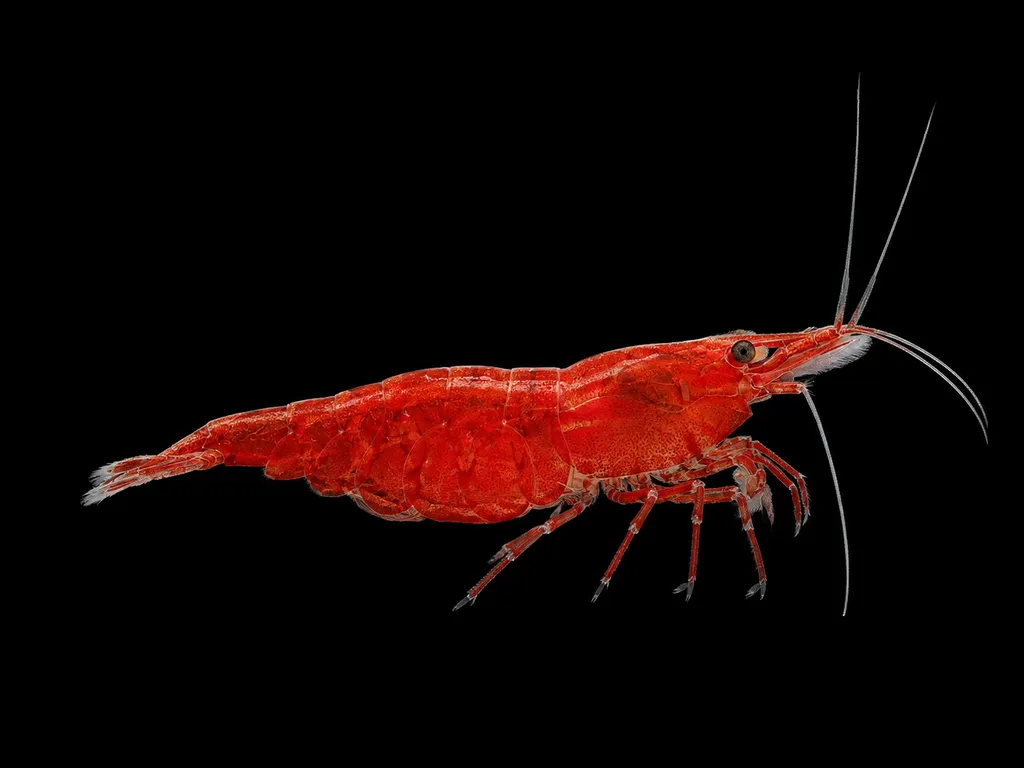
Neocaridina shrimp
Neocaridina davidi
Freshwater1.6 in (4 cm) · 5 gal (19 L)59–84°F (15–29°C)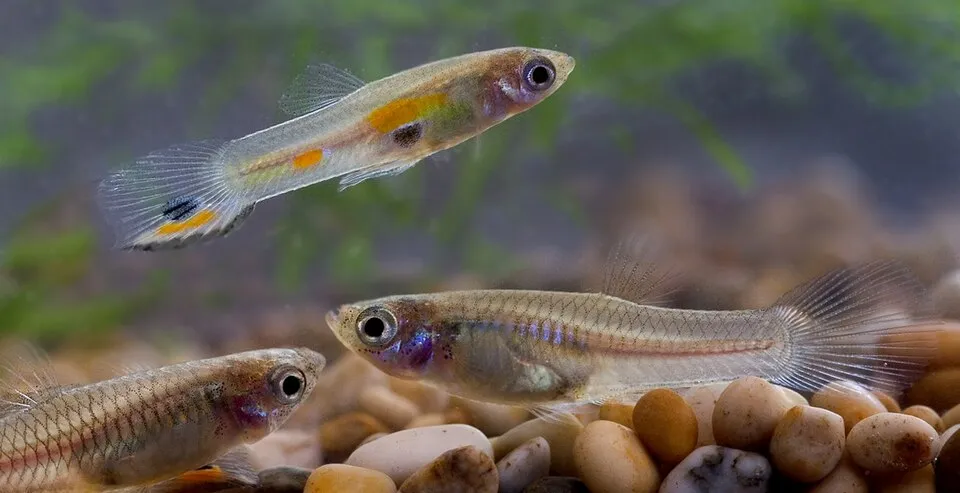
Guppy
Poecilia reticulata
FreshwaterBrackish2.4 in (6 cm) · 10 gal (38 L)64–82°F (18–28°C)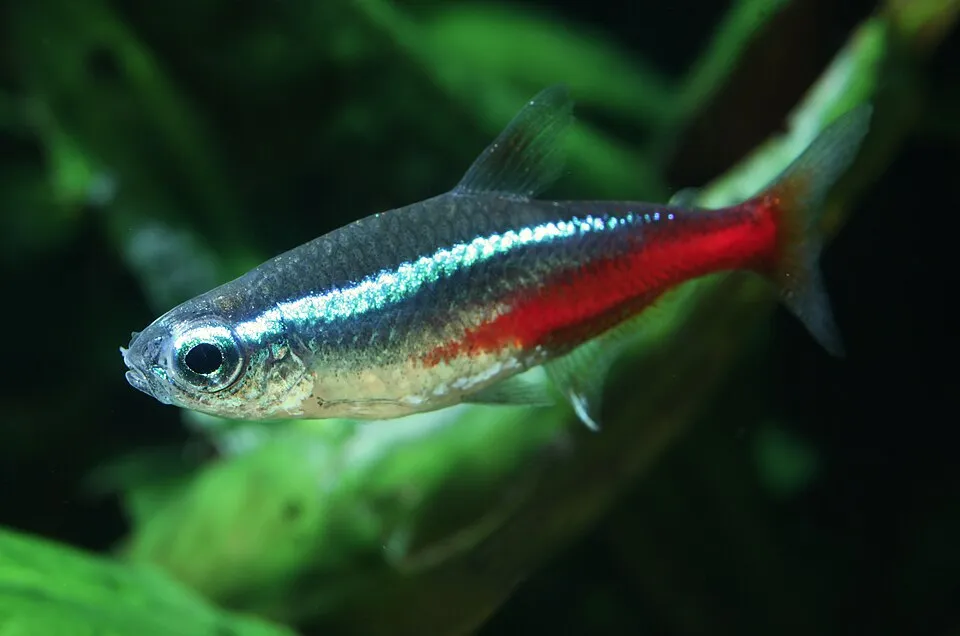
Neon tetra
Paracheirodon innesi
Freshwater1.5 in (3.8 cm) · 11 gal (40 L)70–77°F (21–25°C)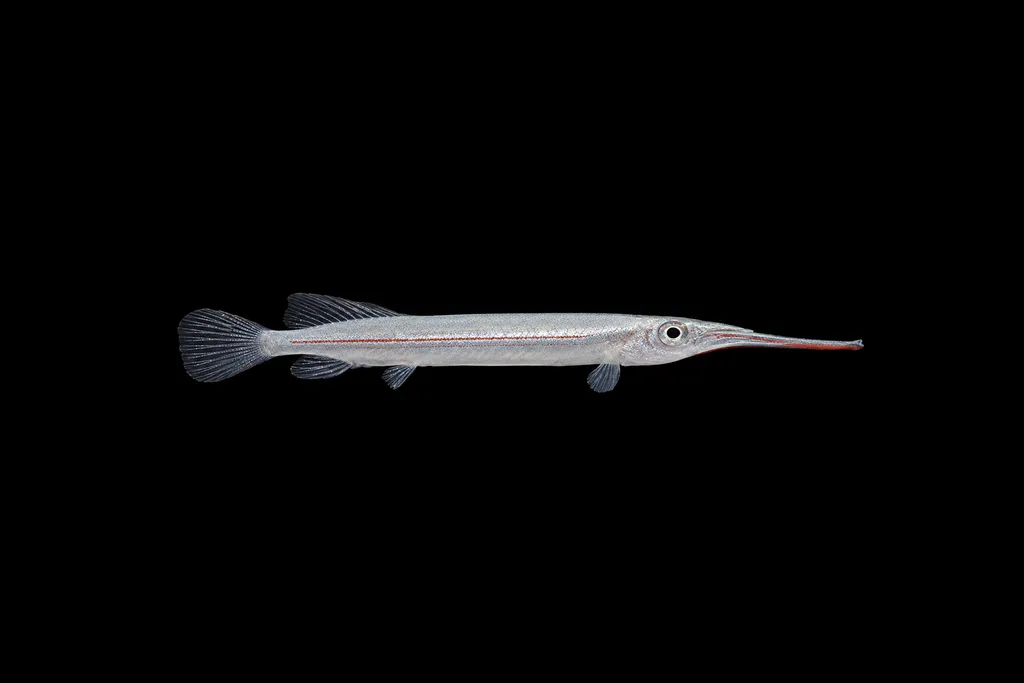
Fire halfbeak
Hemirhamphodon kapuasensis
Freshwater2.4 in (6 cm) · 14 gal (54 L)73–81°F (23–27°C)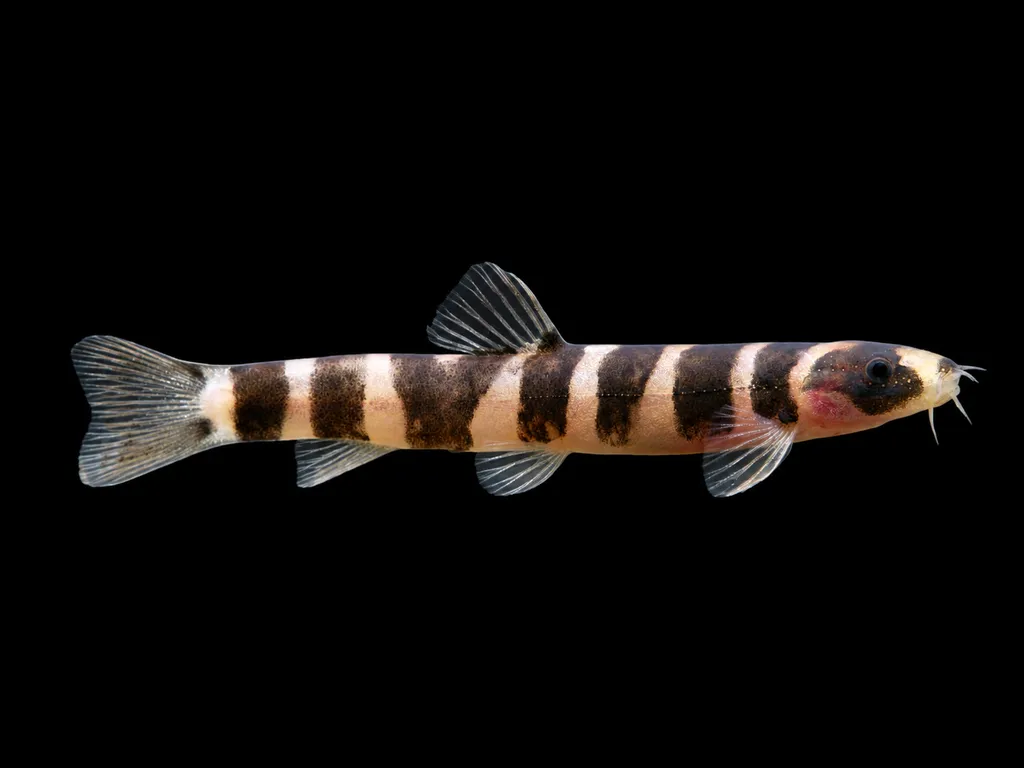
Pridi loach
Schistura pridii
Freshwater1.8 in (4.5 cm) · 14 gal (54 L)68–77°F (20–25°C)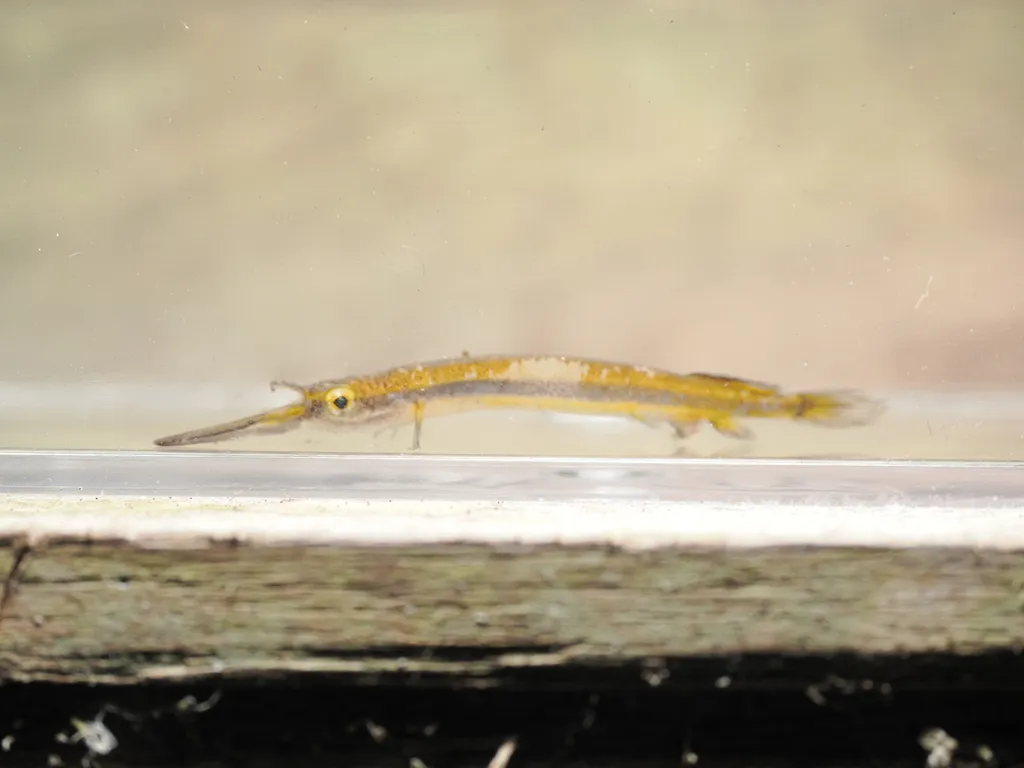
Gold-spotted halfbeak
Hemirhamphodon chrysopunctatus
Freshwater2.6 in (6.5 cm) · 14 gal (54 L)73–81°F (23–27°C)
Common questions
What size tank does a cross loach need?
A cross loach needs at least 14 gal (54 L). It spends most of its time in the middle.
What temperature and pH does a cross loach need?
A cross loach is comfortable at 68–77°F (20–25°C) with a pH of 6.0–7.5.
What does a cross loach eat?
A cross loach is a micropredator that eats small live and frozen foods, such as daphnia, baby brine shrimp and microworm. Add fine dry foods as well.
How big does a cross loach get?
An adult cross loach reaches about 1.6 in (4 cm).
Does a cross loach need a group?
Yes. A cross loach is a schooling species and should be kept in a group, not singly.
How does a cross loach breed?
Cross loaches scatter their eggs into fine-leaved plants and moss when kept in a settled group. They are among the more willing loaches to spawn at home.
Related species
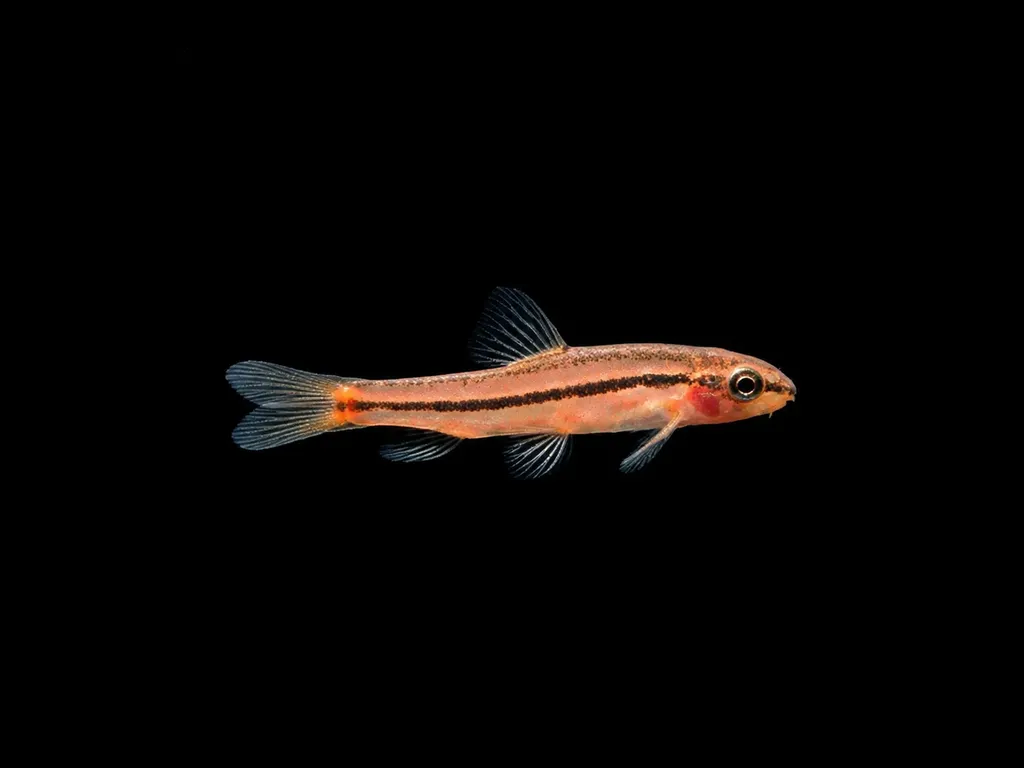 1.2 in (3 cm)14 gal (54 L)68–79°F (20–26°C)
Rosy loach
Petruichthys sp. 'rosy'
1.2 in (3 cm) · 14 gal (54 L)
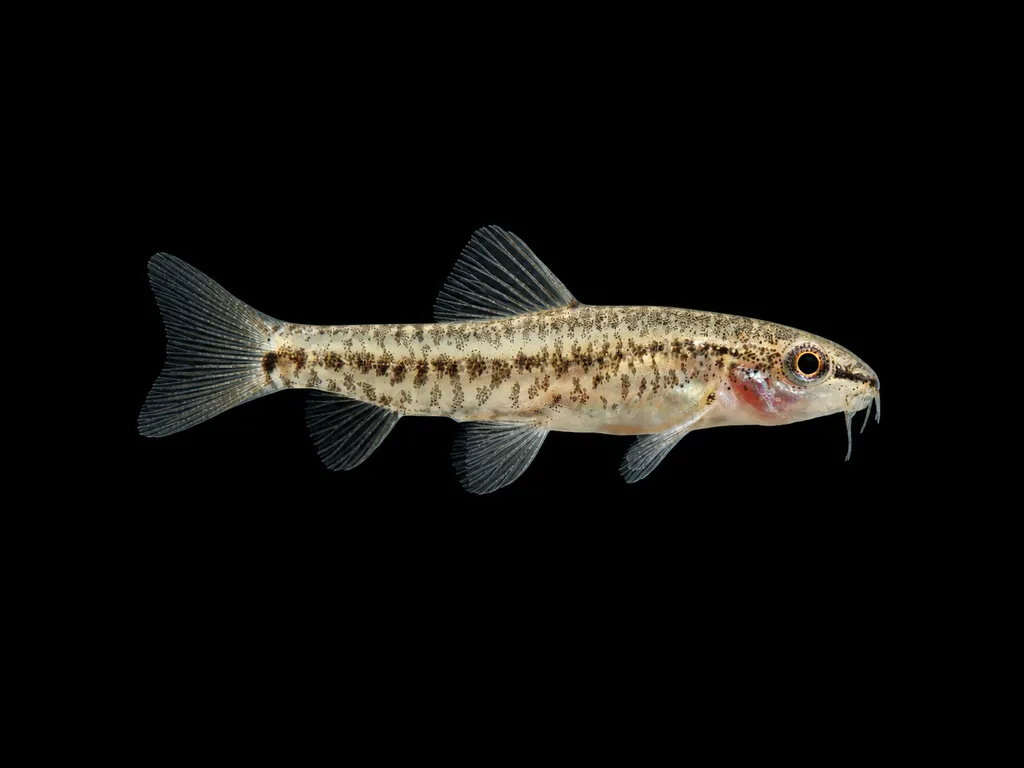 2.6 in (6.5 cm)20 gal (75 L)68–79°F (20–26°C)
Inle loach
Yunnanilus brevis
2.6 in (6.5 cm) · 20 gal (75 L)
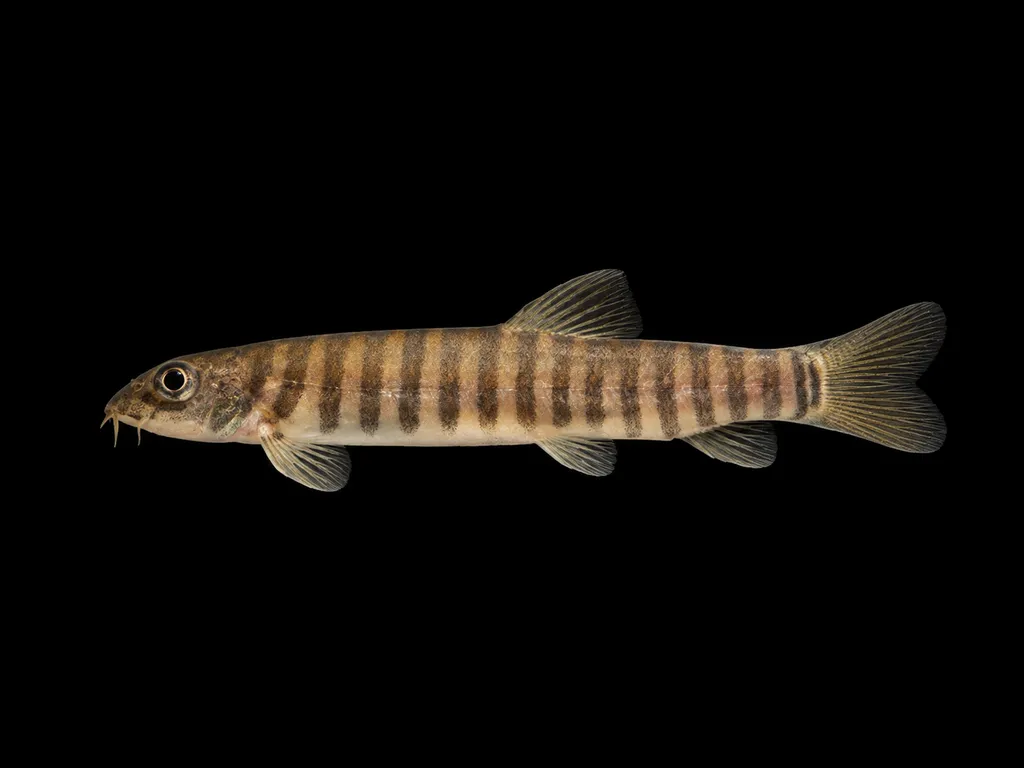 1.8 in (4.5 cm)14 gal (54 L)68–79°F (20–26°C)
Assam banded loach
Neonoemacheilus assamensis
1.8 in (4.5 cm) · 14 gal (54 L)
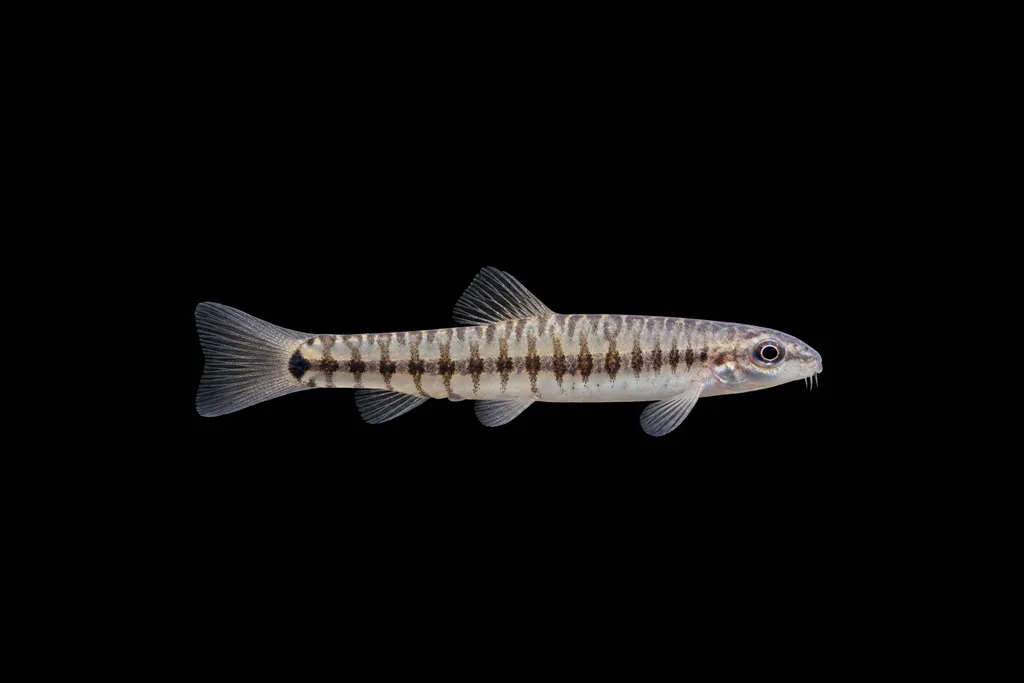 2 in (5 cm)14 gal (54 L)64–75°F (18–24°C)
Mini zebra loach
Yunnanilus pulcherrimus
2 in (5 cm) · 14 gal (54 L)
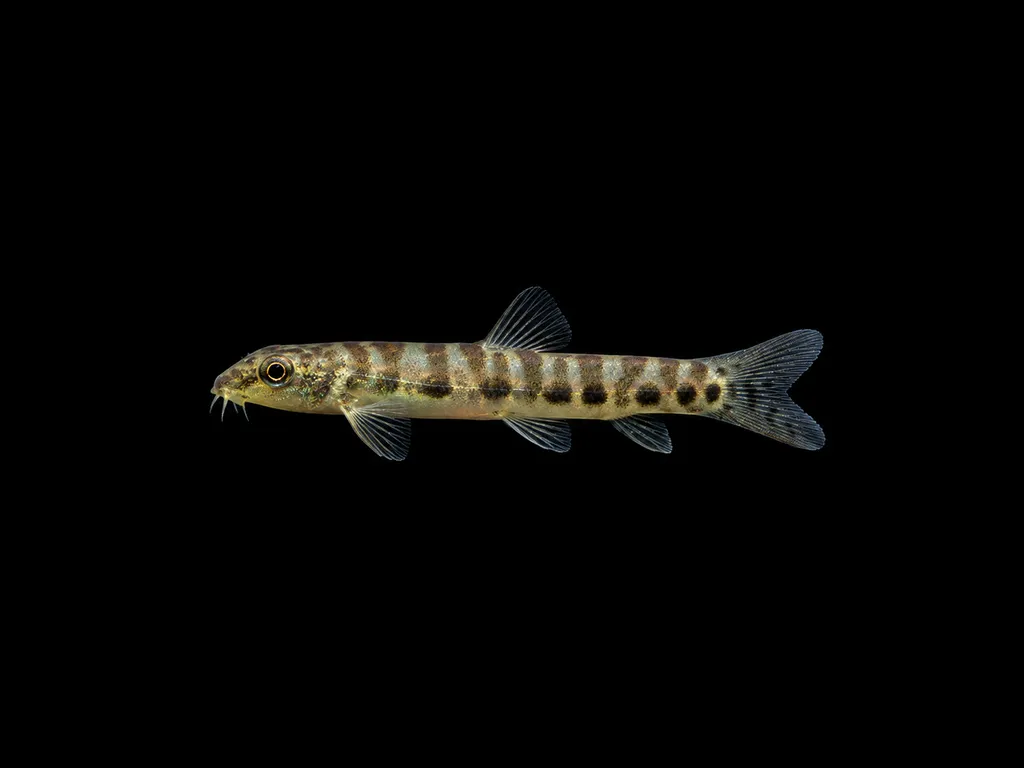 2.4 in (6 cm)20 gal (75 L)68–79°F (20–26°C)
Thuttinjet stone loach
Nemacheilus stigmofasciatus
2.4 in (6 cm) · 20 gal (75 L)
 1 in (2.5 cm)11 gal (40 L)68–77°F (20–25°C)
Mango loach
Physoschistura mango
1 in (2.5 cm) · 11 gal (40 L)