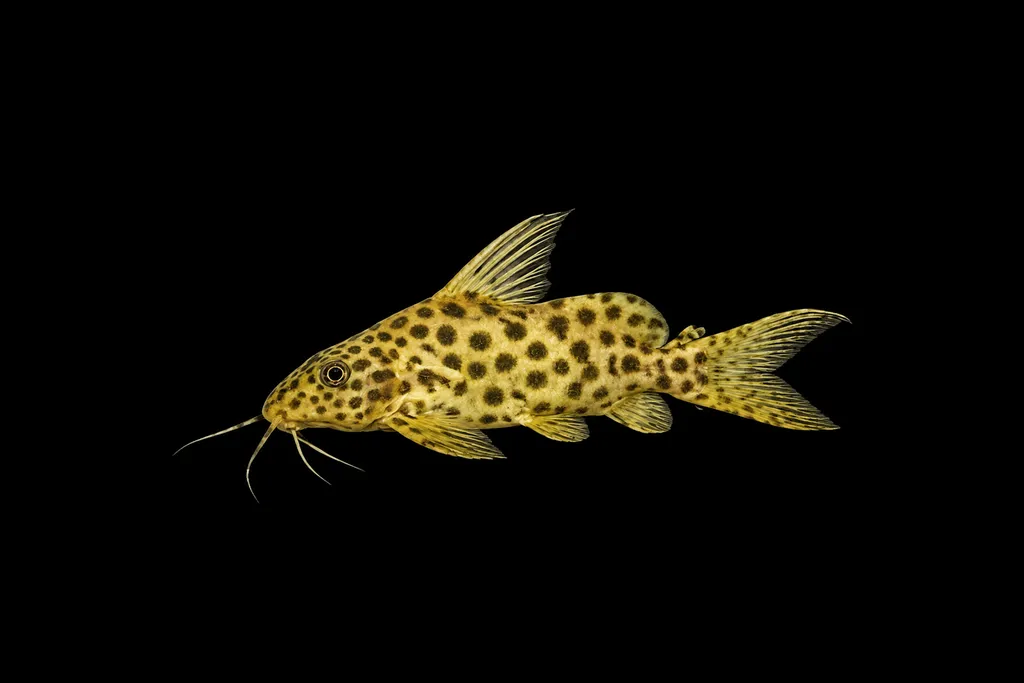
Ocellated squeaker
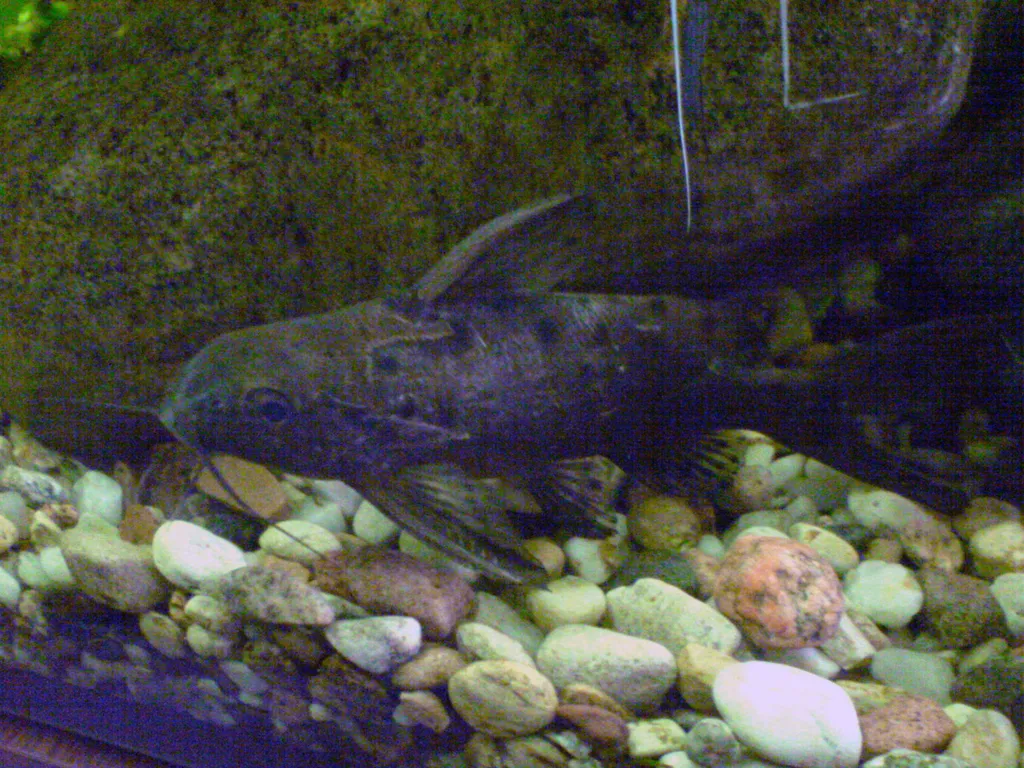
Synodontis ocellifer
Also known as Ocellifer catfish
FreshwaterFish
Care at a glance
- Temperature
- 73–81°F
- 23–27°C
- pH
- 6.5–7.8
- Adult size
- 7.9 in
- 20 cm
- Minimum tank
- 53 gal
- 200 L
- Temperament
- Mostly peaceful
- Social behavior
- Social
- Swim level
- Bottom
- Difficulty
- Easy
- Breeding
- Hard
- Rarity
- Common
- Family
- Mochokidae
- Origin
- West Africa (Senegal, Gambia, Niger, Volta, Lake Chad basins)
Overview
Keep them in a tank of at least 200 liters, or 350 liters and up for larger fish or a small group, with water around 23 to 27 C and a pH from 6.5 to 7.8. They are nocturnal bottom dwellers that hide among wood and caves by day and forage at night, so give each fish its own refuge. They are mostly peaceful but predatory by size and will eat anything small enough to swallow, so skip tiny tankmates and pair them with tetras, larger barbs or rasboras, cichlids, and gouramis. They turn mildly territorial toward other Synodontis as they mature, so keep them singly or in a group only if you provide plenty of caves per fish. Feed sinking pellets and wafers, frozen and live foods, and some vegetable matter. As a large hardy catfish, never release one into local waters, and check your local rules before keeping it.
In the wild
Ocellated squeakers come from the river and lake basins of West Africa, including the Senegal, Gambia, Niger, Volta, and Lake Chad systems. These are slow to moderate flowing waters with sandy or muddy bottoms, scattered wood, and overhanging cover. To match that, give them soft sand or fine gravel, plenty of driftwood, roots, and rock caves for daytime hiding, and dim or floating plant shaded lighting. Keep the water clean, well oxygenated, and well filtered, in a tank of at least 200 liters with a long footprint. Run it around 23 to 27 C with a pH from 6.5 to 7.8.
Good to know
This is a catfish in the family Mochokidae, the African squeakers, named for the squeaking sound they make with their pectoral fins. Aquarium adults usually reach about 20 cm, though wild fish can grow much larger, near 49 cm total length on FishBase. It is hardy and long lived. Home breeding is impractical because commercial production relies on hormone induction, so fish in the trade are produced on farms rather than bred in tanks at home.
Did you know
The squeaking they are named for is real. They lock and grind the spines of their pectoral fins against the shoulder girdle to make an audible creaking or squeaking sound, usually when handled or stressed, which is easy to hear if you net one out of the tank.
Weekly picks
Tank mates
Ocellated squeaker is a mostly peaceful, social species that keeps to the bottom. These picks share a community profile with it, are safe together in both directions, and overlap on water type, temperature and pH.
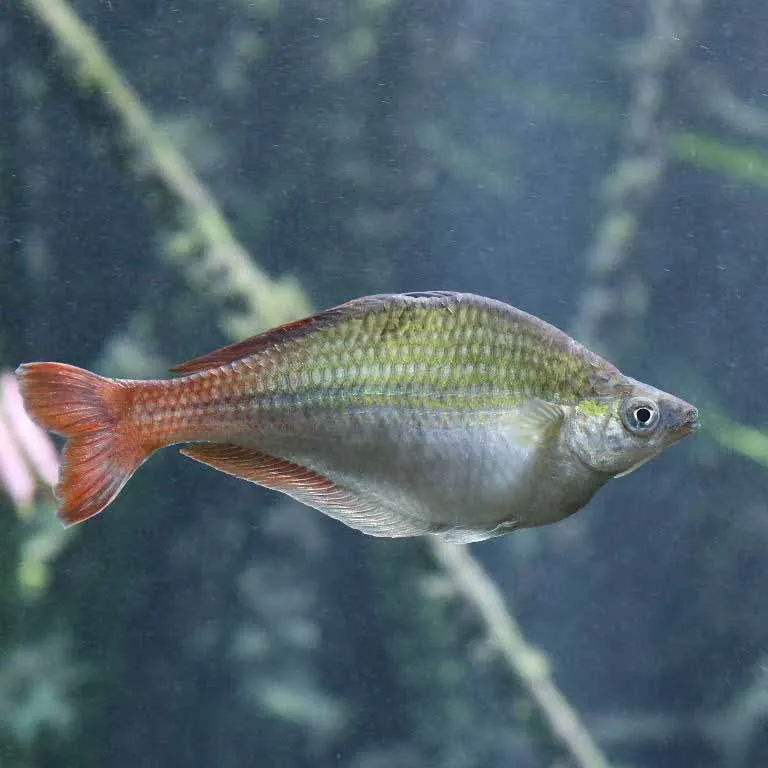
Bleher's rainbowfish
Chilatherina bleheri
Freshwater4.7 in (12 cm) · 53 gal (200 L)73–81°F (23–27°C)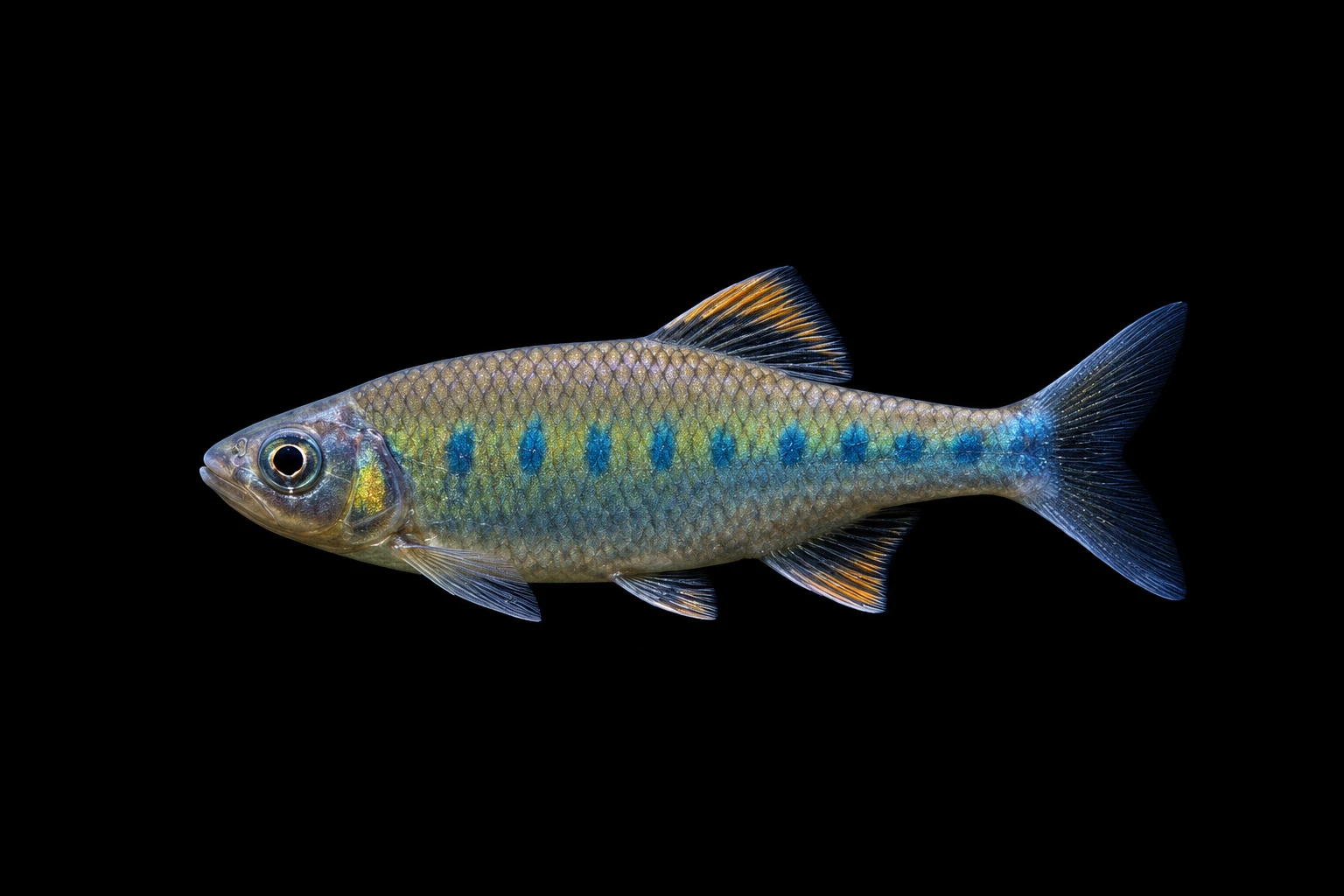
Blue spotted hill trout
Barilius bakeri
Freshwater5.1 in (13 cm) · 53 gal (200 L)64–79°F (18–26°C)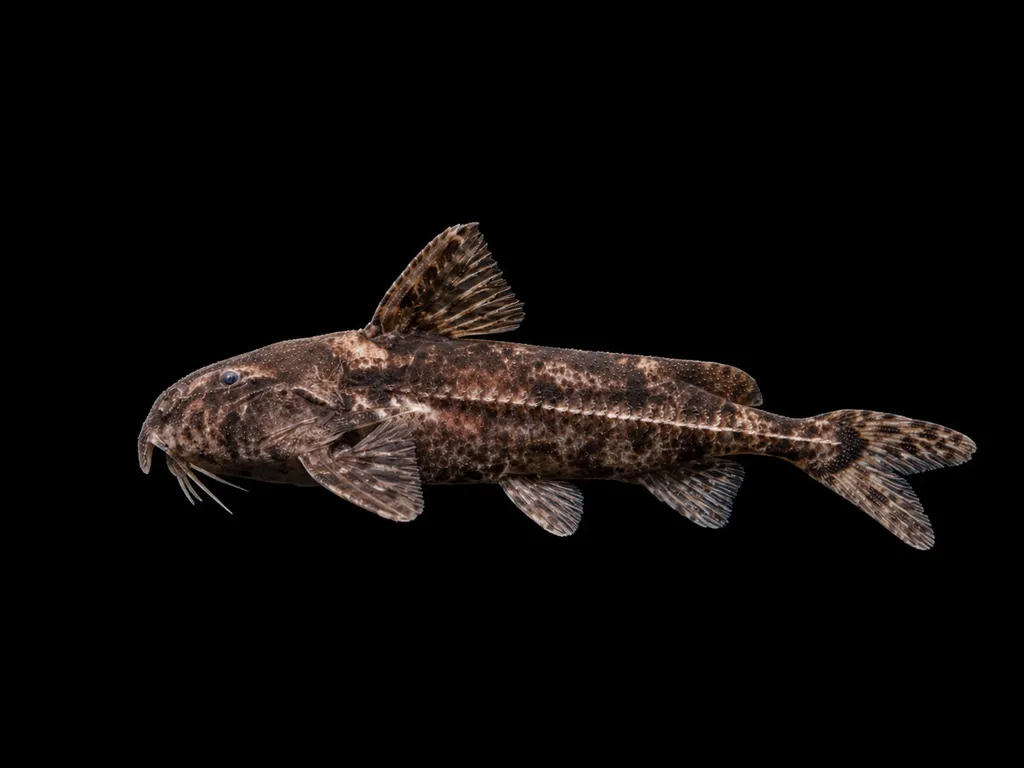
Parrot doradid
Rhynchodoras woodsi
Freshwater4.1 in (10.5 cm) · 53 gal (200 L)73–82°F (23–28°C)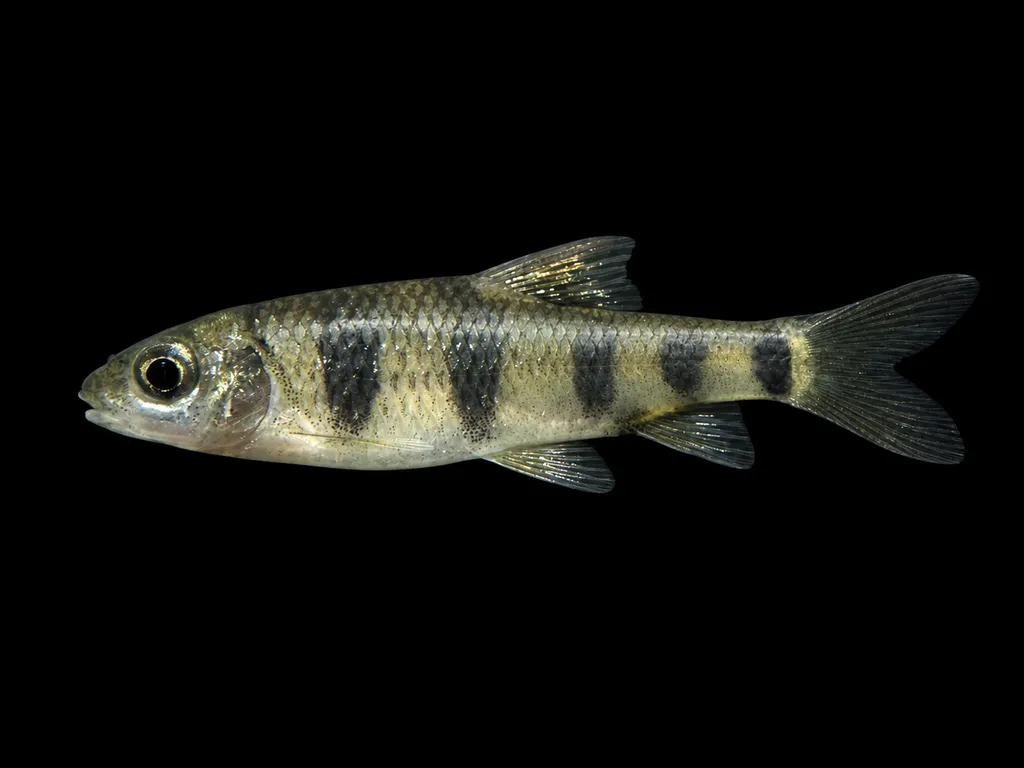
Beijiang barb
Acrossocheilus beijiangensis
Freshwater5.1 in (13 cm) · 53 gal (200 L)64–79°F (18–26°C)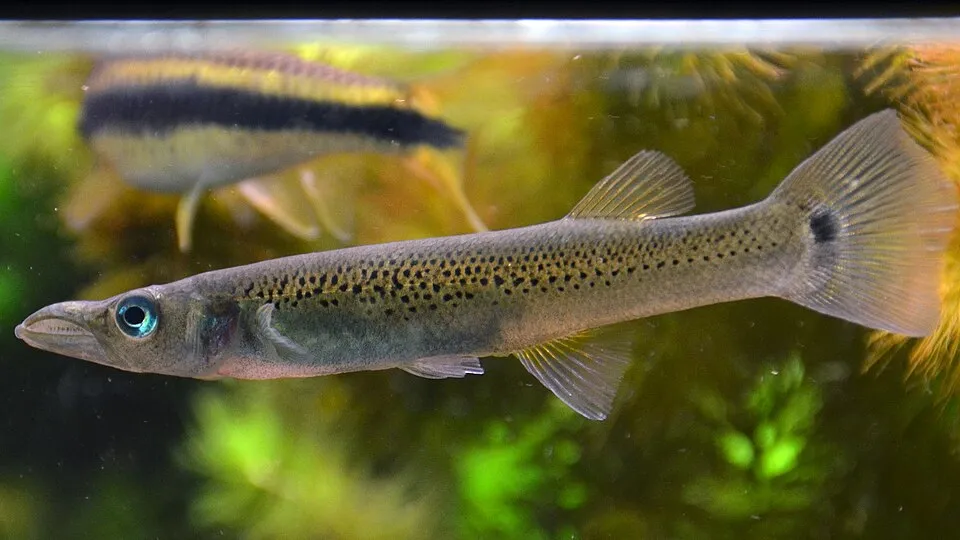
Pike topminnow
Belonesox belizanus
Freshwater7.9 in (20 cm) · 44 gal (165 L)73–82°F (23–28°C)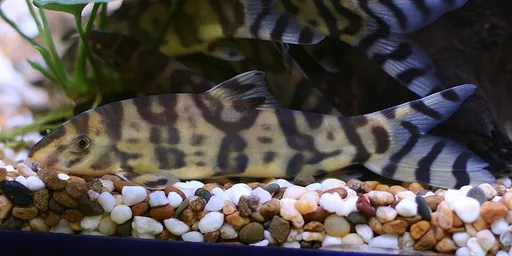
Burmese border loach
Botia histrionica
Freshwater5.1 in (13 cm) · 53 gal (200 L)72–82°F (22–28°C)
Common questions
What size tank does an Ocellated squeaker need?
An Ocellated squeaker needs at least 53 gal (200 L). It spends most of its time in the bottom.
What temperature and pH does an Ocellated squeaker need?
An Ocellated squeaker is comfortable at 73–81°F (23–27°C) with a pH of 6.5–7.8.
How big does an Ocellated squeaker get?
An adult Ocellated squeaker reaches about 7.9 in (20 cm).
Related species
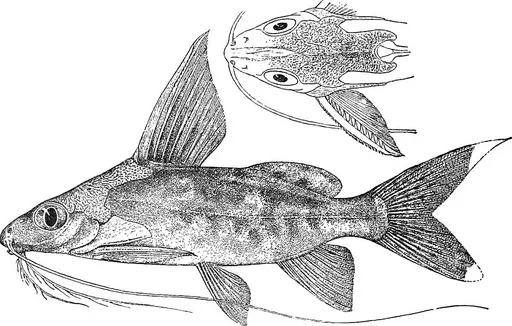 7.9 in (20 cm)40 gal (150 L)72–79°F (22–26°C)
Bigeye squeaker
Synodontis alberti
7.9 in (20 cm) · 40 gal (150 L)
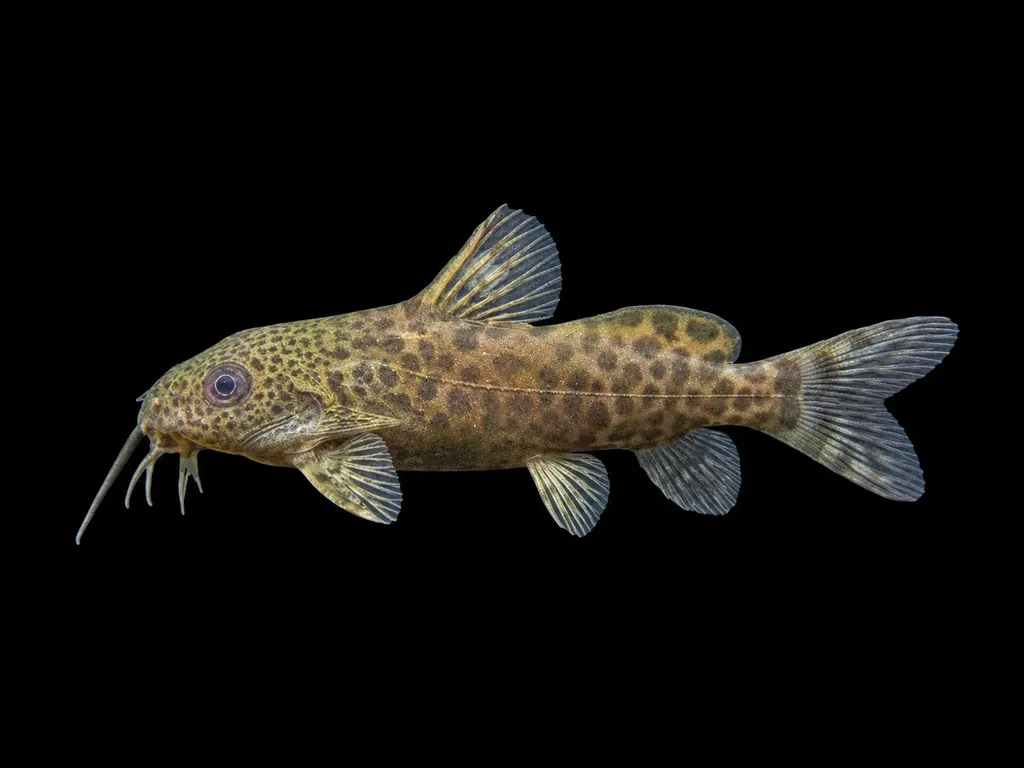 7.9 in (20 cm)55 gal (210 L)70–82°F (21–28°C)
Common syno
Synodontis nigrita
7.9 in (20 cm) · 55 gal (210 L)
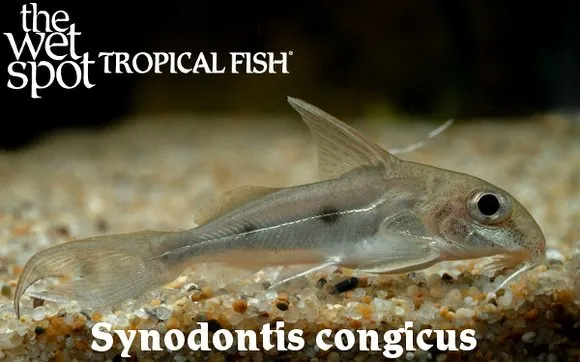 7.9 in (20 cm)79 gal (300 L)73–81°F (23–27°C)
Congicus squeaker
Synodontis congicus
7.9 in (20 cm) · 79 gal (300 L)
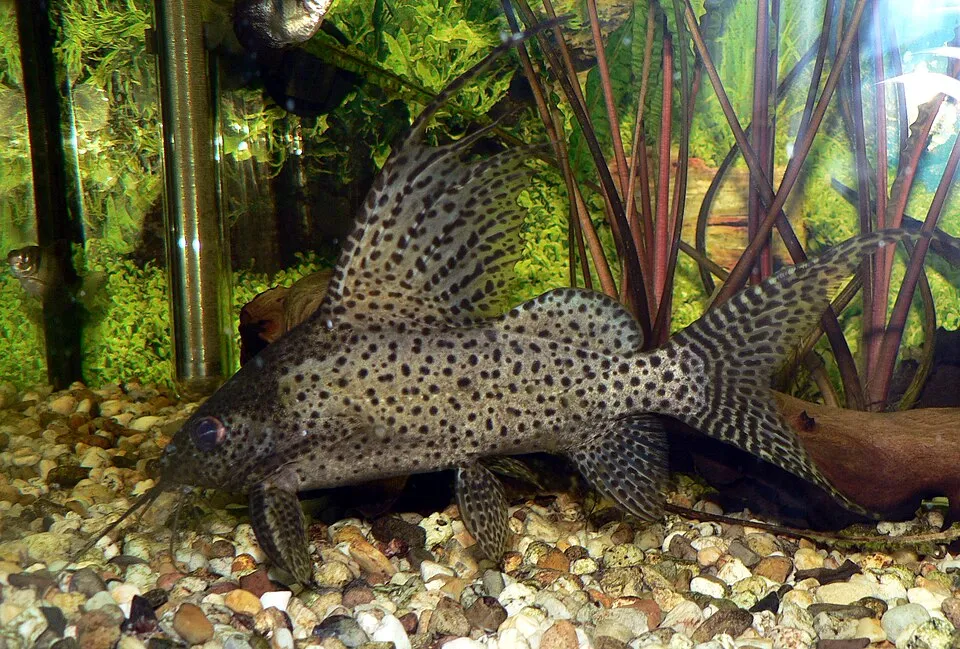 7.9 in (20 cm)45 gal (170 L)72–81°F (22–27°C)
Featherfin squeaker
Synodontis eupterus
7.9 in (20 cm) · 45 gal (170 L)
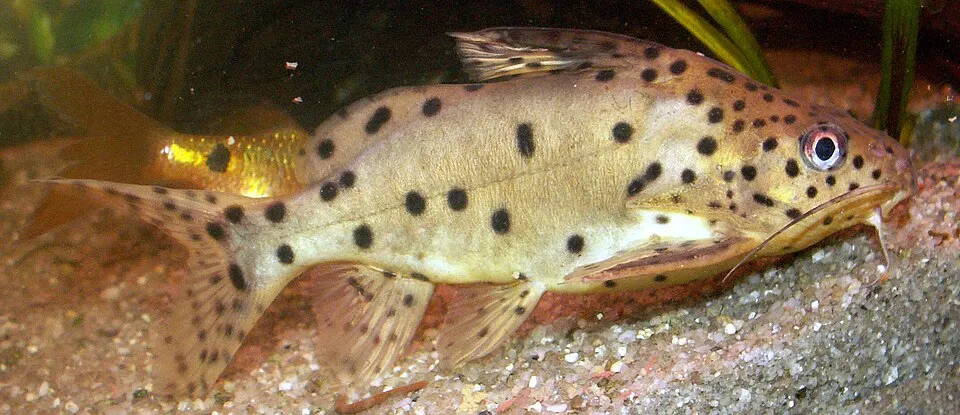 7.5 in (19 cm)40 gal (150 L)73–82°F (23–28°C)
Lake Malawi syno
Synodontis njassae
7.5 in (19 cm) · 40 gal (150 L)
 8.7 in (22 cm)79 gal (300 L)73–81°F (23–27°C)
Velifer squeaker
Synodontis velifer
8.7 in (22 cm) · 79 gal (300 L)