Variety of Black molly
Balloon molly
Poecilia sphenops
One of 4 varieties of Poecilia sphenops · See all varieties →
Also known as Black Balloon Molly
FreshwaterBrackishFish
Varieties · Poecilia sphenops
See all 4 →
Care at a glance
- Temperature
- 70–82°F
- 21–28°C
- pH
- 7.0–8.0
- Adult size
- 4.7 in
- 12 cm
- Minimum tank
- 24 gal
- 90 L
- Temperament
- Mostly peaceful
- Social behavior
- Social
- Swim level
- Middle
- Difficulty
- Easy
- Breeding
- Easy
- Rarity
- Very common
- Family
- Poeciliidae
Overview
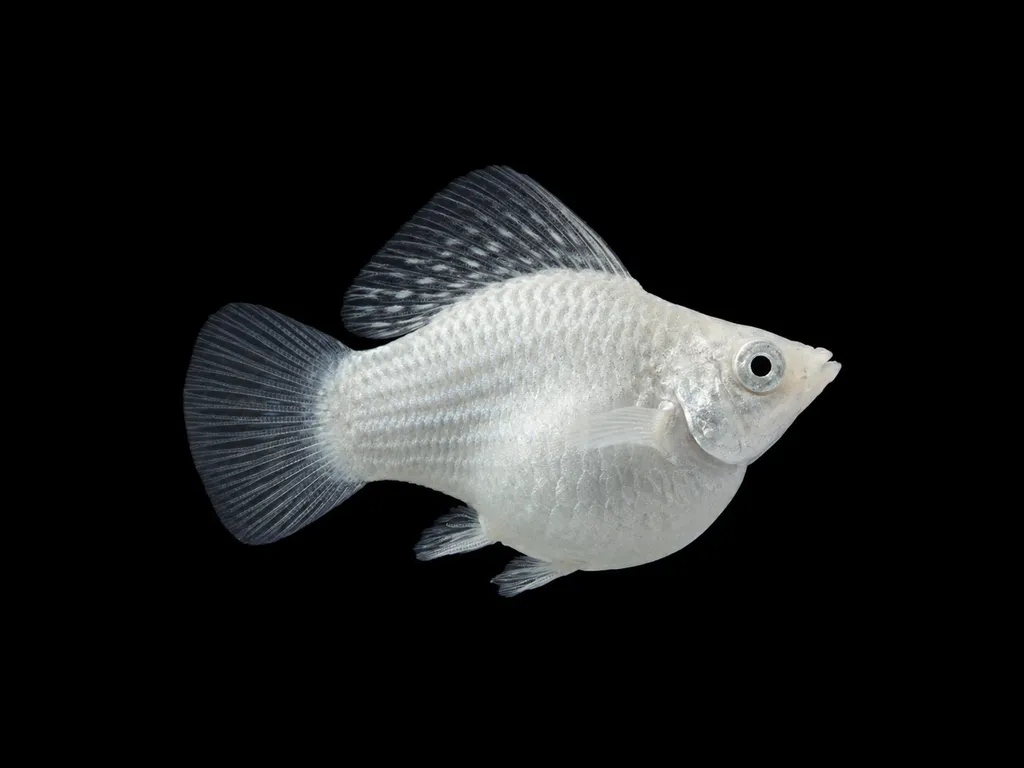
Balloon mollies are a short-body form, and the shape is the whole point of the line. They swim less efficiently than a standard molly, and one hobby reference describes them as poor swimmers outright. A second reference finds them lively enough but still advises watching them at feeding time against faster tankmates. They are sold in black, silver and dalmatian under the same shape label.
In the wild
Balloon is a bred deformity, not a wild form. The rounded outline traces to a shortened, curved spine that breeders selected and then fixed. It sits on the same mixed molly stock as the other trade forms, blending the short-finned and sailfin species. The originating farm and date are not documented.
Good to know
The shape traces to the spine. A genome-wide association study of a dwarf line of sailfin molly, which the authors themselves call the balloon belly molly, described that short form as having a short and dysplastic spine and mapped it to two genomic regions. Packing a full-length gut, swim bladder and, in females, developing fry into half the body length is the usual hobby explanation for the reported problems.
Did you know
Unlike most livebearer color forms, the balloon shape is contested rather than merely decorative. One hobby reference calls the abdominal cavity extremely deformed and notes the fish have been cited as an example of cruelty to animals. Another describes them as lively as any other molly, so the references do not agree, and keeping them is a judgment call rather than a care question.
Weekly picks
Tank mates
Balloon molly is a mostly peaceful, social species that keeps to the middle. These picks share a community profile with it, are safe together in both directions, and overlap on water type, temperature and pH.
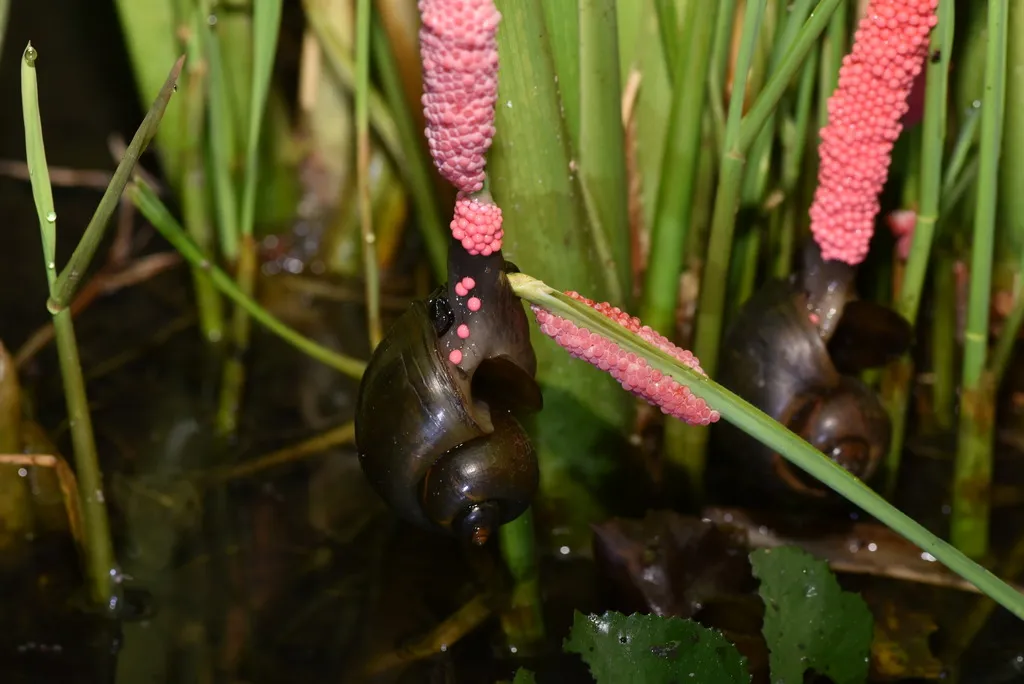
Apple snail
Pomacea canaliculata
Freshwater5.9 in (15 cm) · 21 gal (80 L)64–81°F (18–27°C)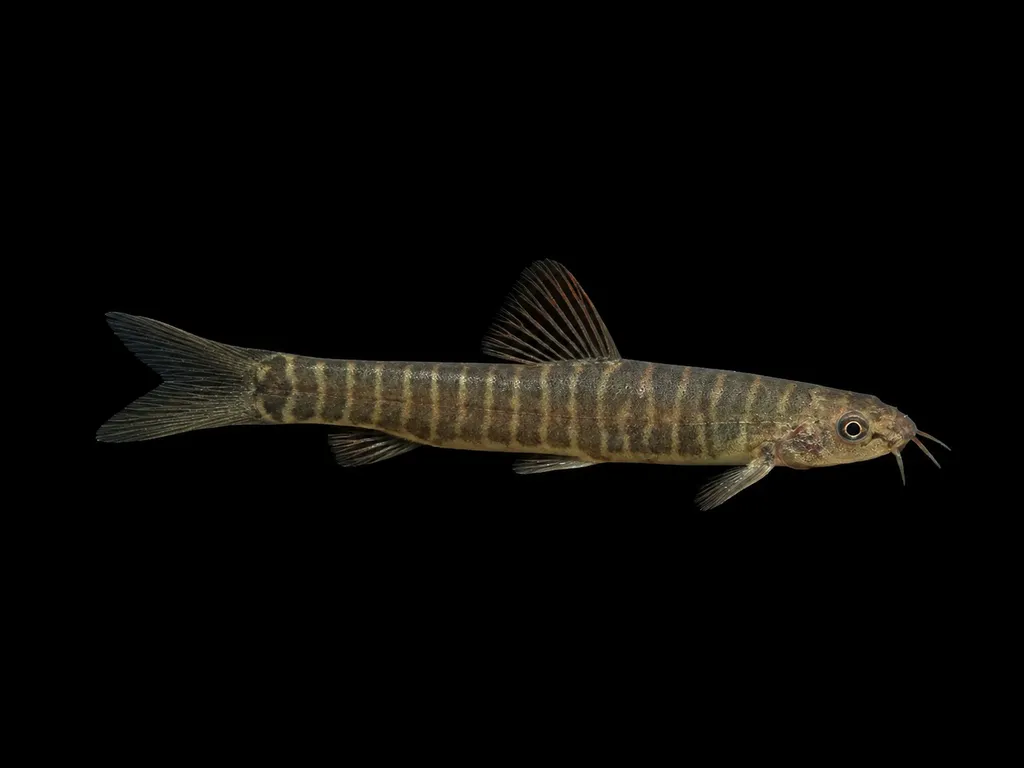
Flathead loach
Nemacheilus platiceps
Freshwater2.9 in (7.3 cm) · 24 gal (90 L)72–81°F (22–27°C)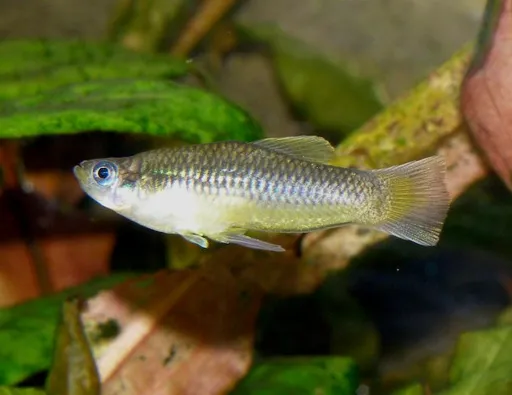
Blue-eyed livebearer
Priapella intermedia
Freshwater2.8 in (7 cm) · 24 gal (90 L)72–82°F (22–28°C)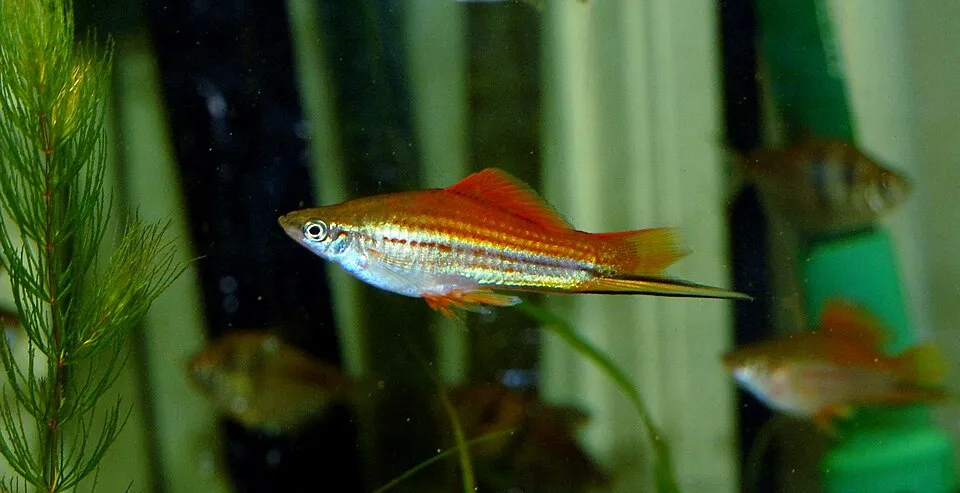
Green swordtail
Xiphophorus hellerii
Freshwater5.9 in (15 cm) · 24 gal (90 L)68–82°F (20–28°C)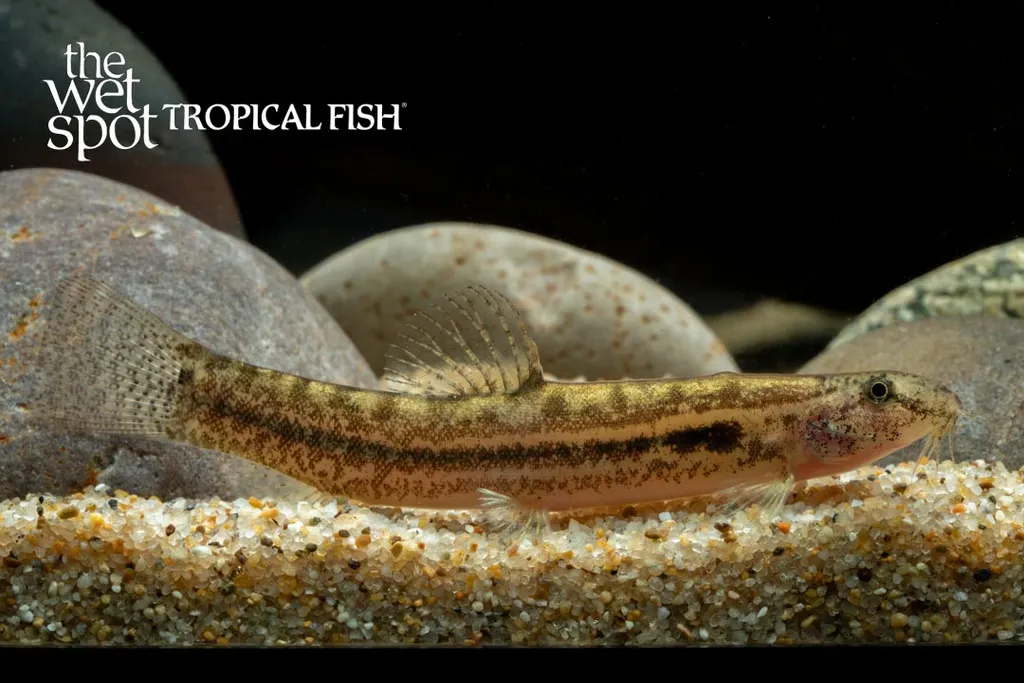
Guntea loach
Lepidocephalichthys guntea
Freshwater4.7 in (12 cm) · 24 gal (90 L)64–82°F (18–28°C)Siamese flying barb
Laubuka siamensis
Freshwater2.6 in (6.5 cm) · 24 gal (90 L)72–81°F (22–27°C)
Common questions
Is a Balloon molly a different species from the Black molly?
No. A Balloon molly is a variety of the Black molly, Poecilia sphenops, and it wants the same tank, water and food as the species.
What size tank does a Balloon molly need?
A Balloon molly needs at least 24 gal (90 L). It spends most of its time in the middle.
How big does a Balloon molly get?
An adult Balloon molly reaches about 4.7 in (12 cm).
Related species
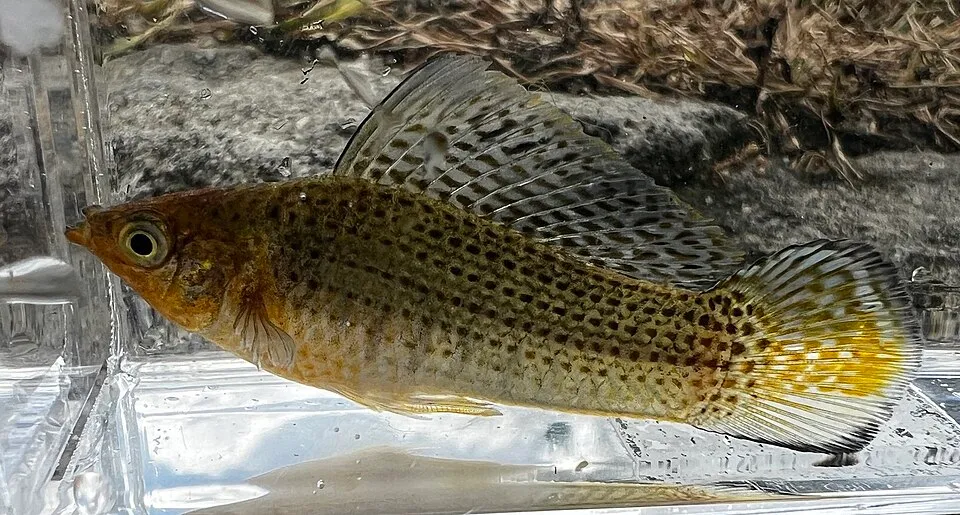 4.7 in (12 cm)24 gal (90 L)70–79°F (21–26°C)
Sailfin molly
Poecilia latipinna
4.7 in (12 cm) · 24 gal (90 L)
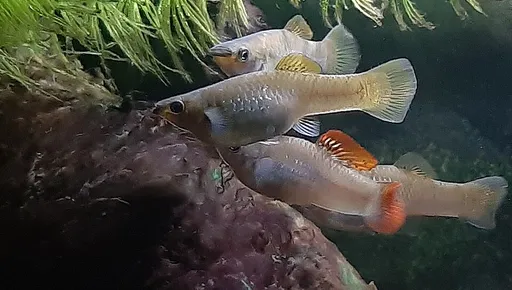 3.9 in (10 cm)24 gal (90 L)72–82°F (22–28°C)
Liberty molly
Poecilia salvatoris
3.9 in (10 cm) · 24 gal (90 L)
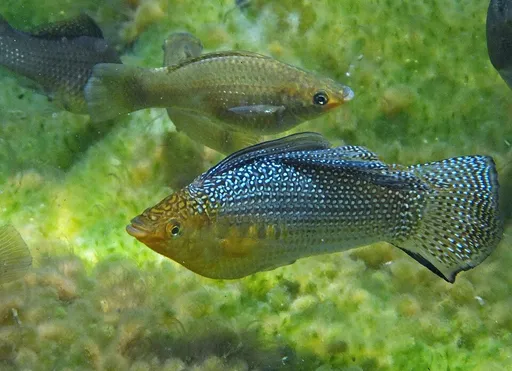 5.9 in (15 cm)30 gal (113 L)75–82°F (24–28°C)
Giant sailfin molly
Poecilia velifera
5.9 in (15 cm) · 30 gal (113 L)
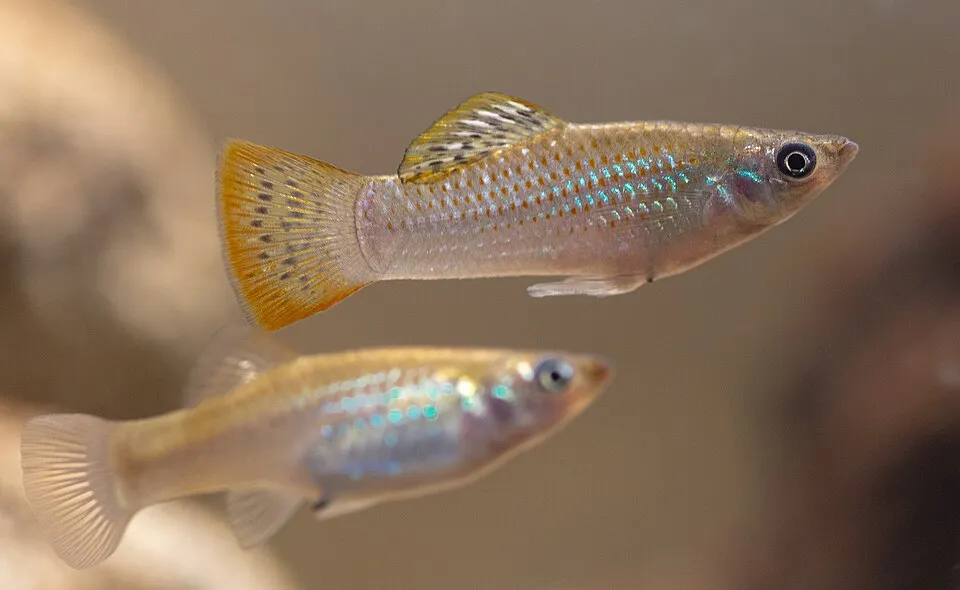 4.3 in (11 cm)32 gal (120 L)72–82°F (22–28°C)
Shortfin molly
Poecilia mexicana
4.3 in (11 cm) · 32 gal (120 L)
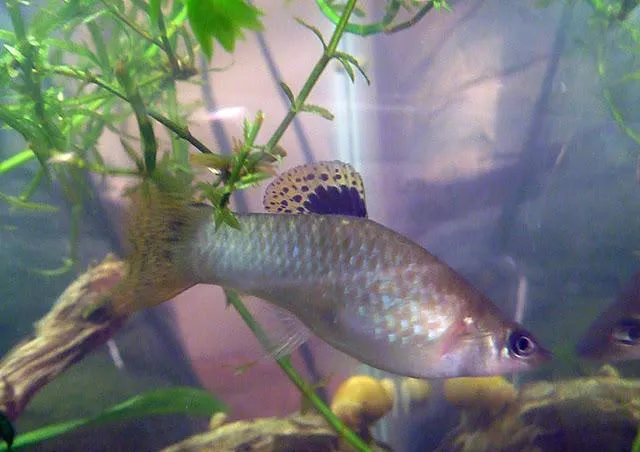 3.9 in (10 cm)26 gal (100 L)72–86°F (22–30°C)
Gill's molly
Poecilia gillii
3.9 in (10 cm) · 26 gal (100 L)
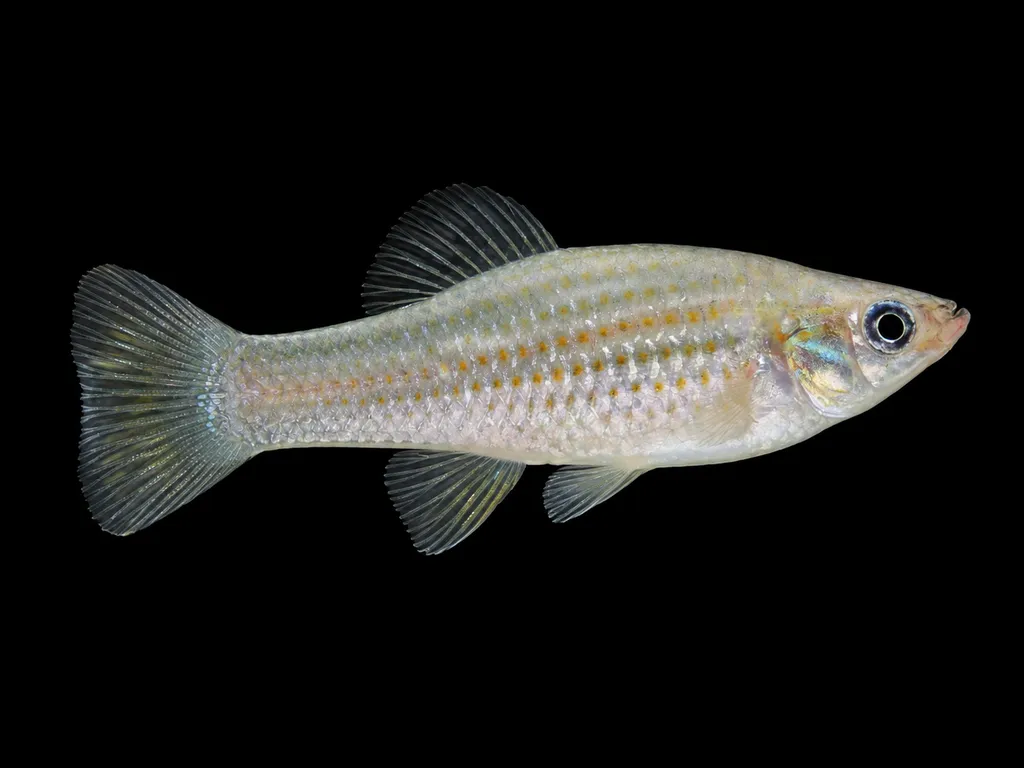 3.5 in (9 cm)20 gal (75 L)68–82°F (20–28°C)
Amazon molly
Poecilia formosa
3.5 in (9 cm) · 20 gal (75 L)