Variety of Black molly
Lyretail molly
Poecilia sphenops
One of 4 varieties of Poecilia sphenops · See all varieties →
Also known as Red Lyretail Molly, Gold Lyretail Molly, Black Lyretail Molly
FreshwaterBrackishFish
Varieties · Poecilia sphenops
See all 4 →
Care at a glance
- Temperature
- 70–82°F
- 21–28°C
- pH
- 7.0–8.0
- Adult size
- 4.7 in
- 12 cm
- Minimum tank
- 24 gal
- 90 L
- Temperament
- Mostly peaceful
- Social behavior
- Social
- Swim level
- Middle
- Difficulty
- Easy
- Breeding
- Easy
- Rarity
- Very common
- Family
- Poeciliidae
Overview
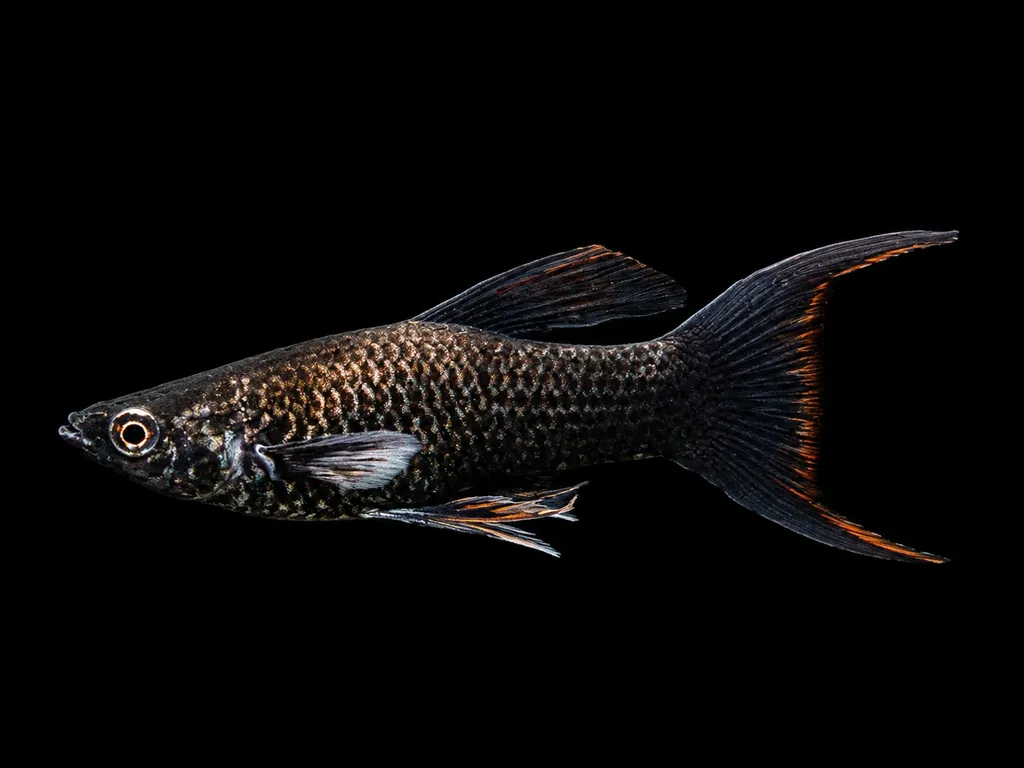
Lyretail is a finnage line rather than a color, so it stacks on black, gold, red and silver bodies. The drawn-out top and bottom tail lobes tear and fray more readily than a short tail, so sharp decor or a fin-nipping tankmate shows on these fish first. Grade by whether both lobes are even and intact, since ragged or one-sided tails are common.
In the wild
The lyretail came from a fin mutation in domesticated molly stock. It is one of several fin sports that breeders fixed and then bred into other color lines. Trade mollies already blend the short-finned and sailfin species, so a lyretail molly is a hybrid rather than one wild fish. Who first fixed it, and when, is not on record.
Good to know
Lyretail draws the top and bottom of the caudal fin out past the middle of it, the same fin shape as a lyretail swordtail. In the related Xiphophorus livebearers the trait is documented as dominant, and hobby breeders treat it the same way in mollies, so crossing a lyretail to a short-finned fish puts it in a large share of the fry. That cross is how most lines are kept going.
Did you know
The lyretail gene causes real trouble in a close relative and not here. In the lyretail swordtail the gonopodium, the modified anal fin a male livebearer mates with, overdevelops until the male cannot inseminate a female, and an artificial insemination procedure has been published for that fish. Lyretail mollies are the exception, and a hobby reference reports that they generally breed normally.
Weekly picks
Tank mates
Lyretail molly is a mostly peaceful, social species that keeps to the middle. These picks share a community profile with it, are safe together in both directions, and overlap on water type, temperature and pH.
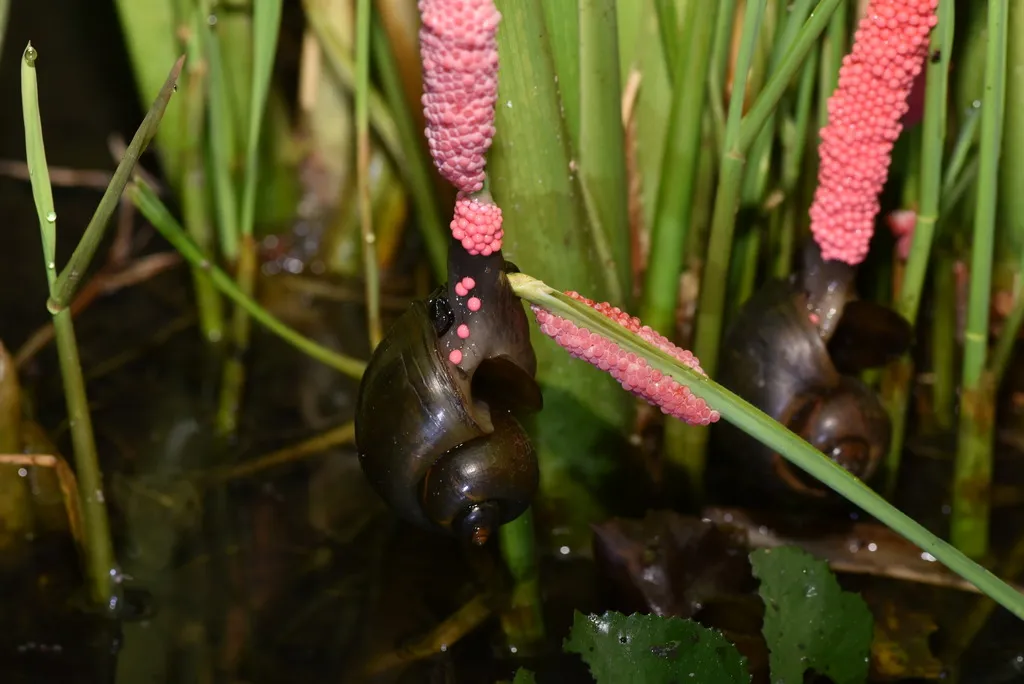
Apple snail
Pomacea canaliculata
Freshwater5.9 in (15 cm) · 21 gal (80 L)64–81°F (18–27°C)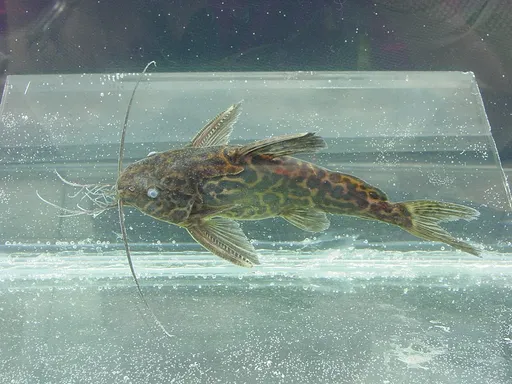
Vermiculated squeaker
Synodontis schoutedeni
Freshwater5.9 in (15 cm) · 24 gal (90 L)72–81°F (22–27°C)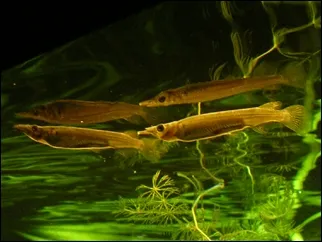
Wrestling halfbeak
Dermogenys pusilla
FreshwaterBrackish2.8 in (7 cm) · 25 gal (95 L)75–82°F (24–28°C)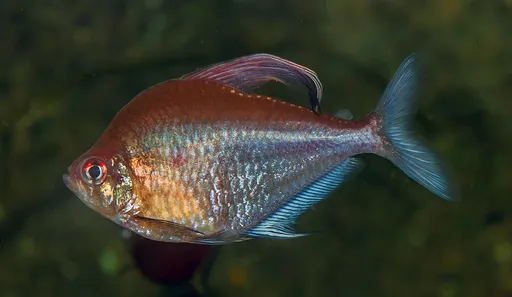
Lesser bleeding heart tetra
Hyphessobrycon socolofi
Freshwater2.2 in (5.6 cm) · 24 gal (90 L)73–82°F (23–28°C)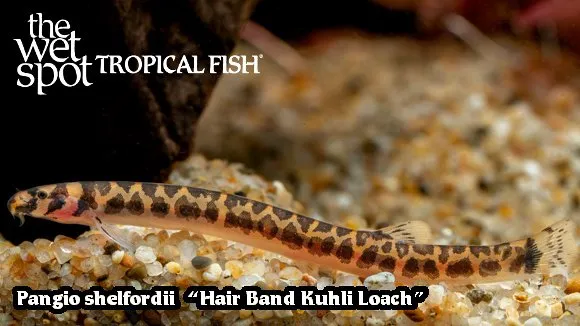
Shelford's kuhli loach
Pangio shelfordii
Freshwater3.1 in (8 cm) · 24 gal (90 L)72–81°F (22–27°C)Siamese flying barb
Laubuka siamensis
Freshwater2.6 in (6.5 cm) · 24 gal (90 L)72–81°F (22–27°C)
Common questions
Is a Lyretail molly a different species from the Black molly?
No. A Lyretail molly is a variety of the Black molly, Poecilia sphenops, and it wants the same tank, water and food as the species.
What size tank does a Lyretail molly need?
A Lyretail molly needs at least 24 gal (90 L). It spends most of its time in the middle.
How big does a Lyretail molly get?
An adult Lyretail molly reaches about 4.7 in (12 cm).
Related species
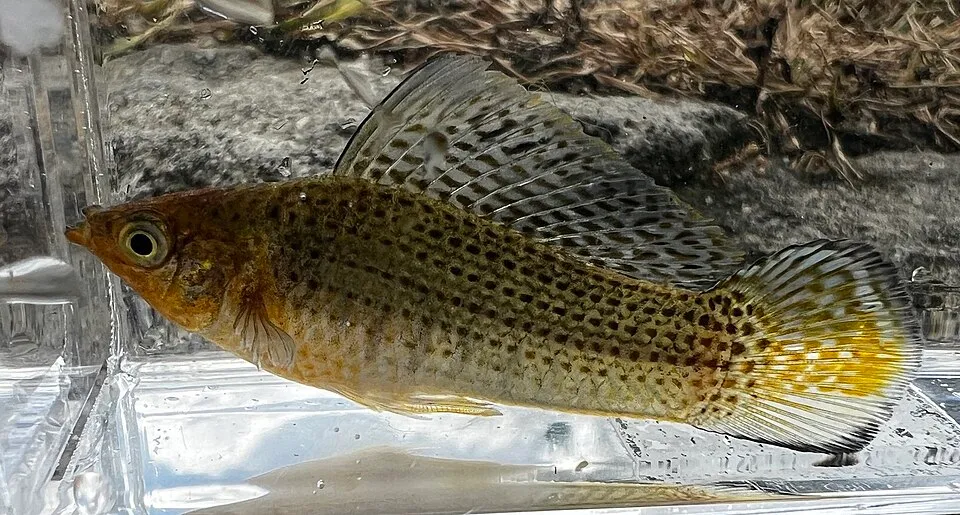 4.7 in (12 cm)24 gal (90 L)70–79°F (21–26°C)
Sailfin molly
Poecilia latipinna
4.7 in (12 cm) · 24 gal (90 L)
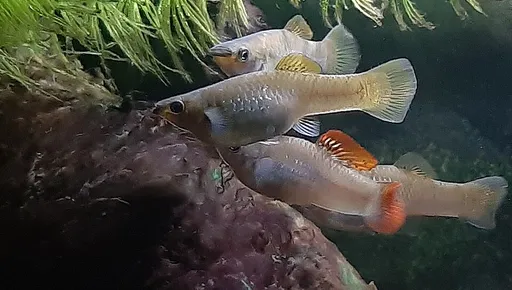 3.9 in (10 cm)24 gal (90 L)72–82°F (22–28°C)
Liberty molly
Poecilia salvatoris
3.9 in (10 cm) · 24 gal (90 L)
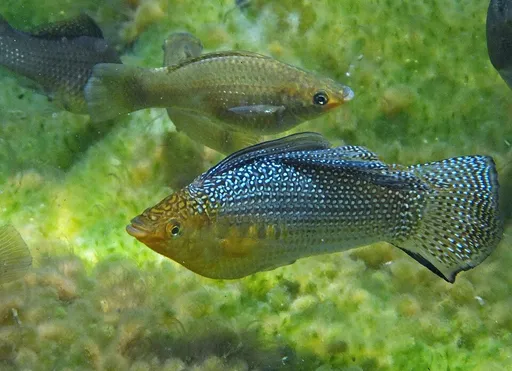 5.9 in (15 cm)30 gal (113 L)75–82°F (24–28°C)
Giant sailfin molly
Poecilia velifera
5.9 in (15 cm) · 30 gal (113 L)
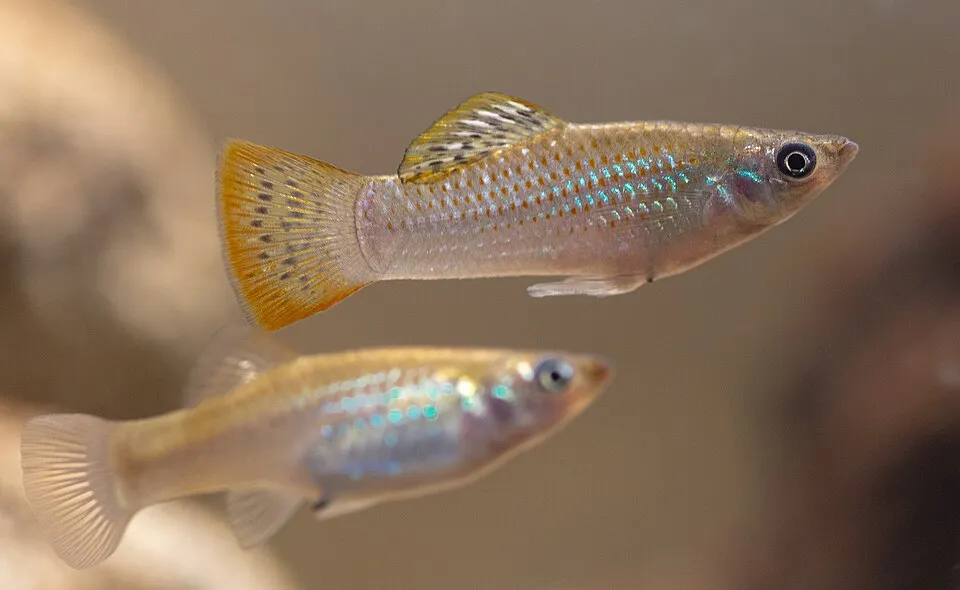 4.3 in (11 cm)32 gal (120 L)72–82°F (22–28°C)
Shortfin molly
Poecilia mexicana
4.3 in (11 cm) · 32 gal (120 L)
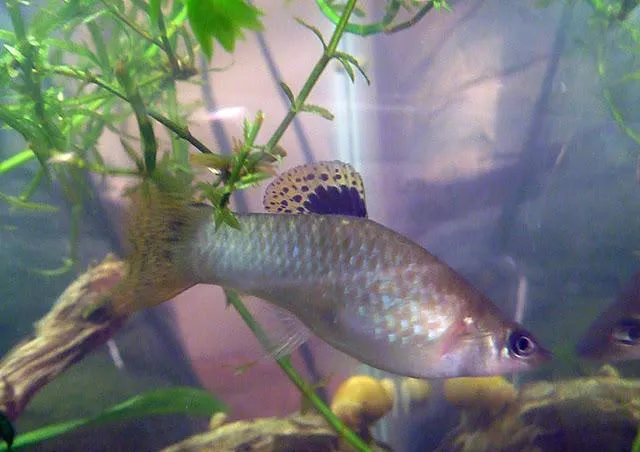 3.9 in (10 cm)26 gal (100 L)72–86°F (22–30°C)
Gill's molly
Poecilia gillii
3.9 in (10 cm) · 26 gal (100 L)
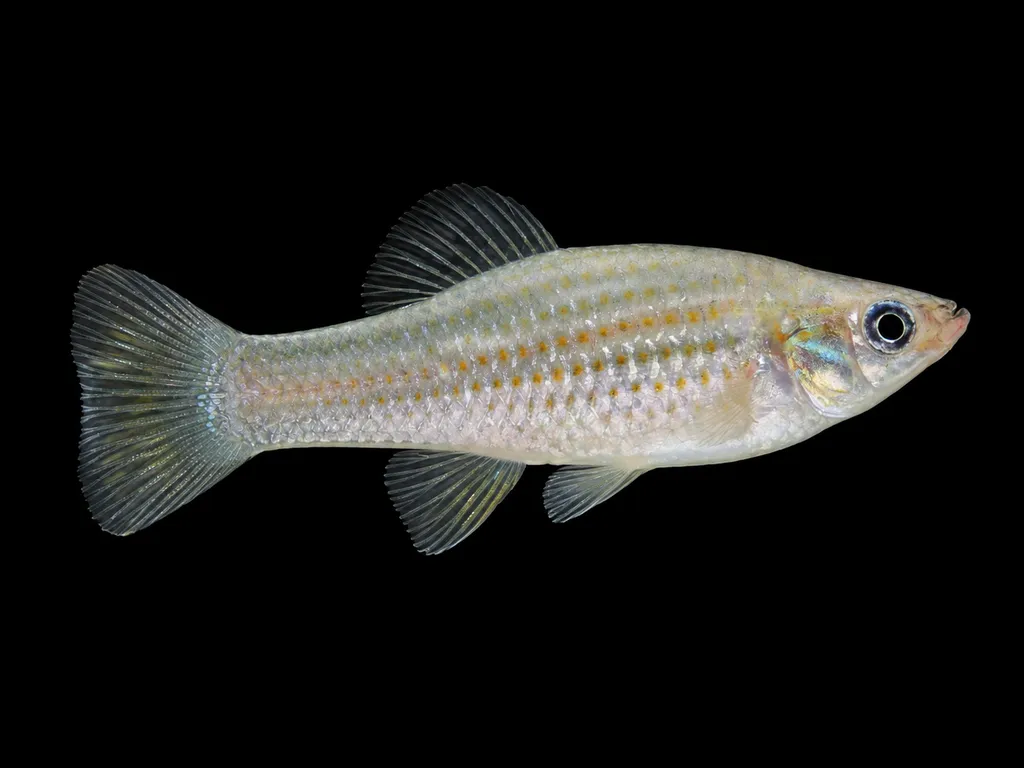 3.5 in (9 cm)20 gal (75 L)68–82°F (20–28°C)
Amazon molly
Poecilia formosa
3.5 in (9 cm) · 20 gal (75 L)