Elephant baby whale
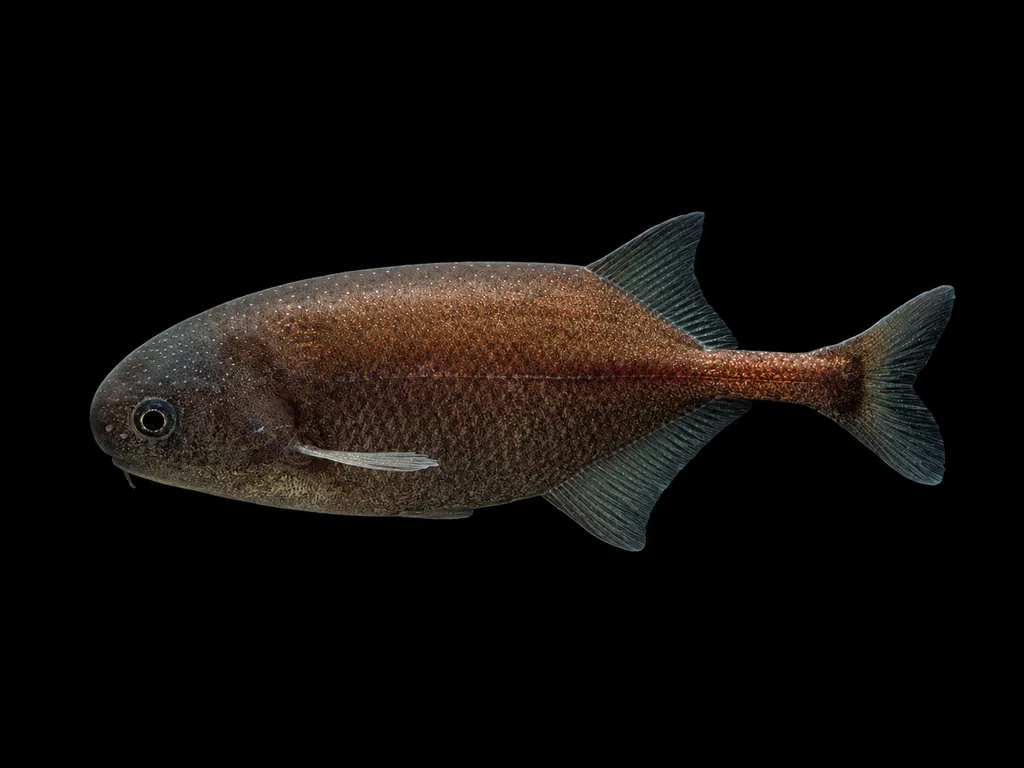
Pollimyrus isidori
Also known as Isidori baby whale, Dwarf elephantnose, Round nose whale
FreshwaterFish
Care at a glance
- Temperature
- 75–82°F
- 24–28°C
- pH
- 6.5–7.8
- Adult size
- 3.9 in
- 10 cm
- Minimum tank
- 29 gal
- 110 L
- Temperament
- Mostly peaceful
- Social behavior
- Solitary
- Tankmates
- With caution
- Swim level
- Bottom
- Diet
- Carnivore
- Difficulty
- Difficult
- Breeding
- No record
- Rarity
- Rare
- Family
- Mormyridae
- Origin
- Nile and Sahelian basins
Overview
The elephant baby whale is a small, plump, secretive elephantfish for a quiet, well-planted tank. It is difficult to keep well.
Did you know
Courting male elephant baby whales also sing. They make grunts, moans and growls with the swim bladder to serenade females. Each male's song is distinct enough to work like a personal signature.
Caring for the elephant baby whale
Give an elephant baby whale a tank of at least 29 gal (110 L). Provide a soft sand bed, dense planting and wood for cover, subdued light and gentle filtration.
Keep the water warm and neutral to slightly alkaline, at 75 to 82°F (24 to 28°C) and a pH of 6.5 to 7.8. Hold it very steady and spotless, and avoid copper medications, as with other mormyrids. Feed small meaty foods such as bloodworm, blackworm and daphnia after dark, when it forages.
Keep it singly, since it can be territorial toward its own kind in the space a home tank offers. Choose tank mates with caution, sticking to small, calm fish that are not greedy at feeding time.
The elephant baby whale is one of the very few mormyrids to have spawned in captivity, in research settings. There, the males build and guard nests. Routine aquarium breeding is not established.
Good to know
The elephant baby whale is an elephantfish of the family Mormyridae, and it matures at around 6 cm. It senses and communicates through a weak electric organ discharge, like the rest of its family. It is also sold as the Isidori baby whale, dwarf elephantnose or round nose whale.
In the wild
The elephant baby whale is found across the Nile and the Sahelian rivers of Africa. It keeps to weedy, sheltered margins and slow water.
Common questions
What size tank does an elephant baby whale need?
An elephant baby whale needs at least 29 gal (110 L). It spends most of its time in the bottom.
What temperature and pH does an elephant baby whale need?
An elephant baby whale is comfortable at 75–82°F (24–28°C) with a pH of 6.5–7.8.
What does an elephant baby whale eat?
An elephant baby whale eats small meaty foods such as bloodworm, blackworm and daphnia. Feed it after dark, when it forages.
How big does an elephant baby whale get?
An adult elephant baby whale reaches about 3.9 in (10 cm).
How does an elephant baby whale breed?
Elephant baby whales have spawned in captivity in research settings, where the males build and guard nests. Routine aquarium breeding is not established.
Related species
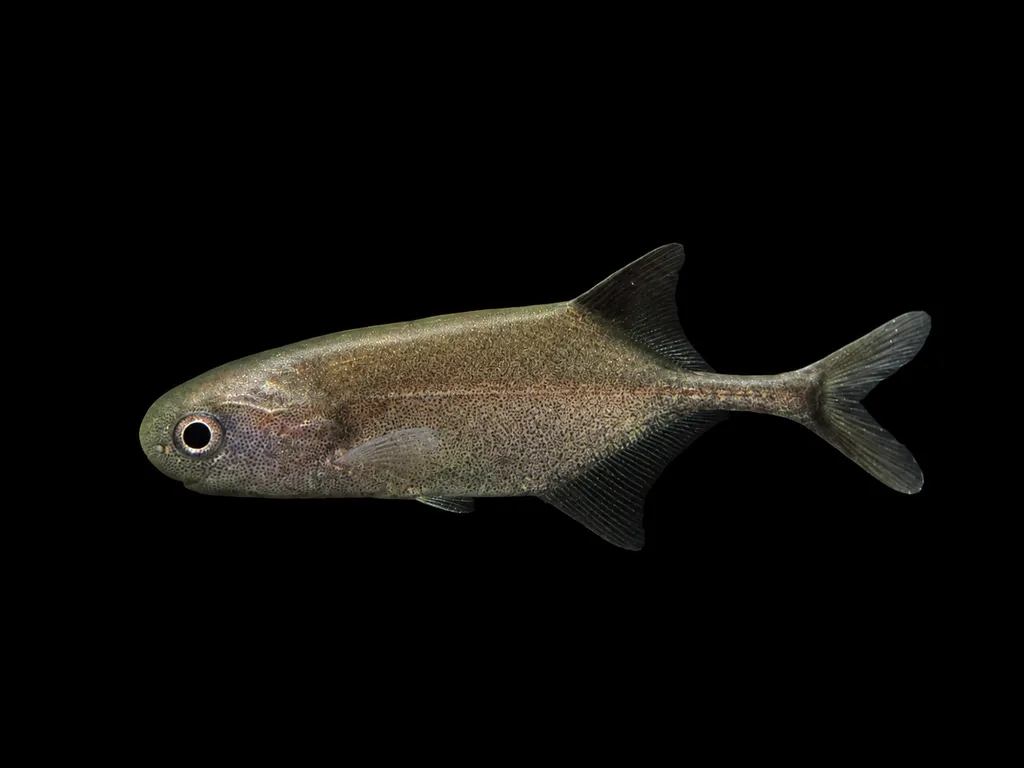 4.7 in (12 cm)42 gal (160 L)75–82°F (24–28°C)
Churchill mormyrid
Petrocephalus simus
4.7 in (12 cm) · 42 gal (160 L)
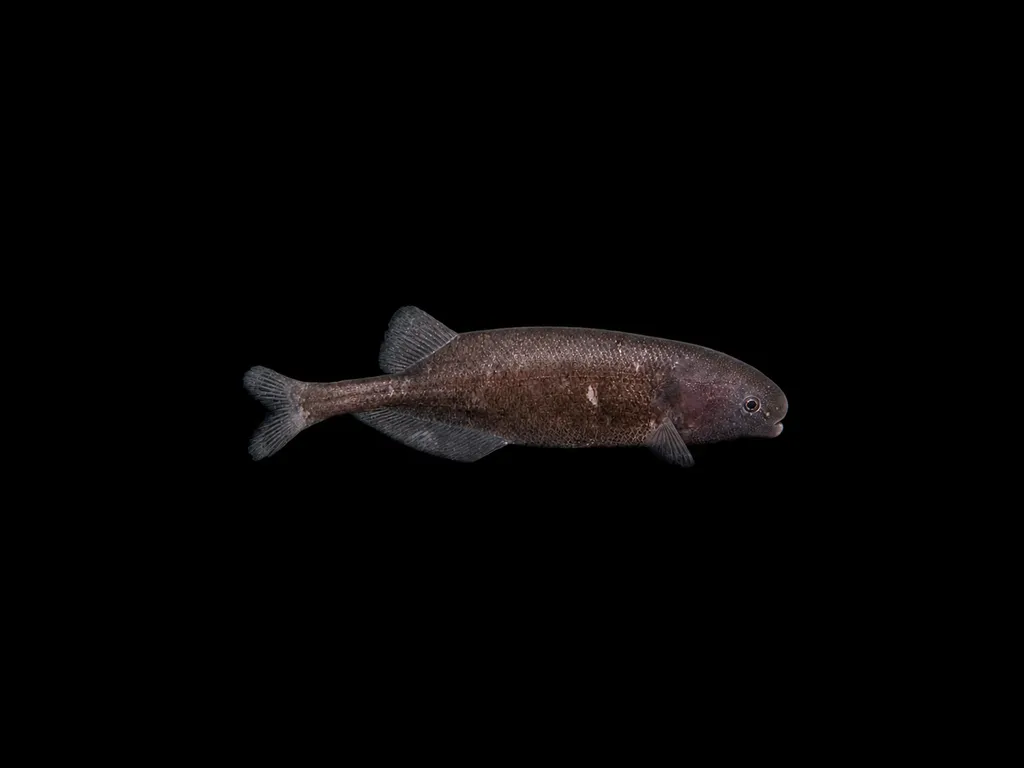 7.9 in (20 cm)53 gal (200 L)75–82°F (24–28°C)
Shortfin baby whale
Brienomyrus brachyistius
7.9 in (20 cm) · 53 gal (200 L)
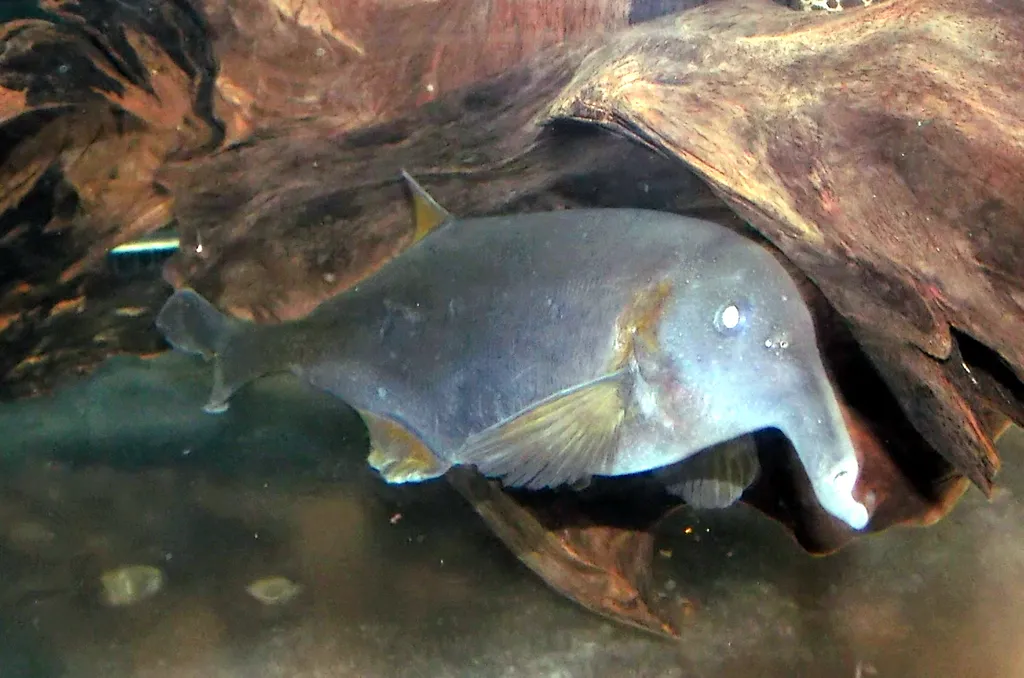 8.7 in (22 cm)79 gal (300 L)75–82°F (24–28°C)
Curved snout mormyrid
Campylomormyrus rhynchophorus
8.7 in (22 cm) · 79 gal (300 L)
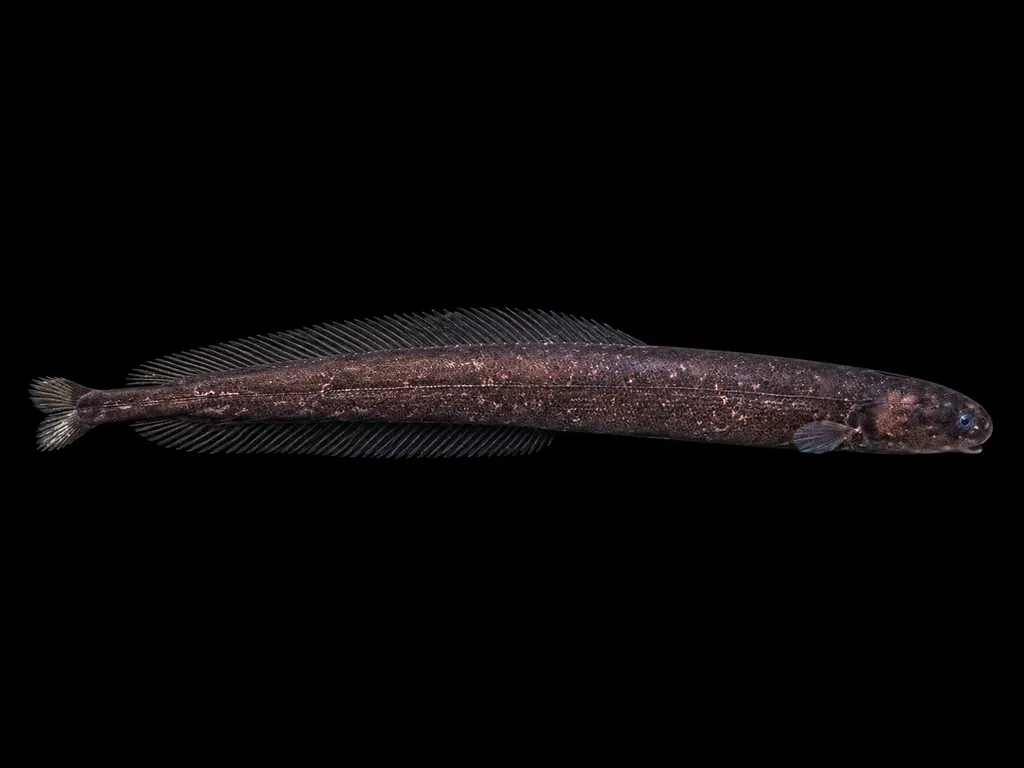 11.4 in (29 cm)79 gal (300 L)73–82°F (23–28°C)
Eel mormyrid
Isichthys henryi
11.4 in (29 cm) · 79 gal (300 L)
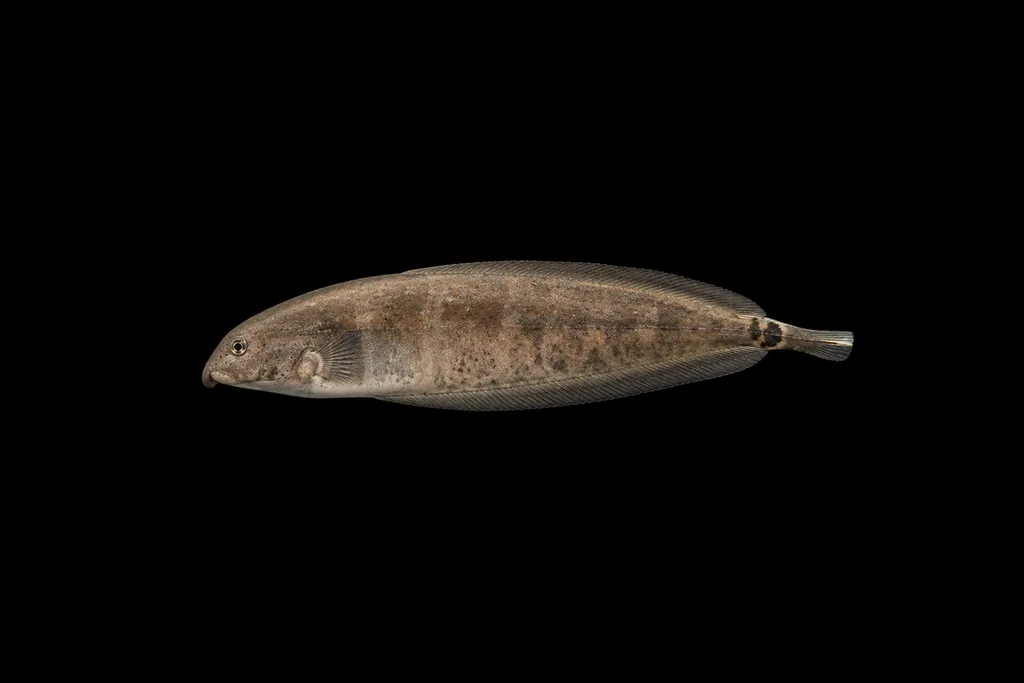 11.8 in (30 cm)159 gal (600 L)73–82°F (23–28°C)
Painted mormyrid
Hippopotamyrus pictus
11.8 in (30 cm) · 159 gal (600 L)
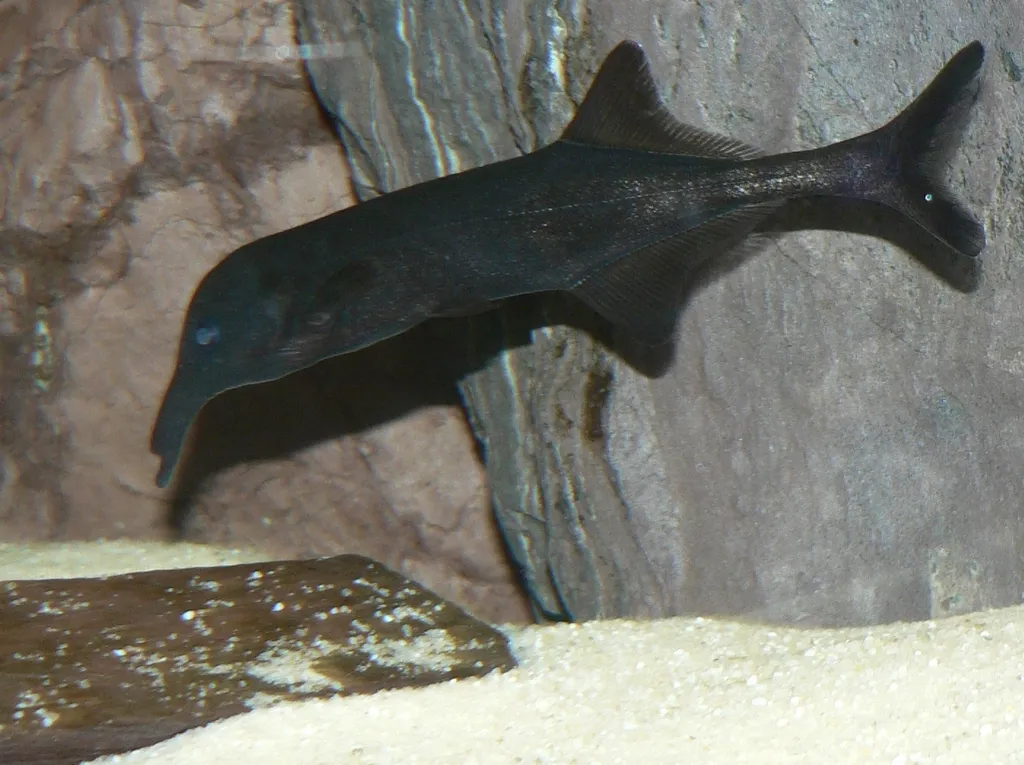 15.7 in (40 cm)119 gal (450 L)75–82°F (24–28°C)
Elephant trunk mormyrid
Campylomormyrus elephas
15.7 in (40 cm) · 119 gal (450 L)