Curved snout mormyrid
Campylomormyrus rhynchophorus
Also known as Rhynchophorus elephantnose, Long nosed elephant nose
FreshwaterFish
Care at a glance
- Temperature
- 75–82°F
- 24–28°C
- pH
- 6.0–7.5
- Adult size
- 8.7 in
- 22 cm
- Minimum tank
- 79 gal
- 300 L
- Temperament
- Mostly peaceful
- Social behavior
- Solitary
- Tankmates
- With caution
- Swim level
- Bottom
- Diet
- Carnivore
- Difficulty
- Difficult
- Breeding
- No record
- Rarity
- Rare
- Family
- Mormyridae
- Origin
- Congo basin
Overview
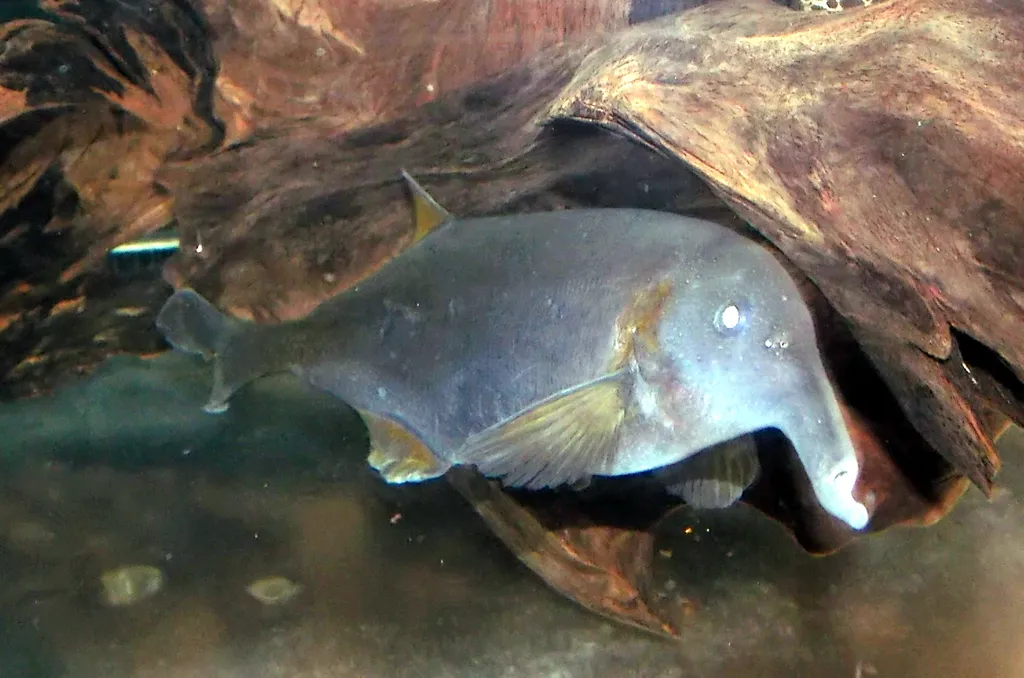
The curved snout mormyrid is a medium-sized elephantfish with a long, down-curved trunk for probing the bottom. It is hard to keep and best suited to an experienced aquarist.
Did you know
Curved snout mormyrids and their close Campylomormyrus relatives can look almost identical, yet each species produces an electric pulse of its own shape and length. The fish use those pulses to recognize their own kind.
Caring for the curved snout mormyrid
A curved snout mormyrid needs a tank of at least 79 gal (300 L). Combine open patches of soft sand, where it can dig without damaging its sensitive snout, with stone and wood for cover. Keep the lighting low and add a gentle current, which suits its river origins.
Hold the water warm and soft to neutral, at 75 to 82°F (24 to 28°C) and a pH of 6.0 to 7.5. Keep it very steady, since these fish are quick to suffer in unstable or medicated water. Feed meaty sinking foods such as bloodworm and blackworm in the evening.
Keep it singly, because it is intolerant of its own kind. Pick tank mates with caution, choosing calm, similarly sized fish that will not bully it or strip its food. Its breeding is not recorded in aquaria.
Good to know
The curved snout mormyrid is an elephantfish of the family Mormyridae. Its genus name, Campylomormyrus, means bent or curved mormyrid, after the strongly down-curved snout. That snout is an extension of the jaws, not a true nose, and its tip carries electroreceptors and is sensitive to touch. It is also sold as the Rhynchophorus elephantnose or long nosed elephant nose.
In the wild
The curved snout mormyrid lives in the Congo River basin. It works rocky and sandy stretches of river with its curved snout.
Common questions
What size tank does a curved snout mormyrid need?
A curved snout mormyrid needs at least 79 gal (300 L). It spends most of its time in the bottom.
What temperature and pH does a curved snout mormyrid need?
A curved snout mormyrid is comfortable at 75–82°F (24–28°C) with a pH of 6.0–7.5.
What does a curved snout mormyrid eat?
A curved snout mormyrid eats meaty sinking foods such as bloodworm and blackworm. Feed it in the evening.
How big does a curved snout mormyrid get?
An adult curved snout mormyrid reaches about 8.7 in (22 cm).
Related species
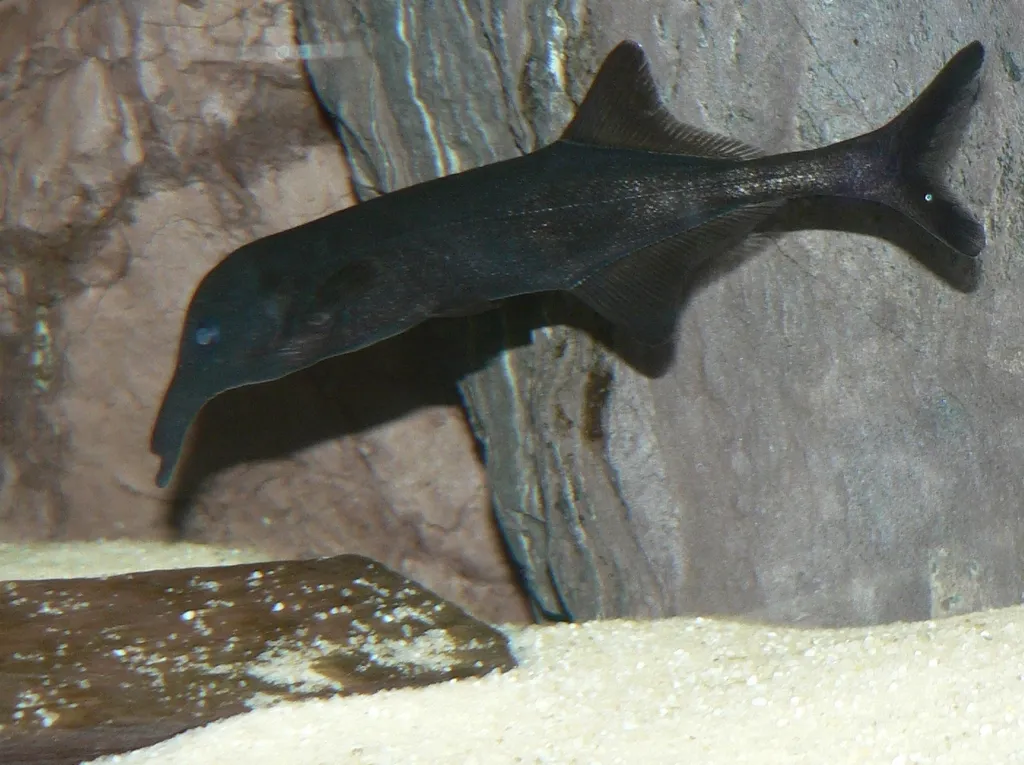 15.7 in (40 cm)119 gal (450 L)75–82°F (24–28°C)
Elephant trunk mormyrid
Campylomormyrus elephas
15.7 in (40 cm) · 119 gal (450 L)
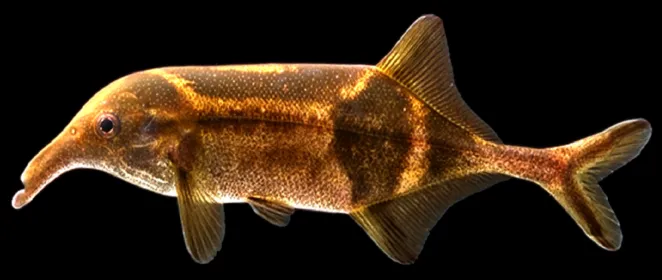 15.7 in (40 cm)172 gal (650 L)73–82°F (23–28°C)
Blunt-jawed elephantnose
Campylomormyrus tamandua
15.7 in (40 cm) · 172 gal (650 L)
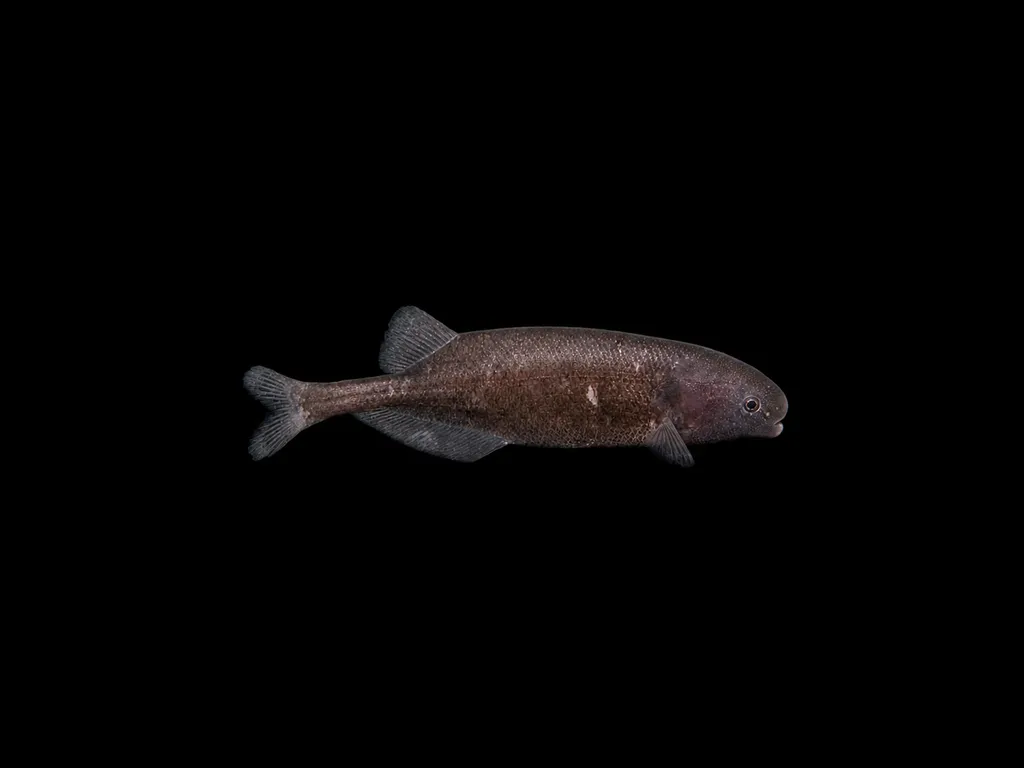 7.9 in (20 cm)53 gal (200 L)75–82°F (24–28°C)
Shortfin baby whale
Brienomyrus brachyistius
7.9 in (20 cm) · 53 gal (200 L)
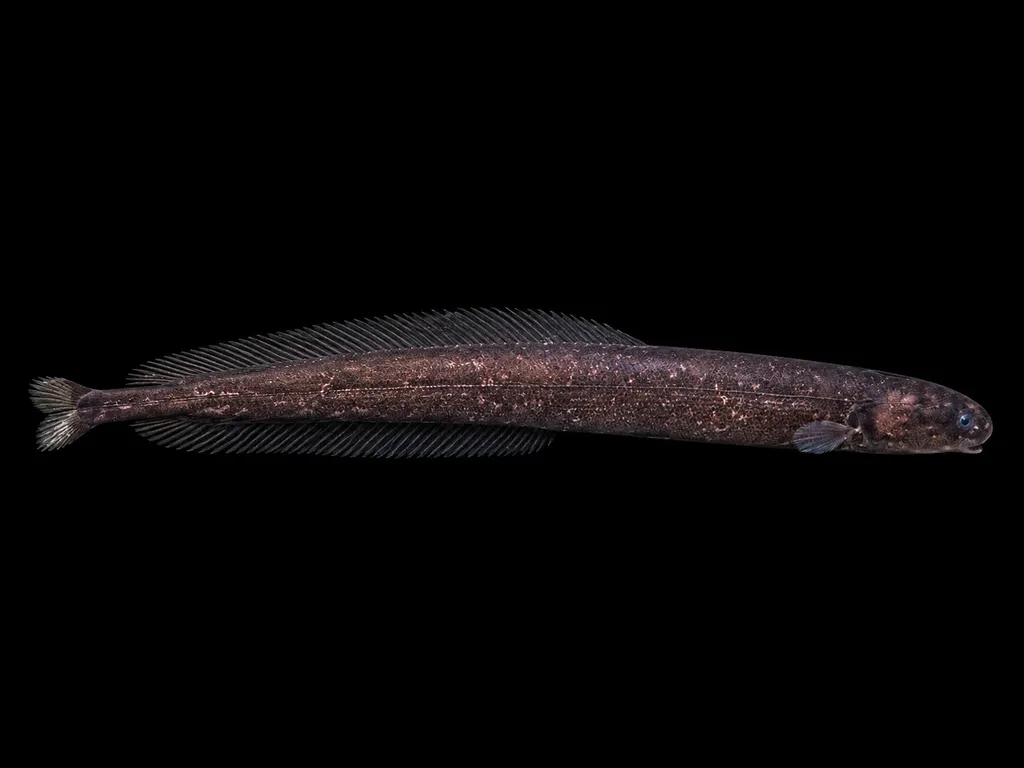 11.4 in (29 cm)79 gal (300 L)73–82°F (23–28°C)
Eel mormyrid
Isichthys henryi
11.4 in (29 cm) · 79 gal (300 L)
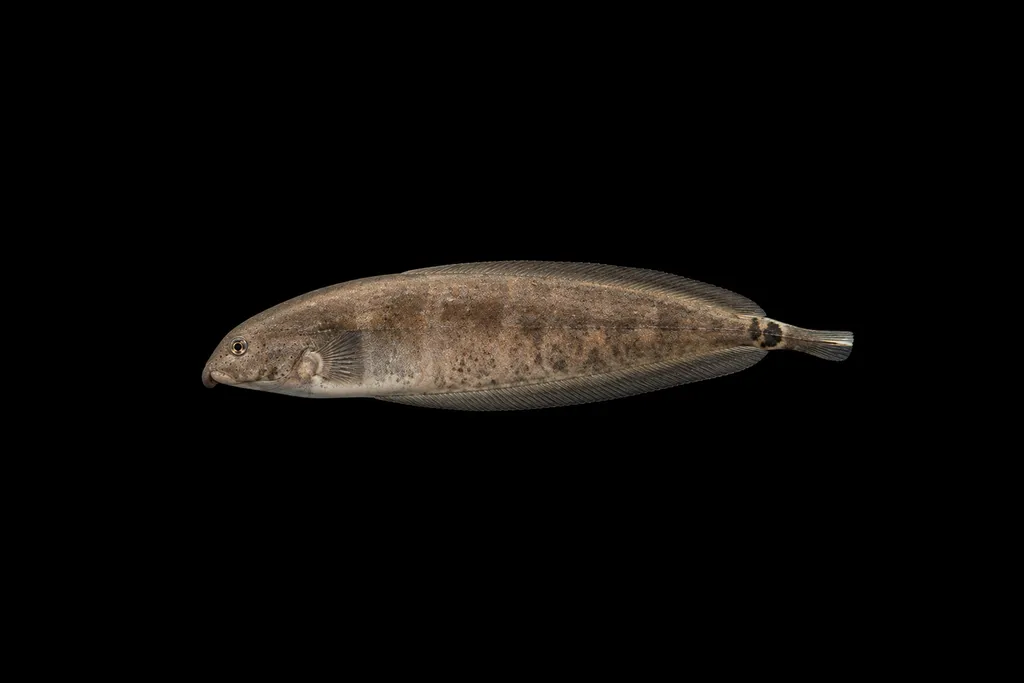 11.8 in (30 cm)159 gal (600 L)73–82°F (23–28°C)
Painted mormyrid
Hippopotamyrus pictus
11.8 in (30 cm) · 159 gal (600 L)
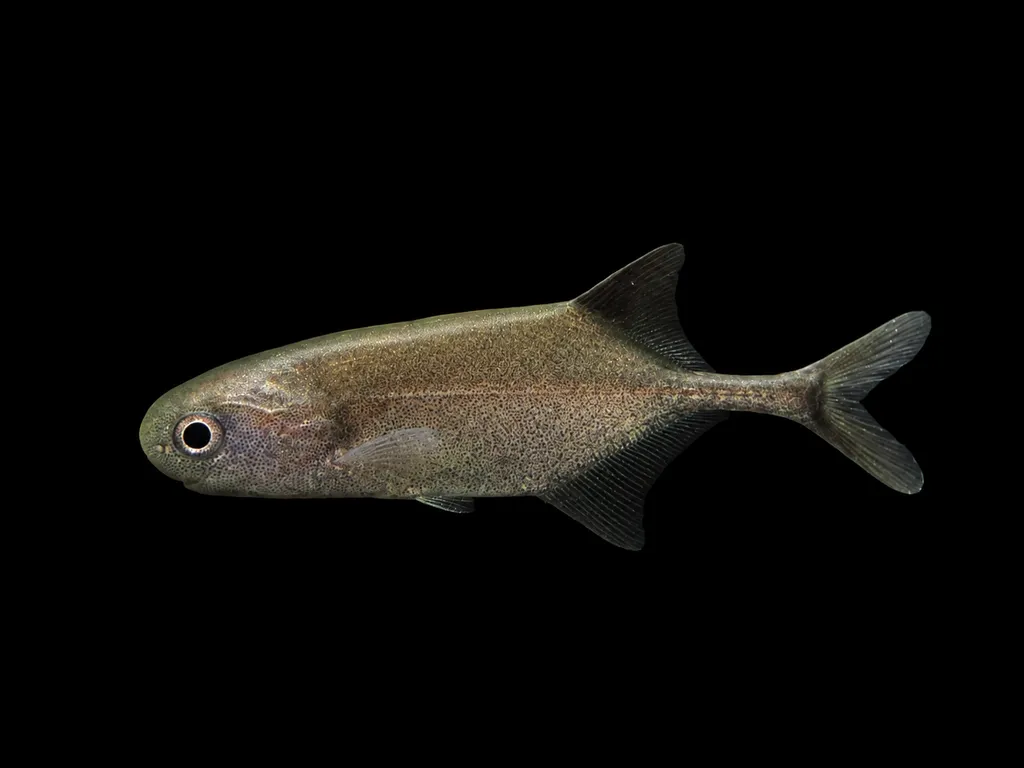 4.7 in (12 cm)42 gal (160 L)75–82°F (24–28°C)
Churchill mormyrid
Petrocephalus simus
4.7 in (12 cm) · 42 gal (160 L)