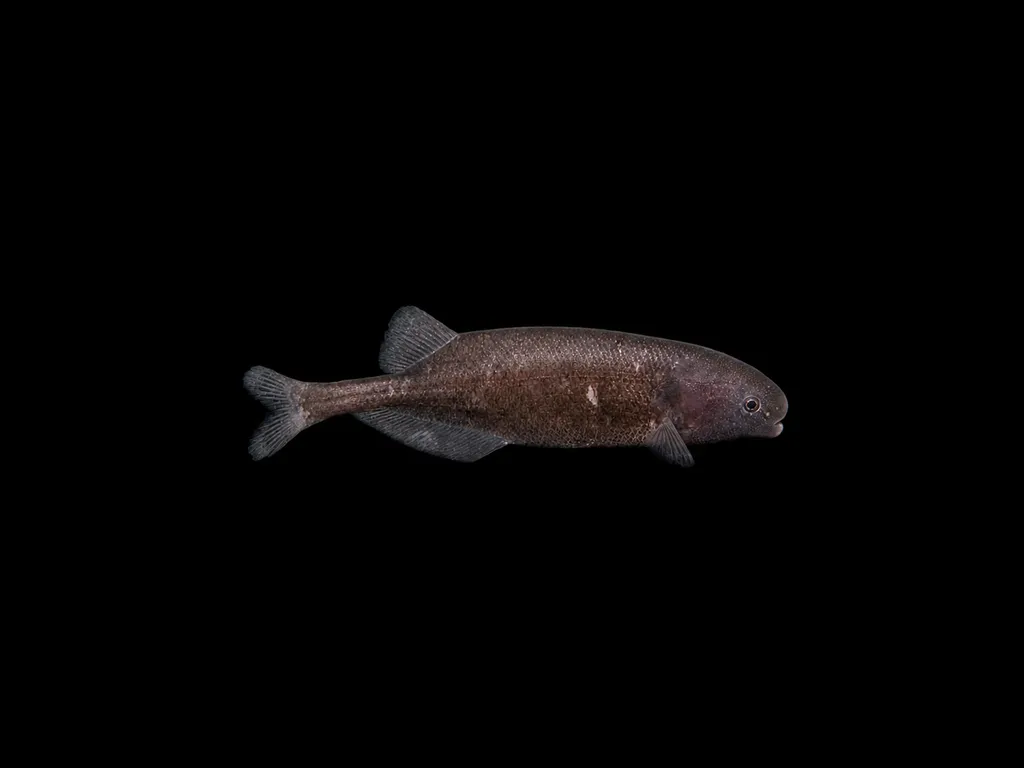
Shortfin baby whale
Brienomyrus brachyistius
Also known as Brachyistius mormyrid
FreshwaterFish
Care at a glance
- Temperature
- 75–82°F
- 24–28°C
- pH
- 6.0–7.5
- Adult size
- 7.9 in
- 20 cm
- Minimum tank
- 53 gal
- 200 L
- Temperament
- Mostly peaceful
- Social behavior
- Solitary
- Tankmates
- With caution
- Swim level
- Bottom
- Diet
- Carnivore
- Difficulty
- Difficult
- Breeding
- No record
- Rarity
- Rare
- Family
- Mormyridae
- Origin
- West African coastal rivers
Overview
The shortfin baby whale is a hardy but sensitive elephantfish for a quiet, dimly lit tank. It is a challenge best taken on by experienced keepers.
Did you know
Every shortfin baby whale produces an electric pulse of slightly different shape. Researchers can tell one fish from another by its discharge alone, much as a voiceprint identifies a person.
Caring for the shortfin baby whale
House a shortfin baby whale in a tank of at least 53 gal (200 L), with low light. Provide a soft sand substrate, botanicals, plenty of driftwood and rock cover, and gentle filtration.
Keep the water warm and soft to neutral, at 75 to 82°F (24 to 28°C) and a pH of 6.0 to 7.5. Hold conditions very steady and the water clean, and never treat the tank with copper. Feed meaty foods such as bloodworm and blackworm after dark, leaning on live and frozen items.
Keep it singly, as it does not reliably tolerate its own kind in the space a home aquarium provides. Pick tank mates with caution, choosing calm, similarly sized fish that will not outcompete it. As a wild-caught, electrically sensitive fish, it needs calm surroundings. Its breeding is not established in aquaria.
Good to know
The shortfin baby whale is an elephantfish of the family Mormyridae and one of the small West African baby whales. It communicates through a weak electric organ discharge from its tail. It is a favorite research subject, because the shape of its discharge encodes species, sex and social rank. It is also known as the Brachyistius mormyrid.
In the wild
The shortfin baby whale lives in the coastal rivers and streams of West Africa. It hunts through leaf litter and cover in warm, soft, slow water.
Common questions
What size tank does a shortfin baby whale need?
A shortfin baby whale needs at least 53 gal (200 L). It spends most of its time in the bottom.
What temperature and pH does a shortfin baby whale need?
A shortfin baby whale is comfortable at 75–82°F (24–28°C) with a pH of 6.0–7.5.
What does a shortfin baby whale eat?
A shortfin baby whale eats meaty foods such as bloodworm and blackworm, mostly live and frozen. Feed it after dark.
How big does a shortfin baby whale get?
An adult shortfin baby whale reaches about 7.9 in (20 cm).
Related species
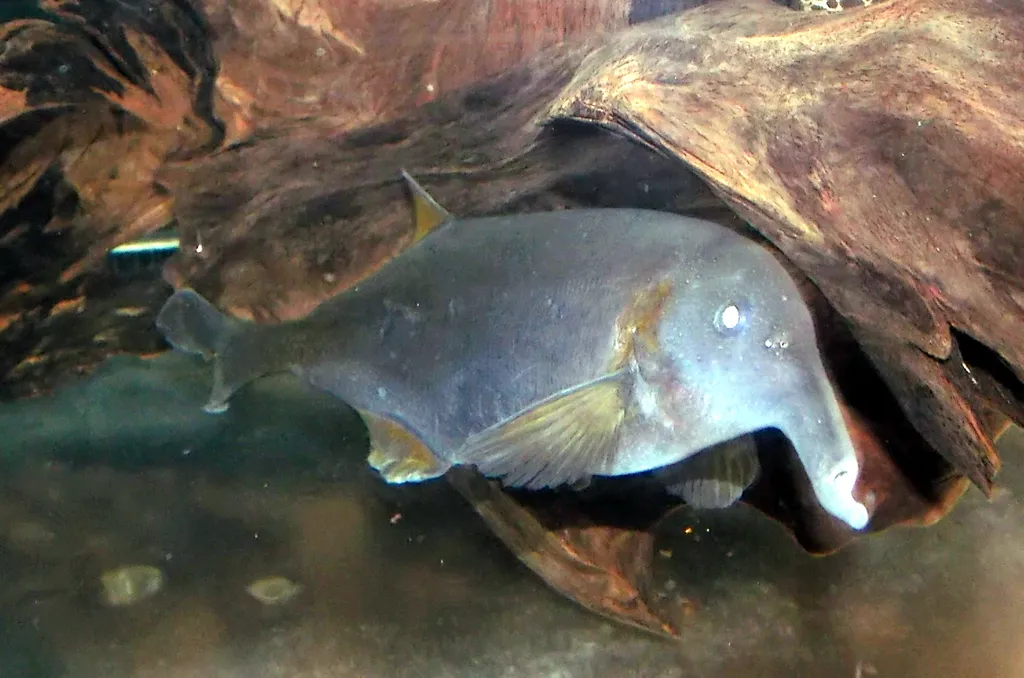 8.7 in (22 cm)79 gal (300 L)75–82°F (24–28°C)
Curved snout mormyrid
Campylomormyrus rhynchophorus
8.7 in (22 cm) · 79 gal (300 L)
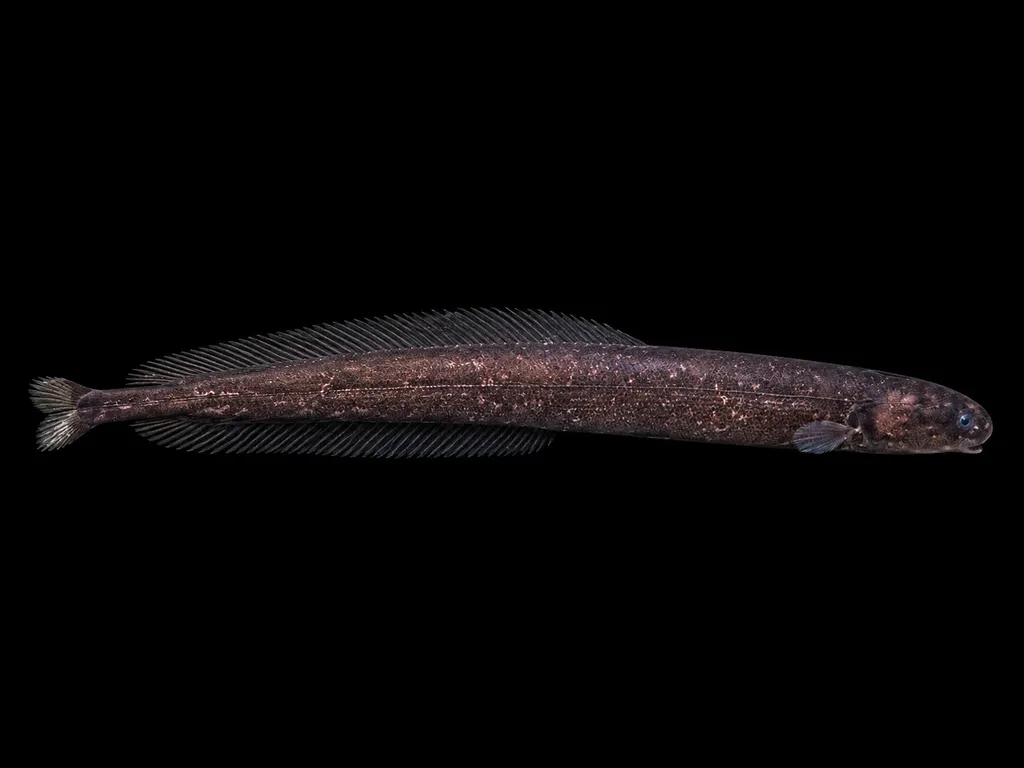 11.4 in (29 cm)79 gal (300 L)73–82°F (23–28°C)
Eel mormyrid
Isichthys henryi
11.4 in (29 cm) · 79 gal (300 L)
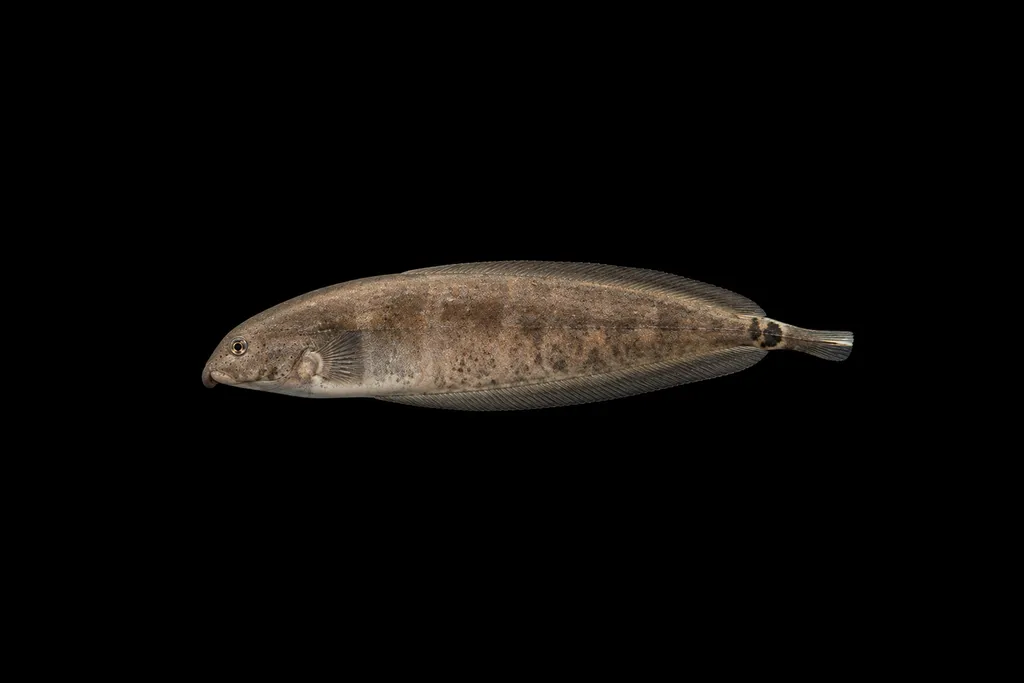 11.8 in (30 cm)159 gal (600 L)73–82°F (23–28°C)
Painted mormyrid
Hippopotamyrus pictus
11.8 in (30 cm) · 159 gal (600 L)
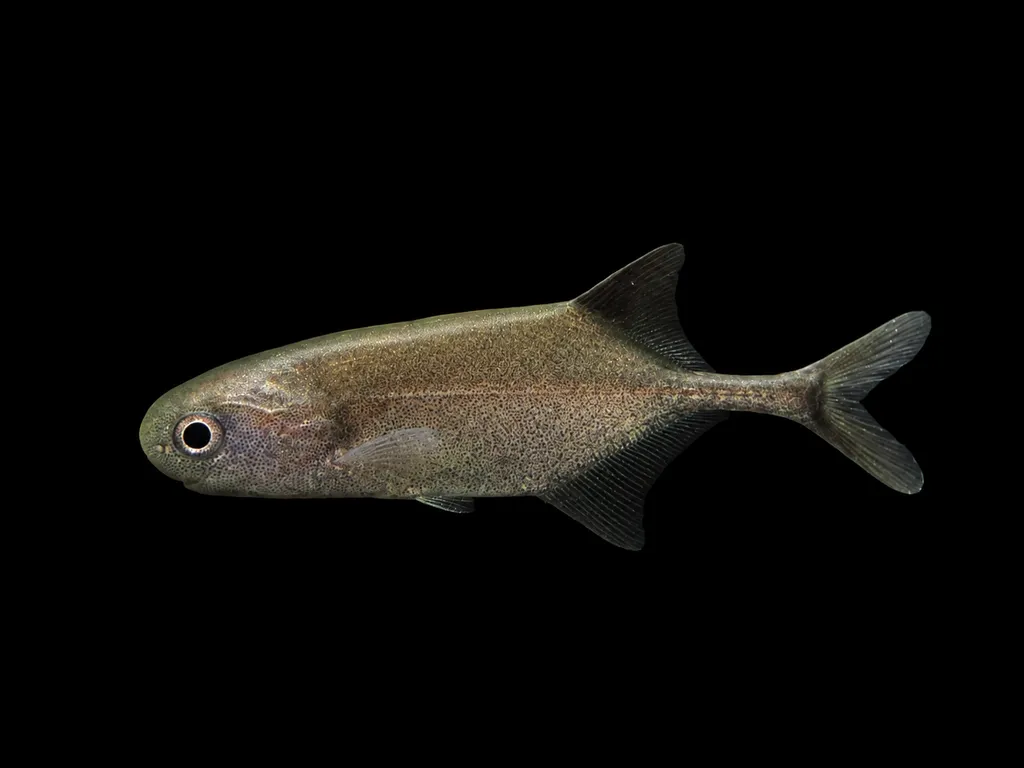 4.7 in (12 cm)42 gal (160 L)75–82°F (24–28°C)
Churchill mormyrid
Petrocephalus simus
4.7 in (12 cm) · 42 gal (160 L)
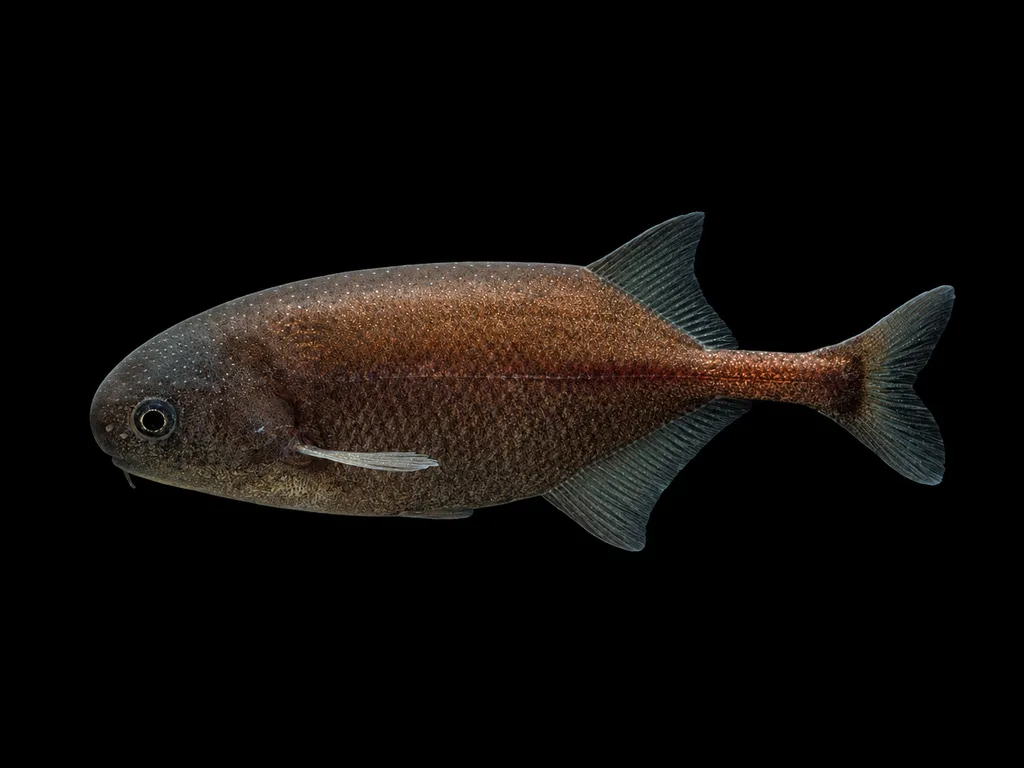 3.9 in (10 cm)29 gal (110 L)75–82°F (24–28°C)
Elephant baby whale
Pollimyrus isidori
3.9 in (10 cm) · 29 gal (110 L)
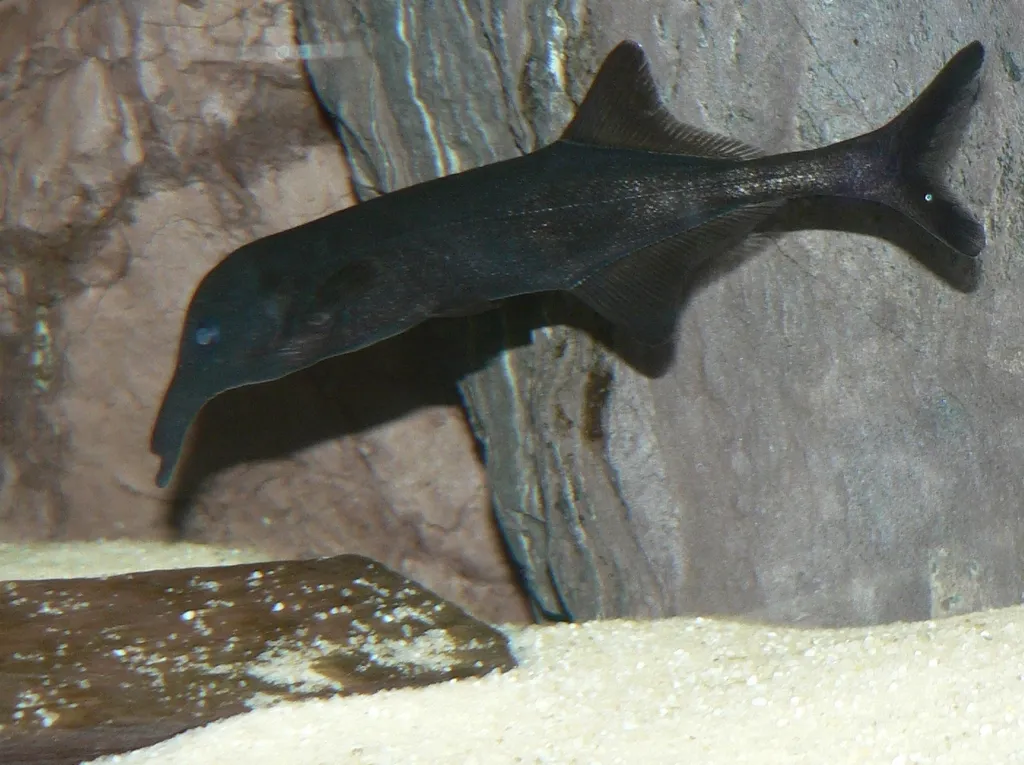 15.7 in (40 cm)119 gal (450 L)75–82°F (24–28°C)
Elephant trunk mormyrid
Campylomormyrus elephas
15.7 in (40 cm) · 119 gal (450 L)