Panda loach
Yaoshania pachychilus
Also known as Chinese panda loach, Protomyzon pachychilus, Yaoshania pachychilos
FreshwaterFish
Care at a glance
- Temperature
- 64–75°F
- 18–24°C
- pH
- 6.5–7.5
- Adult size
- 2.8 in
- 7 cm
- Minimum tank
- 20 gal
- 75 L
- Temperament
- Mostly peaceful
- Social behavior
- Social
- Swim level
- Bottom
- Difficulty
- Difficult
- Breeding
- No record
- Rarity
- Rare
- Family
- Gastromyzontidae
- Origin
- Endemic to fast, cool, clear hill streams in the Dayao Mountains of Guangxi in southern China, clinging to rocks in strong current.
Overview
Keep a group in a mature tank of 75 litres or more with a river manifold or powerhead for strong flow, at 18 to 24 C and pH 6.5 to 7.5. The diet is mostly algae and biofilm, supplemented with vegetable-based sinking foods and the occasional frozen morsel, and a high-protein diet can harm them. Best kept with other cool-water, high-flow species such as white cloud mountain minnows or other hillstream loaches.
In the wild
A small hillstream loach that grows to about 7 cm and grazes biofilm from smooth rocks. It must have cool, highly oxygenated water with strong flow, ideally 10 to 15 times the tank volume per hour in turnover. Warm, still or dirty water kills these fish quickly, which is the usual reason they fail in home tanks. Aim for temperatures below 24 C year round.
Good to know
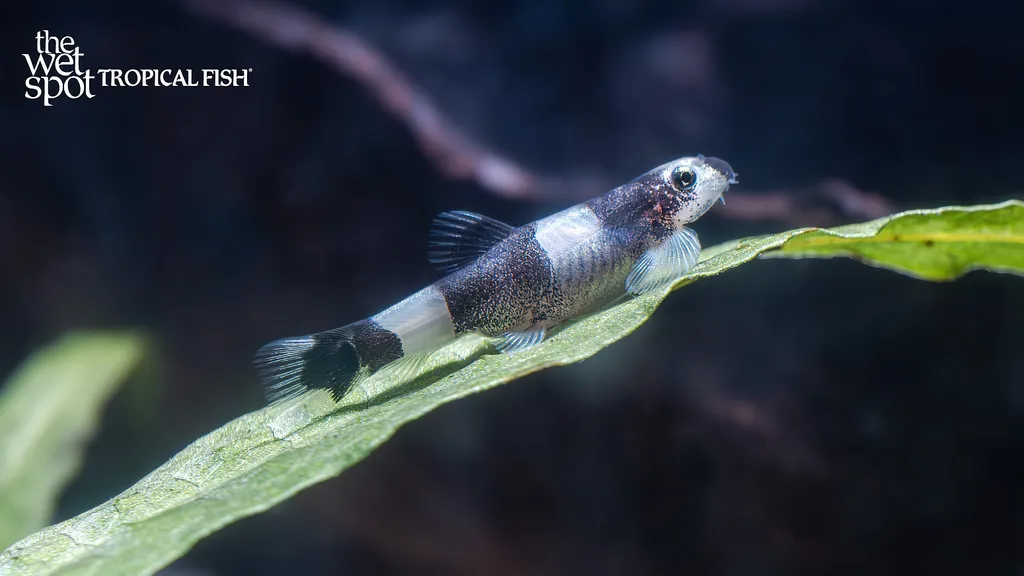
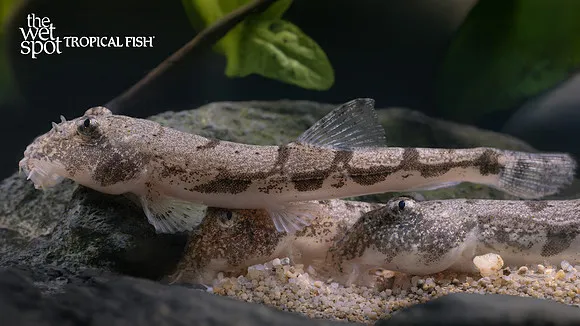
First described in the genus Protomyzon in 1980, it was later moved to its own genus Yaoshania, named after the Dayaoshan range where it was found. Juveniles wear the bold black and white panda pattern that gives the fish its name, and it fades toward a spotted olive as they mature.
Did you know
The bright panda markings are a juvenile trait, so the crisp black and white fish in the shop tank will slowly turn spotted and olive-grey as it ages.
Weekly picks
Tank mates
Panda loach is a mostly peaceful, social species that keeps to the bottom. These picks share a community profile with it, are safe together in both directions, and overlap on water type, temperature and pH.
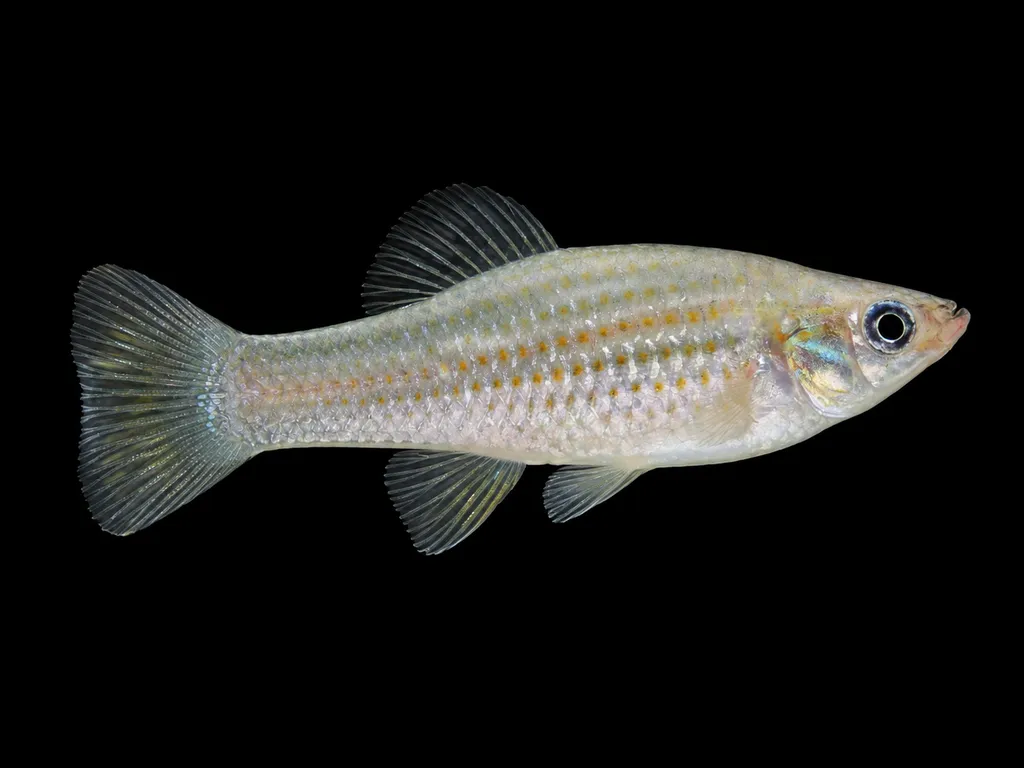
Amazon molly
Poecilia formosa
Freshwater3.5 in (9 cm) · 20 gal (75 L)68–82°F (20–28°C)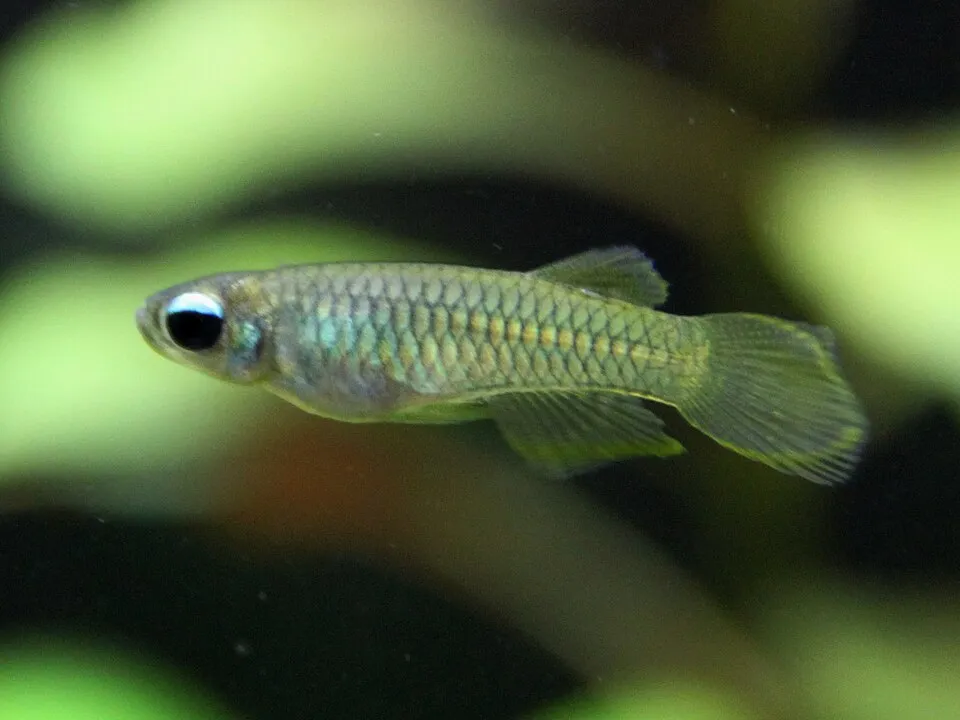
Norman's lampeye
Poropanchax normani
Freshwater1.6 in (4 cm) · 20 gal (75 L)72–79°F (22–26°C)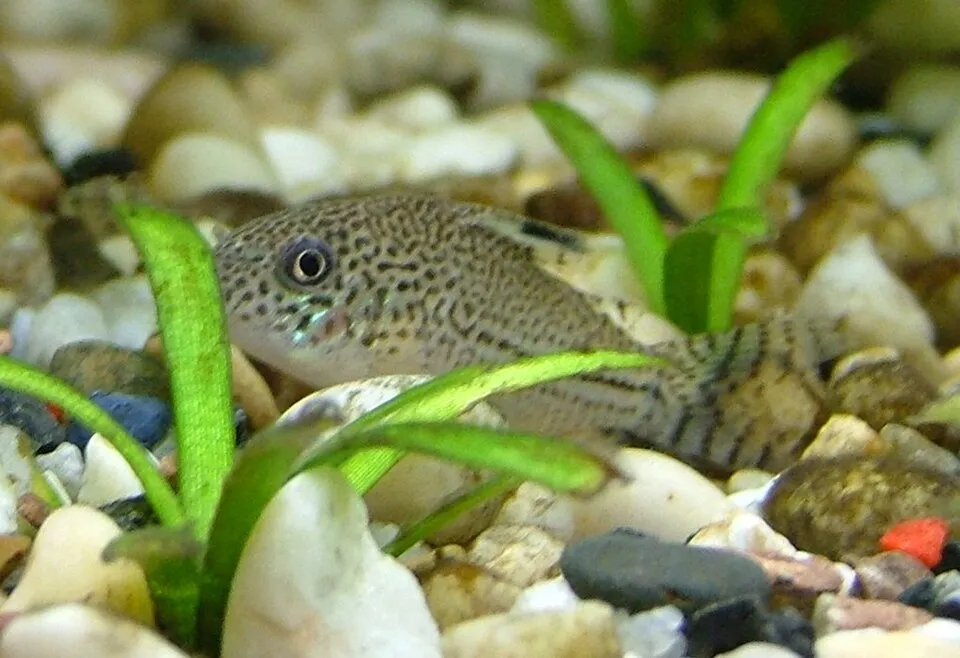
Julii cory
Hoplisoma julii
Freshwater2.2 in (5.5 cm) · 20 gal (75 L)68–79°F (20–26°C)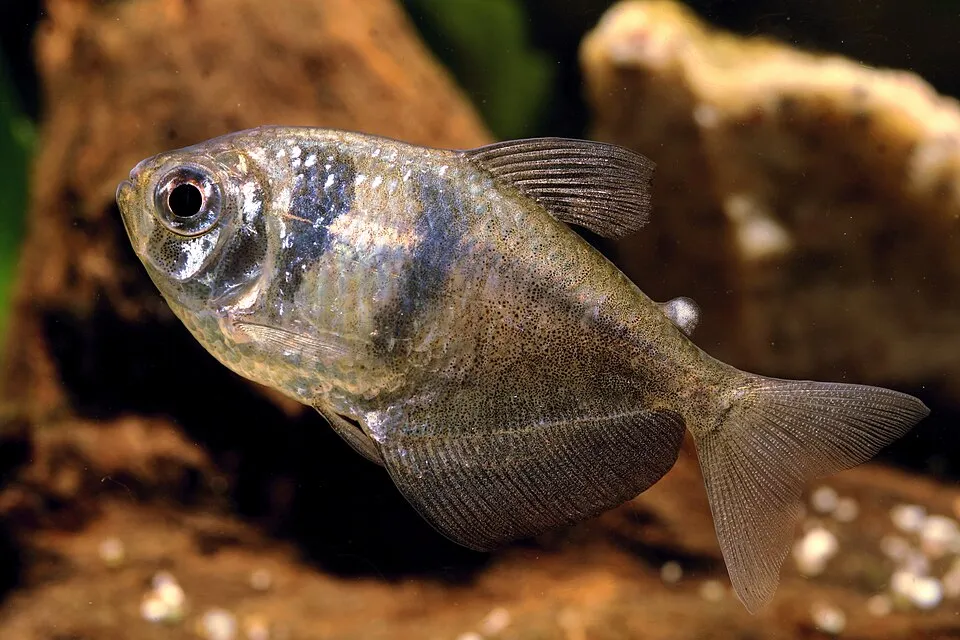
Black widow tetra
Gymnocorymbus ternetzi
Freshwater2.4 in (6 cm) · 20 gal (75 L)68–79°F (20–26°C)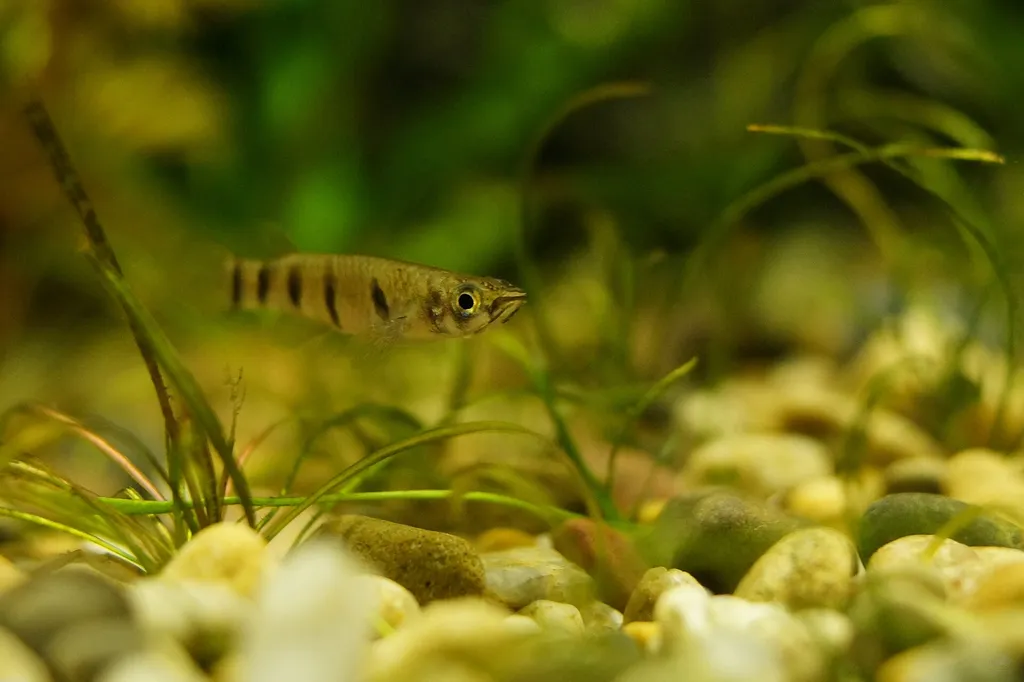
Red-chinned panchax
Epiplatys dageti
Freshwater1.8 in (4.5 cm) · 20 gal (75 L)70–75°F (21–24°C)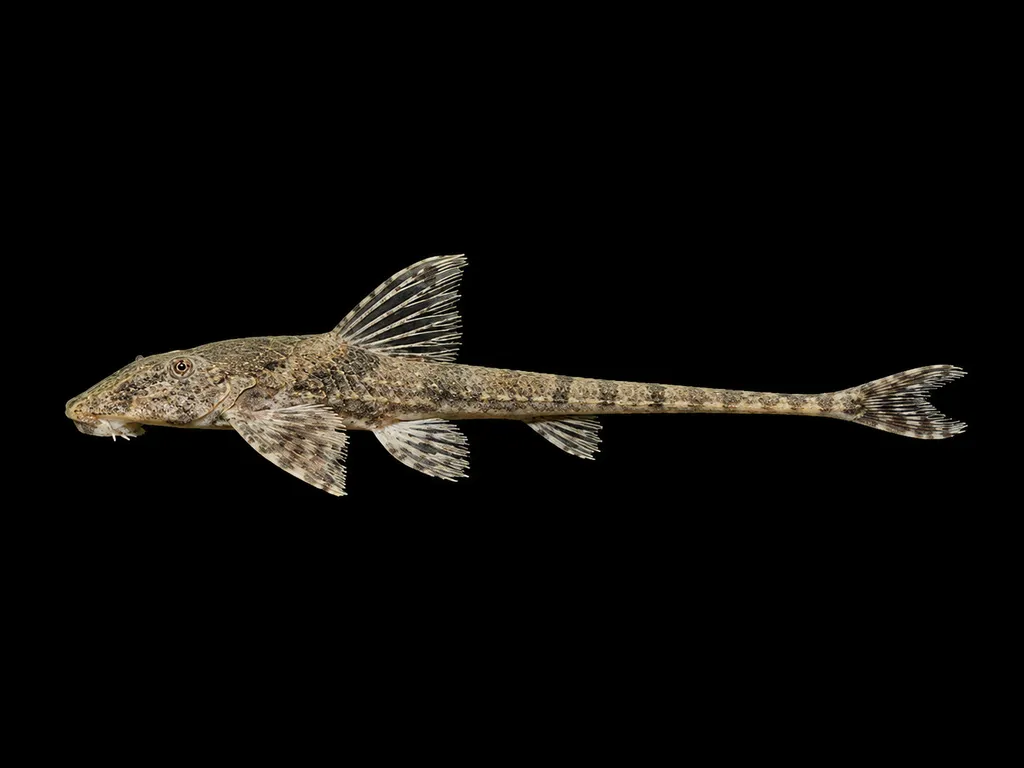
Common whiptail
Rineloricaria parva
Freshwater4.7 in (12 cm) · 20 gal (75 L)68–79°F (20–26°C)
Common questions
What size tank does a Panda loach need?
A Panda loach needs at least 20 gal (75 L). It spends most of its time in the bottom.
What temperature and pH does a Panda loach need?
A Panda loach is comfortable at 64–75°F (18–24°C) with a pH of 6.5–7.5.
How big does a Panda loach get?
An adult Panda loach reaches about 2.8 in (7 cm).
Related species
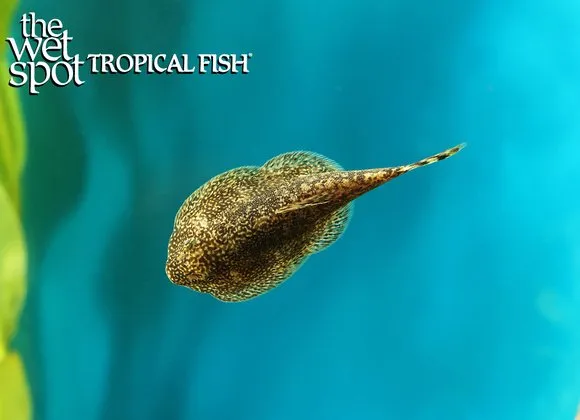 2.6 in (6.5 cm)24 gal (90 L)68–75°F (20–24°C)
Showy hillstream loach
Sewellia speciosa
2.6 in (6.5 cm) · 24 gal (90 L)
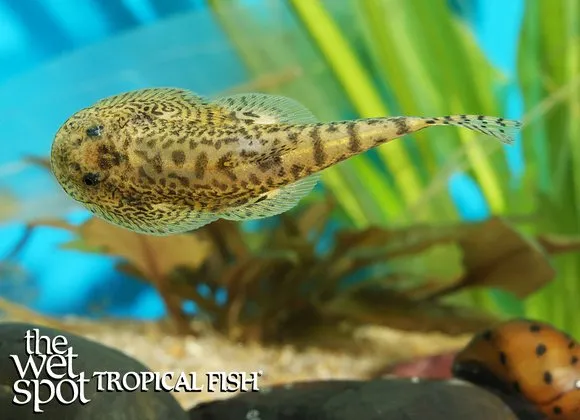 2.4 in (6.2 cm)24 gal (90 L)68–75°F (20–24°C)
Pako hillstream loach
Sewellia breviventralis
2.4 in (6.2 cm) · 24 gal (90 L)
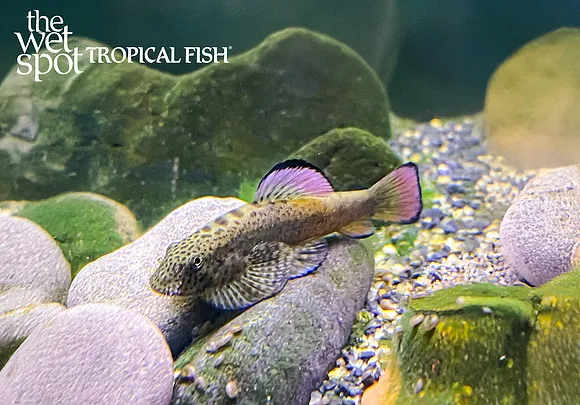 3.1 in (8 cm)24 gal (90 L)64–75°F (18–24°C)
Broadhead hillstream loach
Pseudogastromyzon laticeps
3.1 in (8 cm) · 24 gal (90 L)
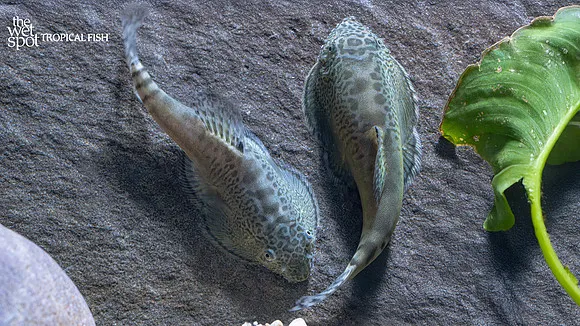 3.1 in (8 cm)24 gal (90 L)61–75°F (16–24°C)
Pearl River hillstream loach
Beaufortia granulopinna
3.1 in (8 cm) · 24 gal (90 L)
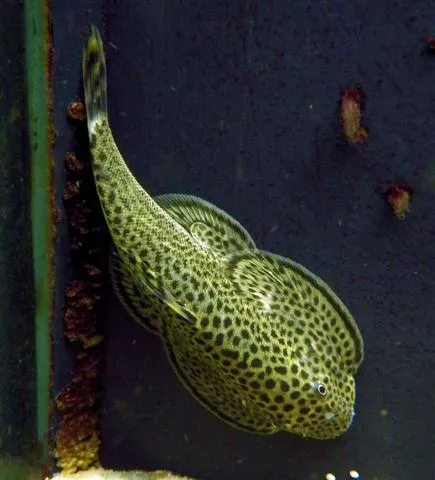 3.1 in (8 cm)24 gal (90 L)64–75°F (18–24°C)
Red hillstream loach
Beaufortia leveretti
3.1 in (8 cm) · 24 gal (90 L)
 2.4 in (6 cm)20 gal (75 L)64–75°F (18–24°C)
Chinese butterfly loach
Pseudogastromyzon cheni
2.4 in (6 cm) · 20 gal (75 L)