Peter's elephantnose
Gnathonemus petersii
Also known as Elephant nose
FreshwaterFish
Care at a glance
- Temperature
- 73–82°F
- 23–28°C
- pH
- 6.5–7.5
- Adult size
- 8.9 in
- 22.5 cm
- Minimum tank
- 66 gal
- 250 L
- Temperament
- Mostly peaceful
- Social behavior
- Social
- Tankmates
- With caution
- Swim level
- Middle
- Difficulty
- Difficult
- Breeding
- No record
- Rarity
- Rare
- Family
- Mormyridae
- Origin
- Central Africa
Overview
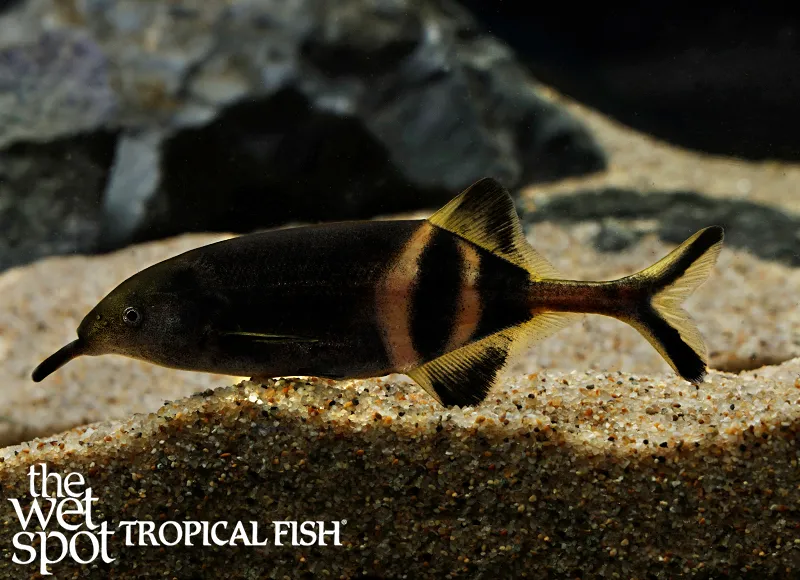
The elephantnose is a shy, night-active fish that uses the finger-like extension on its chin to hunt for food buried in soft sand. It is sensitive and easily starved in a busy tank, so give it gentle, slow-feeding tankmates and either keep it alone or in a group of five or more, since small numbers lead to bullying. Provide a deep bed of soft sand, dim lighting, and plenty of cover. Feed live and frozen foods such as bloodworms and blackworms in the evening, making sure it gets its share. Give it a well-filtered tank of at least 250 liters.
In the wild
Gnathonemus petersii comes from the rivers of central and West Africa, including the Congo and Niger basins, living in murky, slow-moving water over muddy bottoms among roots and leaf litter. These dim habitats are why it relies on senses other than sight. Recreate this with soft sand, driftwood, subdued lighting, and stable, clean water. Keep the temperature between 23 and 28 degrees Celsius and the pH close to neutral, from about 6.5 to 7.5.
Good to know
The elephantnose belongs to Mormyridae, the African elephantfishes, and grows to around 22 centimeters in aquariums. The trunk-like extension below its mouth is not a nose but a sensitive, movable chin appendage used to search for food. It is weakly electric, generating pulses from a tail organ to navigate and communicate, and it has one of the largest brain-to-body ratios of any fish. Captive breeding is essentially unknown.
Did you know
This fish carries its own kind of sixth sense. It fills the water around it with faint electric pulses and reads the echoes to find food in pitch darkness, and it burns so much energy doing so that, for its size, it has one of the largest brains in the fish world.
Common questions
What size tank does a Peter's elephantnose need?
A Peter's elephantnose needs at least 66 gal (250 L). It spends most of its time in the middle.
What temperature and pH does a Peter's elephantnose need?
A Peter's elephantnose is comfortable at 73–82°F (23–28°C) with a pH of 6.5–7.5.
How big does a Peter's elephantnose get?
An adult Peter's elephantnose reaches about 8.9 in (22.5 cm).
Related species
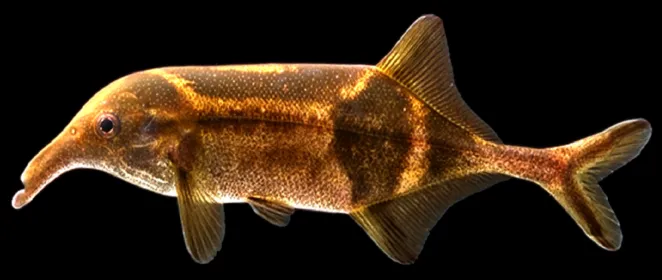 15.7 in (40 cm)172 gal (650 L)73–82°F (23–28°C)
Blunt-jawed elephantnose
Campylomormyrus tamandua
15.7 in (40 cm) · 172 gal (650 L)
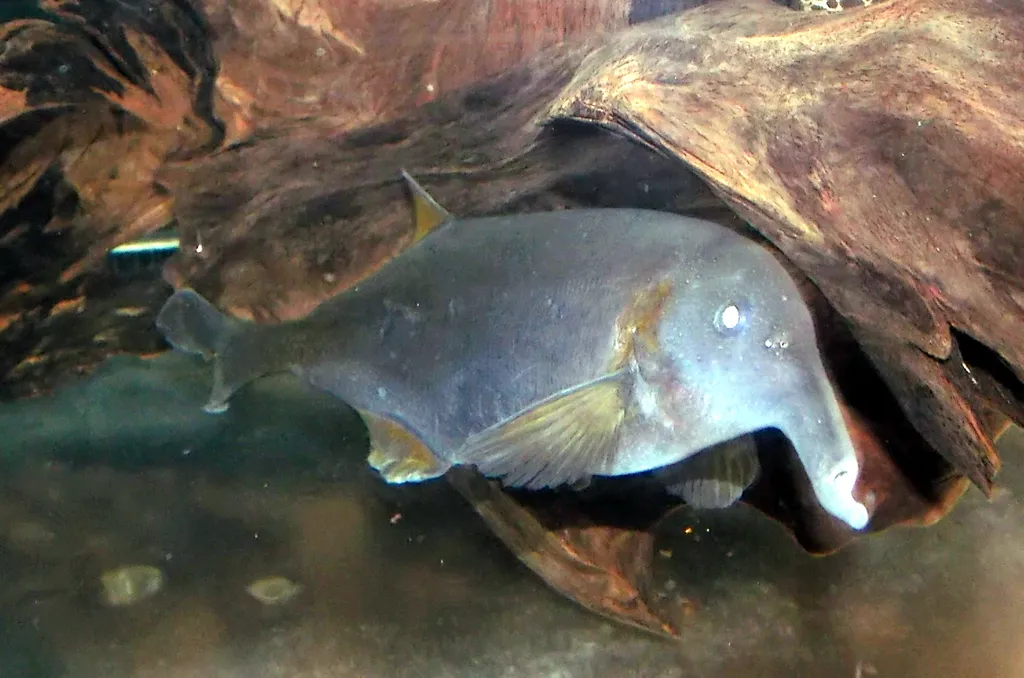 8.7 in (22 cm)79 gal (300 L)75–82°F (24–28°C)
Curved snout mormyrid
Campylomormyrus rhynchophorus
8.7 in (22 cm) · 79 gal (300 L)
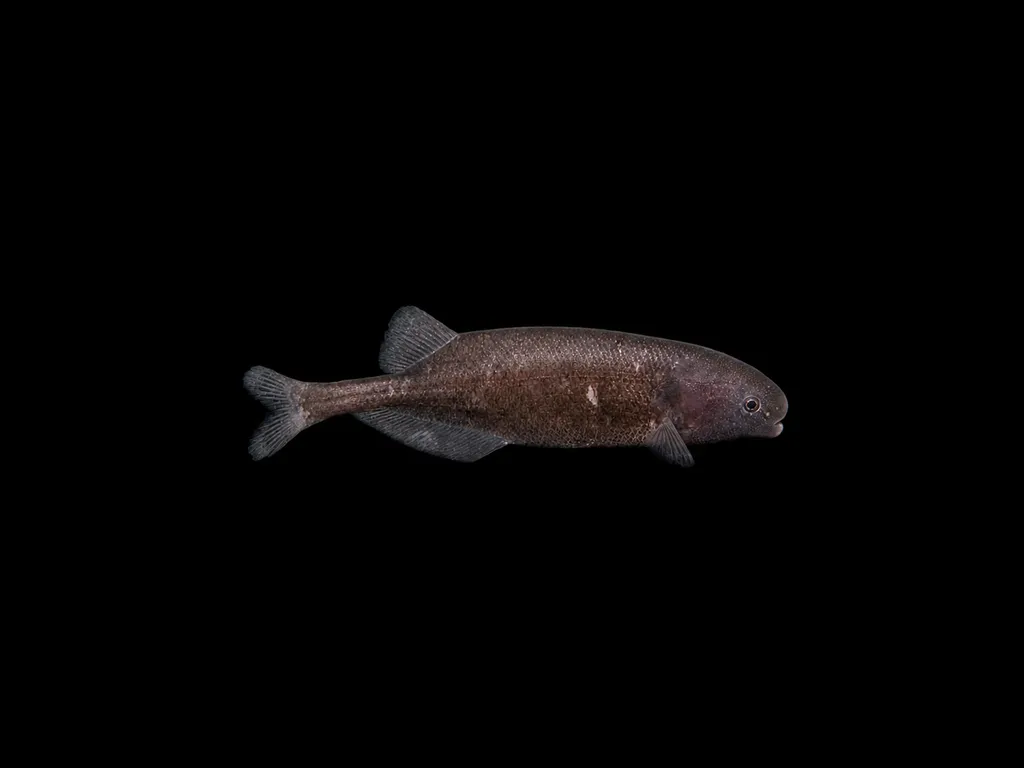 7.9 in (20 cm)53 gal (200 L)75–82°F (24–28°C)
Shortfin baby whale
Brienomyrus brachyistius
7.9 in (20 cm) · 53 gal (200 L)
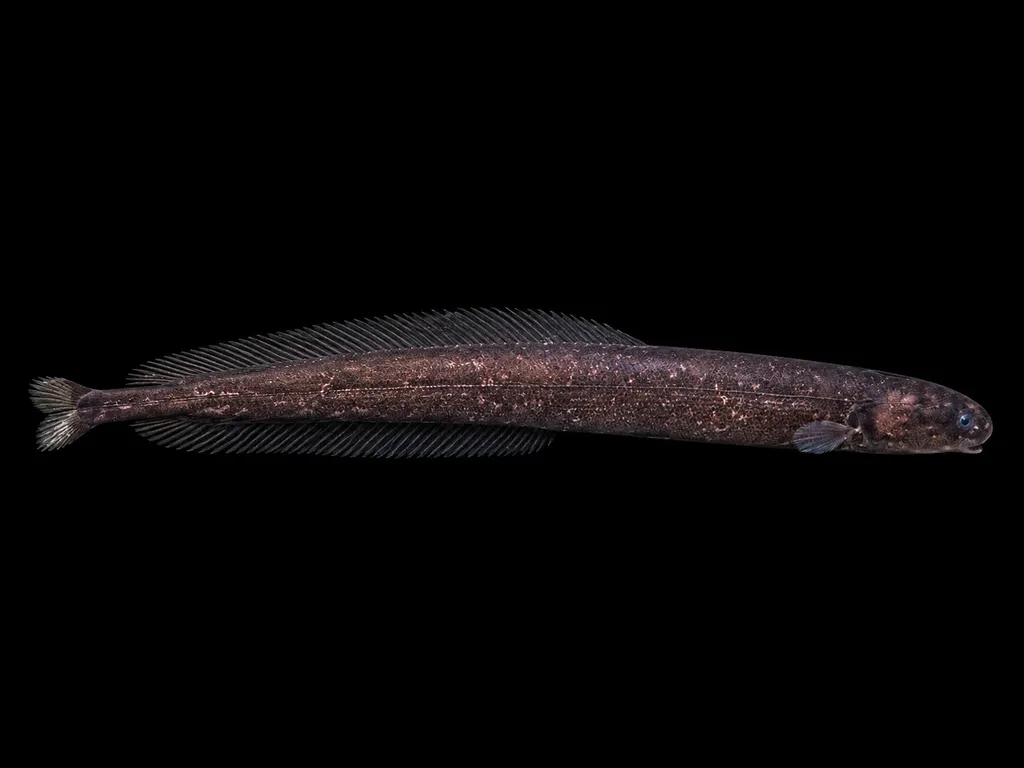 11.4 in (29 cm)79 gal (300 L)73–82°F (23–28°C)
Eel mormyrid
Isichthys henryi
11.4 in (29 cm) · 79 gal (300 L)
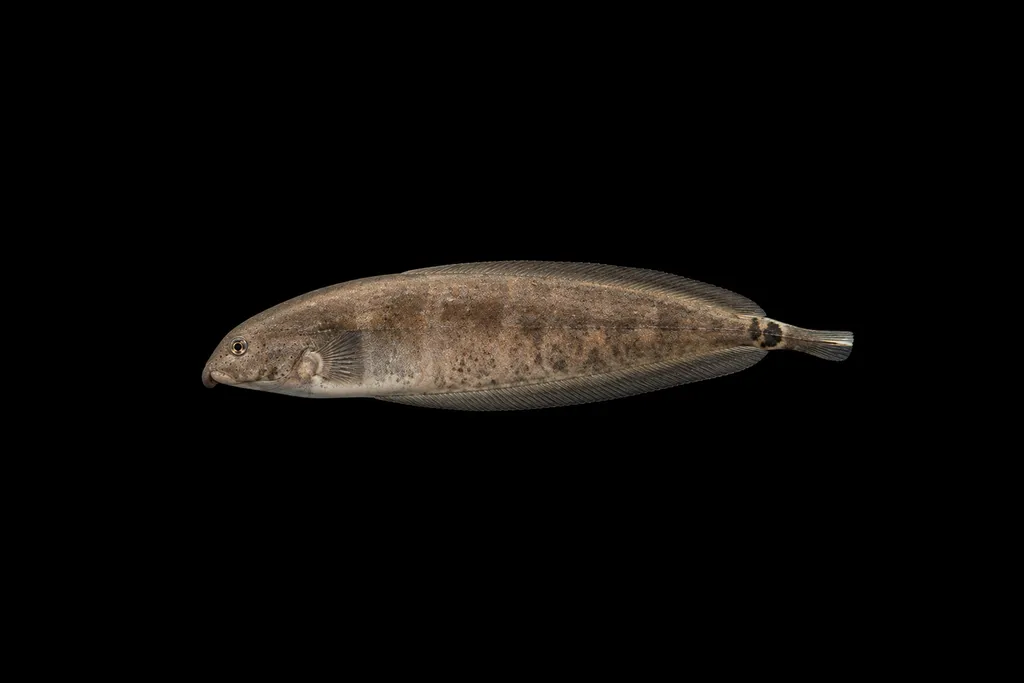 11.8 in (30 cm)159 gal (600 L)73–82°F (23–28°C)
Painted mormyrid
Hippopotamyrus pictus
11.8 in (30 cm) · 159 gal (600 L)
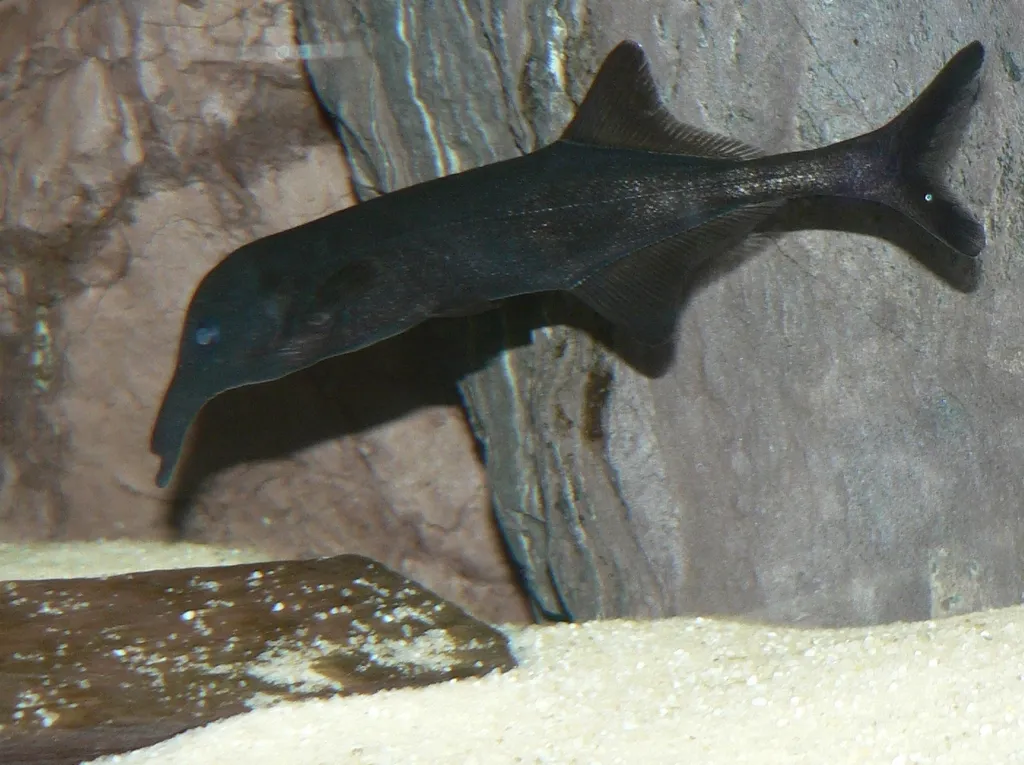 15.7 in (40 cm)119 gal (450 L)75–82°F (24–28°C)
Elephant trunk mormyrid
Campylomormyrus elephas
15.7 in (40 cm) · 119 gal (450 L)